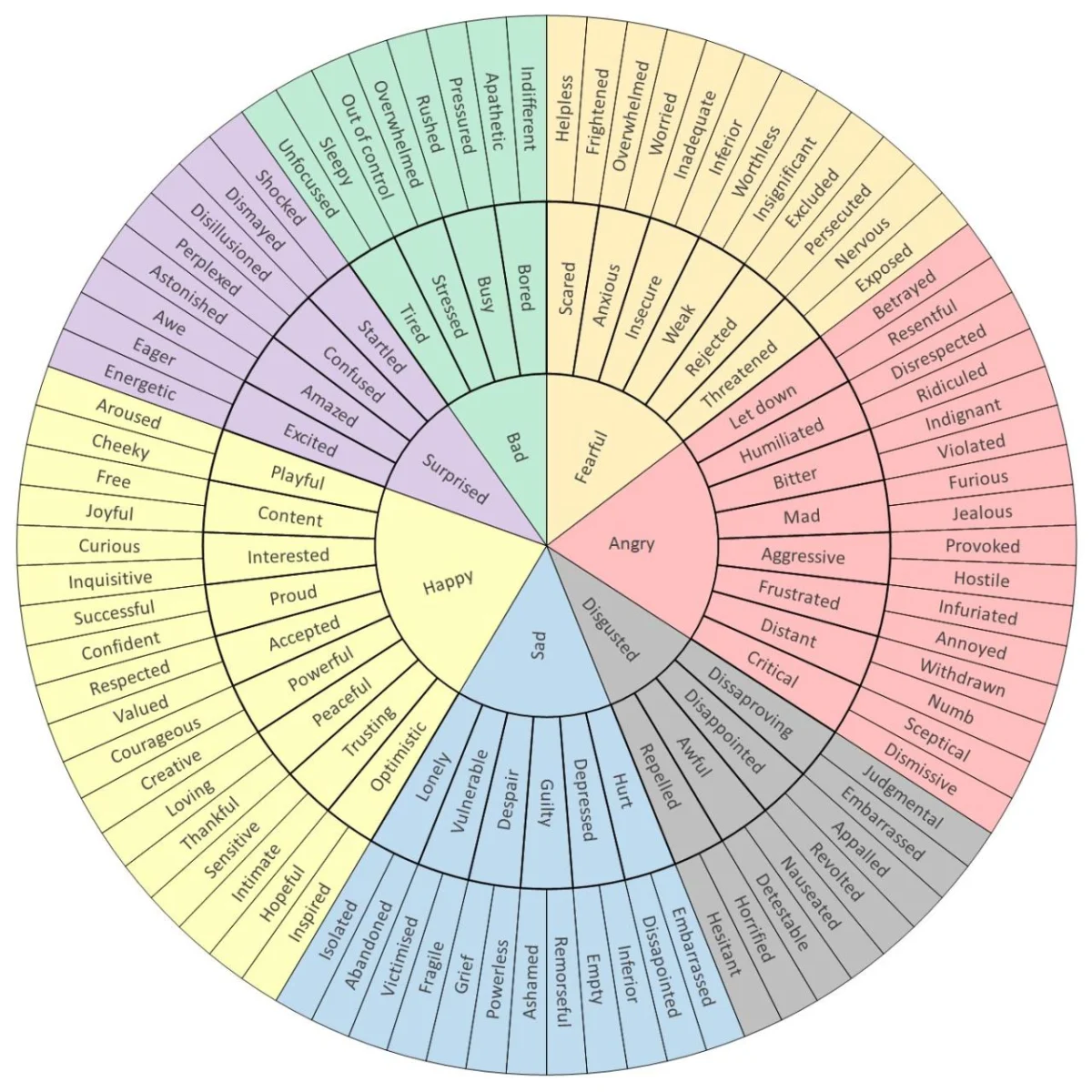
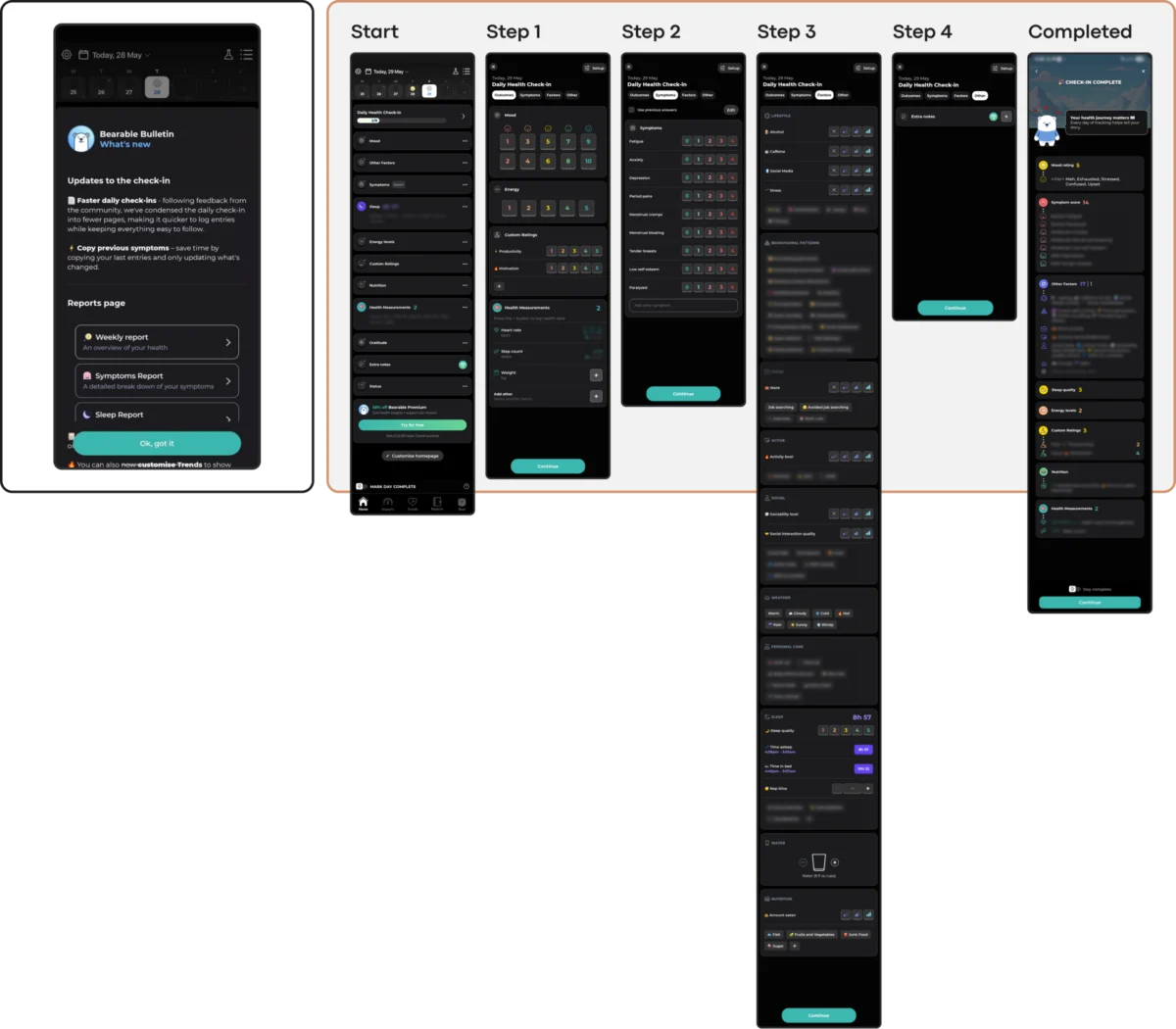
The global mental health technology sector is currently grappling with a systemic engagement crisis, characterized by a stark disparity between application downloads and sustained therapeutic use. Recent longitudinal data reveals a sobering reality for digital health developers: nearly 95% of users who engage with a mental health application on the first day will abandon the […]
Weaponizing and Defending the React Flight Protocol: A Comprehensive Analysis of the React2Shell Vulnerability
The cybersecurity landscape shifted significantly in late 2025 following the discovery of a critical flaw in the foundational architecture of modern web development. Labeled by researchers as React2Shell and officially designated as CVE-2025-55182, the vulnerability represents a rare CVSS 10.0—the highest possible severity rating—affecting the React Flight protocol. This protocol, the engine behind React Server […]
The Impact of Artificial Intelligence on Product Design Examining the Bull and Bear Cases for Designer Autonomy and Professional Accountability
The landscape of digital product design is undergoing a fundamental transformation as artificial intelligence redefines the traditional boundaries between ideation, execution, and deployment. For decades, the professional design community has operated within a framework defined by organizational friction, often citing a lack of engineering resources, rigid product roadmaps, and hierarchical gatekeeping as the primary obstacles […]
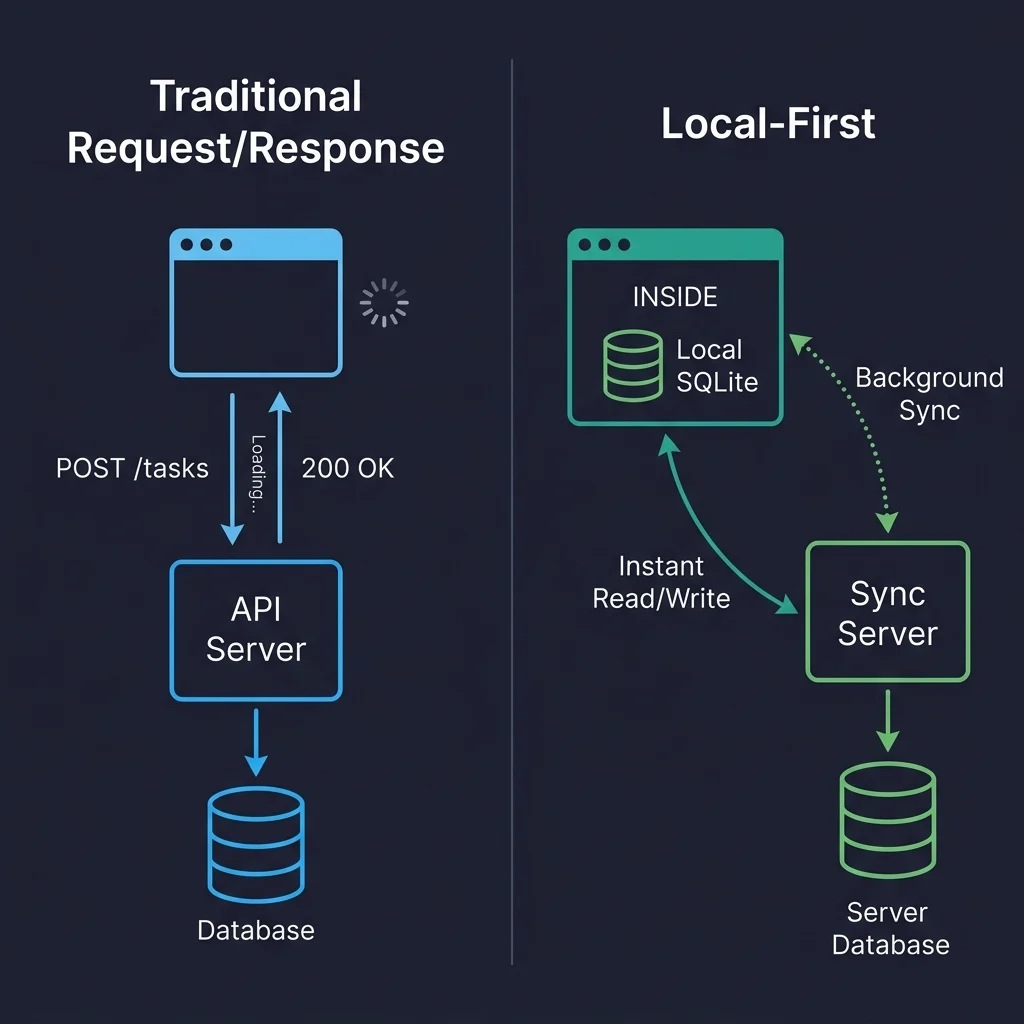
The Evolution and Implementation of Local-First Architecture in Web Development for 2026
The landscape of web application development in 2026 has reached a significant inflection point, characterized by the transition from traditional cloud-centric models to local-first architecture. This architectural shift represents a fundamental change in how data is stored, synchronized, and owned, moving away from the "thin client" model that has dominated the industry for over a […]
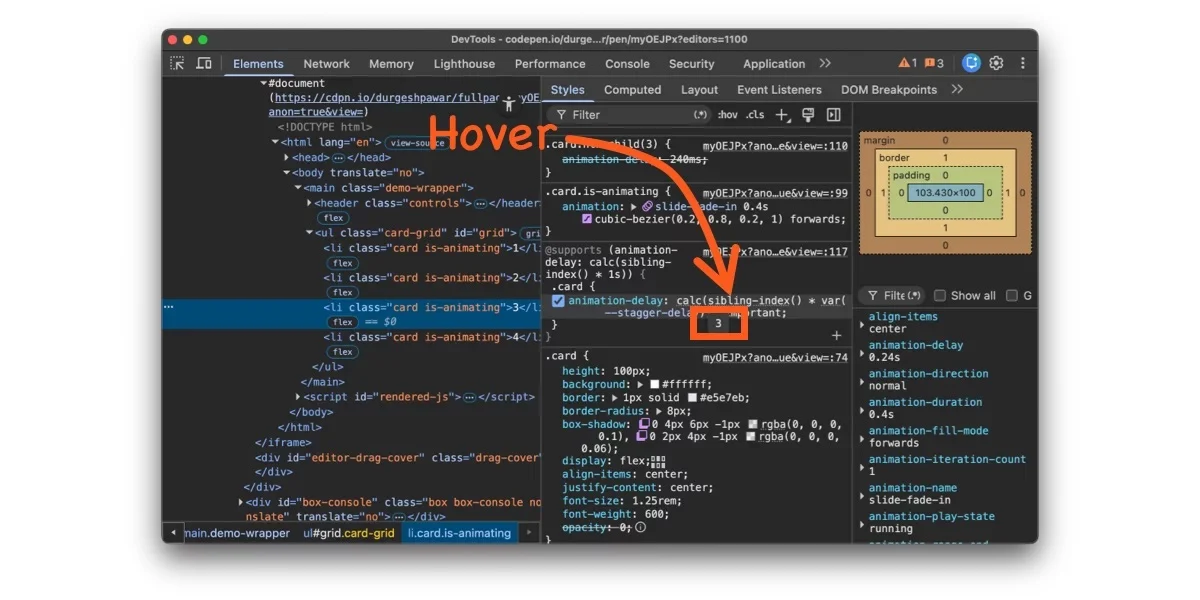
Sibling-index and Sibling-count: The Evolution of Mathematical CSS and the End of Manual Indexing
The landscape of front-end development is undergoing a significant transition as the World Wide Web Consortium (W3C) introduces native tree-counting functions into the CSS specification, effectively eliminating decades of reliance on complex JavaScript workarounds and verbose preprocessor loops. With the official introduction of sibling-index() and sibling-count(), developers can now access an element’s position and the […]
The Evolution of User Experience Research Analyzing the Four Levels of Customer Understanding and the Shift from Validation to Diagnosis
Modern product development is increasingly moving away from surface-level data, as industry experts identify a widening "say-do gap" that often leads to costly business failures. Despite the proliferation of data analytics, many organizations continue to operate on what researchers call "big hunches," assuming they understand user needs while lacking the empirical evidence to support those […]
Humanizing Artificial Intelligence Through Design: The Evolution of Digital Companions in the Era of Generative Automation
The rapid proliferation of generative artificial intelligence has fundamentally altered the landscape of digital interaction, moving the technology from specialized laboratories into the daily workflows of millions. As these tools become ubiquitous, a critical debate has emerged regarding the interface through which humans engage with machine intelligence. While the industry standard has largely settled on […]
How to Turn Brand Strategy into Visual Direction Through the Pre-Concept Phase
The failure of a branding project is rarely a result of poor technical execution in the final design stages; rather, it is often the consequence of a fundamental disconnect occurring long before the first logo is drafted. In the contemporary design landscape, a significant gap exists between high-level brand strategy—often defined by broad adjectives such […]
Designing for Trust in Agentic AI Through Advanced Interface Transparency Patterns
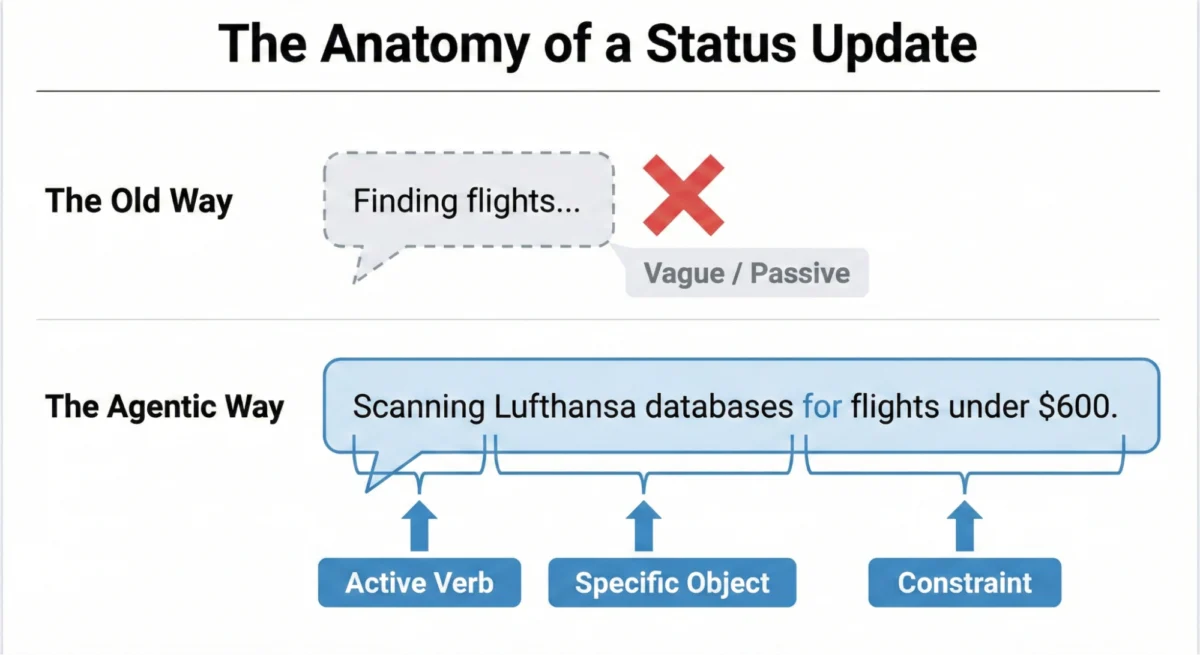
The rapid integration of agentic artificial intelligence into enterprise and consumer workflows has exposed a critical flaw in traditional user interface design: the reliance on legacy latency indicators that fail to communicate the complexities of machine reasoning. As AI systems transition from passive tools to autonomous agents capable of multi-step decision-making, the standard "spinner" or […]
Ten Data-Backed Truths Linking User Experience to Measurable Business Revenue and Growth
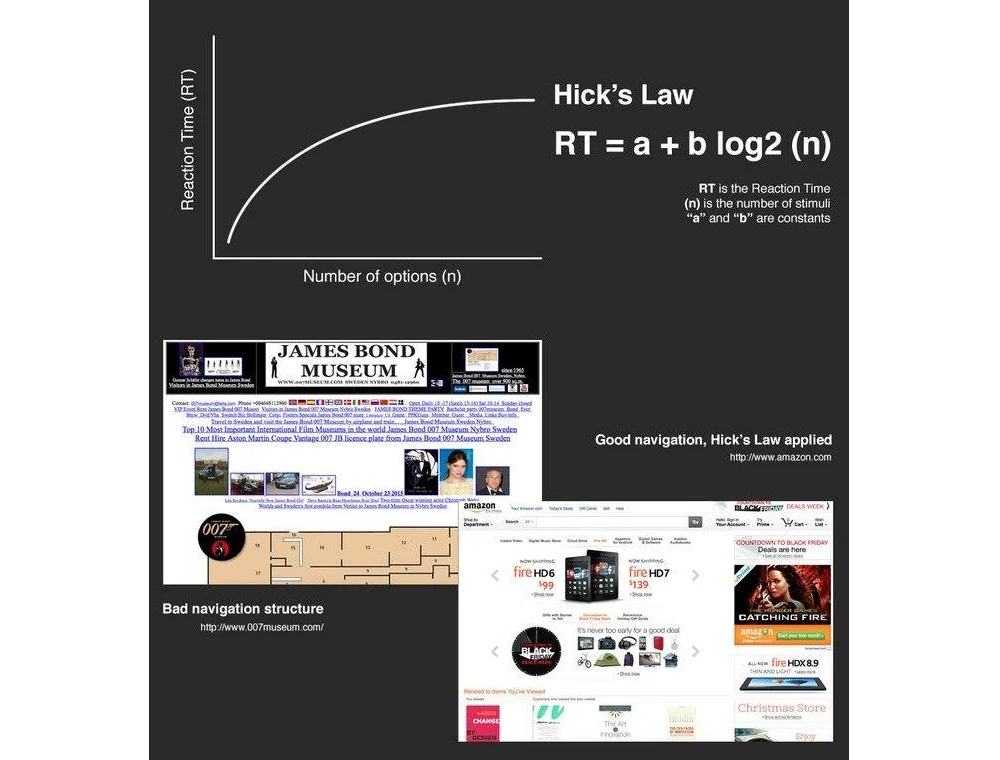
In the modern high-stakes digital economy, the friction inherent in a poorly designed interface has evolved from a minor inconvenience into a catastrophic financial liability. For global enterprises and burgeoning startups alike, the cost of a "friction-heavy" user interface is no longer measured simply in lost clicks or minor user frustration; it is now quantified […]