

The question of whether blogging can transcend a personal pastime and become a genuine source of income is a persistent one, often met with a spectrum of responses ranging from fervent claims of instant riches to dismissals of its viability. While sensationalized narratives of overnight millionaires and equally vocal assertions of blogging’s impossibility flood online discourse, a more nuanced reality exists. This reality, as explored by seasoned bloggers and industry observers, suggests that while substantial financial rewards are attainable, they are typically the product of sustained effort, strategic execution, and a deep understanding of the digital landscape, rather than overnight success.
The landscape of blogging monetization is frequently characterized by a dichotomy. On one side, marketing materials and online courses often promote aspirational figures, suggesting that significant income can be generated rapidly through specific, often proprietary, methods. These claims, while appealing, are frequently intertwined with the promotion of products or services, leading to scrutiny regarding their objective validity. Conversely, a counter-narrative emerges, questioning the legitimacy of full-time bloggers, attributing their success to deceptive practices or a primary focus on selling advice about making money online. This polarization creates confusion for aspiring bloggers, obscuring the practical pathways to profitability.
However, the prevailing sentiment among experienced individuals in the field is that making money from blogging is indeed achievable, extending beyond the confines of the "make money online" niche. From modest supplementary income to fully supporting a business and employing others, the spectrum of blogging success is broad and diverse. The journey, while potentially rewarding, is rarely a sprint; it demands perseverance, creative thinking, and a well-honed understanding of blogging best practices.
The Evolving Landscape of Blogging Revenue
The notion that blogging can generate a substantial income has evolved significantly since the early days of the internet. Initially conceived as digital diaries or personal journals, blogs have transformed into powerful platforms for content creation, community building, and commerce. The advent of various monetization strategies, coupled with increased internet penetration and sophisticated digital marketing tools, has created a more fertile ground for bloggers to cultivate revenue streams.
Early blogging pioneers often relied on rudimentary advertising models. As the internet matured, affiliate marketing, sponsored content, and the sale of digital products emerged as viable options. Today, the monetization toolkit is even more extensive, encompassing subscription models, membership sites, online courses, consulting services, and even the creation of physical products. This diversification allows bloggers to tailor their income strategies to their specific niche, audience, and content.
The ProBlogger platform itself, a prominent resource for bloggers, has witnessed this evolution firsthand. Its founder, Darren Rowse, has been blogging for nearly a decade, with a significant portion of that time dedicated to monetizing his blogs. What began as a modest stream of income has, over the years, evolved into a full-time enterprise that has expanded to employ others. This trajectory reflects a common pattern observed among successful bloggers: a gradual, consistent growth in earnings over time, driven by strategic development and adaptation.
Diverse Monetization Models: Beyond the "One-Size-Fits-All" Approach
A critical insight into making money from blogging is the absence of a singular, universally applicable formula. The ProBlogger events, for instance, have consistently highlighted a diverse array of successful Australian bloggers who operate across various niches and employ distinct monetization strategies. These events have showcased individuals earning income from food, fashion, travel, and technology, among other areas.
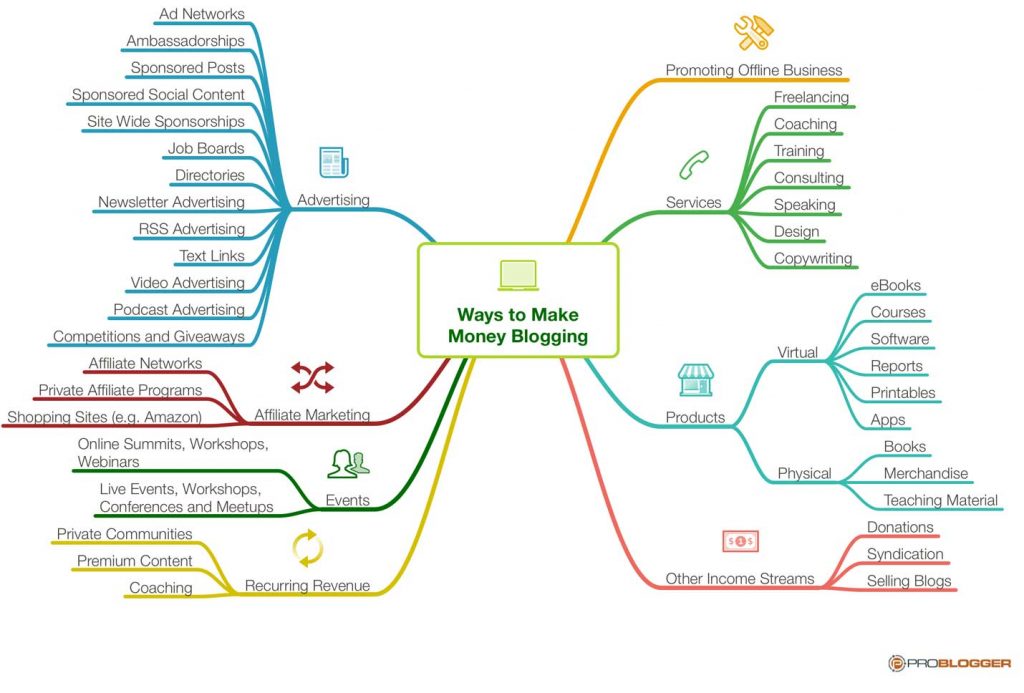
The income streams these bloggers utilize are varied. Some generate revenue through direct advertising sales, while others leverage membership areas to offer exclusive content or community access. Affiliate marketing, where bloggers earn commissions by promoting other companies’ products, remains a popular method. The sale of digital products, such as e-books and online courses, is another significant revenue generator. Furthermore, many bloggers successfully integrate their online presence with offline businesses, using their blogs as lead generation tools or platforms to promote their services. Some even secure book deals or command fees as speakers at industry events. This multifaceted approach underscores the adaptability required in the blogging world, where a combination of income streams often proves most effective.
The concept of a "money map" for blogging, as conceptualized by industry experts, illustrates the breadth of potential monetization avenues. This map typically categorizes income streams into broad areas such as advertising, affiliate marketing, digital products, services, and physical products, with numerous sub-categories within each. For example, under digital products, one might find e-books, printables, templates, and software. This visual representation serves as a guide, illustrating that a blog’s potential for revenue is limited only by the blogger’s creativity and understanding of their audience’s needs.

The Illusion of Formulas: Forging Individual Paths
The persistent marketing of "formulas" for online success often creates a misconception that there are guaranteed steps to achieving financial independence through blogging. However, the reality for many established bloggers is that their success is a result of navigating uncharted territory, acting on intuition, and learning from both triumphs and setbacks.
While commonalities exist among successful bloggers, such as a focus on content quality and audience engagement, the specific path taken is often unique. Each blogger cultivates a distinct voice, caters to a particular demographic, and adapts their monetization strategies to their specific niche. For instance, a fashion blogger might find success through affiliate links to clothing retailers and sponsored posts with apparel brands, while a finance blogger might focus on promoting investment platforms and selling financial planning guides.
The key takeaway is to remain informed about industry trends and the strategies employed by other bloggers, but to avoid rigidly adhering to a prescribed formula. Instead, aspiring bloggers are encouraged to experiment, analyze their results, and adapt their approach based on their unique circumstances. This willingness to forge an individual path, informed by collective knowledge, is crucial for long-term success.
Niche Diversity: Debunking the "Blogging About Blogging" Monopoly
A common criticism leveled against the idea of making money from blogging is the assertion that only those who teach others how to blog are genuinely profitable. This viewpoint, however, fails to acknowledge the vast number of bloggers thriving in diverse niches, generating income through content and products unrelated to blogging advice.
As evidenced by the speaker lineups at ProBlogger events, many successful bloggers focus on everyday topics. Their expertise spans a wide range of subjects, and their revenue streams are directly tied to their respective fields. For example, bloggers who specialize in photography often find their blogs to be highly profitable, potentially exceeding the revenue generated by blogs focused on the business of blogging itself. This suggests that passion and expertise in any given niche, when combined with effective monetization strategies, can lead to significant financial success.
The experiences of bloggers like Sarah (health and wellbeing), Tsh (simple living), and Ana (woodwork), who do not primarily focus on teaching others how to make money online, further underscore this point. Their success lies in their ability to create valuable content for their specific audiences and to monetize that content effectively. This demonstrates that a blog’s profitability is not intrinsically linked to its subject matter being about online business.
The Majority Reality: Acknowledging the Statistical Landscape
While the potential for substantial income from blogging exists, it is crucial to acknowledge that the majority of bloggers who attempt to monetize their platforms do not achieve a full-time living. Survey data from ProBlogger, for instance, has consistently shown that a significant portion of bloggers earn minimal amounts, with a smaller percentage achieving part-time or full-time income levels.
A survey of ProBlogger readers revealed that a considerable percentage of those attempting to monetize their blogs earn less than a few dollars per day. This data highlights that blogging is not a guaranteed path to wealth and that significant financial success is the exception rather than the rule. The early stages of blogging often involve a substantial investment of time and effort with little to no immediate financial return.
However, the data also indicates a growing segment of bloggers who are achieving considerable success. A small percentage of those surveyed reported earning over $10,000 per month, a figure equivalent to a six-figure annual income. An additional portion were earning over $1,000 per month, which can be considered a part-time income. While these figures represent a minority, the trend suggests an increasing number of individuals are successfully transitioning to full-time blogging or generating significant supplementary income.
The Time Investment: Patience as a Prerequisite for Profitability
A critical factor differentiating those who achieve significant income from blogging and those who do not is the element of time. Analysis of high-earning bloggers often reveals a significant tenure in the blogging space, with a substantial majority having been active for four years or more. This suggests that building a profitable blog is a long-term endeavor, requiring sustained effort and consistent content creation.
The personal journey of many successful bloggers mirrors this finding. It is not uncommon to blog for a year or more without generating any income. It can then take several additional years of gradual growth and refinement before a full-time income level is approached. The top income brackets are often reached only after four or five years of dedicated blogging. This timeline underscores that blogging for profit is not a "get-rich-quick" scheme but rather a process of building an audience, establishing a brand, and cultivating trust and credibility over an extended period.
The implications of this time investment are significant. Aspiring bloggers must cultivate patience and a long-term perspective. The initial investment in time and effort may not yield immediate returns, but it lays the foundation for future success. Without this commitment to longevity, it is unlikely that a blog will achieve substantial profitability.
The Work Ethic: Action and Dedication as Pillars of Success
Beyond longevity, a consistent theme among full-time bloggers is a strong work ethic and a proactive approach. The concept of "passive income" from blogging, often touted in marketing materials, is frequently a misnomer. The reality for most successful bloggers is that their ventures require considerable ongoing effort and dedication.
Creating high-quality content on a regular basis, staying abreast of industry developments, managing the business aspects of the blog, developing new products, and actively engaging with the audience all demand significant time and energy. This is not a passive endeavor; it is a dynamic and demanding business that requires constant attention and adaptation.
The core areas of focus for building a profitable blog typically include:
- Creating Great Content: This involves producing original, valuable, and engaging content that resonates with the target audience.
- Finding Readers: This encompasses strategies for driving traffic to the blog, such as search engine optimization (SEO), social media marketing, and email list building.
- Building Reader Engagement: This focuses on fostering a loyal community by encouraging comments, responding to feedback, and creating interactive experiences.
- Monetization Strategies: This involves implementing effective methods for generating revenue from the blog’s content and audience.
Ultimately, the success of a blog hinges on its ability to provide value to its readers. This value is not created passively; it is the result of deliberate effort, strategic planning, and a relentless commitment to improvement. The act of starting, often overlooked, is also a critical component. Many aspiring bloggers never progress beyond the idea phase, highlighting the importance of taking action and launching the blog, regardless of perceived perfection. The journey of building a profitable blog is one that demands consistent work, strategic thinking, and a deep understanding of one’s audience and market.

