
In the competitive landscape of online content creation, many bloggers diligently implement best practices—crafting well-structured articles, optimizing for search engines, and mastering their blogging platforms—yet find themselves struggling to achieve significant readership and engagement. Industry observers and seasoned content strategists often point to a crucial missing element: authentic personality. This intangible quality is the differentiator between a blog that is merely browsed and quickly forgotten, and one that fosters genuine connection and leaves a lasting impact on its audience. The following analysis delves into how ten prominent bloggers effectively infuse their online presence with personality, offering valuable insights for aspiring and established content creators alike.
The Undeniable Power of Personalization in the Digital Sphere
The digital realm, characterized by an overwhelming volume of information, demands that content creators find unique ways to capture and retain audience attention. While technical proficiency in areas like SEO and content management is foundational, it is the infusion of a blogger’s individual voice, perspective, and humanity that transforms a functional website into a compelling destination. This personalization not only humanizes the content but also builds trust and loyalty among readers, fostering a community around shared interests and values. Data from content marketing platforms consistently shows that blogs with a strong, authentic voice experience higher engagement rates, longer time-on-page metrics, and increased social sharing. In an era where audiences crave genuine connection, the ability to project personality online is no longer a luxury but a necessity for sustainable blogging success.
Case Studies: Ten Bloggers Who Master Personalization
Examining the strategies of successful bloggers provides a practical blueprint for infusing personality into an online platform. These individuals, across diverse niches, demonstrate that personalization is not a one-size-fits-all approach but a multifaceted strategy that can be tailored to individual brand and audience.
1. YTravel Blog: Visual Storytelling Through Authentic Family Moments
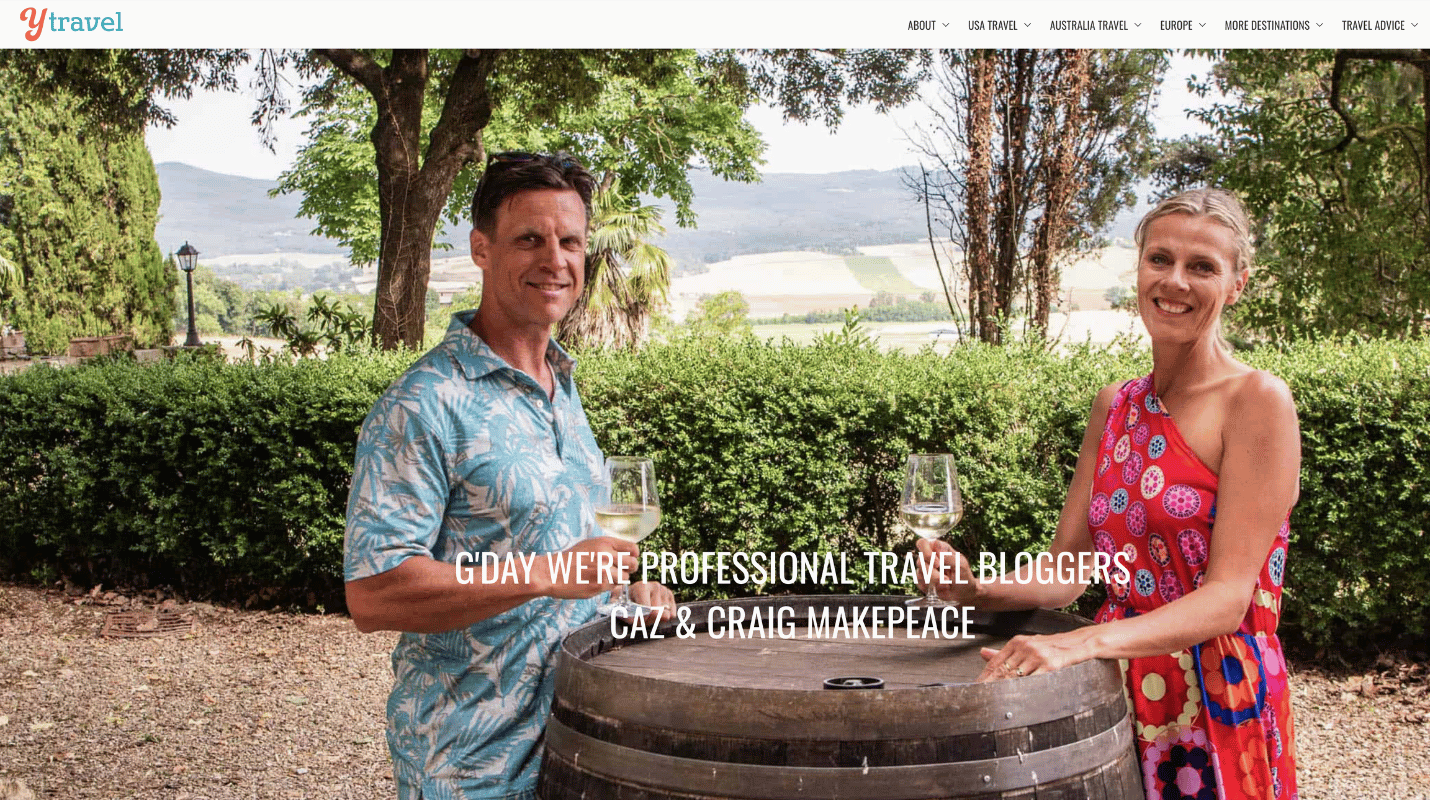
Caz and Craig, the duo behind YTravel, excel in the travel blogging niche, where compelling visuals are paramount. Their approach to personalization is deeply rooted in showcasing their family’s genuine experiences. In articles like "17 Tips for Flying With Kids to Keep You Calm and Happy," they integrate candid, family-focused snapshots that offer readers a relatable glimpse into the realities of traveling with children. Conversely, posts such as "Getting Settled in the USA + Where to Next" feature more curated, yet still approachable, photographic content. This blend of spontaneous and considered imagery allows readers to connect with the bloggers on a personal level, seeing them not just as providers of travel advice, but as a family navigating the world together. The visual narrative they construct is rich with emotion and authenticity, a key factor in their sustained readership.
2. Pat Flynn’s Smart Passive Income: Building Trust Through Openness and Humor
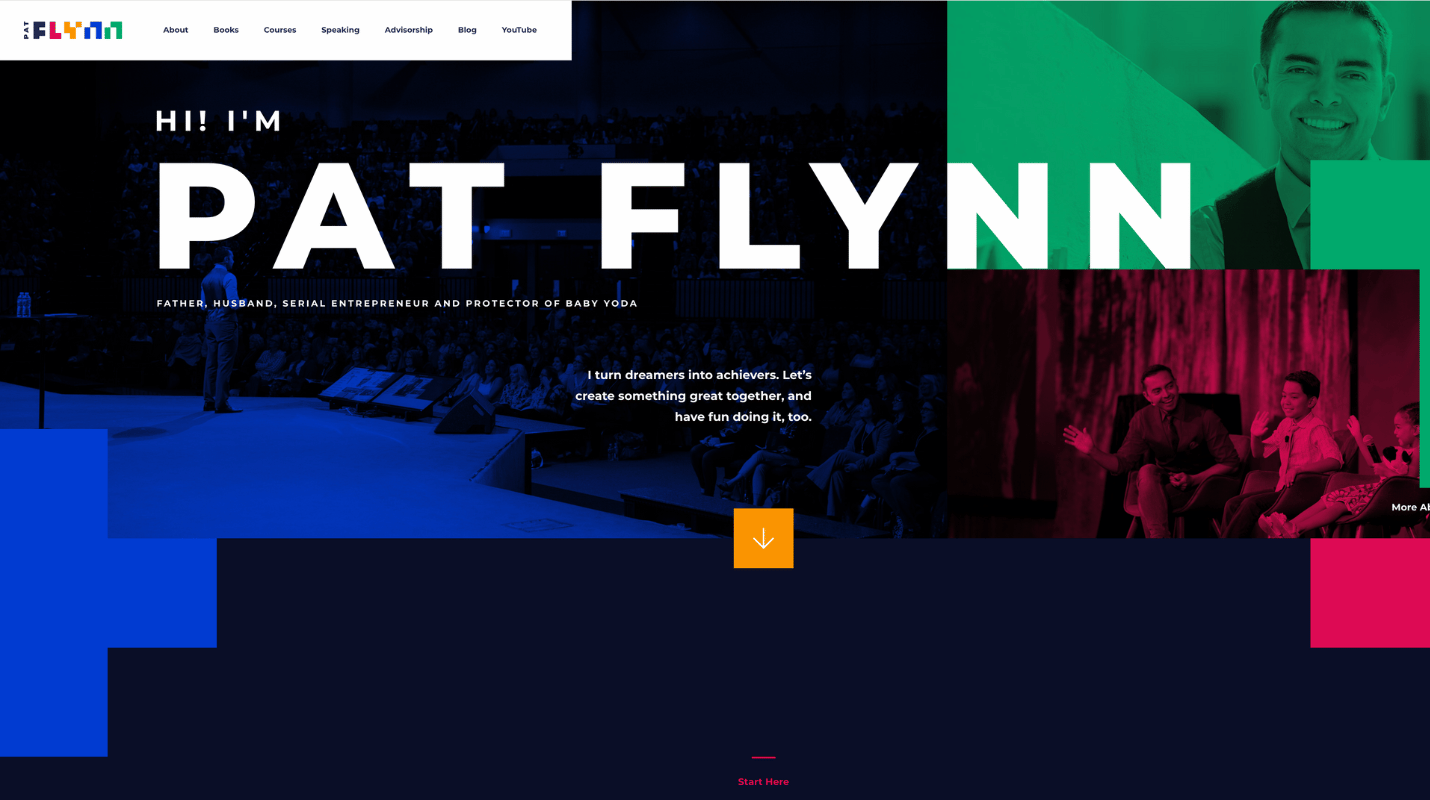
Pat Flynn, a prominent figure in the online business and entrepreneurship space, demonstrates exceptional skill in leveraging personality to build a loyal following. His website, Pat Flynn, immediately greets visitors with a bold presentation of his name and a clear, concise descriptor: "father, husband, serial entrepreneur." This directness establishes immediate rapport. Furthermore, Flynn injects his signature quirky humor, playfully identifying himself as the "protector of baby Yoda." This lightheartedness, combined with his transparent sharing of business successes and failures, creates an approachable and trustworthy persona. This authentic representation fosters a sense of community and encourages readers to engage with his content, knowing they are receiving advice from someone who is both knowledgeable and genuinely human.
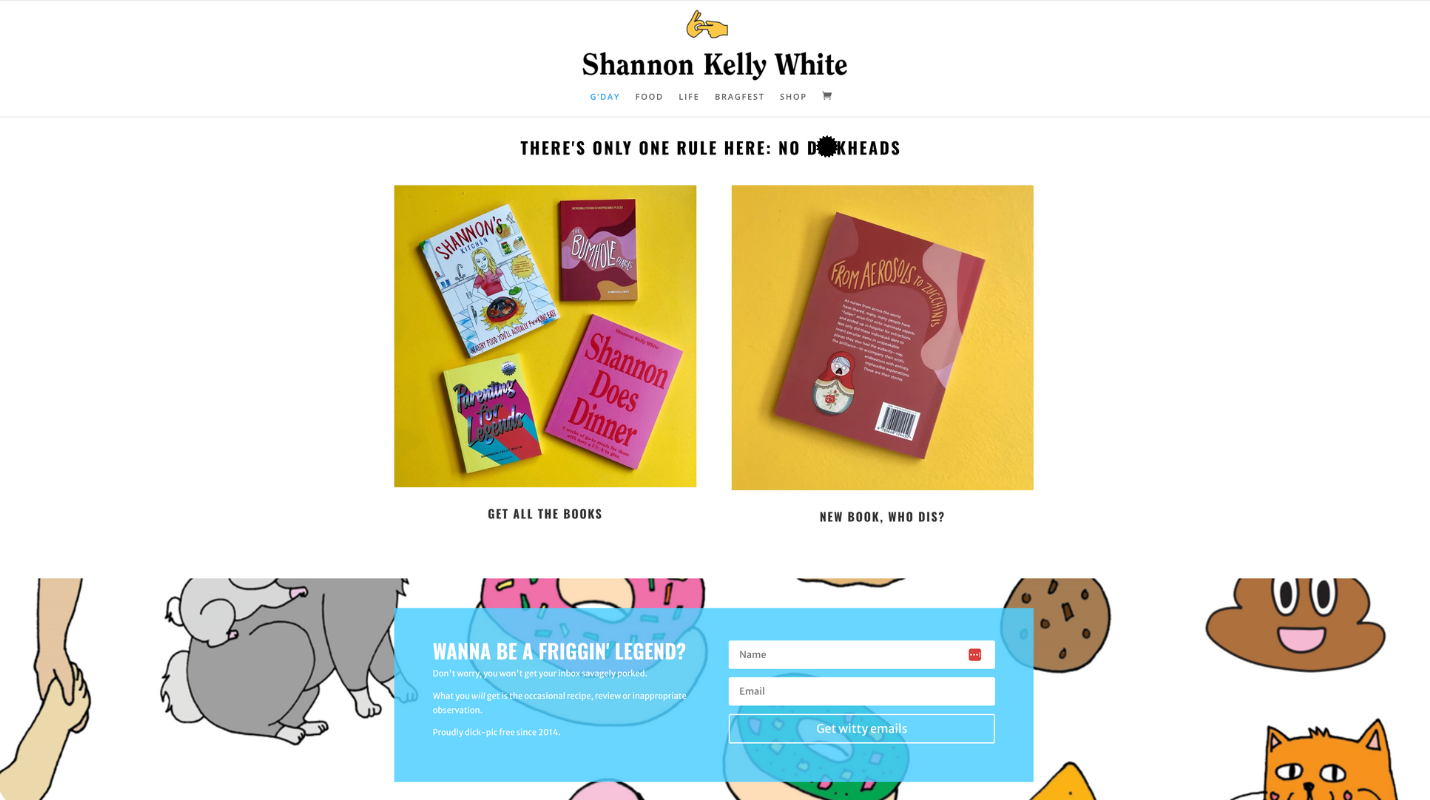
3. Shannon Kelly White: Embracing a Distinctive Voice with Unapologetic Authenticity
Shannon Kelly White’s blog serves as a compelling example of how a strong, identifiable tone can be a powerful differentiator. Her content is characterized by its unapologetic use of explicit language, a stylistic choice that intentionally polarizes her audience. While some readers are repelled by this approach, many are drawn to its raw honesty and the sense of unfiltered communication it conveys. This deliberate use of profanity, even in her tagline and navigation menus, is a clear signal of her brand identity. It cultivates a niche audience that values her directness and finds the language to be an integral part of her blog’s appeal. This strategy underscores the principle that authenticity, even when it challenges conventional norms, can be a potent tool for building a dedicated community.
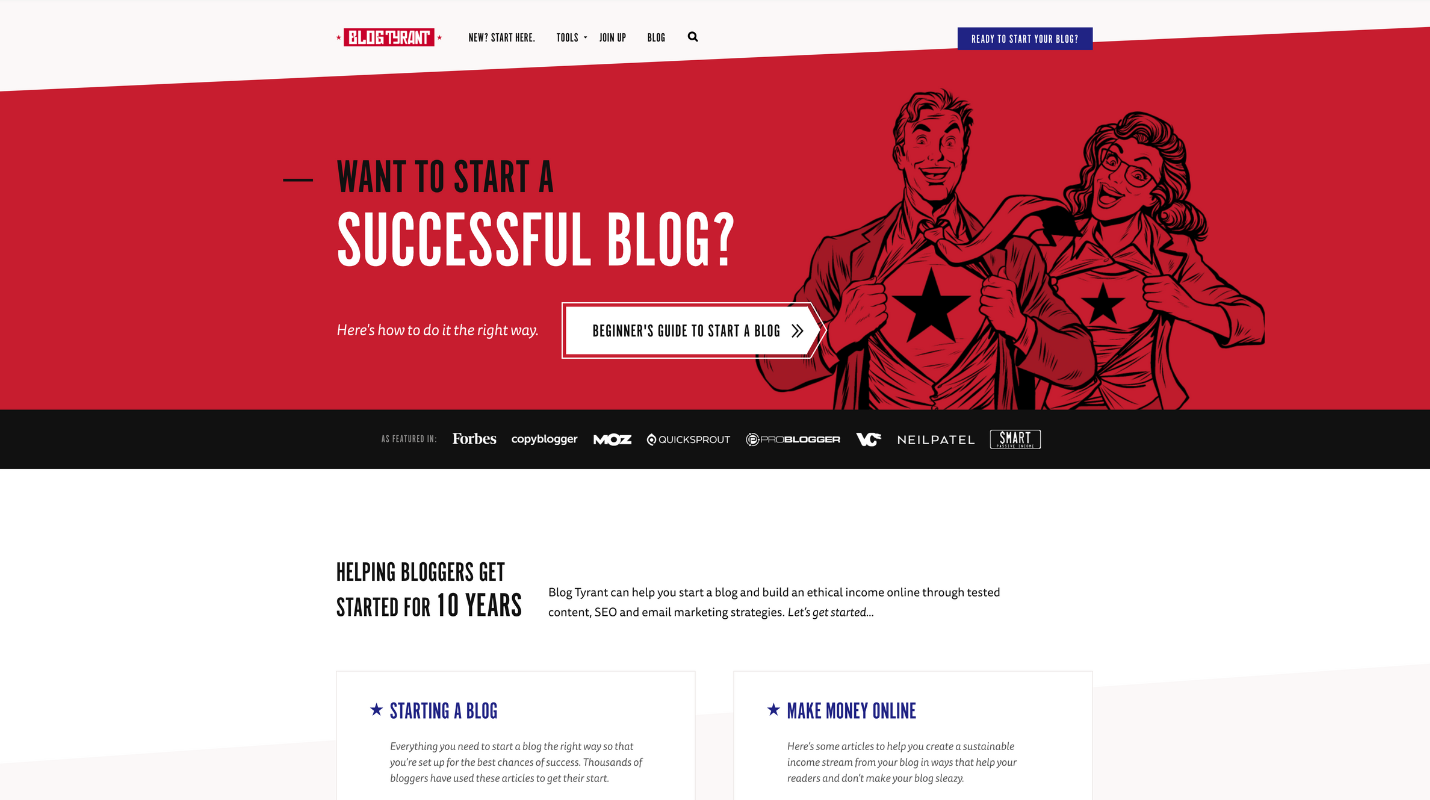
4. Ramsey’s Blog Tyrant: The Power of Visual Branding and Memorable Avatars
Ramsey, the mastermind behind Blog Tyrant, effectively employs custom illustrations to create a distinct and memorable brand identity. The instantly recognizable "blogging superhero avatar" in the red shirt, featured prominently in the site’s banner and post imagery, serves as a visual anchor for his content. This consistent visual element not only enhances brand recognition but also imbues the blog with a playful and approachable character. The avatar’s presence extends to his free reports, reinforcing his brand across different touchpoints. This strategic use of custom graphics demonstrates how visual storytelling can be a powerful component of personalization, making the blog more engaging and memorable for visitors.
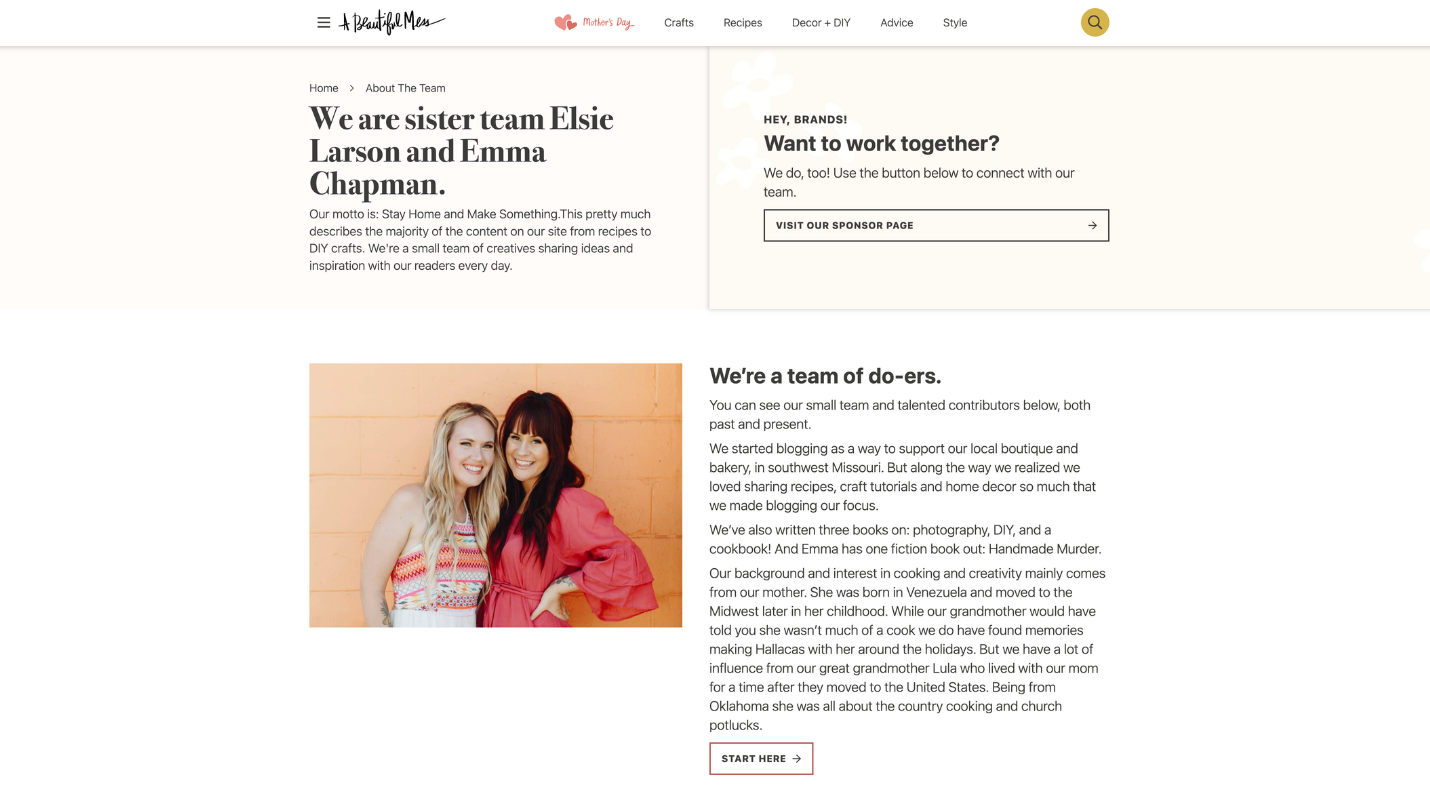
5. A Beautiful Mess: Showcasing Personality Through a Vibrant "About Page"
Elsie and Emma, the sisters behind A Beautiful Mess, understand the critical role of the "About Page" in personalizing a blog. Recognizing that new readers often seek to understand the personality behind the content, they present a stylish and inviting introduction. Their page features a bright, bold photograph accompanied by a concise and engaging narrative about who they are and what their blog represents. This immediate glimpse into their lives and passions allows visitors to establish a quick connection, fostering a sense of familiarity and encouraging further exploration of their content. The sisters’ approach highlights the importance of making this often-overlooked page a strategic tool for brand building and audience connection.
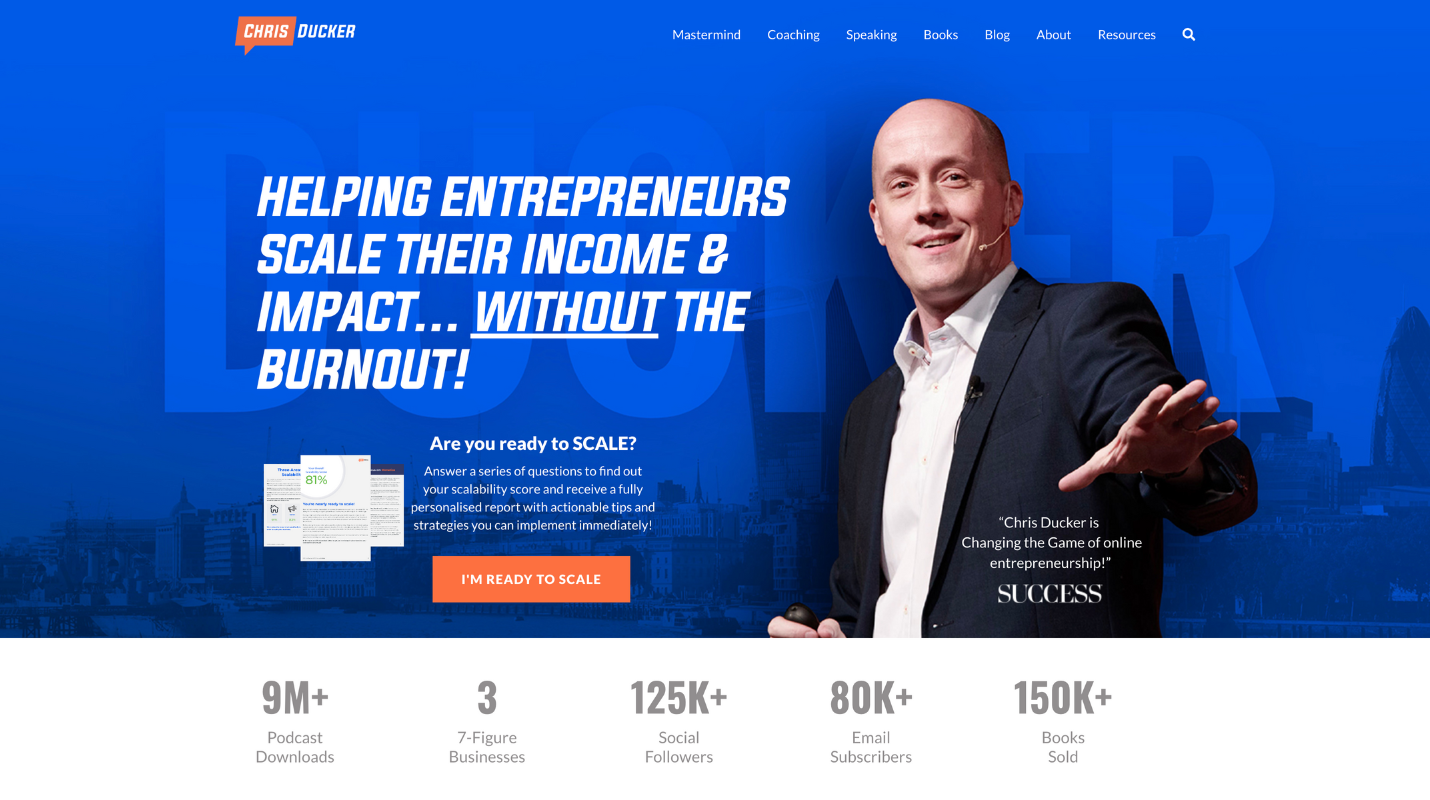
6. Chris Ducker: Consistent Branding Across All Platforms
Chris Ducker exemplifies the strategic advantage of maintaining a consistent brand identity across all online platforms. His use of the same smiling headshot on his blog posts, his "About" page, and his social media profiles (Twitter, Facebook, LinkedIn) creates a cohesive and recognizable presence. This visual uniformity reinforces his personal brand, making him instantly identifiable to his audience, regardless of where they encounter his content. This cross-platform consistency builds trust and familiarity, allowing readers to feel a sense of recognition and connection, which is vital for establishing a strong personal brand in the digital space.
7. Jadah Sellner: Leveraging Color to Enhance Brand Identity
Jadah Sellner’s blog is a masterclass in using color to amplify personality and brand cohesion. Upon visiting her site, the immediate impression is one of a carefully curated and inviting aesthetic, dominated by a beautiful color scheme. The colors of her clothing in her imagery often harmonize with the site’s overall palette, creating a seamless and intentional visual experience. This meticulous attention to color not only makes her blog visually appealing but also communicates a sense of warmth, earthiness, and thoughtful design, akin to a well-chosen makeup palette. This strategic use of color reinforces her brand’s identity and contributes to a memorable and immersive reader experience.
8. James Schramko’s SuperFastBusiness: Clarity Through Brand Statements
James Schramko, through his SuperFastBusiness platform, effectively uses a clear brand statement at the forefront of his website. This prominent declaration immediately communicates his expertise in business coaching and specifies his target audience. This upfront clarity ensures that visitors understand the core value proposition of his content and the specific demographic he aims to serve. By articulating precisely what he offers and to whom, Schramko establishes a focused brand identity that resonates with his ideal clients and readers, streamlining the audience acquisition process and reinforcing his professional positioning.
9. Kelly Exeter: Direct Taglines and Action-Oriented Calls to Action
Kelly Exeter’s blog demonstrates the power of concise communication in personalizing a brand. Her approach emphasizes the importance of a tagline that immediately clarifies her role and the benefit she offers to her ideal reader: "Your Name is a [What You Do] who helps [Your Ideal Reader]… [Do What You Offer]." This formulaic yet effective statement ensures that potential readers can quickly ascertain if the blog is relevant to their needs. Furthermore, Exeter advocates for direct and immediate calls to action, such as "FIND OUT HERE," bypassing complex subscription processes to encourage immediate engagement with her offerings. This strategy prioritizes clarity and efficiency in guiding readers toward valuable content and potential conversions.
10. Puttylike: Defining and Engaging a Niche Audience
Emily, the driving force behind Puttylike, brilliantly personalizes her blog by identifying and engaging a specific audience segment: "Multipotentialites." Her work, including a popular TED Talk, has defined this personality type, attracting individuals who resonate with this description. A particularly ingenious strategy employed on her homepage is the use of a quiz, "Are You a Multipotentialite?", as a lead magnet. This interactive element not only engages visitors but also effectively converts them into repeat readers by allowing them to self-identify with her core concept. This approach highlights the effectiveness of defining a unique audience and providing tools for them to connect with that identity through the blogger’s platform.
The Broader Implications for Content Strategy
The strategies employed by these ten bloggers underscore a fundamental shift in digital content consumption. As audiences become more discerning and inundated with information, the emphasis moves from mere content delivery to building genuine relationships. Personalization, therefore, is not just about adding a personal touch; it is a strategic imperative that impacts brand recognition, audience loyalty, and ultimately, the long-term viability of a blog.
Key Takeaways for Bloggers:
- Authenticity is Paramount: Readers can discern genuine personality from forced personas. Embrace your unique voice and perspective.
- Visuals Tell a Story: High-quality, relevant imagery can significantly enhance the personal connection with your audience, particularly in visually driven niches.
- Define Your Brand Identity: Whether through tone, visual elements, or clear statements of purpose, consistency is key to creating a memorable brand.
- Engage Your Audience: Interactive elements, clear calls to action, and a well-crafted "About Page" can foster deeper engagement and loyalty.
- Know Your Audience: Understanding who you are talking to allows you to tailor your personality and content effectively.
In conclusion, while technical SEO and content quality remain vital, the true differentiator in today’s crowded digital landscape lies in the ability of a blogger to infuse their platform with authentic personality. By drawing inspiration from these successful examples, content creators can cultivate a more meaningful connection with their readers, transforming passive visitors into an engaged and loyal community. The question for every blogger then becomes: how are you currently showcasing your unique personality, and what new strategies will you implement to forge even stronger connections with your audience?

