
Instagram, a titan in the social media landscape, has announced a significant strategic shift, commencing tests for a new video upload feature that allows creators to share "Features" videos up to 90 minutes in length. This move signals a profound departure from the platform’s aggressive pursuit of short-form, vertical video content that has largely defined the internet experience of the 2020s. For years, the question of which social media platform offers the most lucrative opportunities for content creators has had a consistent answer: YouTube. Its established revenue-sharing model has made it the undisputed champion for those seeking direct payment for their work. However, Instagram’s latest initiative could fundamentally upend this long-held hierarchy, provided the Meta-owned platform executes its strategy effectively.
The Creator Economy’s Gold Standard: YouTube’s Enduring Model
For over a decade, YouTube has been the bedrock of the professional creator economy, primarily due to its robust and transparent monetization system. The platform’s YouTube Partner Program (YPP), launched in 2007, allows eligible creators to earn a substantial share of the advertising revenue generated from their videos. Specifically, creators enrolled in the YPP receive 55% of the ad revenue YouTube collects from their content, with YouTube retaining the remaining 45%. This direct per-view payment model, intrinsically linked to ad impressions within longer video formats, has been remarkably successful.
The financial scale of YouTube’s commitment to creators is staggering. In the previous four years alone, YouTube reported paying out over $100 billion to creators, artists, and media companies globally. This figure underscores the platform’s role not just as a content host, but as a massive economic engine, fostering entire industries around video production, talent management, and digital marketing. The longevity and reliability of this model have cultivated a loyal base of creators who view YouTube as their primary income stream, often using other platforms like Instagram and TikTok merely as promotional channels to drive traffic back to their main YouTube presence.
The Short-Form Dilemma: Instagram’s Monetization Struggles
In stark contrast, Instagram, despite its massive user base and influence, has historically struggled to implement a direct, scalable monetization model for creators that rivals YouTube’s ad-share program. The platform’s initial success was built on static images, then ephemeral stories, and more recently, short-form Reels, designed to compete directly with TikTok. While these formats excel at driving engagement through quick consumption and viral sharing, they present inherent challenges for traditional advertising.
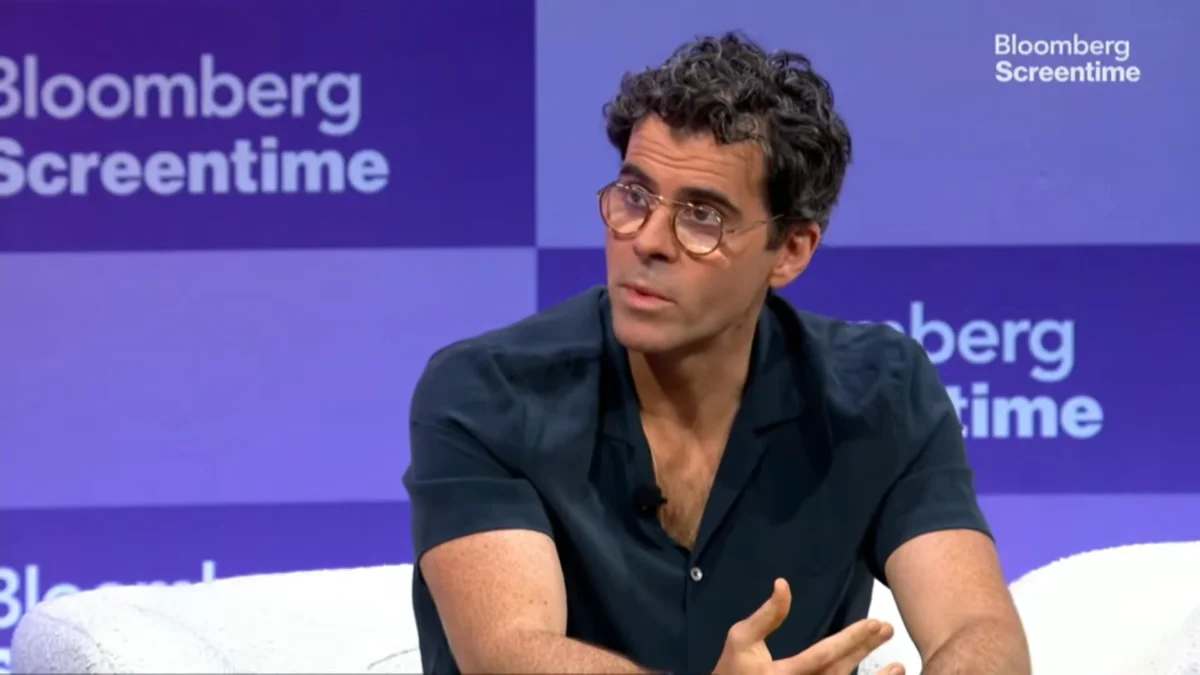
The core difficulty lies in the limited space for ad placement within short-form videos. A 15-second Reel or TikTok offers minimal opportunities for pre-roll, mid-roll, or even non-skippable banner ads without severely disrupting the user experience. As Instagram head Adam Mosseri candidly explained during an appearance on the "Colin and Samir Show," a prominent interview series focused on the creator economy, monetization on Instagram primarily revolves around indirect methods. "You can get paid by the platform directly, you can get paid by a fan, and you can get paid by a brand," Mosseri elaborated. "And right now, the way that it works on Instagram primarily is you primarily get paid by brands. Some people get paid by fans. We have still a small performance-based program, but… we spend more money than we make back by a long shot, and so it doesn’t really make sense to scale up because we’re just burning capital."
This admission highlights a critical vulnerability: Instagram’s direct monetization tools, such as subscriptions and various bonus programs, have not yet achieved profitability or scale. Creators on Instagram largely rely on brand partnerships and sponsored content, which, while lucrative for top-tier influencers, are often less consistent and accessible for a broader base of emerging creators compared to YouTube’s universal ad revenue share. This disparity has led many creators to perceive Instagram as a valuable tool for audience building and brand visibility, but not necessarily as a primary source of direct income.
A Strategic Pivot: Instagram’s Return to Long-Form
Instagram’s decision to embrace long-form video is not its first foray into this territory, nor is it a sudden, isolated move. It represents a significant strategic pivot driven by both competitive pressures and a recognition of changing content consumption habits.
-
The Ghost of IGTV Past: Eight years ago, Instagram launched IGTV, an ambitious attempt to host longer-form, vertical video content. Despite initial fanfare, IGTV failed to gain significant traction, plagued by a clunky user interface, a lack of compelling monetization for creators, and a general user preference for shorter, more digestible content on the platform. Ultimately, IGTV was deprecated and its features absorbed into the main Instagram video experience. The memory of IGTV’s failure looms large, making this new initiative a calculated risk for Meta. Lessons from IGTV’s shortcomings, particularly regarding monetization and user integration, will be crucial for the success of "Features."
-
Why Now? The Rationale Behind the Shift: Mosseri himself admitted a long-standing opposition to long-form video on Instagram, citing the superior engagement metrics of short-form content like Reels in driving shares and direct messages. However, Instagram VP of Product Tessa Lyons championed the change, ultimately convincing Mosseri to revisit the strategy. The core rationale, as articulated by Lyons, is to prevent user migration: "Reels is still going to be a core part of Instagram. But when you want to go deeper with the creators you love and the content that they’re creating, you should be able to do that on Instagram." This statement reveals Instagram’s desire to become a comprehensive destination for all types of video content, thereby keeping users within its ecosystem rather than losing them to YouTube when they seek more in-depth experiences. This "stickiness" is vital for Meta’s advertising business, as more time spent on the platform translates to more ad impressions.

New Features and Global Ambitions
The current long-form video initiative is multifaceted, introducing several interconnected features designed to create a more integrated and user-friendly experience for both creators and viewers.
- "Features" Videos: The flagship offering, allowing creators to upload videos up to 90 minutes long. This duration is substantial, opening the door for documentaries, extended vlogs, educational content, interviews, and even episodic series—content types traditionally associated with YouTube.
- "Clips as Reels": A smart integration designed to bridge the gap between short-form and long-form content. This feature enables creators to extract short, engaging snippets from their longer "Features" videos and publish them as Reels. These Reels will then serve as promotional teasers, linking viewers directly to the full-length video, effectively leveraging Instagram’s strength in viral short-form content to drive discovery for longer pieces.
- TV App Integration: Recognizing that longer content is often consumed on larger screens, Instagram is also working on allowing viewers to save longer videos to send to the Instagram app on their smart TVs. This acknowledges a fundamental shift in how users interact with video, moving beyond mobile-only consumption for extended viewing sessions.
- Improved Discovery for Live and Episodic Content: Alongside the long-form video tests, Instagram is also enhancing discovery features for Live video and developing a dedicated hub on creator profiles for episodic Reels. This suggests a broader strategy to categorize and make more discoverable various forms of serial content, drawing parallels to TikTok’s successful playlist feature.
The rollout of these features is currently in a testing phase, beginning in Brazil before expanding to a small test group in the United States. This phased approach allows Instagram to gather feedback, iterate on the features, and refine the user experience before a broader release.
The Monetization Question: Will Ads Follow?
The ultimate success of Instagram’s long-form video play hinges on its ability to provide creators with a viable and attractive monetization model. Without it, the platform risks repeating the mistakes of IGTV and failing to attract the high-quality, long-form content creators need to compete with YouTube.
-
Meta’s Calculated Ambiguity: When pressed for details on long-term monetization, a Meta spokesperson offered a carefully worded, yet non-committal, response to TechCrunch: "It’s too early to share a long-term monetization model, but we’re exploring ways for creators to earn from brands, fans, and Instagram, including performance-based incentives. Over time, we think there will be compounding benefits for creators to tell new stories, reach new audiences, and find new partners, which should lead to many monetization opportunities." While this statement avoids a direct promise of an ad-revenue share similar to YouTube, it doesn’t rule it out. The mention of "performance-based incentives" could encompass various models, including a direct share of ad revenue, bonuses for viewership, or enhanced payouts for engagement. The ambiguity likely stems from the experimental nature of the feature and the complex technical and business model challenges of implementing such a system at scale.
-
The Advertiser’s Perspective: For Meta, which derives the vast majority of its multi-billion-dollar revenue from advertising, placing ads within these new long-form videos is a logical next step. Long-form content offers numerous advantages for advertisers: more opportunities for ad breaks, higher engagement rates from dedicated viewers, and a richer context for brand messaging. Advertisers generally prefer environments where users are settled in for longer viewing sessions, as this leads to higher ad completion rates and potentially greater impact. If Instagram can demonstrate significant user engagement with "Features" videos, it could attract a new stream of advertising dollars that traditionally flow to YouTube. The critical question for advertisers will be the audience quality, targeting capabilities, and the overall return on investment compared to established video advertising channels.
Broader Implications for the Creator Landscape
Instagram’s foray into long-form video carries significant implications for the broader creator economy, potentially reshaping competition, content strategies, and user behavior.
- Intensifying Platform Wars: This move directly escalates the rivalry between Instagram and YouTube. For years, YouTube has enjoyed a near-monopoly on lucrative long-form video monetization. Instagram’s entry into this space, especially if backed by a compelling revenue-sharing model, could fragment the creator market and force YouTube to innovate further to retain its top talent. It also signifies a potential convergence of platform strategies, where major social media players increasingly aim to be all things to all users – offering short-form, long-form, live, and interactive content within a single app.
- Empowering or Confusing Creators?: For creators, this presents both an opportunity and a challenge. On one hand, it could open up a new, potentially massive audience for their long-form content, allowing them to diversify their income streams and reduce reliance on a single platform. The "Clips as Reels" feature, in particular, offers an elegant solution for cross-promotion, simplifying the creator’s workflow. On the other hand, it could add another layer of complexity to content strategy, requiring creators to adapt their production styles and distribution tactics for yet another platform’s unique demands. The fragmented attention of users across multiple platforms already creates a challenge; adding more avenues for content consumption within a single app requires careful navigation.
- The Future of Content Consumption: If successful, Instagram’s long-form initiative could fundamentally alter how users consume content on the platform. Currently, Instagram is often associated with quick scrolls and fleeting interactions. Introducing 90-minute videos could encourage users to spend longer, more intentional periods within the app, shifting it from a brief diversion to a more comprehensive entertainment hub. This evolution could also blur the lines between traditional social media and dedicated video streaming services, pushing Instagram further into direct competition with not just YouTube, but potentially even platforms like Twitch for live content, and even Netflix or Hulu for episodic narratives.
Challenges and Outlook
Despite the ambitious vision, Instagram’s long-form video endeavor faces several significant challenges. User adoption is paramount; will Instagram users, accustomed to quick, snackable content, embrace longer videos on the platform? Content quality and curation will also be critical to prevent the feature from becoming a dumping ground for low-effort uploads. Most importantly, Instagram must develop and clearly communicate a sustainable, attractive monetization model for creators. Without a compelling financial incentive, attracting top-tier long-form creators away from YouTube, or even convincing existing Instagram creators to invest heavily in longer formats, will prove difficult.
Mosseri’s concluding remarks emphasize a long-term commitment: "The thing that the team has been working on that we’re excited to share with you is trying to make it so that the short-form and the long-form video can be symbiotic… We’re going to try to support these different types of formats, both in the mobile app, but also on the TV app, which I think is… going to take some time to get right. But I’m actually very excited about it, and we’re very committed to it long term." This commitment signals that Instagram is serious about this strategic direction, understanding that building a robust long-form ecosystem will require sustained effort and investment.
The stakes are high. If Instagram can successfully integrate long-form video with a competitive monetization model, it could significantly disrupt the established creator economy, offering creators a powerful new avenue for income and audience engagement, and potentially claiming a larger share of the global digital advertising pie from its long-standing rival, YouTube. The coming months, particularly as the U.S. test expands, will be crucial in determining whether Instagram can truly transform into a dual-threat video platform capable of challenging YouTube’s reign as the creator’s most lucrative home.

