
The rapid integration of Artificial Intelligence (AI) into advertising platforms like Google Ads presents a paradigm shift, offering unprecedented capabilities for audience targeting and campaign optimization. While the focus has often been on how AI can identify and reach new and existing customers, especially when combined with first-party data and robust conversion tracking, the equally critical aspect of what AI should avoid is increasingly coming to the forefront. Effectively instructing AI on exclusions is proving to be as vital as defining target audiences, enabling advertisers to refine their reach and maximize return on investment in an increasingly sophisticated digital landscape.
For years, advertisers have relied on a foundational set of tools to steer their ad delivery away from undesirable contexts. Negative keywords have been a cornerstone of Google Ads management, acting as direct commands to the platform to withhold ads from appearing alongside specific search queries. For instance, a business selling premium, handcrafted furniture would diligently add terms like "cheap," "discount," or "used" to their negative keyword lists. This traditional approach aims to prevent ad spend on users whose immediate intent suggests a low price sensitivity, thereby safeguarding budget and improving the relevance of ad impressions. Similarly, placement exclusions have allowed advertisers to disallow their ads from appearing on specific websites or within certain apps, offering a degree of control over the ad environment.
However, the evolving nature of user search behavior, driven by nuanced intent, has revealed the limitations of these conventional methods. The advent of AI-powered search algorithms means that user intent can be inferred and acted upon in ways that transcend literal keyword matches. Consider the example of an advertiser selling high-end laptop cases. While adding "cheap" as a negative keyword is a sensible starting point, it’s insufficient. A user actively seeking a low-cost option might not explicitly type "cheap laptop case." Instead, they might search for "laptop cases," with their underlying motivation being affordability, not necessarily a desire for a premium product. In such scenarios, traditional negative keywords fail to capture the full spectrum of undesirable search intent, leaving opportunities for misdirected ad spend. This highlights a fundamental challenge: how to effectively communicate to AI the type of user to avoid, not just the specific words they might use.

The Ascendance of Text Guidelines and Asset Optimization
The most direct and impactful way to address this challenge lies in leveraging advanced AI control features, specifically text guidelines and asset optimizations. These tools, integral to modern campaign types such as Performance Max and AI Max Search campaigns, provide advertisers with the necessary "guardrails" to shape AI-driven ad creation and landing page selection. Given that AI can dynamically generate ad copy and determine the most suitable landing pages, advertisers must proactively inform the AI about their brand’s positioning and target customer profile.
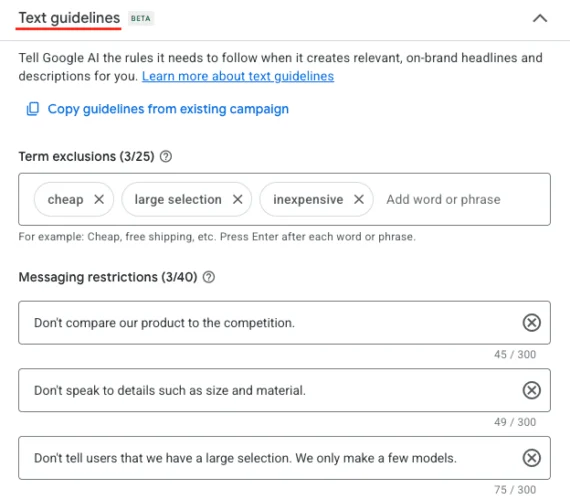
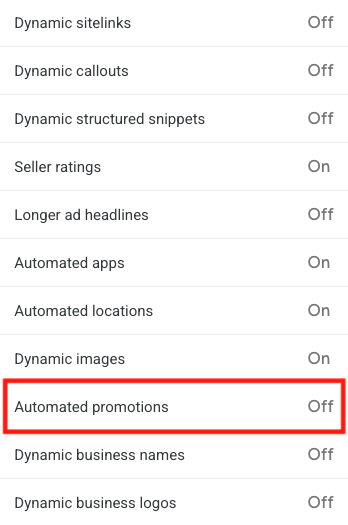
Text guidelines, in particular, serve as a critical mechanism for training the AI on who to target and, crucially, who to avoid. Imagine an advertiser specializing in a limited range of high-quality, premium laptop cases. Their objective is to attract customers willing to invest in superior craftsmanship and durability, rather than those seeking budget-friendly alternatives. By implementing text guidelines, this advertiser can explicitly instruct the AI to prioritize prospects demonstrating a higher price sensitivity and an appreciation for premium products. For instance, they might include negative keywords like "cheap," "inexpensive," and "budget" within these guidelines, alongside broader exclusionary terms such as "large selection" if their product line is intentionally curated and not mass-market. This proactive approach ensures that the AI understands the advertiser’s brand ethos and customer value proposition, steering ad delivery towards users who are more likely to convert and align with the brand’s premium positioning.
Asset optimization complements text guidelines by offering further granular control. In Performance Max campaigns, advertisers can opt to disable automated image and video enhancements, retaining full creative control. More importantly, both Performance Max and AI Max campaigns allow for text and URL exclusions within asset optimization. URL exclusions are particularly valuable, enabling advertisers to specify landing pages that the AI should not direct traffic to. For example, if a premium product has a dedicated "clearance" or "sale" page, excluding this URL from ad targeting prevents potential customers from being funneled towards discounted items, thus preserving the brand’s premium perception and ensuring that users land on pages that accurately reflect the product’s intended value. This strategic exclusion is vital for maintaining brand integrity and aligning user expectations with the actual offering.
Navigating Account-Level Automated Assets
Beneath the surface of the Google Ads interface lies a powerful, albeit often overlooked, feature: "Account-level automated assets." This feature, while potentially challenging to locate, possesses substantial implications for campaign performance and brand consistency. Google’s AI has the capability to dynamically populate various ad components, including sitelinks, callouts, images, and more, drawing from an advertiser’s account and website. Recently, automated promotions have become a notable addition, allowing Google to automatically showcase discounted items from an advertiser’s inventory.
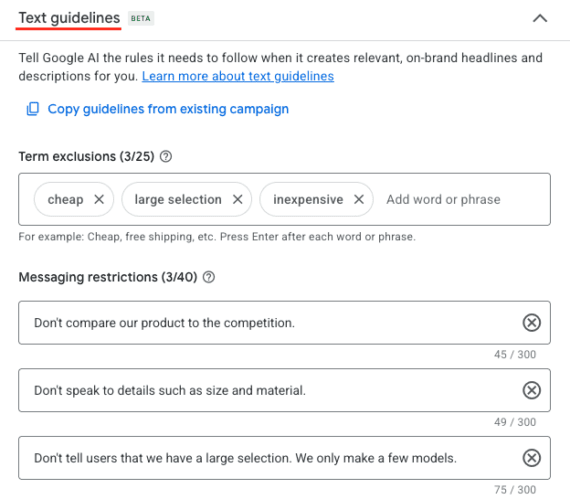
Accessing these settings typically involves navigating through "Advanced settings" within the Google Ads platform. Here, advertisers can review the status of various account-level automated assets, including automated promotions. For businesses aiming to maintain a specific brand image or control their promotional activities tightly, the ability to switch these automated features on or off is paramount. For example, if an advertiser wishes to avoid showcasing sale items or prefers to manage all promotional campaigns manually, they can disable automated promotions. This setting directly impacts the AI’s ability to independently select and display promotional content, ensuring that such decisions remain under the advertiser’s direct purview.
Furthermore, the AI’s capacity to automate the utilization of an advertiser’s name and logos requires careful management. Unless explicitly controlled, automated assets could potentially lead to inaccurate branding or an unintended association of the brand with certain contexts. Advertisers can mitigate this risk by reviewing which assets the AI has added. This is typically done by navigating to the "Assets" section in the left-hand navigation menu and applying a filter for "Added by: Google AI." This transparency allows advertisers to monitor the AI’s contributions, ensuring brand consistency and preventing potential misrepresentations. The ability to review and disable AI-generated assets is a critical layer of control, ensuring that automated elements align with strategic brand messaging and objectives.
Strategic Considerations for Optimized Targeting and Audience Expansion
In parallel to managing ad content and exclusions, advertisers must also exercise strategic control over audience expansion features. Search campaigns, by default, often target Google Search Partners and the Display Network. Similarly, campaigns utilizing Demand Gen and Video formats are frequently configured with optimized targeting and audience expansion enabled, unless explicitly instructed otherwise. These features are designed to broaden reach and discover new customer segments, potentially leading to increased conversions.
However, the aggressive nature of these automated expansion options can sometimes lead to budget dilution. If campaigns have not yet accumulated sufficient conversion data, these features might pull budget away from audiences that have already demonstrated a strong propensity to convert. The principle here is to "train the AI first." This means allowing campaigns to run for a sufficient period, gathering robust conversion data, and establishing a clear understanding of high-performing audience segments. Once this foundational data is in place, advertisers can then strategically enable optimized targeting and audience expansion, confident that the AI is building upon a solid base of verified performance.
The implications of these automated expansion tools are significant. While they promise to uncover new opportunities, their unmonitored activation can lead to inefficient spending. Data from industry reports suggests that while optimized targeting can indeed lead to an average increase in conversions, the effectiveness is highly dependent on the quality and quantity of initial data. For instance, a 2023 study by a leading digital marketing analytics firm indicated that campaigns with over 100 conversions in their initial phase saw an average uplift of 15-25% when optimized targeting was enabled. Conversely, campaigns with fewer than 50 conversions often experienced diminishing returns or even increased cost per acquisition, as the AI struggled to identify truly valuable new audiences. This underscores the importance of a phased approach, where initial campaign setup focuses on core audience definition and performance tracking before introducing broader, automated expansion strategies.
The Evolving Landscape of AI-Driven Advertising
The continuous evolution of AI in advertising platforms like Google Ads necessitates a proactive and informed approach from advertisers. While the capabilities for precise targeting and audience discovery are immense, the effective management of exclusions and the strategic deployment of automated features are equally crucial. The shift from keyword-based exclusions to intent-driven AI training through text guidelines and asset optimizations marks a significant advancement.
As AI becomes more sophisticated, its ability to understand user intent and predict behavior will only increase. This trajectory demands that advertisers remain vigilant in defining their brand parameters, target customer profiles, and desired outcomes. By mastering the nuances of AI exclusion tools, advertisers can ensure that their campaigns are not only reaching the right people but are also avoiding those who are unlikely to engage positively with their brand or offerings. This dual focus on inclusion and exclusion is the hallmark of advanced advertising strategy in the AI era, paving the way for more efficient, effective, and brand-aligned digital marketing efforts. The ability to sculpt the AI’s behavior, rather than merely react to its default settings, is becoming the defining factor in achieving sustained success in the competitive online marketplace.

