
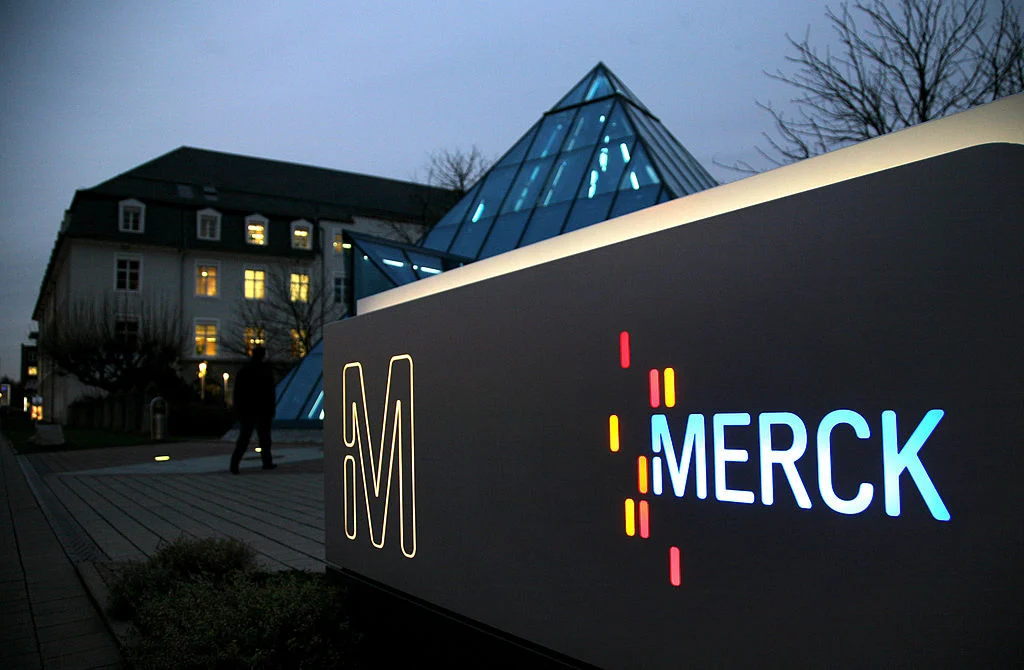
Merck KGaA, the Darmstadt-based science and technology powerhouse, has entered into a definitive agreement to acquire Silence Therapeutics, a London-headquartered biotechnology firm specializing in gene-silencing therapies, in an all-cash transaction valued at approximately $1.1 billion. The deal, announced on Monday, centers on the acquisition of divesiran, a Phase 3-ready small interfering RNA (siRNA) candidate currently being developed for the treatment of polycythemia vera (PV). This move marks a significant expansion of Merck KGaA’s healthcare pipeline, specifically targeting rare diseases and hematology through innovative platform technologies.
Under the terms of the agreement, Merck KGaA will acquire all outstanding shares of Silence Therapeutics for $20 per American Depositary Share (ADS). This price represents a 130% premium over the company’s closing stock price on the Friday preceding the announcement and an 82% premium over its 30-day volume-weighted average price. The acquisition has received unanimous approval from the boards of directors of both companies and is expected to close in the first quarter of 2027, subject to customary closing conditions, including regulatory approvals and the endorsement of Silence Therapeutics’ shareholders.
Strategic Entry into Rare Hematology
The acquisition of Silence Therapeutics provides Merck KGaA with a strategic entry point into the hematology market, a field where the company has sought to establish a more robust presence. Polycythemia vera is a rare, chronic blood cancer characterized by the overproduction of red blood cells in the bone marrow. This excess of cells increases blood viscosity, significantly elevating the risk of life-threatening cardiovascular complications, including stroke, heart attack, and deep vein thrombosis.
For decades, the standard of care for polycythemia vera has remained therapeutic phlebotomy—the periodic manual removal of blood to maintain hematocrit levels (the volume percentage of red blood cells) below the critical threshold of 45%. While effective in the short term, phlebotomy does not address the underlying biological drivers of the disease and often leads to chronic iron deficiency, fatigue, and cognitive "brain fog" in patients. By acquiring divesiran, Merck KGaA aims to offer a disease-modifying alternative that regulates red blood cell production at the molecular level.
The Science of Divesiran: A Precision siRNA Approach
Silence Therapeutics specializes in the development of siRNA therapies, a class of medicines designed to "silence" specific genes by degrading the messenger RNA (mRNA) that carries instructions for protein production. Divesiran (formerly designated as SLN124) utilizes this mechanism to target the TMPRSS6 gene in the liver.
In the human body, iron levels and red blood cell production are regulated by the hormone hepcidin. The TMPRSS6 gene produces a protein that acts as a negative regulator, or "brake," on hepcidin production. By silencing TMPRSS6, divesiran allows hepcidin levels to rise. Elevated hepcidin sequesters iron within the body’s storage cells, preventing it from entering the bloodstream where it would otherwise be used to manufacture new red blood cells. This targeted approach effectively starves the erythropoiesis process of the iron it needs, thereby controlling the symptoms of polycythemia vera without the need for invasive phlebotomy.
Clinical Evidence and Phase 2 SANRECO Results
The momentum for this acquisition was largely driven by the positive topline results from the Phase 2 SANRECO trial, which Silence Therapeutics reported in August. The study was designed to evaluate the safety and efficacy of divesiran in patients with polycythemia vera who required frequent phlebotomy.
Data from the trial demonstrated that divesiran achieved an 88% response rate, a stark contrast to the 19% response rate observed in the placebo group. A successful response was defined as a patient achieving hematocrit levels below 45% without the need for therapeutic phlebotomy. Furthermore, the trial explored two different dosing regimens: one every six weeks and another every 12 weeks.
Analysts have noted that the 12-week dosing schedule represents a significant competitive advantage. Maintaining disease control with only four subcutaneous injections per year could substantially improve patient quality of life and treatment adherence compared to existing therapies that require more frequent administration. Based on these findings, Silence Therapeutics had already outlined plans to initiate a global Phase 3 trial in the first half of 2027, a timeline Merck KGaA is expected to maintain or accelerate following the close of the deal.
Competitive Landscape in the Polycythemia Vera Market
Merck KGaA’s acquisition of divesiran places it in direct competition with several established pharmaceutical players and emerging biotech firms. The polycythemia vera market has seen a surge in innovation recently, as companies move away from traditional cytoreductive therapies like hydroxyurea.
In late August 2026, Takeda Pharmaceutical received approval for Mimrylo (rusfertide), a peptide mimetic of hepcidin. While Mimrylo has shown strong efficacy, it requires weekly injections, making divesiran’s potential 12-week dosing a major differentiator. Another key player is PharmaEssentia, whose drug Besremi (ropeginterferon alfa-2b-njft) was approved by the FDA in 2021. Besremi is typically administered every two weeks. In the second-line setting, Incyte’s Jakafi (ruxolitinib), a JAK inhibitor, remains a standard for patients who do not respond to or cannot tolerate hydroxyurea.
The pipeline for PV is also becoming increasingly crowded. Agios Pharmaceuticals is developing its own TMPRSS6-silencing siRNA, while Disc Medicine is testing an antibody that blocks the TMPRSS6 protein. Ono Pharmaceutical is also in late-stage development with sapablursen, an antisense oligonucleotide targeting the same pathway. Despite this competition, market analysts, including William Blair’s Myles Minter, suggest that divesiran’s Phase 2 profile positions it as a potential "best-in-class" therapy. With Takeda projecting peak sales of $2 billion for Mimrylo, the $1.1 billion valuation for Silence Therapeutics is viewed by many as a highly disciplined and strategic investment by Merck KGaA.
Corporate Strategy and Recent Acquisitions
The Silence Therapeutics deal is the latest in a series of targeted acquisitions by Merck KGaA intended to pivot the company toward high-growth, specialty medicine sectors. Merck KGaA has been vocal about its "Level Up" strategy, which emphasizes the addition of late-stage clinical assets and commercialized products in rare diseases and oncology.
In 2025, Merck KGaA executed a $3.9 billion acquisition of SpringWorks Therapeutics. That deal brought in Ogsiveo (nirogacestat) for the treatment of desmoid tumors and Gomekli (mirdametinib) for neurofibromatosis type 1. Additionally, the company recently exercised an option for the global commercialization rights to pimicotinib from Abbisko, a drug currently under FDA review for tenosynovial giant cell tumors.
Danny Bar-Zohar, Member of the Executive Board and CEO of Healthcare at Merck KGaA, emphasized that the Silence acquisition fits perfectly into this broader vision. "The planned acquisition provides an entry point into hematology through a biologically validated mechanism of action," Bar-Zohar stated. "With this transaction, we are advancing our efforts to build a differentiated, sustainable pipeline as we bring more medicines to more patients, faster."
Financial and Operational Integration
The transaction is structured as an all-cash acquisition of Silence Therapeutics’ entire share capital. For Merck KGaA, the $1.1 billion price tag is manageable given its strong balance sheet and recent divestments in non-core areas. Beyond the lead asset divesiran, Merck KGaA will also gain access to Silence’s proprietary mRNAi GOLD (GalNAc Oligonucleotide Discovery) platform. This technology allows for the precise delivery of siRNA to the liver, opening the door for the development of additional therapies for various liver-mediated diseases.
Iain Ross, the interim principal executive officer and chairman of Silence Therapeutics, expressed confidence in the merger. He noted that the acquisition was the result of a "competitive process" and that Merck KGaA possesses the "scale and resources" necessary to maximize the global potential of the siRNA platform. For Silence shareholders, the deal provides immediate liquidity at a significant premium, reflecting the de-risked nature of the divesiran asset following its successful Phase 2 results.
Chronology of Key Events
The path to this acquisition was paved by several years of clinical development and strategic maneuvering:
- 2021-2023: Silence Therapeutics advances SLN124 (divesiran) through early-stage trials, demonstrating the safety of TMPRSS6 silencing.
- August 2026: Silence announces positive topline results from the Phase 2 SANRECO trial, showing an 88% response rate and the viability of 12-week dosing.
- Late August 2026: Takeda’s Mimrylo receives FDA approval, validating the hepcidin-based approach to PV treatment.
- October 2026: Merck KGaA and Silence Therapeutics announce the $1.1 billion acquisition agreement.
- Early 2027 (Projected): Closing of the transaction following shareholder and regulatory approvals.
- First Half 2027 (Projected): Commencement of the pivotal Phase 3 study for divesiran under Merck KGaA’s leadership.
Broader Implications for the siRNA Sector
The acquisition of Silence Therapeutics also underscores the growing maturity and attractiveness of the siRNA sector. Once considered a volatile and difficult-to-deliver modality, siRNA has gained mainstream pharmaceutical acceptance following the successes of companies like Alnylam Pharmaceuticals and Arrowhead Pharmaceuticals. By acquiring a validated platform and a Phase 3-ready asset, Merck KGaA is positioning itself alongside other major players who have heavily invested in RNA interference, such as Novartis and Roche.
As the industry moves toward the first quarter of 2027, the focus will shift to the integration of Silence’s research teams into Merck KGaA’s global R&D infrastructure. The success of this deal will ultimately be measured by the clinical performance of divesiran in its upcoming Phase 3 trials and its ability to capture market share from more frequent injectable therapies. If successful, Merck KGaA will have secured a cornerstone asset in the hematology market, providing a long-term revenue stream and a foundation for further innovation in rare blood disorders.

