
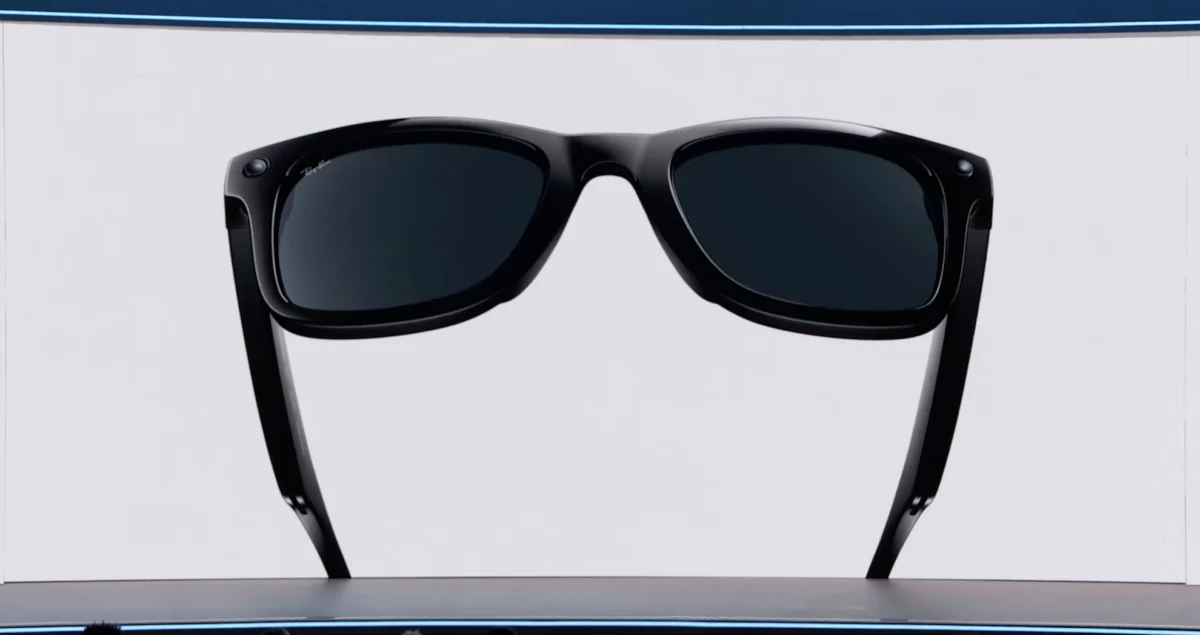
Confirming earlier industry reports and strategic leaks, Meta officially unveiled its inaugural line of camera-free AI-powered smart glasses, branded as the Ray-Ban Meta Audio, during its highly anticipated Connect 2026 conference on Wednesday. This launch represents a significant strategic pivot for the tech giant, directly addressing persistent public apprehension and widespread criticism surrounding the privacy implications of camera-equipped wearable devices. Designed specifically to circumvent the controversies that led to previous AI glasses being pejoratively labeled "pervert glasses" by some segments of the public, these new audio-only devices prioritize discretion and functionality, offering users a seamless integration of audio communication, media consumption, and intelligent assistance without visual recording capabilities. The Ray-Ban Meta Audio glasses are engineered to provide a comprehensive suite of features, including high-fidelity music and podcast playback, crystal-clear call management, real-time speech translation, and direct interaction with Meta’s proprietary AI assistant, Muse. This innovative offering is poised to redefine expectations for wearable technology by focusing on an audio-first experience, aiming to rebuild consumer trust and expand the market for smart eyewear.
The meticulous design and development of the Ray-Ban Meta Audio glasses are the result of a continued collaboration between Meta and its long-standing partner in advanced eyewear, EssilorLuxottica, the global leader in optical products. This partnership leverages EssilorLuxottica’s unparalleled expertise in fashion-forward eyewear design and precision manufacturing with Meta’s cutting-edge AI and hardware innovation. The new audio-centric glasses will be available starting at an accessible price point of $349, positioning them competitively within the premium audio wearable market. This strategic pricing, combined with the deliberate exclusion of a camera, is intended to broaden their appeal and make them an attractive alternative for consumers wary of the privacy trade-offs associated with earlier smart glass iterations.
The Genesis of a Privacy-Focused Wearable: Ray-Ban Meta Audio
Meta’s decision to launch a camera-free smart glass product is not merely an incremental update but a foundational shift in its wearable strategy, directly influenced by years of public discourse and user feedback regarding privacy. While Meta currently offers a diverse portfolio of AI glasses, featuring various styles, colors, and functionalities, the introduction of the audio-only variant is a calculated move to mitigate the considerable reputational damage incurred by its predecessors. Previous camera-equipped AI glasses, despite their technological prowess, became subjects of intense scrutiny, with critics widely documenting instances of individuals, often men, using these devices to covertly record videos and capture images without the explicit consent or even awareness of their subjects. High-profile reports from outlets like SFGate, CBS News, and CNN highlighted these malicious use cases, contributing to a pervasive "creepiness factor" that hampered mainstream adoption and fostered public distrust.
Meta had previously attempted to address these privacy concerns through software and hardware modifications. One notable effort included an update designed to disable the camera functionality if the small LED indicator light, which signals active recording, was tampered with or obscured. However, these technical safeguards proved insufficient to fully assuage public anxieties. The inherent potential for surreptitious recording remained a significant psychological barrier for many consumers, leading to a persistent perception of smart glasses as intrusive rather than assistive. The Ray-Ban Meta Audio glasses represent a bold reimagining of what smart eyewear can be, stripping away the controversial visual recording capabilities to focus solely on an uncompromised audio-first experience. This strategic move is expected to resonate positively with privacy-conscious consumers, potentially allowing the brand to recover from past reputational setbacks and establish a new benchmark for ethical wearable technology. Moreover, this latest device positions Meta to directly compete with established audio wearables, such as Apple’s Siri-powered AirPods, by offering a more integrated and discreet form factor for intelligent audio interaction.
During his keynote address at Connect 2026, Meta CEO Mark Zuckerberg articulated the company’s vision behind this new category. "Once you get used to high-quality audio, it’s just a thing that you want all the time, right?" Zuckerberg remarked, emphasizing the profound impact of seamless, high-fidelity audio on daily life. He further elaborated that through extensive research and development, Meta recognized the untapped potential to design an entirely new category of glasses centered exclusively around advanced audio capabilities. This statement underscores Meta’s commitment to exploring diverse avenues within the wearable tech space, moving beyond a singular focus on visual capture to embrace the broader spectrum of ambient computing experiences.
Enhanced Design, Uncompromised Comfort, and Extended Endurance
The absence of an integrated camera module has afforded EssilorLuxottica’s design team unprecedented freedom to refine the physical attributes of the Ray-Ban Meta Audio glasses. This crucial design choice results in a significantly slimmer profile compared to Meta’s camera-equipped models, making them aesthetically more akin to traditional eyewear. Weighing a mere 43 grams, these glasses are remarkably lightweight, ensuring extended comfort for all-day wear. The ergonomic design further incorporates adjustable temple tips and swappable nose pads, allowing for a personalized and secure fit for a diverse range of facial structures. Overextension hinges contribute to the durability and flexibility of the frames, enhancing their resilience to daily use.
A key highlight of the Ray-Ban Meta Audio is its impressive battery life. Meta claims up to 12 hours of continuous usage on a single charge, a substantial duration that supports extended listening sessions, numerous calls, and prolonged AI interactions throughout a typical day. For users requiring even greater endurance, the included charging case extends the total battery life to an astonishing 48 hours. This robust power solution ensures that users can rely on their smart glasses for multiple days without needing access to a power outlet, making them ideal companions for travel, outdoor activities, or busy workweeks.
Beyond their functional prowess, the Ray-Ban Meta Audio glasses are designed with a strong emphasis on style and personalization. They will be available in an extensive array of 23 color and lens combinations, offering unparalleled customization options to match individual preferences and fashion sensibilities. The collection introduces two distinct new frame styles: a retro-inspired "Clubmaster" Ray-Ban design, evoking classic elegance, and the "Burbank," characterized as a "classic, timeless, rectangle shape" that offers broad appeal. In line with Meta’s commitment to accessibility and practical utility, customers will also have the option to order the Ray-Ban Meta Audio with their optical prescription, seamlessly integrating smart technology into their essential eyewear. Preorders for these innovative glasses are slated to commence on October 13, building anticipation for their market debut.
A Broader Vision: Meta Connect 2026 Unveils Comprehensive AI Glasses Ecosystem

While the Ray-Ban Meta Audio glasses garnered significant attention for their privacy-centric design, Meta Connect 2026 also served as a platform to unveil the next generation of its camera-enabled AI glasses, the Ray-Ban Meta (Gen 3). This simultaneous launch signals Meta’s diversified strategy: catering to different user segments with varying privacy comfort levels and functional requirements. The Gen 3 camera glasses build upon the foundation of the existing Ray-Ban Meta Wayfarer style, introducing two sophisticated new frame options: the iconic "Aviator" and the contemporary "Zena," the latter featuring an elegant cat-eye frame shape designed to appeal to a wider fashion demographic.
The Ray-Ban Meta (Gen 3) boasts substantial technological advancements. It integrates a powerful 12-megapixel camera capable of capturing stunning 3K Ultra HD video, offering superior visual fidelity compared to previous generations. An advanced six-microphone array enhances audio capture, ensuring crisp and clear recordings and facilitating more accurate voice commands and conversations. Despite these sophisticated capabilities, the Gen 3 glasses maintain an impressive battery life of up to nine hours, allowing users to capture moments and interact with their environment for extended periods.
Furthermore, Meta announced an expanded lineup of styles and colors for its existing EssilorLuxottica co-branded smart glasses, underscoring the success and continued investment in this partnership. In a move to bolster brand appeal and market reach, Meta revealed a new high-profile collaboration with globally renowned singer Lisa, following its earlier successful brand partnership with influencer Kylie Jenner. These strategic alliances with cultural icons aim to position Meta’s smart glasses as desirable fashion accessories, transcending their technological utility. Meta also confirmed plans for a broader global rollout of its smart glasses portfolio, indicating an aggressive strategy to penetrate new international markets and expand its user base.
The Central Role of Muse AI and Future Software Enhancements
A unifying element across all of Meta’s AI glasses, both the new audio-only and the camera-enabled Gen 3 models, is the omnipresent access to its cutting-edge personal AI assistant, Muse. Muse is designed to provide a highly personalized and context-aware intelligent experience, acting as a seamless interface between the user and the digital world. Its integration allows for intuitive voice control, proactive information delivery, and intelligent assistance across a myriad of daily tasks, from managing schedules and retrieving information to facilitating communication and controlling smart home devices.
Beyond the hardware announcements, Meta teased a roadmap of compelling software updates and features slated for future release across its entire AI glasses ecosystem. These enhancements promise to further enrich the user experience and expand the utility of the devices. Key updates include support for Dolby Atmos Capture, which will enable immersive, spatial audio recording, elevating the quality of recorded content. A "best photo from multiple frames" feature will leverage AI to intelligently select the optimal image from a burst of shots, ensuring users always capture the perfect moment. Options to choose between landscape or portrait modes will provide greater creative flexibility for content creators. Hearing enhancements are also planned, designed to assist individuals with hearing loss by amplifying relevant sounds and clarifying speech, making the glasses more inclusive. More detailed and nuanced AI responses will improve the quality of interactions with Muse, making conversations feel more natural and informative. Different audio modes will allow users to customize their listening experience based on their environment or activity, while customizable controls will offer greater personalization of device functions.
Crucially, Meta also highlighted a forthcoming feature called "private processing," which the company claims will prevent Meta from accessing or viewing users’ sensitive data. This initiative represents a direct response to ongoing privacy concerns and underscores Meta’s intent to build user trust by offering robust data protection mechanisms. If successfully implemented and transparently communicated, "private processing" could be a significant differentiator, reassuring users that their personal interactions and data remain confidential and secure, thereby fostering greater confidence in Meta’s AI-powered wearables. This multifaceted approach, combining innovative hardware, strategic partnerships, and a strong commitment to software development and user privacy, positions Meta to solidify its presence in the evolving landscape of wearable technology.
Implications and Future Outlook: Rebuilding Trust in Ambient Computing
The launch of the Ray-Ban Meta Audio glasses signals a strategic inflection point for Meta in the wearable technology market. By deliberately removing the camera, Meta is making a clear statement about its renewed focus on user privacy and comfort, aiming to shed the controversial image that has plagued smart glasses for over a decade. This move is not without its risks; some might view it as a retreat from the original vision of visually immersive AR, but it simultaneously opens up a vast, less contentious market segment. The audio-only approach positions Meta to capitalize on the growing demand for discreet, hands-free intelligent assistants and high-quality audio experiences, potentially appealing to a broader consumer base that values convenience and privacy above all else.
The success of the Ray-Ban Meta Audio will hinge on several factors. Firstly, consumer perception and adoption will be critical. If the "creepiness factor" can be effectively neutralized, these glasses could become a ubiquitous tool for communication, information access, and entertainment. Secondly, the performance and seamless integration of Muse AI will be paramount. A truly intuitive and helpful AI assistant, accessible directly through stylish eyewear, could create a compelling daily use case that traditional earbuds or smartphones cannot fully replicate. Lastly, the continued partnership with EssilorLuxottica is a significant asset, ensuring that Meta’s smart glasses maintain a strong fashion appeal, differentiating them from purely utilitarian tech gadgets.
From a broader industry perspective, Meta’s pivot could influence how other tech companies approach wearable development. It validates the idea that not all smart glasses need cameras to be useful, potentially encouraging innovation in audio-centric AR or other specialized wearable functions. The emphasis on "private processing" also reflects a growing industry trend towards enhanced data security and user control, which will likely become a standard expectation for future AI-powered devices.
Ultimately, the Ray-Ban Meta Audio glasses represent more than just a new product launch; they embody Meta’s evolving strategy in the ambient computing era. They are a test of whether a major tech company can learn from past mistakes, adapt to public sentiment, and successfully carve out a niche in a highly competitive and scrutinized market. If successful, these camera-free glasses could serve as a crucial stepping stone towards a future where AI-powered wearables are not just technologically advanced, but also widely accepted, trusted, and seamlessly integrated into the fabric of everyday life.

