
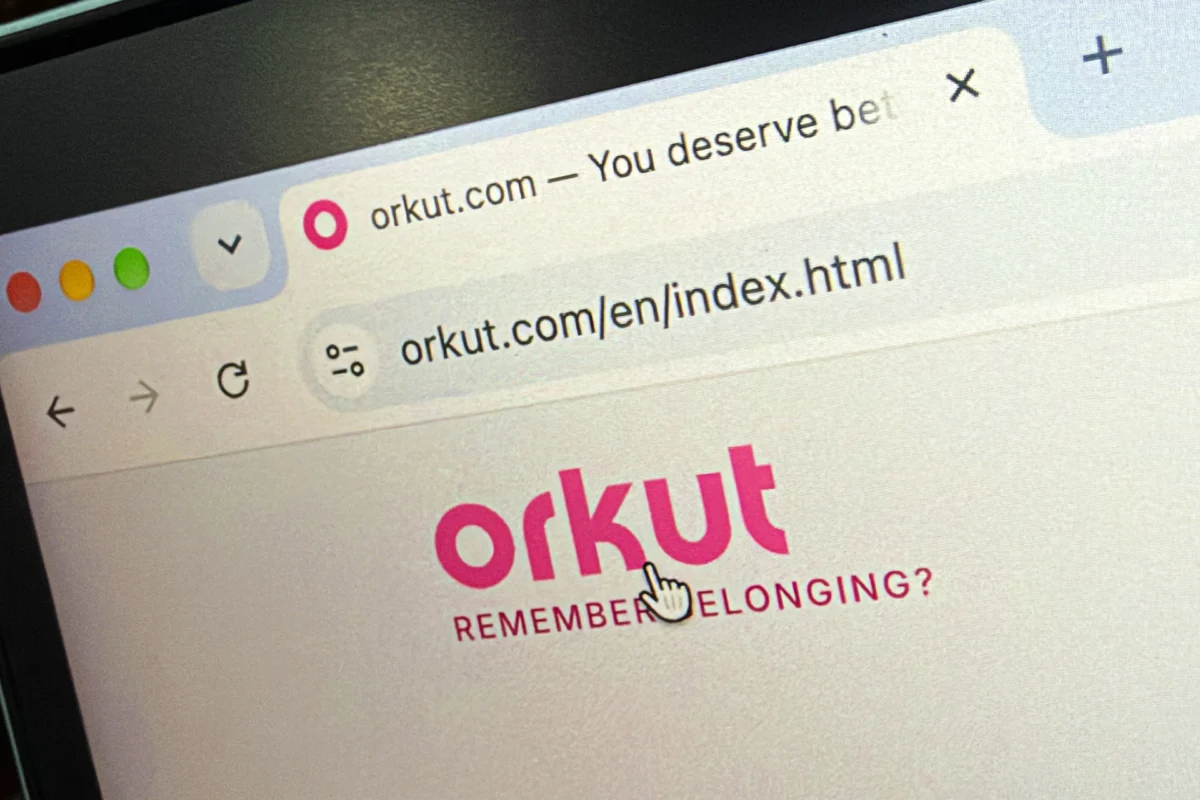
Orkut Büyükoğlu, the visionary behind the once-ubiquitous social networking platform Orkut, has issued a public plea to former users and new enthusiasts alike, signaling a potential resurgence for the platform that ceased operations over a decade ago. His call to action, articulated through a post on X (formerly Twitter) on Thursday and a poignant letter published on Orkut.com, emphasizes a renewed commitment to fostering genuine friendship, authentic community, and profound human connection, starkly contrasting what he perceives as the increasingly artificial and algorithm-driven nature of contemporary social media. This initiative marks a significant attempt by Büyükoğlu to reclaim a space in the digital sphere, driven by a philosophy that prioritizes the human element above all.
Büyükoğlu, 51, explicitly urged individuals to visit Orkut.com, register their support, and extend invitations to others, underscoring the collective effort required to breathe new life into the defunct network. His message resonates with a sense of nostalgia for an earlier, perhaps purer, form of online interaction, suggesting a desire to rewind the clock on social media’s evolution. The founder’s impassioned appeal posits that the internet, and specifically social networking, has strayed from its foundational promise, becoming diluted by the very technologies intended to enhance it.
A Retrospective: Orkut’s Ascendance, Dominance, and Decline
Orkut’s journey began in 2004 as a passion project by Büyükoğlu during his tenure at Google. Launched at a time when the internet was still nascent in many parts of the world, and social media was largely uncharted territory, Orkut quickly distinguished itself. Unlike Friendster or MySpace, which dominated the U.S. market, Orkut found an unexpected and fervent user base in emerging economies, particularly Brazil and India.
In these countries, Orkut became more than just a social network; it evolved into a cultural phenomenon. Its appeal lay in its simplicity, its emphasis on communities (through its ‘communities’ feature), and the ability for users to leave ‘testimonials’ for friends, fostering a sense of personal validation and connection. In India, for instance, Orkut became the primary gateway for millions to experience social networking, providing a platform for expression, friendship, and cultural exchange. By its peak, Orkut boasted approximately 300 million active users worldwide, with a significant majority concentrated in Brazil and India, where it often outperformed other global platforms for several years.
However, the landscape of social media was rapidly shifting. The mid-to-late 2000s saw the meteoric rise of Facebook, which, with its cleaner interface, sophisticated algorithms, and aggressive global expansion strategy, began to chip away at Orkut’s market share. Facebook’s focus on a single, global identity, coupled with its mobile-first approach, proved particularly compelling as smartphone adoption surged. Orkut, by contrast, struggled to adapt swiftly to the mobile revolution and faced challenges in innovation and user experience compared to its increasingly agile competitors.
Google’s broader social networking ambitions also played a role in Orkut’s eventual fate. The tech giant launched Google+ in 2011, a more direct competitor to Facebook, which drew significant resources and strategic focus away from Orkut. Despite its loyal user base, Orkut was ultimately deemed non-strategic by Google, leading to its official shutdown in September 2014. Google cited its desire to concentrate efforts on other platforms, including Google+ and YouTube, as the primary reason for decommissioning the service. The closure was met with widespread dismay and nostalgia from its dedicated users, particularly in Brazil and India, who mourned the loss of a platform that had defined their early online social lives.
The Philosophical Underpinnings of a Comeback: A Critique of Modern Social Media
Büyükoğlu’s recent letter on Orkut.com is not merely an announcement of a potential revival; it is a profound critique of the current state of social media. He expresses deep concern over the escalating influence of algorithms and AI-generated content, arguing that these technologies are "dissolving the one premise that made social networking special and worth building: that there was a person on the other side." This statement highlights a fundamental philosophical divergence from the prevailing trends in digital communication.
His argument posits that while artificial intelligence represents an "extraordinary technology," its pervasive integration into social platforms has inadvertently dehumanized online interactions. The shift from genuine, unmediated connection to algorithmically curated feeds and AI-driven content suggestions, Büyükoğlu contends, erodes the authenticity that once characterized social networks. He envisions a return to a "rebuilt internet" centered on "authentic people, real connection, and genuine belonging." This vision stands in stark contrast to the current paradigm, where platforms are often optimized for engagement metrics, sometimes at the expense of user well-being and genuine interaction.
This perspective resonates with a growing segment of the internet populace that feels fatigued by the superficiality, polarization, and performative aspects of mainstream social media. Concerns about data privacy, mental health impacts, and the spread of misinformation, often amplified by algorithmic systems, have led many to seek alternative, more intimate online spaces. Büyükoğlu’s proposal taps into this sentiment, offering a potential refuge from the perceived excesses of the modern digital age.
A Pattern of Re-Entry: Büyükoğlu’s Prior Ventures
The current call for Orkut’s revival is not Büyükoğlu’s first attempt to re-enter the social networking arena. His commitment to creating meaningful online connections has been a consistent thread in his post-Orkut career.
In 2016, just two years after Orkut’s shutdown, he launched "Hello," another social network designed to connect people through shared interests and passions. Hello aimed to foster community around specific hobbies and activities, moving beyond the broad, often overwhelming, friend-centric model of platforms like Facebook. The platform garnered over 2 million downloads worldwide, indicating a certain level of interest in Büyükoğlu’s approach. However, despite its innovative premise, Hello struggled to achieve the critical mass necessary to sustain itself in a market dominated by established giants. It eventually ceased operations in 2020, demonstrating the formidable challenges of launching a new social network from scratch, even with a recognizable founder at the helm.
More recently, Büyükoğlu hinted at another venture. In 2022, a cryptic note appeared on Orkut.com stating he was "building something new," though no further details were provided. Two years later, in an interview with WIRED, he elaborated, mentioning he was working on a social network that would "leverage AI and machine learning" to bring people together and build communities. This particular statement introduces a fascinating paradox: while his current revival plea for Orkut explicitly criticizes AI’s role in dissolving human connection, his previously hinted project suggested an intention to leverage AI. This indicates a nuanced understanding of AI’s potential, perhaps aiming to use it as a tool for connection rather than a replacement for it, or it signals a shift in his strategic thinking between 2022 and now. That platform has yet to launch, leaving open the question of its design and how it would reconcile with his current anti-AI stance.
Challenges and Opportunities for a Modern Orkut
The prospect of Orkut’s return, while exciting for former users, faces monumental challenges in today’s hyper-competitive and mature social media landscape.
Challenges:
- Market Saturation: The social media market is dominated by behemoths like Meta (Facebook, Instagram, WhatsApp), TikTok, YouTube, and X. User attention is fragmented, and switching costs, both emotional and practical, are high.
- Network Effect: Social networks thrive on the network effect – the more users a platform has, the more valuable it becomes to each user. Rebuilding this from scratch, especially after a decade-long hiatus, is incredibly difficult.
- User Acquisition: Attracting new users and reactivating old ones requires substantial marketing budgets and innovative strategies. The nostalgia factor is potent but may not be enough to sustain long-term growth.
- Monetization: Any platform needs a viable business model. How will a privacy-focused, human-centric Orkut generate revenue without resorting to the data-driven advertising models that Büyükoğlu criticizes?
- Trust and Data Privacy: Users are now far more aware and wary of how their data is collected and used. A new Orkut would need to build robust privacy safeguards and transparent policies to earn user trust.
- Technological Debt: If the original Orkut codebase is considered, it would be significantly outdated. A new platform would require a complete rebuild with modern infrastructure, security, and scalability.
Opportunities:
- Nostalgia Factor: The strong emotional attachment of former users in India and Brazil presents a unique marketing advantage. The "Orkut is back" narrative could generate significant initial buzz.
- Demand for Authenticity: Büyükoğlu’s critique of AI and algorithms aligns with a growing user desire for more authentic, less performative online interactions. A platform genuinely focused on human connection could carve out a niche.
- Privacy-First Movement: As users become more privacy-conscious, a platform that truly prioritizes user data protection could differentiate itself.
- Community Focus: Orkut’s original strength lay in its communities. A modern iteration could lean into this, offering robust tools for niche groups and shared interests, reminiscent of early internet forums but with modern conveniences.
- Founder’s Vision: Büyükoğlu’s clear, principled vision for social media could attract a dedicated user base seeking an alternative to mainstream platforms.
Implications and Broader Impact
The potential return of Orkut could have several broader implications for the social media industry. Firstly, it would serve as a fascinating test case for the power of nostalgia and the viability of a "back-to-basics" approach in an increasingly complex digital world. If successful, it could inspire other founders to challenge the current paradigm, emphasizing user well-being and genuine interaction over relentless engagement metrics.
Secondly, Büyükoğlu’s strong stance against the uncritical adoption of AI in social networking could fuel ongoing debates about the ethical implications of artificial intelligence. His argument that AI "dissolves the premise" of human connection adds a powerful voice to the discourse, potentially influencing how future social platforms are designed and regulated.
However, the lack of clarity regarding the project’s development status remains a critical point. Büyükoğlu has not specified whether a new version of Orkut is actively being developed or if this is merely a gauging of public interest before committing resources. An email sent to Orkut seeking further comment from Büyükoğlu did not elicit an immediate response, leaving many questions unanswered about the practical roadmap for this ambitious undertaking.
In an era dominated by algorithmic feeds and the looming presence of generative AI, Orkut Büyükoğlu’s call to revive Orkut represents more than just a nostalgic trip down memory lane. It is a bold proposition to redefine the very essence of social networking, challenging the prevailing ethos and advocating for a digital future where human connection remains unequivocally at the core. Whether this vision can translate into a tangible, thriving platform in the fiercely competitive digital landscape of today remains to be seen, but the conversation it ignites is undeniably significant.

