
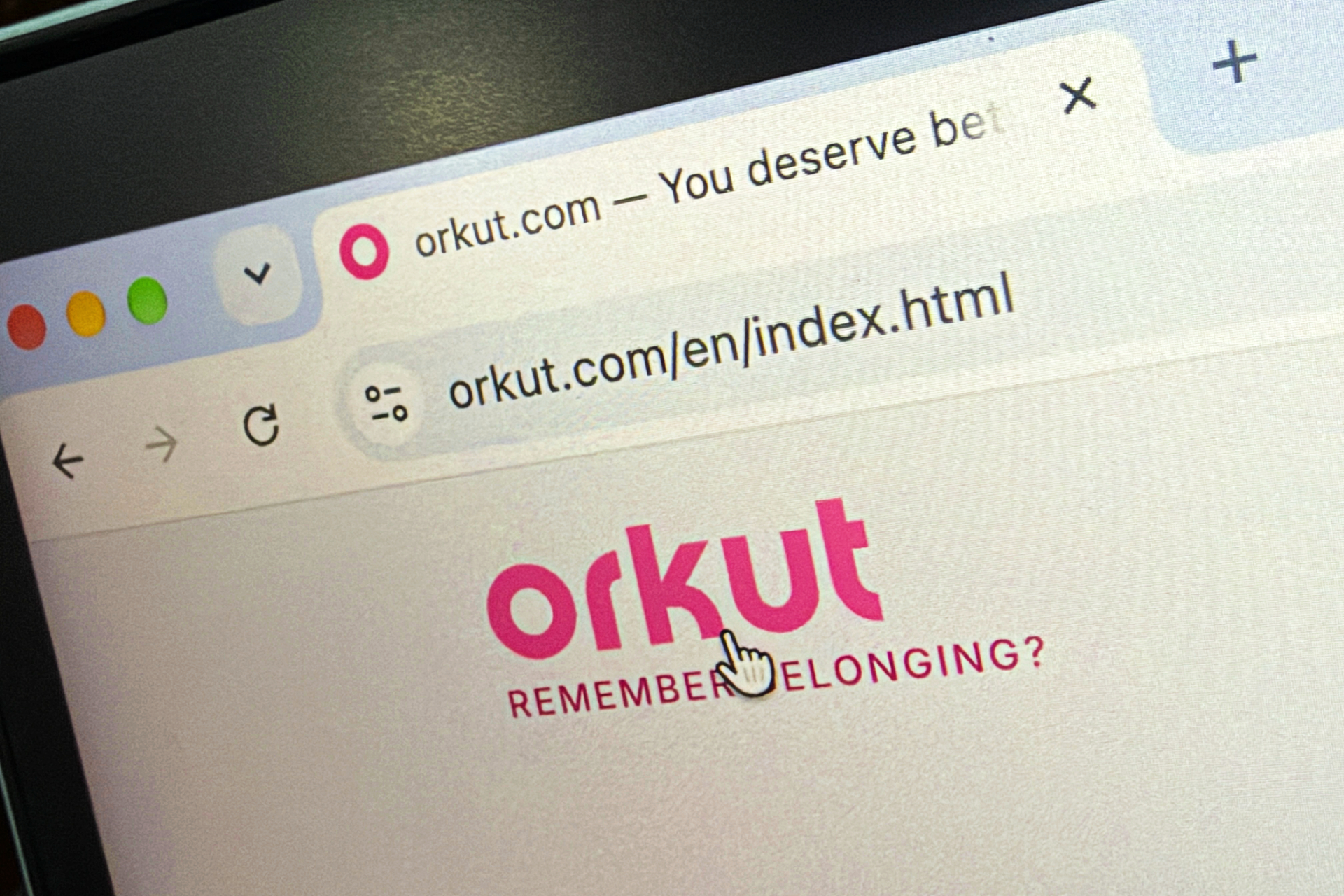
Orkut, the pioneering social networking platform that once commanded significant global user bases, particularly in India and Brazil, is being called back from its decade-long dormancy by its founder, Orkut Büyükkökten. In a significant appeal launched on Thursday across platforms including X and the revitalized Orkut.com, Büyükkökten urged former users and new advocates alike to support its revival, articulating a vision centered on restoring authentic human connection, community, and genuine friendship in an increasingly algorithm-driven digital landscape. This initiative signals a potential return for a platform that predated Facebook’s global dominance and was ultimately shuttered by Google in 2014.
The Genesis of a Comeback: A Call for Authenticity
The catalyst for this proposed resurgence is Büyükkökten’s profound critique of the current state of social media. In a letter published on Orkut.com, the 51-year-old computer engineer lamented the evolving nature of digital interaction, specifically targeting the pervasive influence of artificial intelligence and sophisticated algorithms in shaping user experiences. "Artificial intelligence is extraordinary technology, but it’s dissolving the one premise that made social networking special and worth building: that there was a person on the other side," Büyükkökten wrote, expressing a sentiment shared by a growing segment of internet users disillusioned with the curated, often inauthentic, feeds prevalent on contemporary platforms. His vision is not merely to resurrect a past platform but to "rebuild the internet we first loved. The one with authentic people, real connection, and genuine belonging." Users are encouraged to visit Orkut.com and add their names to a burgeoning list of supporters, signaling interest in a platform that prioritizes human-centric interaction over algorithmic optimization.
A Chronology of Orkut: From Google’s Side Project to Global Phenomenon
The story of Orkut is intertwined with the nascent years of social networking and Google’s own experimental ventures beyond search.
2004: Birth and Rapid Ascent
Orkut.com was launched in January 2004 by Orkut Büyükkökten, then a Turkish software engineer at Google. It began as one of Google’s famed "20% projects," where employees were encouraged to spend a fifth of their time on personal initiatives. The platform distinguished itself with a clean interface, a focus on "testimonials" (written endorsements from friends), and the concept of "communities" centered around shared interests. Critically, it launched at a time when the social media landscape was far less crowded than today, with early players like Friendster and MySpace dominating different niches. Orkut’s invitation-only system initially created an aura of exclusivity, fostering a sense of genuine connection among its early adopters.
The platform quickly found its stride, particularly in emerging markets where Facebook had yet to establish a strong foothold. Brazil and India became Orkut’s bastions of success. In Brazil, its popularity soared due to a combination of factors: early internet adoption, a vibrant online culture, and the platform’s ease of use. By 2008, Orkut had reportedly surpassed 50% market share in Brazil, boasting tens of millions of users in the country alone. Similarly, in India, Orkut gained immense traction, becoming the go-to social network for many internet users before the advent of smartphones and widespread mobile internet. The simplicity, the ability to connect with distant relatives, and the community features resonated deeply with these user bases.
2006-2010: Peak Popularity and Mounting Challenges
As Orkut’s user base swelled, so did its operational challenges. The platform faced criticism for its vulnerability to spam, the proliferation of fake profiles, and security issues. Its infrastructure struggled to keep pace with rapid user growth, leading to performance issues. While Google had transferred Orkut’s management to its Brazilian subsidiary in 2008, indicating its importance in that market, the platform’s global strategy remained somewhat ambiguous. During this period, Facebook began its aggressive international expansion, leveraging a more user-friendly interface, robust mobile development, and a continuous stream of new features. Orkut, by comparison, was perceived as slower to innovate and adapt, particularly in the critical area of mobile accessibility.
2011-2014: Decline and Google’s Shifting Focus
The inexorable rise of Facebook, coupled with the launch of Google’s own ambitious social networking project, Google+, in 2011, signaled the beginning of the end for Orkut. Google’s resources and strategic focus increasingly shifted towards Google+, which aimed to be a direct competitor to Facebook. Orkut’s user numbers began to dwindle as users migrated to platforms offering more features, better mobile integration, and a wider network of connections. By 2014, Google officially announced its decision to shut down Orkut, effective September 30, 2014. The company stated it was "shifting our focus to other platforms like YouTube, Blogger, and Google+," effectively marking the end of an era for millions of users who had found their initial online communities on Orkut. The shutdown was met with a wave of nostalgia and disappointment, particularly in Brazil and India, where it left a significant void.
Büyükkökten’s Continued Pursuit of Connection
Orkut Büyükkökten’s commitment to fostering genuine online connections did not end with his eponymous platform’s shutdown. He has consistently explored new avenues in social networking, even after Orkut’s initial demise.
2016: The Launch of Hello Network
Two years after Orkut’s shutdown, Büyükkökten launched Hello, another social network designed to connect people through shared interests and passions. Hello aimed to differentiate itself by moving beyond the "friends" graph to a "passions" graph, encouraging deeper, more meaningful interactions based on common hobbies and pursuits. The platform attracted over 2 million downloads worldwide, a respectable figure for a new entrant. However, in a market dominated by established giants and niche communities, Hello struggled to gain significant traction compared to Orkut’s peak of approximately 300 million active users. It ultimately ceased operations in 2020, underscoring the formidable challenges of launching a successful social network in a saturated and highly competitive environment.
2022-2024: Hints of a New Direction
Büyükkökten’s aspiration to redefine social interaction resurfaced in 2022, when a cryptic note appeared on Orkut.com stating he was "building something new." This hint was followed by a more explicit disclosure in 2024, during an interview with WIRED, where he revealed he was developing a new social network that would "leverage AI and machine learning" to bring people together and build communities. This statement, notably, came prior to his recent public critique of AI’s current role in dissolving human connection. This apparent evolution in his stance suggests a nuanced perspective: a recognition of AI’s power, coupled with a desire to harness it responsibly, perhaps as a tool for facilitating genuine connections rather than replacing them or creating echo chambers. The specifics of this platform, or whether it directly relates to the current Orkut revival, remain undisclosed.
The Contemporary Social Media Landscape: A Fertile Ground for Discontent?
The proposed return of Orkut occurs against a backdrop of widespread dissatisfaction with mainstream social media platforms. The very issues Büyükkökten highlights – algorithmic manipulation, the proliferation of AI-generated content, and a perceived erosion of authentic human connection – are increasingly prominent concerns among users and regulators alike.
Algorithmic Overload and AI-Generated Content: Modern social networks often prioritize engagement metrics, leading to algorithms that favor sensationalism, controversy, and personalized echo chambers. This has been linked to issues of misinformation, mental health challenges, and a sense of isolation despite being "connected." The rise of generative AI has further blurred the lines between human and machine-generated content, raising questions about trust and authenticity online.
Data Privacy and Monetization Models: The business models of dominant social networks heavily rely on data collection and targeted advertising. This has led to numerous privacy scandals and a growing distrust among users about how their personal information is being used. Many users yearn for platforms that prioritize user well-being and privacy over aggressive monetization.
Market Saturation and Niche Platforms: While the social media market is dominated by behemoths like Meta (Facebook, Instagram, WhatsApp), TikTok, and X (formerly Twitter), there’s a growing appetite for niche, community-focused platforms. Decentralized social networks (e.g., Mastodon, Bluesky) and interest-based communities are gaining traction, signaling a desire for more control, privacy, and curated experiences. This fragmentation could offer a potential opening for a revitalized Orkut.
Implications of a Potential Orkut Revival: Challenges and Opportunities
The prospect of Orkut’s return presents both significant hurdles and intriguing possibilities in the current digital ecosystem.
The Nostalgia Factor: For millions in Brazil and India, Orkut evokes powerful memories of their early internet experiences. This nostalgia could be a potent force, drawing back former users eager to recapture a simpler, more "authentic" era of social networking. The brand recognition, though dormant, is immense in these key markets.
Competitive Landscape: Re-entering the social media arena is an Everest-level challenge. Established platforms have colossal user bases, sophisticated infrastructure, and vast financial resources. Attracting and retaining users would require a compelling unique selling proposition that goes beyond mere nostalgia. The new Orkut would need to offer a truly innovative and superior experience that addresses modern user needs while staying true to its founder’s vision of authenticity.
Technological Modernization: The original Orkut, by contemporary standards, was technologically limited. A revived platform would need state-of-the-art infrastructure, robust security features, seamless mobile integration, and a user interface designed for 21st-century expectations. The strategic use of AI, as hinted by Büyükkökten, could be a differentiator if implemented to enhance connection rather than dilute it.
Monetization Strategy: Building and maintaining a large-scale social network requires substantial investment. How would a new Orkut fund itself without resorting to the data-driven advertising models that Büyükkökten criticizes? Potential models could include subscriptions, premium features, or a community-driven funding approach, but each comes with its own set of challenges.
Inferred Industry Reactions and Expert Analysis:
Industry analysts, while acknowledging the power of nostalgia, would likely caution against underestimating the current market dynamics. "While Orkut holds a special place in the hearts of many, the social media landscape of today is vastly different from 2004," states a hypothetical tech analyst. "A successful revival would need more than just brand recognition; it would require a truly innovative approach to community building that addresses contemporary user concerns about privacy, content quality, and mental well-being, while also offering a frictionless user experience."
Another inferred expert might add, "The challenge isn’t just to build a better platform, but to convince users to migrate from deeply entrenched networks where their friends and families already reside. This ‘network effect’ is the primary barrier to entry for any new social media venture, no matter how noble its intentions."
Former users, many now older and perhaps more discerning about their online presence, might express cautious optimism. "I remember Orkut fondly for its simplicity and the genuine connections it fostered," one former user from India might reflect. "But whether it can capture that magic again in an era dominated by short-form content and algorithmic feeds remains to be seen. I’d definitely check it out, though, if it truly focuses on real connections."
The Path Forward: A Vision or a Venture?
As of now, the specifics of Orkut’s potential return remain largely conceptual. Büyükkökten has called for support but has not clarified whether a new version of the platform is already in development, nor has he provided a timeline for a potential launch. An email inquiry sent to Orkut.com seeking further comment from Büyükkökten did not immediately elicit a response, leaving many questions unanswered about the concrete steps forward.
The initiative represents more than just a potential product launch; it’s a philosophical stance on the future of online interaction. Büyükkökten’s critique of AI’s role in dissolving human connection resonates with a growing global discourse about the ethical implications of technology and the quest for more meaningful digital experiences. Whether Orkut can truly "rebuild the internet we first loved" remains to be seen, but its founder’s renewed call to action certainly stirs the embers of a bygone digital era, hoping to ignite a new flame of authentic connection. The journey back to prominence, if it truly begins, will be a testament to the enduring human desire for genuine community in an increasingly virtual world.

