
The Origins of the Dodge Step
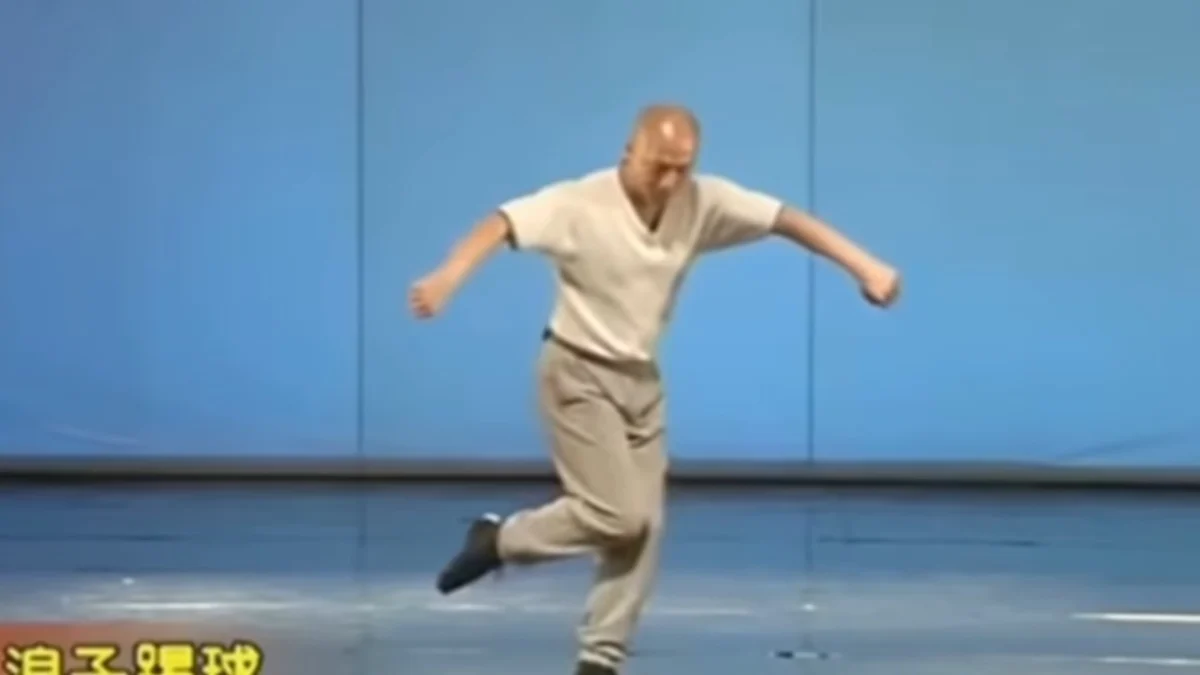
The "Shan Shen Bu," literally translated as the "Dodge Step" or "Flash Step," is a fundamental movement within the Han Chinese folk dance tradition. Historically, these movements were designed to convey agility, grace, and narrative intent within traditional performances. In the viral footage, Professor Zhao Tiechun is seen leading a tutorial, meticulously breaking down the footwork and torso shifts required to execute the move with the precision expected of professional dancers.
The Beijing Dance Academy, often referred to as the "Cradle of Dancers" in China, is the institution where this footage originated. As one of the most prestigious dance conservatories in the world, the academy’s curriculum often involves the preservation and systematization of regional folk dances. Professor Zhao’s demonstration was initially intended as a formal instructional resource for students to master the rhythmic syncopation and physical "dodging" aesthetic that characterizes this specific Han folk style.
The video’s transition from a closed academic setting to the public digital sphere began in earnest during the autumn of 2026. On October 2nd, 2026, a YouTube user under the handle "key" re-uploaded the tutorial, which subsequently amassed over one million views in less than a fortnight. While this was not the primary source, it served as a significant catalyst for the trend’s visibility outside of mainland China.
Chronology of Viral Proliferation
The trajectory of the Shan Shen Bu meme follows a classic pattern of digital evolution, moving from a niche educational clip to a widely recognized comedic template.
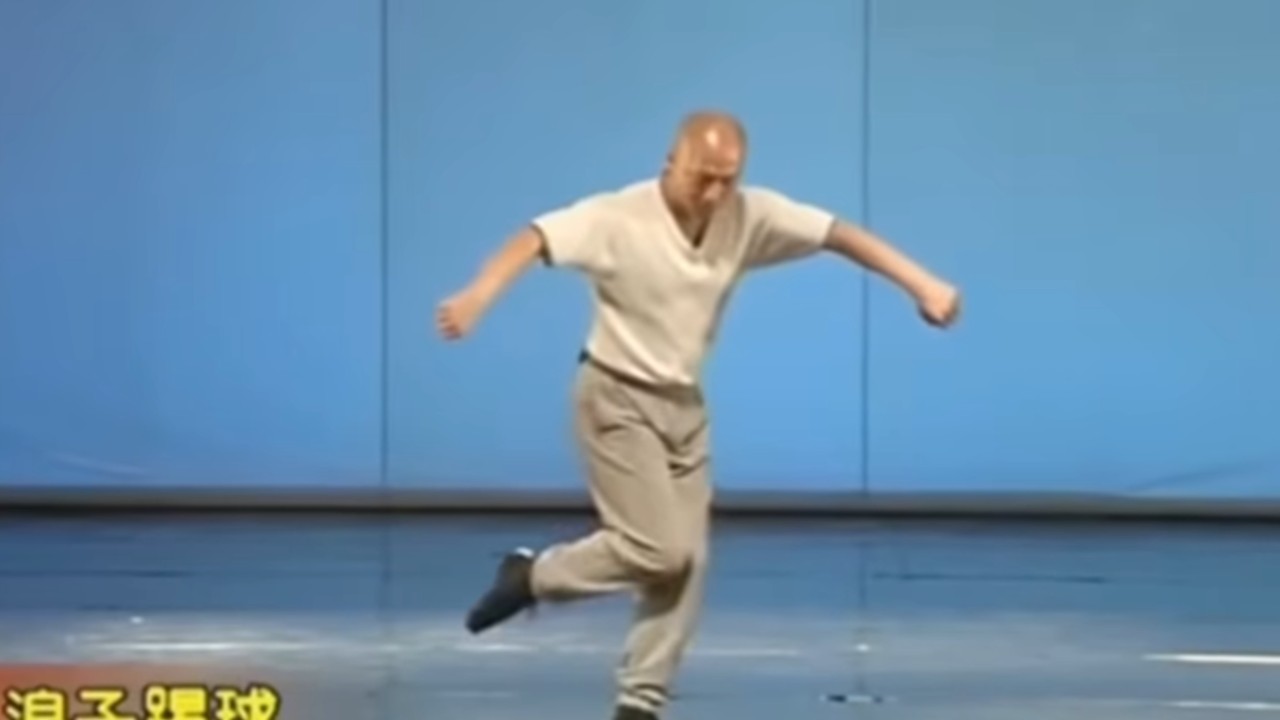
Late September 2026: Preliminary iterations of the video began appearing on TikTok and Douyin. One of the earliest documented instances of the video being used as a meme occurred on September 25th, 2026, when TikTok creator @imjoeyreed posted a version of the clip. This early adoption focused on the rhythmic appeal of Professor Zhao’s recitation, garnering approximately 464,000 views within three weeks and establishing the "sound" as a usable asset for other creators.
Early October 2026: The trend underwent a functional shift from passive viewing to active participation. On October 4th, 2026, TikToker @_su05 posted a comedy skit that recontextualized the dance moves. In this version, the creator used the "Dodge Step" as a literal method for avoiding an unwanted social encounter. This specific video acted as a "proof of concept" for the meme, racking up 1.3 million views and providing a blueprint for thousands of subsequent users.
Mid-October 2026: By the second week of October, the trend had reached critical mass. On October 10th, the account @china_trending8 shared a compilation of individuals performing the dance, which gained 450,000 views in six days. This period saw the emergence of various sub-genres of the meme, including "office dodging," "bill dodging," and "responsibility dodging," where participants used the stylized movements to playfully escape various real-world pressures.
The Mechanics of the Meme: Why it Resonates
The success of the Shan Shen Bu trend can be attributed to several overlapping factors: the "oddly satisfying" nature of the movement, the rhythmic cadence of the instruction, and the universal relatability of the "dodging" metaphor.
From a technical perspective, Professor Zhao’s movements are executed with a level of mastery that is inherently captivating. The "Dodge Step" involves a sharp, lateral shift of the weight, a low center of gravity, and a fluid yet controlled upper body. To a general audience, this professional-grade precision provides a visual satisfaction that encourages repeat viewing.
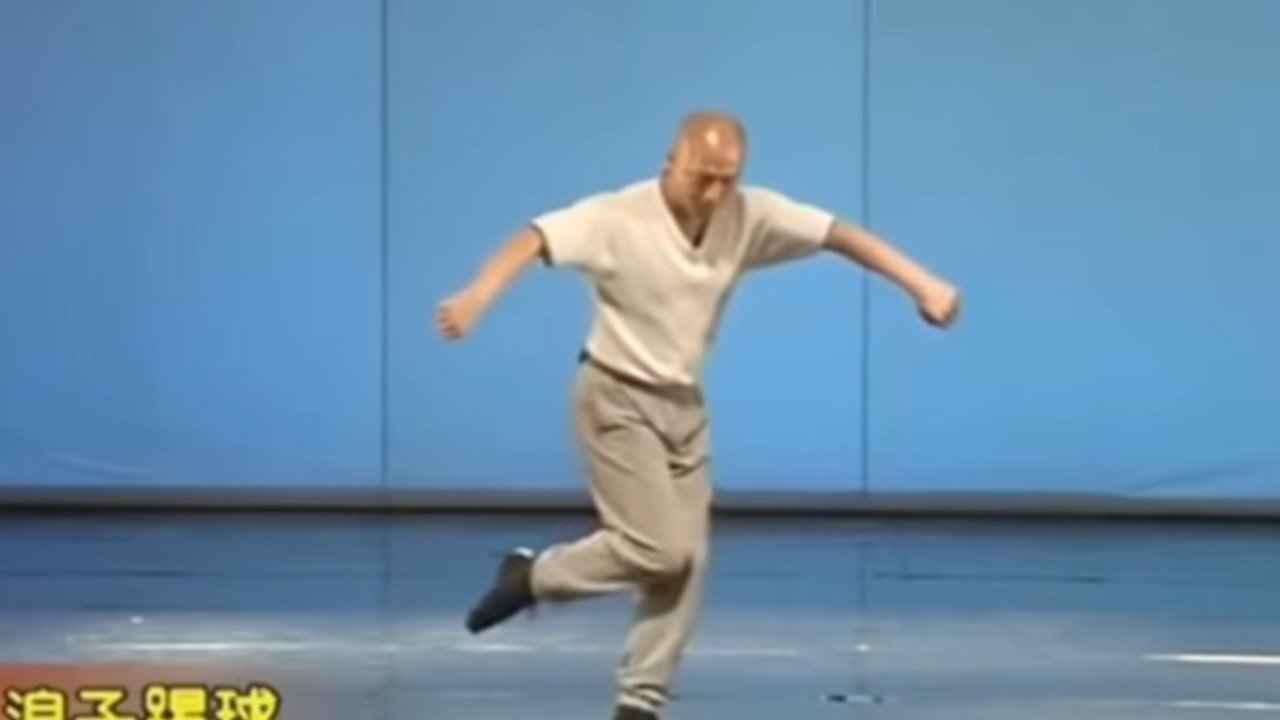
Furthermore, the auditory component—the rhythmic chanting of the dance steps—acts as a "brain worm" or an "earworm." The repetitive, percussive nature of the Chinese phrases used to time the steps provides a ready-made soundtrack for short-form video content. This auditory structure makes it easy for creators to time their comedic reveals to the beat of the dance.
The most significant driver of the meme’s spread, however, is its adaptability. By transforming a classical dance step into a metaphor for "evasion," social media users have found a versatile tool for expressing a common human desire: the wish to avoid unpleasant or stressful situations. Whether it is a student avoiding a teacher or an employee dodging a supervisor, the Shan Shen Bu provides a visually hilarious and culturally unique way to dramatize these moments.
Supporting Data and Social Media Metrics
The quantitative impact of the Shan Shen Bu meme is reflected in the high engagement rates across multiple platforms. As of mid-October 2026, the primary hashtags associated with the trend, including #shanshenbu, #chinesetiktok, and #douyin, have seen a surge in search interest.
- TikTok Engagement: Top-tier videos using the Shan Shen Bu audio have consistently surpassed the one-million-view threshold, with an average like-to-view ratio of approximately 10%.
- YouTube Reach: Re-uploads of the original tutorial and compilation videos have trended in the "Entertainment" and "Dance" categories, indicating a cross-demographic appeal that transcends the typical TikTok user base.
- Geographic Spread: While the trend originated in China (Douyin), data suggests significant secondary clusters of activity in Southeast Asia, North America, and Europe. This indicates that the visual comedy of the movement is effective even for audiences who do not understand the linguistic context of the instructions.
Cultural and Educational Implications
The viral success of Professor Zhao Tiechun’s tutorial has sparked a broader conversation regarding the role of social media in preserving and promoting traditional arts. For decades, traditional folk dances have struggled to maintain relevance among younger, digitally-native generations. The Shan Shen Bu meme represents a rare instance where a high-art form has successfully "broken through" to the mainstream via the "low-art" medium of internet memes.
Cultural analysts suggest that this "meme-ification" of traditional dance serves as a form of "stealth education." While many users participate in the trend for comedic purposes, they are inadvertently learning the basic rhythms and postures of Han folk dance. This exposure can lead to increased interest in the source material and a greater appreciation for the technical rigor of Chinese classical and folk dance.
Furthermore, the trend highlights the global influence of Chinese digital culture. As platforms like TikTok continue to facilitate the rapid exchange of content, regional cultural artifacts—from dance steps to culinary techniques—are increasingly becoming part of a shared global vernacular.
Professional Reactions and Future Outlook
While official statements from the Beijing Dance Academy regarding the meme have been limited, the reaction from the dance community has been largely positive. Many professional dancers have joined the trend, using it as an opportunity to showcase their own skills while participating in a lighthearted cultural moment. The participation of professional-grade dancers, such as those seen in the "suit and tie" versions of the challenge, has added a layer of "cool factor" to the trend, preventing it from becoming a purely mocking or trivializing phenomenon.
As with most viral trends, the longevity of the Shan Shen Bu will depend on its ability to evolve. Currently, the "comedy skit" format remains the dominant expression of the meme. However, there are signs that the trend is shifting toward more complex choreographic challenges, where users attempt to replicate the entire tutorial rather than just the "dodge" portion.
In conclusion, the Shan Shen Bu phenomenon is a testament to the unpredictable nature of digital virality. By taking a fragment of traditional Chinese education and re-purposing it for the era of short-form video, the internet has created a unique bridge between the halls of the Beijing Dance Academy and the global social media audience. Whether viewed as a piece of "office humor" or a masterclass in folk choreography, the "Dodge Step" has firmly stepped into the center of 2026’s cultural zeitgeist.

