
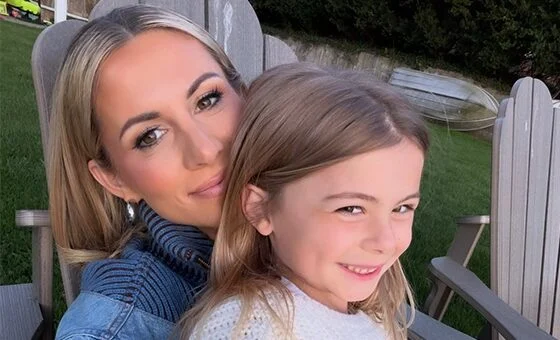
The challenges of modern parenting often lead to a pervasive sense of guilt among caregivers who feel unable to dedicate sufficient individual attention to each child, frequently resulting in children acting out to gain recognition. This dynamic, characterized by increased sibling squabbles and attention-seeking behaviors upon a parent’s return home, underscores a fundamental need in children for focused interaction. A strategy known as "Special Time," involving intentional, daily, one-on-one engagement, has emerged as an effective intervention, demonstrating significant positive impacts on child behavior, family dynamics, and parental well-being. This approach, which prioritizes undivided attention and child-led activities, offers a practical solution to a widespread contemporary parenting dilemma.
The Modern Parenting Conundrum: Attention Deficit and Behavioral Responses
In an era defined by demanding careers, ubiquitous digital distractions, and increasingly complex family structures, parents often find themselves stretched thin. The ideal of providing ample, high-quality attention to each child frequently clashes with the realities of daily life. This imbalance can manifest visibly in children’s behavior. When a parent, particularly a primary caregiver, returns home after a period of absence, children may exhibit heightened levels of conflict with siblings, defiance, or other disruptive actions. These behaviors are not necessarily malicious but rather a primal attempt to secure the parent’s coveted attention. Psychologists and child development experts widely agree that children possess an innate need for connection and validation from their caregivers. When this need is perceived as unmet, especially in a competitive sibling environment, children may inadvertently resort to negative behaviors, as even negative attention is often preferable to no attention at all.
Studies on child psychology consistently highlight the importance of secure attachment, which is fostered through consistent, responsive, and engaged parenting. A 2017 review published in Developmental Psychology emphasized that parental responsiveness plays a crucial role in a child’s emotional regulation and social competence. When children feel overlooked or believe they must compete for a parent’s gaze, their sense of security can waver, leading to increased anxiety, frustration, and a propensity for acting out. This phenomenon is particularly pronounced in multi-child households, where the distribution of parental attention becomes a zero-sum game in the child’s perception. The internal struggle for parents is equally profound; despite their best efforts, many report persistent "mom guilt" or "dad guilt," a feeling of inadequacy stemming from the perceived inability to meet all their children’s emotional needs. This guilt, in turn, can contribute to parental stress and burnout, creating a self-perpetuating cycle of strain within the family unit.
"Special Time": A Structured Approach to Connection
In response to these pervasive challenges, the implementation of "Special Time" offers a structured, yet flexible, framework for nurturing individual parent-child bonds. This strategy is predicated on several core principles:
- Intentionality: It is a deliberate allocation of time, not merely incidental interaction.
- Daily Consistency: While adaptable, the aim is to integrate it into the daily routine to provide predictable reassurance.
- One-on-One Focus: Crucially, it involves only one parent and one child, eliminating sibling competition.
- Undivided Attention: All distractions, especially digital devices like phones, are strictly prohibited. The parent’s full presence is required.
- Child-Led Activities: The child chooses the activity, empowering them and ensuring the time genuinely caters to their current interests and desires.
- Defined Duration: Even a brief period, such as 10 minutes, can be profoundly impactful when characterized by undivided attention.
The very act of naming this dedicated interaction "Special Time" imbues it with significance, elevating it above casual play and signaling its importance to both parent and child. While a minimum of 10 minutes per child is often suggested, the quality of this time far outweighs its quantity. For a child, 10 minutes of a parent’s complete, undistracted focus can feel like a substantial investment of love and attention, a stark contrast to fragmented interactions amidst household chores or digital distractions. Many parents find that once initiated, these sessions naturally extend beyond the minimum duration, as the mutual enjoyment deepens.
The Psychological Underpinnings and Observed Benefits
The efficacy of "Special Time" is rooted in fundamental principles of child psychology and attachment theory. By providing a predictable period of undivided attention, it directly addresses a child’s core need for security and belonging. When children consistently receive this dedicated interaction, several positive outcomes become evident:
Enhanced Emotional Regulation and Reduced Acting Out
One of the most immediate benefits reported by parents is a marked decrease in attention-seeking behaviors. Children who know they have a guaranteed slot of "Special Time" no longer feel the urgent need to compete or disrupt to gain their parent’s notice. This predictability fosters a sense of security, allowing children to better manage their emotions and express needs more constructively. A 2019 study published in the Journal of Family Psychology indicated that consistent positive parent-child interactions significantly correlate with improved emotional self-regulation in children aged 3-7.
Strengthening Parent-Child Bonds
The child-led nature of "Special Time" is particularly potent. When children are empowered to choose the activity, they feel seen, heard, and valued. Whether it’s picking flowers, engaging in imaginative play, riding a scooter, or simply talking, these shared experiences create a rich tapestry of positive memories and reinforce the parent-child connection. This shared joy deepens mutual understanding; parents gain insight into their children’s evolving interests, personalities, and concerns, fostering a more empathetic and responsive parenting style. The act of engaging in a child’s chosen activity communicates unconditional acceptance and love, which are cornerstones of a strong, healthy bond.
Easing Transitions and Separation Anxiety
"Special Time" also serves as a powerful tool for managing challenging transitions, particularly when a parent must leave for work or errands. By framing the upcoming separation with the promise of future "Special Time," parents can provide children with something positive to anticipate. For instance, a parent might say, "When I come back, we’ll have your Special Time, so start thinking about what fun thing you’d like to do!" This forward-looking statement transforms an impending absence from a source of anxiety into a period of hopeful expectation. Children learn that temporary separation does not equate to a loss of parental connection, as dedicated time is guaranteed upon return. This predictability significantly reduces separation anxiety and the disruptive behaviors often associated with it.
Alleviating Parental Guilt and Stress
Beyond the benefits for children, "Special Time" profoundly impacts parental well-being. The persistent "mom guilt" or "dad guilt" that many parents experience stems from the feeling of not doing enough. By intentionally scheduling and honoring "Special Time," parents can consciously allocate dedicated moments to their children, transforming abstract guilt into concrete action. This intentionality provides a tangible counter-narrative to feelings of inadequacy. Knowing that they have actively carved out and protected this valuable one-on-one interaction allows parents to reframe their busy schedules, recognizing that while demands are high, a core need for connection is being met. Paradoxically, many parents report that these brief, focused interactions become the most cherished and rewarding parts of their day, offering moments of genuine joy and reconnection amidst the daily grind.
Expert Perspectives and Broader Implications
Child development experts and family therapists widely endorse the principles behind "Special Time," often advocating for similar strategies under various names like "Mindful Moments" or "Connection Time." Dr. Laura Markham, a clinical psychologist and author, emphasizes the importance of "filling your child’s cup" with positive attention to reduce negative behaviors. She notes that "children who feel seen and heard are less likely to act out for attention." Similarly, Dr. Daniel Siegel, a clinical professor of psychiatry, advocates for "present parenting," highlighting how a parent’s focused, non-distracted presence builds strong neural connections in a child’s developing brain, fostering resilience and emotional intelligence.
The implementation of "Special Time" aligns with broader societal shifts towards recognizing the critical role of emotional intelligence and secure attachment in child development. As academic pressures and screen time increase, the fundamental human need for direct, personal interaction remains paramount. By consciously prioritizing "Special Time," families are investing not just in momentary happiness, but in the long-term emotional health, social competence, and overall well-being of their children. This strategy represents a proactive approach to parenting, moving beyond reactive discipline to preventative connection.
Challenges and Adaptations for Diverse Family Structures
While the benefits of "Special Time" are clear, its implementation can present practical challenges, particularly for parents with multiple children, single parents, or those with highly demanding schedules. The ideal of daily, individual 10-minute sessions per child may not be feasible for every family. For instance, a parent with four children would need 40 minutes of dedicated one-on-one time daily, which can be a significant commitment.
Recognizing these realities, flexibility and adaptation are key to the success of "Special Time." Parents are encouraged to go easy on themselves and tailor the strategy to fit their unique circumstances:
- Adjusting Frequency: Instead of daily, "Special Time" could be scheduled several times a week, or specifically on weekends when more time might be available. The critical element remains consistency within the chosen schedule.
- Leveraging Existing Routines: Bedtime offers a natural window for one-on-one interaction. After younger children are tucked in, parents can dedicate a few minutes to older children, engaging in conversation, reading, or a quiet activity.
- Utilizing Support Systems: For families with multiple children, enlisting the help of another adult (a partner, grandparent, or trusted friend) to supervise other children can free up a parent for dedicated one-on-one time.
- Micro-Moments: Even very brief, highly focused interactions can count. A five-minute conversation during a car ride with the phone put away, or a short shared activity while waiting for dinner, can reinforce the bond. The emphasis remains on quality over quantity.
The core principle of undivided, child-led attention remains paramount, regardless of duration or frequency. The goal is to create a predictable expectation of connection, ensuring that each child feels uniquely valued and seen.
Conclusion
The introduction of "Special Time" into family routines represents a powerful, yet simple, intervention for addressing common parenting challenges in contemporary society. By intentionally dedicating focused, distraction-free, child-led one-on-one time, parents can significantly mitigate children’s attention-seeking behaviors, foster stronger emotional bonds, ease difficult transitions, and alleviate pervasive parental guilt. While practical considerations necessitate adaptability in its implementation, the fundamental commitment to consistent, quality connection yields profound and lasting benefits for both children and parents. Ultimately, when children feel securely attached, valued, and understood, they thrive, leading to happier, more harmonious family environments and contributing to the overall well-being of the next generation. This approach serves as a testament to the enduring power of human connection in an increasingly complex world.

