
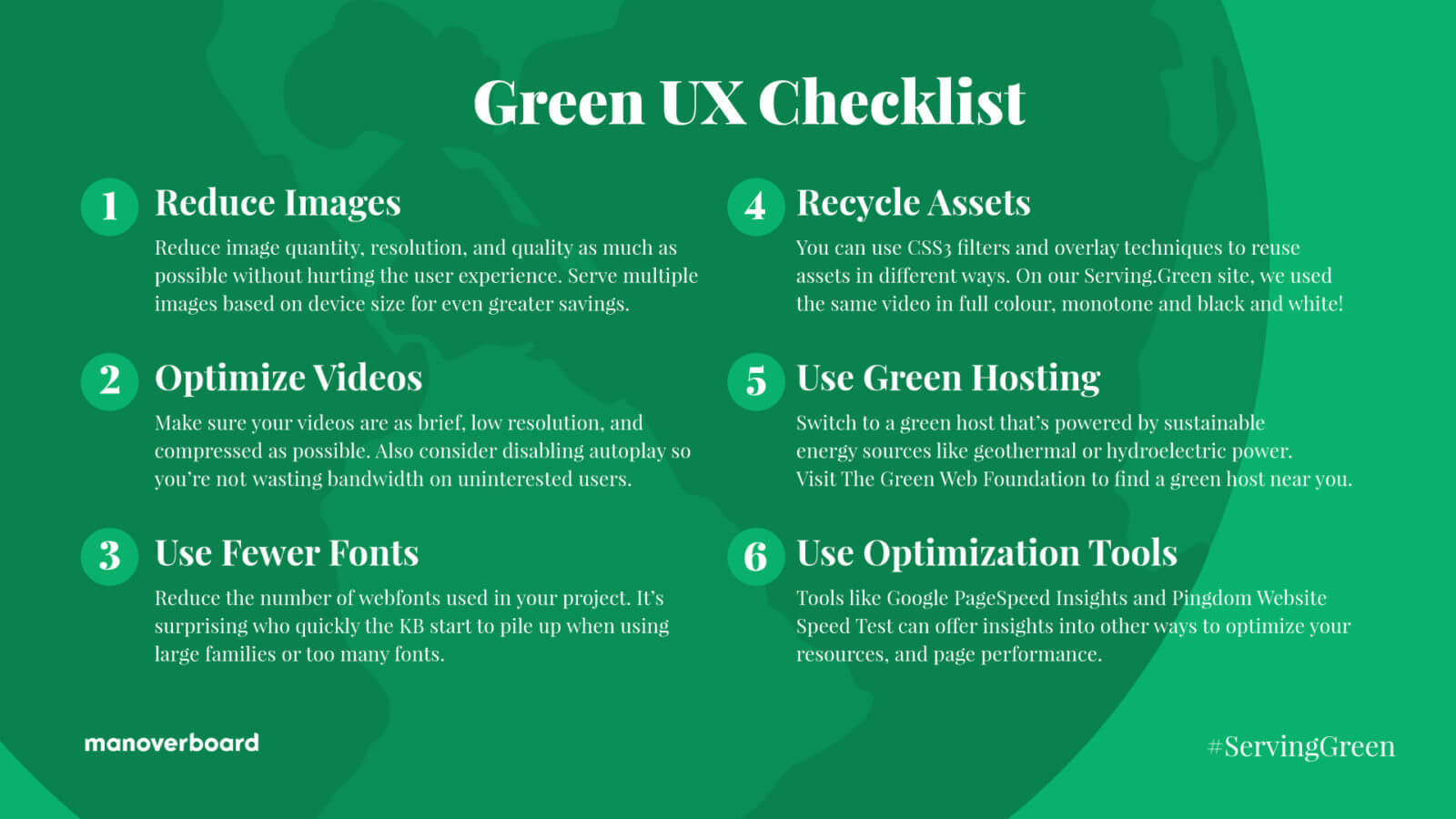
The digital landscape of 2026 has reached a critical juncture where the aesthetics of user experience (UX) are no longer measured solely by visual "wow" factors but by the efficiency of their underlying architecture. As the era of "unlimited pixels" draws to a close, the industry is embracing Sustainable UX, a design philosophy that reframes high performance as a matter of environmental responsibility. This shift marks the most significant transition in digital design since the pivot to responsive mobile interfaces over a decade ago. For years, the internet was perceived as a weightless, ethereal entity—a "cloud" that replaced paper and was therefore inherently green. However, as global energy demands soar, the physical reality of the internet has become impossible to ignore.
The infrastructure supporting the modern web is a sprawling network of data centers, undersea fiber-optic cables, and massive cooling systems that operate 24 hours a day. Recent reports from the International Energy Agency (IEA) indicate that the power consumption of AI-focused data centers now rivals that of massive aluminum smelters. The high geographic density of these centers creates intense, localized environmental strain, forcing designers to reckon with the fact that every high-resolution hero image, autoplaying video, and complex JavaScript animation is a direct instruction for a processor to consume power.
A Chronology of Digital Design Priorities
To understand the rise of Sustainable UX, one must look at the technological trajectory of the last two decades. In the early 2000s, the primary constraint for designers was bandwidth, leading to table-based layouts and heavily optimized, low-resolution graphics. The launch of the iPhone in 2007 catalyzed the shift toward responsive design, prioritizing accessibility across varying screen sizes. By the mid-2010s, the "attention economy" took hold, characterized by high-definition media and complex animations designed to maximize user engagement at any cost.

By 2020, the environmental cost of this "digital fat" began to enter the professional discourse. The average mobile page weight had increased by more than 500% over the preceding decade, driven by unoptimized visual assets and tracking scripts. As of 2026, the industry has moved into a "Green-First" era. Sophisticated design is now defined by how thoughtfully a product reduces its carbon footprint without sacrificing functionality. This evolution is not merely an aesthetic trend like skeuomorphism or flat design; it is a fundamental restructuring of how digital products are built.
The OLED Revolution and the Logic of Dark Mode
One of the most visible components of Sustainable UX is the transition toward "Dark-First" design. In the early 2000s, white backgrounds were the industry standard, intended to mimic the familiarity of physical paper. However, the hardware has since evolved from traditional Liquid Crystal Displays (LCD) to Organic Light Emitting Diode (OLED) technology. This hardware shift has profound implications for energy consumption.
Unlike LCD screens, which require a backlight to be constantly powered regardless of the color being displayed, OLED screens illuminate each pixel individually. When a pixel is set to "true black" (#000000), the specific diode is turned completely off, drawing zero power. A landmark study by Purdue University established that at 100% brightness, switching from light mode to dark mode can save an average of 39% to 47% of battery power on OLED devices.
In 2026, dark mode is no longer treated as a secondary aesthetic theme hidden in settings menus. Designers are increasingly prioritizing high-contrast dark themes as the default state. This approach extends the hardware lifespan of mobile devices and significantly lowers the grid demand required to power billions of screens globally. While light mode remains an essential option for accessibility and reading preferences, the "Dark-First" mentality has become a cornerstone of eco-friendly interface design.

Combating Digital Fat: Asset Optimization and Modern Formats
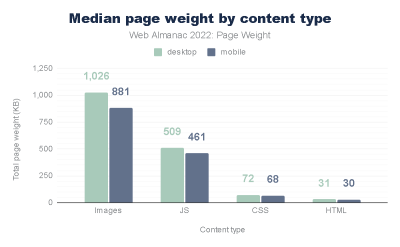
The single largest contributor to page-load energy is the transfer and rendering of massive visual files. Every megabyte transferred from a server to a client requires electricity for transmission, server processing, and the user’s rendering engine. Data from the HTTP Archive shows that images and videos consistently account for the majority of a page’s total weight.
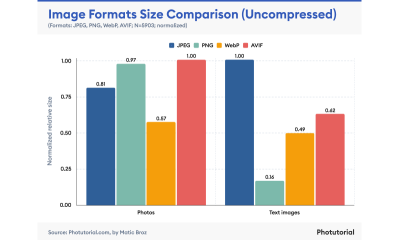
To combat this, the industry has moved toward modern formats such as AVIF and WebP. These formats can reduce image weight by up to 50% compared to traditional JPEGs without any perceptible loss in quality. Furthermore, the use of Scalable Vector Graphics (SVG) and CSS-based gradients is replacing high-resolution photography where possible.
Industry audits have demonstrated the impact of these choices. In a recent redesign for a major cybersecurity platform, replacing high-resolution photography with SVG art and CSS code resulted in a 78% reduction in the energy load of the homepage, dropping the data transfer from 5.5MB to 1.2MB. This reduction not only serves environmental goals but also enhances the user experience by providing significantly faster load times.
Intentional Motion and the Hidden Cost of Animation
While complex 3D parallax effects and "scroll-jacking" animations often garner design awards, they are increasingly viewed as ecological liabilities. Rending complex animations requires a device’s Graphics Processing Unit (GPU) to work at high capacity, which increases CPU temperature, triggers cooling fans, and drains battery life.
The current standard in 2026 is "Meaningful Motion," a concept popularized by Google’s Material Design guidelines. This philosophy dictates that animation should only be used to orient the user or provide essential feedback. Designers are now favoring CSS transitions over heavy JavaScript libraries like GSAP or Lottie. Because CSS is hardware-accelerated, it is far more efficient for a browser to calculate, resulting in a lower energy draw during user interaction.
Implementing the Data Budget Framework
To ensure sustainability is integrated into the development lifecycle, many organizations have adopted a "Data Budget" for every project. Just as a project has a financial budget, it now carries a carbon and data cap. For instance, a landing page may be restricted to a total size of 1MB.
This constraint forces design teams to make intentional choices. If a team wishes to add a new tracking script or a specialized font weight, they must "pay" for it by optimizing or removing another element. This prevents "feature creep" from evolving into "carbon creep." The Sustainable Web Design model, developed by organizations like Wholegrain Digital, provides a formula to calculate CO2 per page view. With the average website producing approximately 0.5 grams of CO2 per view, a site with one million monthly views generates six metric tons of CO2 annually—the equivalent of driving a gasoline-powered car 15,000 miles.
The Business Case for Eco-Friendly Design
Industry analysts argue that Green UX is not a compromise on quality but a significant competitive advantage. Sustainable design is, at its core, performance design. By reducing page weight, sites load faster, which directly improves Core Web Vitals—the metrics Google uses to determine SEO rankings.
Furthermore, Sustainable UX promotes inclusive design. Leaner websites are more accessible to users on older hardware or slower data plans, particularly in emerging markets where high-speed infrastructure may be limited. From a corporate perspective, reducing data transfer lowers hosting costs and improves conversion rates, as users are less likely to abandon a fast-loading, responsive site.
Official Responses and Industry Outlook
Tech leaders have begun to align their corporate social responsibility (CSR) goals with digital design standards. Major browser developers and search engines have signaled that energy efficiency will continue to play a role in how digital content is indexed and prioritized. "We are the first generation of designers who must reckon with the physical consequences of our digital work," noted one lead UX strategist at a 2026 design summit. "The era of designing at any cost is over; we are now the guardians of the user’s battery and the planet’s resources."
The consensus among digital architects is that Sustainable UX is a "win-win-win" scenario. It benefits the environment by reducing energy consumption, the user by providing faster interfaces, and the business by lowering costs and improving reach. As the industry moves forward, the most sophisticated designs will be those that leave the smallest possible digital footprint. The challenge for the next decade will be to maintain high levels of creativity while adhering to the strict energy constraints required for a sustainable future.
