

The global digital landscape in 2026 has reached a critical inflection point where the aesthetics of high-resolution hero images, autoplaying background videos, and complex JavaScript animations are being weighed against their physical environmental costs. As the era of "unlimited pixels" concludes, the industry is witnessing the emergence of Sustainable User Experience (UX) design, a discipline that reframes digital performance not merely as a technical metric but as a fundamental environmental responsibility. This shift represents the most significant transition in design philosophy since the launch of responsive web design over a decade ago, moving the industry from a "design at any cost" mentality toward a more intentional, resource-conscious framework.
The Physical Infrastructure of the Digital Cloud
For decades, the prevailing metaphor for the internet—the "cloud"—suggested a weightless, ethereal entity. However, as global data consumption has scaled, the physical reality of this infrastructure has become impossible to ignore. The digital ecosystem is supported by a sprawling global network of data centers, undersea fiber-optic cables, and massive cooling systems that operate continuously. Recent reports from the International Energy Agency (IEA) indicate that the power consumption of AI-focused data centers has begun to rival that of entire industrial sectors, such as aluminum smelting.
The environmental strain is often localized and intense. High-density data centers require millions of gallons of water for cooling and place immense pressure on regional power grids. UX designers, as the architects of the digital interfaces that drive this demand, are increasingly recognized as the primary influencers of energy consumption. Every unoptimized asset approved by a design team serves as a direct instruction to a processor to consume electricity. Consequently, the industry is shifting its focus from "wow factor" aesthetics to radical efficiency.

A Chronology of UX Evolution
The path to sustainable design has been shaped by several distinct eras of technological development. Understanding this timeline is essential to contextualizing the current shift toward eco-friendly interfaces:
- The Structural Era (1990s – Early 2000s): Design focused on table-based layouts and the transition to CSS. Bandwidth was a primary constraint, accidentally keeping page weights low.
- The Mobile-Responsive Pivot (2010 – 2015): Following the rise of the smartphone, design shifted toward "mobile-first" and fluid layouts.
- The Attention Economy (2015 – 2022): An era defined by high-fidelity assets, "scroll-jacking," and data-intensive animations designed to maximize user engagement. Page weights increased by over 500% during this decade.
- The Sustainability Era (2023 – Present): Driven by the global climate crisis and regulatory pressure, designers began adopting "Dark-First" mentalities and strict data budgets.
The Engineering Logic of Dark Mode and OLED Technology
One of the most visible components of Sustainable UX is the transition from light-mode defaults to "Dark-First" design. While white backgrounds were initially standardized to mimic the appearance of paper, the evolution of display hardware has rendered this approach energy-inefficient.
Modern devices predominantly utilize Organic Light Emitting Diode (OLED) technology. Unlike traditional Liquid Crystal Displays (LCDs), which require a constant backlight regardless of the colors shown on screen, OLED screens illuminate each pixel individually. When a pixel is set to "true black" (#000000), the diode is powered down completely, drawing zero energy.
Data from a landmark study conducted by Purdue University remains the benchmark for this transition. The research demonstrated that at 100% brightness, switching from a light interface to a dark interface can reduce battery power consumption by an average of 39% to 47%. By prioritizing darker palettes, designers are physically reducing the energy requirements of the user’s device, thereby extending hardware lifespans and reducing the frequency of charging cycles.

Combatting "Digital Fat" through Asset Optimization
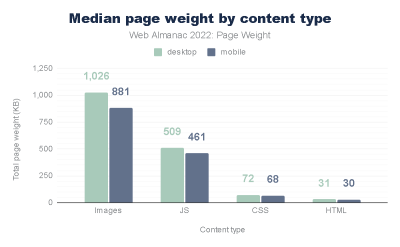
The "Digital Fat" of the modern web—characterized by multi-megabyte photography and unoptimized video files—is the single largest contributor to page-load energy. Every megabyte transferred from a server to a client requires electricity for transmission, server processing, and client-side rendering.
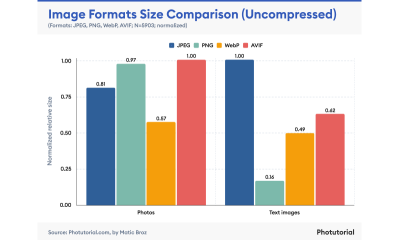
The HTTP Archive reports that images and videos consistently account for the vast majority of a page’s total weight. However, the adoption of modern file formats has provided a pathway to significant reduction. Industry analysis suggests that:
- AVIF and WebP formats can reduce image weight by up to 50% compared to traditional JPEGs without perceptible quality loss.
- Scalable Vector Graphics (SVG) allow for complex illustrations to be rendered via code rather than pixel-heavy bitmaps.
- CSS Gradients can replace large background images, reducing energy load by over 70% in specific use cases.
A recent audit of a major cybersecurity platform’s redesign illustrated these benefits. By replacing high-resolution photography with SVG art and CSS-based styling, the homepage weight dropped from 5.5MB to 1.2MB—a 78% reduction in the total energy load required for every site visit.
Intentional Motion and GPU Strain
The trend of "scroll-jacking" and complex 3D parallax effects has come under scrutiny for its ecological impact. While these features are often used to win design awards, they require significant Graphics Processing Unit (GPU) capacity to render. High GPU usage increases CPU temperature, triggers cooling fans, and accelerates battery depletion.
Current design guidelines, including Google’s Material Design framework, now emphasize "Meaningful Motion." This philosophy posits that animation should only be used to orient the user or provide essential feedback. Furthermore, technical implementation has shifted toward hardware-accelerated CSS transitions rather than heavy JavaScript libraries like GSAP or Lottie. CSS is significantly more efficient for browsers to calculate, minimizing the thermal footprint of the interaction.
The Implementation of Data Budgets
In 2026, professional design teams are increasingly adopting "Data Budgets" as a standard project constraint. Much like a financial budget, a data budget sets a hard cap on the total size of a page (e.g., 1MB per landing page). This forces intentionality; if a team wishes to add a new tracking script or a specific web font, they must "pay" for it by optimizing or removing another asset.
The Sustainable Web Design model, pioneered by organizations such as Wholegrain Digital, provides a specific formula to calculate the CO2 emissions per page view. The current global average for a website is approximately 0.5 grams of CO2 per view. For a platform receiving one million monthly views, this equates to six metric tons of CO2 annually—roughly the equivalent of driving a combustion-engine vehicle 15,000 miles. By adhering to a data budget, firms can drastically lower their digital carbon footprint.
Industry Reactions and Regulatory Pressure
The shift toward Sustainable UX is not merely a voluntary trend but is increasingly influenced by corporate ESG (Environmental, Social, and Governance) mandates and potential future regulations. Statements from digital sustainability advocates suggest that the industry is moving toward a standardized "Green UX Checklist."
"We are seeing a transition where digital efficiency is being linked to corporate responsibility," notes a representative from a leading web sustainability non-profit. "Large enterprises are realizing that a bloated website is not just a performance bottleneck; it is a measurable environmental liability."
Technology leaders have also noted that sustainable design aligns with "Inclusive Design" goals. Interfaces that are lightweight and energy-efficient are more accessible to users on older devices or those with limited data plans, particularly in emerging markets.
The Business Case: Performance as a Competitive Advantage
Critics of Green UX often argue that environmental constraints might compromise the user experience. However, data suggests the opposite. Sustainable design is inherently performance-driven design, offering several tangible business advantages:
- SEO and Core Web Vitals: Search engines prioritize fast-loading sites. Reducing page weight directly improves Core Web Vitals, leading to higher search rankings.
- Conversion Rates: Faster load times are empirically linked to higher user retention and lower bounce rates.
- Reduced Hosting Costs: Lower data transfer requirements reduce the overhead costs associated with cloud hosting and Content Delivery Networks (CDNs).
- Hardware Longevity: Energy-efficient apps reduce the thermal stress on consumer electronics, extending the usable life of devices and reducing e-waste.
Broader Impact and the Future of Clean Design
The transition to Sustainable UX in 2026 marks the end of "disposable design" and the beginning of a more permanent, respectful digital architecture. As designers reckon with the physical consequences of their digital work, the definition of sophistication in design is being rewritten.

In this new paradigm, the most elegant solution is no longer the one that adds the most features, but the one that achieves its objective with the fewest bytes. The industry is moving toward a "win-win-win" scenario: a healthier planet through reduced energy consumption, a better user experience through faster interfaces, and improved business outcomes through enhanced performance.
As the digital world continues to expand, the role of the UX designer has evolved into that of a guardian—protecting the user’s battery, their data plan, and the global environment. The move toward sustainable interfaces is not a temporary aesthetic trend like skeuomorphism or flat design; it is a fundamental restructuring of how humanity builds and consumes digital information in an age of resource scarcity. The call to action for the design community is clear: auditing the "invisible waste" of current projects is the first step toward a cleaner, more efficient digital future.
