
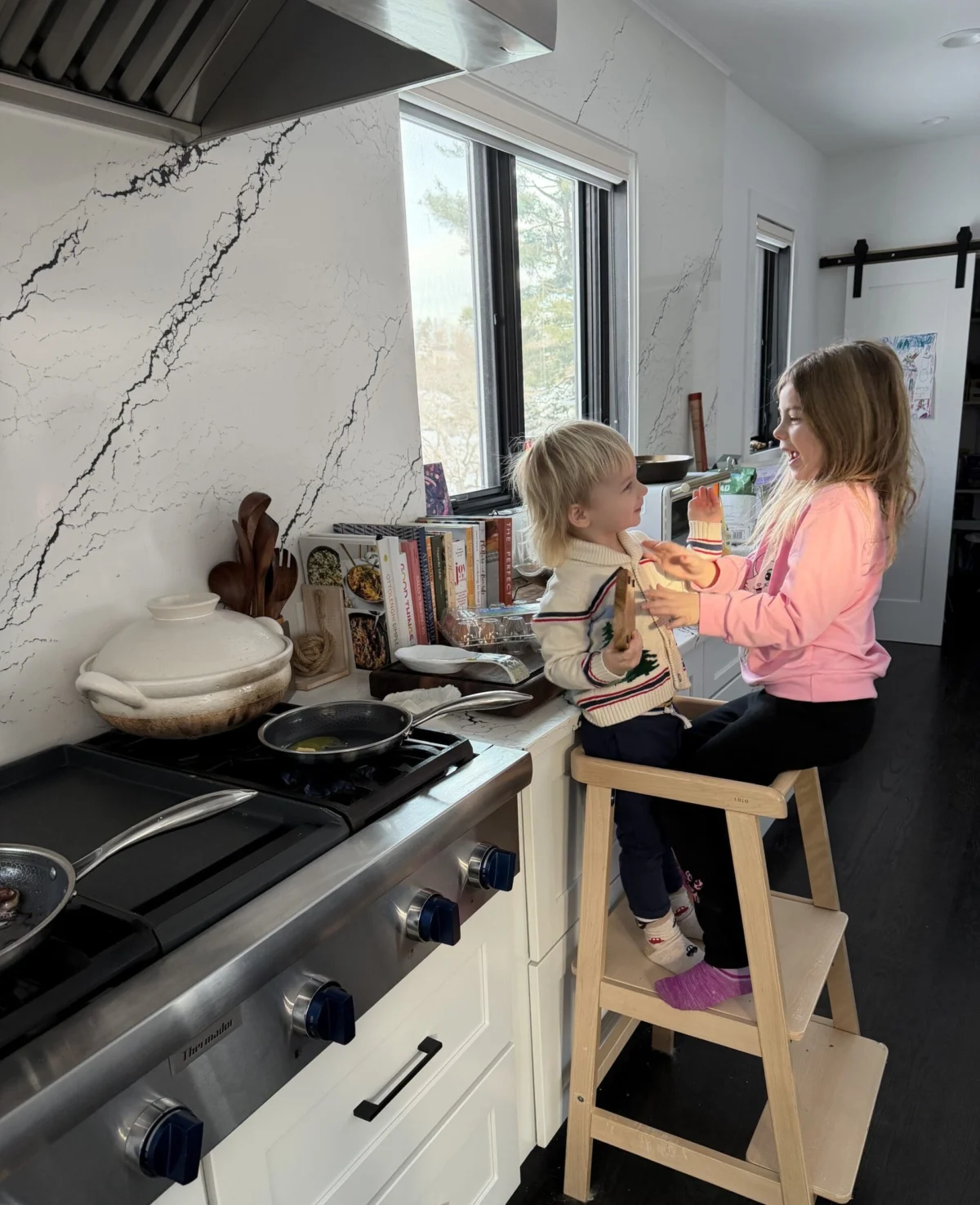
The kitchen, traditionally the heart of the home, is increasingly being recognized not just as a place for meal preparation but as a dynamic laboratory for child development, family bonding, and the cultivation of essential life skills. What might appear as mundane daily chores to some, such as stirring a pot or measuring ingredients, are being re-evaluated by parents and child development experts alike as invaluable opportunities for growth, communication, and instilling a sense of belonging and contribution in children. This perspective is gaining traction among busy modern families seeking authentic ways to connect amidst demanding schedules, highlighting how shared culinary activities can bridge the gap between household tasks and meaningful interactions.
The Genesis of Shared Kitchen Experiences: From Necessity to Pedagogy
For many parents, the journey into cooking with children often begins out of practical necessity, evolving into a cherished routine. Early anecdotes frequently recount scenarios of parents managing kitchen duties with infants on their hips, a testament to the inescapable demands of both childcare and household management. This initial adaptation, born of a need to multitask, inadvertently lays the groundwork for a natural integration of children into the culinary process. As children grow, their presence in the kitchen shifts from passive observation to active participation, transforming the space into a vibrant hub of learning and connection. This evolution underscores a broader societal shift towards recognizing the pedagogical value inherent in everyday domestic activities.
In a fast- paced world where parents, like high-profile media personalities such as ESPN’s Laura Rutledge, often juggle demanding professional careers with family life, finding routines that genuinely foster connection can be challenging. Rutledge, for instance, has publicly shared her insights into integrating her children, Reese and Jack, into her cooking routine, even after long days of anchoring "NFL Live" or intensive production meetings. She notes that while the process might be messier and more time-consuming, the benefits far outweigh the minor inconveniences of spilled flour or sauce. This sentiment resonates with a growing number of parents who prioritize the deeper, intangible rewards of these shared experiences over the pursuit of culinary perfection or efficiency. The recognition that "the mundane is anything but ordinary" when viewed through the lens of child development forms the bedrock of this modern approach to family cooking.
Fostering Natural Quality Time and Unstructured Communication
One of the most significant advantages of involving children in cooking is its unparalleled ability to create quality time that feels organic and unforced. In an era dominated by structured activities and screen time, the kitchen offers a refreshing antidote – a space for spontaneous conversation and interaction. Child development specialists emphasize that "side-by-side" activities, where parent and child are engaged in a common task without direct pressure for intense eye contact or formal discussion, are particularly effective in fostering communication. When children like Jack stand on a step stool to reach the counter, or Reese meticulously measures ingredients, the shared focus on the task at hand allows conversations to unfold naturally. Discussions about school, friends, pets, or "latest big ideas" emerge without the artificiality of a scheduled "talk time."
This unstructured interaction is crucial for emotional development and strengthening family bonds. Research published in journals like Child Development consistently highlights the importance of regular, low-pressure family interactions in promoting children’s psychological well-being, enhancing their communication skills, and reducing behavioral issues. The kitchen, in this context, becomes a neutral ground where hierarchies diminish, and collaboration takes precedence. The emphasis shifts from producing a flawless meal to the shared experience of making it, often accompanied by playful elements such as "song and dance moves," as Rutledge describes. This acceptance of imperfection and the embrace of joy in the process are key to creating a relaxed atmosphere where everyone, including the parent, can truly engage and benefit.
Empowering Eaters: The Psychology of Ownership in Food Choices
A common challenge for parents globally is navigating children’s picky eating habits. Traditionally, parents might expend considerable energy trying to convince children to eat specific foods. However, involving children directly in meal preparation presents a powerful psychological shift: the principle of ownership. When children contribute to making a meal, they develop a sense of investment and pride in the final product, making them significantly more inclined to try and enjoy what they have created. This phenomenon is well-documented in pediatric nutrition research. Studies, such as those published in the Journal of Nutrition Education and Behavior, have shown that children who participate in cooking activities are more likely to consume a wider variety of foods, including vegetables, compared to those who do not.
The concept is simple yet profound: empowering children with even small, age-appropriate tasks – stirring soup, sprinkling cheese, carefully pouring pasta – transforms them from passive consumers into active creators. This hands-on involvement demystifies food, allowing children to understand its components and preparation process. For a preschooler, the act of sprinkling cheese isn’t just a chore; it’s a significant contribution to the family meal, fostering a sense of accomplishment that often overrides prior aversions to certain ingredients. This strategy effectively counters food neophobia, the reluctance to eat or try new foods, by giving children a stake in the outcome. By integrating them into the process, parents can dramatically increase the likelihood that children will willingly eat the nutritious meals placed before them, thereby fostering healthier eating habits that can last a lifetime.
Cultivating Essential Life Skills and Cognitive Development
Beyond fostering communication and healthy eating, shared culinary experiences are a rich source of practical life skills and cognitive development. The kitchen is a natural classroom where children acquire a diverse range of abilities without even realizing they are learning. Early childhood educators and developmental psychologists consistently advocate for experiential learning, and cooking provides a prime example.
- Mathematical Concepts: Measuring ingredients introduces basic fractions, volumes, and counting. "How many cups of flour?" or "Half a teaspoon" are practical lessons in arithmetic.
- Fine Motor Skills and Coordination: Stirring, pouring, kneading, and chopping (with child-safe tools) refine fine motor skills, hand-eye coordination, and dexterity. Tasks like cracking an egg, even if initially messy, develop gentleness and precision.
- Sequencing and Following Instructions: Recipes inherently teach children the importance of following steps in a specific order, a foundational skill for problem-solving and executive function development.
- Language and Vocabulary: Children learn new food names, action verbs (sauté, simmer, whisk), and descriptive adjectives, expanding their vocabulary in a practical context.
- Sensory Exploration: The kitchen engages all senses – the smell of herbs, the texture of dough, the colors of vegetables, the sounds of sizzling. This sensory input is vital for brain development and helps children understand the world around them.
- Confidence and Self-Efficacy: Successfully completing a task, from mixing batter to slicing fruit, builds confidence in a child’s abilities and reinforces a sense of self-efficacy. As children like Reese develop the confidence to follow a recipe and create something tangible for their family, they internalize their competence.
To maximize these learning opportunities and ensure safety, investing in appropriate tools is crucial. Child-safe knives, sturdy mixing bowls with handles, and reliable step stools make the kitchen accessible and manageable for young contributors. This practical investment transforms potential hazards into controlled learning environments, allowing parents to relax and share their passion for cooking without undue worry, thereby creating a more positive and enriching experience for all.
The Gift of Slowing Down: Mindfulness in the Modern Home
In today’s hyper-connected, fast-paced society, the ability to slow down and be present is a valuable, often elusive, commodity. For professionals accustomed to high-pressure environments, like those in broadcast media, the kitchen with children can offer a much-needed counterpoint to their daily rhythm. The very nature of cooking with a toddler, who might meticulously spoon tomato sauce into a pot "one tiny spoonful at a time," forces a deliberate, unhurried pace.
This enforced slowness is not a drawback but a profound benefit, cultivating mindfulness and presence. When a parent shifts their focus from external pressures – upcoming deadlines, unread emails, or the next professional segment – to the simple act of guiding a child’s hand or celebrating a small achievement like remembering to "stir slowly," they enter a state of genuine presence. These moments of shared focus, devoid of external distractions, are invaluable for both parent and child. For the parent, it offers a temporary respite from the relentless demands of modern life, fostering a sense of calm and perspective. For the child, it provides undivided attention, reinforcing their sense of worth and importance.
Psychologists and wellness experts increasingly advocate for such "deliberate pacing" as a strategy to combat parental burnout and foster stronger family connections. These "tiny wins" – trying a new food, mastering a small skill, or simply engaging in a shared, unhurried activity – become cherished memories. The documented "random moments" captured on a phone often serve as powerful reminders of the joy found in the chaos and mess of a busy kitchen, underscoring that while cooking with kids can be messy, it is ultimately "so dang fun" and deeply rewarding.
Cultivating Contribution and Building Self-Worth
Perhaps one of the most profound impacts of involving children in cooking is the development of a genuine sense of contribution and self-worth. Children inherently desire to be helpful and to feel like important members of their family unit. When they are given real responsibilities in the kitchen – slicing fruit, squeezing tomatoes for sauce, or mixing ingredients – they are not merely playing pretend; they are actively participating in creating something essential for their family.
This distinction between "pretend" and "real" responsibilities is critical for building confidence. When a child sees their efforts result in a tangible outcome, such as a meal that the family then enjoys, their self-esteem receives a significant boost. The pride evident in a child who has made "slightly overcooked scrambled eggs" is a testament to the power of genuine contribution. Developmental psychology indicates that children who are regularly given authentic responsibilities develop a stronger sense of competence, resilience, and belonging. The kitchen, with its practical tasks and immediate outcomes, serves as an ideal environment for nurturing these vital attributes. It teaches children that their efforts have value, that they can contribute meaningfully to the household, and that their capabilities are recognized and appreciated.
Broader Societal Implications and Future Generations
The growing recognition of the benefits of cooking with children extends beyond individual family units, carrying broader societal implications. Encouraging home cooking and family meal preparation can contribute to public health initiatives by promoting healthier eating habits, combating childhood obesity, and reducing reliance on processed foods. It also plays a role in fostering food literacy, ensuring that future generations understand where their food comes from and how to prepare it.
Furthermore, these shared experiences lay the groundwork for a myriad of other life skills: resilience in the face of mistakes (a dropped egg, a burnt dish), problem-solving (adjusting a recipe, improvising with ingredients), and teamwork. As children mature, these foundational kitchen experiences can evolve into a lifelong love of cooking, a deeper appreciation for food, and a strong sense of family tradition. The seemingly simple act of inviting a child into the kitchen is, in essence, an investment in their holistic development, their family’s well-being, and the health of future communities. It transforms a daily necessity into a powerful vehicle for education, connection, and joy, proving that the kitchen truly is one of the best places to start building confidence and character.

