

For avid readers who find themselves dissecting plots, analyzing characters, and meticulously crafting their thoughts on the latest literary releases, the prospect of transforming this passion into a paid endeavor is an alluring one. The Sunday book review section of newspapers has long served as a window into the critical reception of new titles, but for those dreaming of contributing their own insights and earning an income, the digital landscape has opened up a wealth of possibilities. This article delves into the burgeoning field of paid book reviewing, exploring legitimate platforms, compensation models, and the essential skills required to succeed in this specialized niche of freelance writing.
The Evolving Landscape of Book Reviewing for Compensation
Historically, book reviewing was primarily the domain of literary critics associated with established publications or academics contributing to scholarly journals. However, the rise of the internet and the democratization of content creation have significantly altered this landscape. The proliferation of online literary journals, independent book review websites, and even author platforms has created a demand for diverse voices and perspectives. While many opportunities still offer compensation in the form of free books—a valuable perk for any bibliophile—a growing number of platforms are recognizing the value of well-crafted reviews and are willing to offer monetary payment for them.
It is crucial, however, to approach this field with a discerning eye. The internet is also rife with deceptive schemes that prey on aspiring writers. These fraudulent operations often promise payment for reviews but ultimately fail to compensate the reviewer, instead leveraging the submitted content for their own promotional purposes. Therefore, identifying legitimate paying opportunities requires careful research and an understanding of typical compensation structures.
Identifying Legitimate Paid Book Reviewing Opportunities
Several reputable organizations and platforms actively seek freelance book reviewers and offer varying forms of compensation. These range from established literary critics’ circles to platforms connecting authors with reviewers.
Kirkus Reviews: A Pillar in Literary Criticism
Kirkus Reviews stands as one of the most recognized names in the book review industry, known for its discerning and influential critiques. The organization actively recruits freelance book reviewers, offering a consistent, albeit not always abundant, stream of work. To be considered, reviewers must commit to submitting their critiques within a two-week window of accepting an assignment. Reviews are typically expected to be around 350 words in length.
Compensation at Kirkus varies based on the reviewer’s experience and the complexity of the book. Payments are disbursed via check, with a standard processing time of 60 days following the submission and acceptance of the review. While the work is often described as intellectually stimulating and enjoyable for passionate readers, it is generally not recommended as a sole source of income due to its variable nature. The company’s commitment to rigorous editorial standards ensures that reviewers contribute to a publication with a long-standing reputation for journalistic integrity.
Online Book Club: A Platform for Diverse Readers
Online Book Club is another platform that actively engages freelance reviewers. This organization offers a dual compensation model: reviewers receive free books to keep and are also paid for their written critiques. The payment per review can range from $5 to $60, with the specific amount often determined by the book’s genre, length, and perceived market value. This model provides a tangible benefit of accumulating a personal library while also earning income.

The US Review of Books: Seeking Professionalism and Depth
The US Review of Books is a publication that regularly seeks freelance book reviewers to contribute to its pages. The application process for potential reviewers is more involved, requiring candidates to submit a resume, samples of their previous writing, and at least two professional references. This emphasis on professional qualifications suggests a commitment to high-quality literary analysis.
While the exact pay rate for reviews is not explicitly stated on their website, the publication indicates that reviewers are compensated on a monthly basis, with payments issued via check. This structured payment schedule provides a degree of predictability for freelance contributors.
Reedsy Discovery: Author-Supported Reviews
Reedsy Discovery operates on a unique model that connects authors with readers who provide reviews for their newly published works. While not offering a fixed payment, Reedsy Discovery allows authors to "tip" reviewers for their time and effort. These tips typically range from $1 to $5. The platform also suggests that having a personal blog or an established online presence might be advantageous for reviewers seeking acceptance. This model fosters a direct relationship between authors and critics, providing authors with valuable feedback and reviewers with a modest income stream directly from the creators they are supporting.
Booklist Publications: A Scholarly Approach
Booklist Publications, a service of the American Library Association, offers $15 for well-written book reviews. However, Booklist does not accept unsolicited reviews. Instead, they assign reviews to their contributors. Prospective reviewers are encouraged to familiarize themselves with Booklist’s publications and editorial style by subscribing to their newsletter and engaging with their content. Interested individuals should then contact the relevant editor to express their interest in specific genres or book types. This approach ensures that reviews align with Booklist’s established editorial voice and cater to their target audience, primarily librarians and educators.
BookBrowse: Rewarding Experienced Reviewers
BookBrowse offers approximately $60 per review, although this amount can fluctuate. Reviewers are typically assigned one book per month, making it a manageable commitment for those balancing multiple freelance projects. A significant perk offered by BookBrowse is the opportunity to have a byline with your published review, adding to your professional portfolio. To be considered, applicants must submit a sample book review to demonstrate their writing ability and critical acumen.
Beyond Direct Platforms: Expanding Reviewing Avenues
In addition to these dedicated platforms, a broader landscape of opportunities exists for aspiring paid book reviewers. A comprehensive list of book review websites, such as those compiled by Writers Win, can serve as a starting point for identifying potential contacts. While these sites may not actively advertise for new reviewers, reaching out to their owners or editors with a compelling pitch and a strong portfolio can sometimes lead to freelance assignments.
Developing the Skills for Effective Book Reviewing
For those new to the art of book reviewing, the prospect of crafting a polished critique can seem daunting. The process involves more than simply recounting the plot; it requires analytical thinking, clear articulation, and a nuanced understanding of literary elements.
Mastering the Art of the Book Review
A truly effective book review provides a balanced assessment of a book’s strengths and weaknesses. It should offer a concise overview of the plot, discuss the author’s writing style, and comment on the overall tone and thematic resonance of the work. Crucially, a good review refrains from revealing major spoilers that could diminish the reading experience for others. Instead, it should guide potential readers by identifying the book’s target audience—for instance, recommending a thriller to fans of suspense or a memoir to those who appreciate personal narratives.
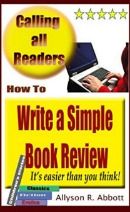
Resources like "How to Write a Simple Book Review," an inexpensive eBook available on Amazon, can provide aspiring reviewers with a structured approach to the writing process, offering guidance on overcoming writer’s block and developing a consistent critical voice.
Strategies for Gaining Acceptance
To increase the chances of being selected as a paid book reviewer, several key strategies can be employed. When submitting sample reviews, it is essential that they sound authentic, thoughtful, and insightful. Overly promotional or robotic language can be a deterrent. Instead, aim for a natural, engaging tone that reflects genuine engagement with the text.
If a platform requests references, consider including links to past writing samples, personal blogs, or even detailed reviews posted on platforms like Goodreads. These can serve as powerful testimonials to your writing capabilities and critical thinking skills.
The Broader Implications and Future of Paid Book Reviewing
While the financial remuneration for book reviews may not always reach the levels of more established freelance writing fields, the opportunities are expanding. The value of insightful and well-articulated reviews is increasingly recognized by authors, publishers, and readers alike.
Expanding Your Book Reviewing Career
For freelance writers, offering book review services can be a lucrative addition to their existing business, whether it’s a general freelance writing service or a virtual assistant business. Pricing can be structured based on the length of the review or the complexity of the book. Authors, particularly independent authors seeking to promote their work, are often willing to pay for honest and well-written reviews that can serve as valuable testimonials.
Furthermore, individuals with a strong online presence, such as a blog or a significant social media following, can directly pitch self-published authors. Many authors actively seek exposure and are happy to compensate reviewers for their efforts. This direct approach not only provides an income stream but also fosters connections within the literary community.
The Enduring Appeal of Literary Criticism
In conclusion, the pursuit of paid book reviewing offers a unique pathway for individuals who possess a deep love for reading and a talent for critical analysis. While the financial rewards may vary, the satisfaction derived from engaging with literature and contributing to the broader literary discourse is often a significant motivator. As the digital landscape continues to evolve, so too will the opportunities for passionate readers to turn their literary critiques into a source of income, enriching both their personal libraries and their professional portfolios. The enduring appeal of sharing thoughtful insights on the books that move us ensures that the role of the paid book reviewer will remain a vibrant and evolving facet of the literary world.

