
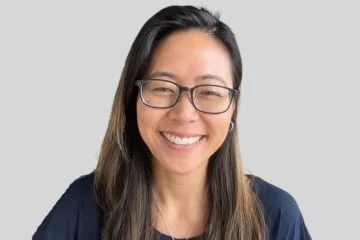
Austin, Texas – A pioneering company based in Austin, Texas, is transforming the way individuals understand and manage their gut health. Tiny Health, founded in 2020 by serial entrepreneur Cheryl Sew Hoy, is at the forefront of a burgeoning field that leverages advanced microbiome analysis to offer personalized insights into digestive wellness. The company’s innovative approach replaces the traditional, often cumbersome, in-person doctor visits and stool collection with a streamlined, at-home testing kit, making critical health monitoring more accessible and convenient than ever before.
The Gut Microbiome: A New Frontier in Wellness
The human gut is home to trillions of microorganisms, collectively known as the gut microbiome. These microscopic inhabitants play a profound role in numerous bodily functions, extending far beyond digestion. They are integral to the immune system, with an estimated 80% of immune cells residing in the gut. Furthermore, the gut microbiome influences mood, metabolism, nutrient absorption, and even the development of chronic conditions. Recognizing this intricate connection, Tiny Health aims to empower individuals with data-driven insights into their unique microbial landscape.
Cheryl Sew Hoy, the visionary behind Tiny Health, articulated the company’s mission during a recent interview. "Bluntly speaking, we deal with poop," Sew Hoy stated, referring to the core of their service: the analysis of stool samples. However, she quickly elaborated on the sophisticated science underpinning this seemingly unglamorous task. "Customers send us swabs of their poop. We analyze it in a lab and produce a report about what’s in the poop and the gut microbiome, the 38 trillion health-related microbes living inside humans."
The significance of gut health, Sew Hoy emphasized, cannot be overstated. "To us, ‘gut’ means the large intestine. Gut health is directly connected to our immune system. Eighty percent of the human immune system lives in the gut. It is crucial for overall well-being and is also tied to chronic conditions if you don’t take care of it." This fundamental understanding forms the bedrock of Tiny Health’s offering, positioning it as a vital tool for proactive health management.
From Clinical Necessity to Home Convenience: The Tiny Health Solution
Historically, comprehensive stool analysis was primarily a clinical tool, requiring a physician’s order and often involving inconvenient sample collection and laboratory procedures. While persistent digestive issues like diarrhea or constipation may still necessitate direct medical intervention and diagnosis, Tiny Health carves out a distinct niche by providing advanced insights into the microbial composition of the gut.
"Yes and no," Sew Hoy responded when asked if her service simply replicates doctor-ordered tests. "It depends on the stool analysis. Persistent diarrhea or constipation may require a doctor’s diagnosis and treatment, which might include antibiotics. What we do with the stool analysis is different."
The key differentiator for Tiny Health lies in its adoption of cutting-edge technology. The company utilizes shotgun metagenomic sequencing, a powerful method that identifies all the microorganisms present in a sample, including bacteria, parasites, viruses, archaea, and fungi. This comprehensive approach goes beyond conventional testing, which often focuses on specific pathogens or broad bacterial groups.
"The human gut has many beneficial bacteria," Sew Hoy explained. "Conventional medical education and public discourse often miss this. The bacteria in our guts digest our food and nutrients, and produce metabolites and enzymes that support overall health." This emphasis on beneficial microbes highlights a paradigm shift in understanding gut health, moving beyond a purely pathogen-centric view to embrace the symbiotic relationship between humans and their internal microbial ecosystem.
The applications of this advanced analysis are diverse. Tiny Health has seen interest from a wide range of individuals, including performance-oriented groups. "For example, athletic teams and even pro athletes come to us to optimize performance and fitness because they travel a lot and are under stress from training and recovery," Sew Hoy revealed. This illustrates how microbiome insights can be leveraged not just for addressing health concerns but also for enhancing physical capabilities.
The Journey from Concept to Capital: Launch and Funding Milestones
The genesis of Tiny Health is a testament to entrepreneurial drive and a deep understanding of emerging scientific fields. Cheryl Sew Hoy launched the company in 2020, a period marked by significant personal and professional milestones. "I started the company in 2020 when my son was just a week old," she shared, highlighting the demanding circumstances under which Tiny Health was conceived.
The initial two years, leading up to the company’s public launch in 2022, were dedicated to intensive research and development. Sew Hoy immersed herself in the complex world of microbiome science, even undertaking PhD-level online courses to gain a profound understanding of the subject matter. This self-directed education was crucial for defining the company’s scientific direction and identifying the necessary expertise for its team. "I spent the first two years, before our public launch in 2022, understanding microbiome research and science," she explained. "I took PhD-level classes online to educate myself and understand our staffing needs, such as the right scientists and clinical staff."
To ensure scientific rigor, Sew Hoy assembled an impressive advisory board comprising mentors from esteemed institutions such as the Mayo Clinic and Johns Hopkins. This strategic move provided invaluable guidance and credibility during the formative stages of the company.
Financing the nascent venture presented its own set of challenges. Sew Hoy initially bootstrapped Tiny Health with $50,000 of her personal funds. In the early days, when cash was scarce, she offered equity to team members, demonstrating a commitment to building a strong foundation through shared ownership. This initial investment was instrumental in funding a pilot study with nine subjects, a crucial step to validate the platform’s viability. "My $50,000 funded a study with nine subjects. I wanted to prove I could build the platform with the help of scientists I retained," Sew Hoy recounted.
The success of this pilot study paved the way for significant investment. After a year of data collection, Tiny Health secured $4.5 million in seed funding in 2021. This capital infusion allowed for the expansion of the team, including the hiring of the company’s first engineer and its first full-time scientist. Sew Hoy candidly noted her own background: "I’m not a scientist, a microbiologist, or a doctor." This underscores her role as a visionary leader and strategist, adept at assembling and guiding a team of experts. The company’s growth trajectory continued, culminating in a recent Series B funding round that raised an impressive $33 million.
This venture funding success is not new to Sew Hoy. Tiny Health represents her second successful entrepreneurial venture. Her first company, a digital wallet and daily deals platform launched in New York in 2010, was acquired by Walmart Labs in 2013, establishing a track record of building and scaling successful technology businesses.
Customer Acquisition: A Multi-faceted Approach
Attracting customers in a novel and evolving market requires a strategic and diversified approach. Tiny Health employs a combination of digital marketing, content creation, and strategic partnerships to reach its target audience.
"Advertising is our primary driver," Sew Hoy stated, highlighting the significant role of paid media. "Roughly 50% of new customers come from Meta Ads and Google Search." The company is also exploring emerging platforms to broaden its reach. "We’re getting started with TikTok and Pinterest," she added.
Beyond paid advertising, organic growth plays a crucial role. "The other half is organic, driven by content," Sew Hoy explained. Tiny Health is adapting its content strategy to leverage the latest trends in digital visibility. "We’re adapting to LLMs and genAI visibility, away from traditional SEO." This forward-thinking approach ensures the company remains at the cutting edge of online discoverability.
Email marketing and collaborations with Instagram influencers are also identified as key drivers of customer acquisition. "Email marketing and Instagram influencers are huge for us, too," Sew Hoy noted. Furthermore, Tiny Health has established a business-to-business (B2B) arm, working directly with healthcare practitioners to integrate their services into clinical offerings. "Plus, we have a B2B component where we work directly with healthcare practitioners."
To further engage with the scientific and wellness communities, Tiny Health actively participates in industry events. "We also go to trade shows and give talks at conferences," Sew Hoy concluded, underscoring the company’s commitment to thought leadership and industry engagement.
Accessibility and Future Implications
Tiny Health’s innovative at-home kit simplifies the sample collection process. Customers receive a kit containing a small swab and a prepaid USPS shipping box. The user collects a stool sample using the swab, places it in a provided tube, and mails it back for analysis. This user-friendly design addresses a common barrier to entry for microbiome testing. "We understand that folks don’t want to collect poop. We’ve innovated the process with a swab that resembles a Q-tip," Sew Hoy remarked, emphasizing the company’s focus on user experience.
For more complex clinical applications, Tiny Health also offers a clinical-grade test that involves a more involved collection method and requires two-day shipping. This option is accessible only through licensed practitioners, ensuring appropriate medical oversight for certain diagnostic pathways.
The implications of Tiny Health’s work extend beyond individual wellness. As our understanding of the gut microbiome deepens, its role in personalized medicine, disease prevention, and even mental health is becoming increasingly apparent. Companies like Tiny Health are instrumental in translating complex scientific research into actionable insights for the general public. By making advanced microbiome analysis accessible and understandable, they are democratizing a crucial aspect of human health, empowering individuals to take a more proactive and informed approach to their well-being.
Individuals interested in learning more about their gut microbiome or ordering a testing kit can visit the company’s official website at TinyHealth.com. Cheryl Sew Hoy is also active on professional networking platforms, with a presence on LinkedIn. The continued growth and innovation from Tiny Health signal a promising future for personalized health solutions rooted in the intricate science of the human microbiome.

