
The meteoric rise of pickleball, a sport blending elements of tennis, badminton, and table tennis, has captivated millions worldwide. What began as a casual backyard pastime in the mid-1960s has burgeoned into a global phenomenon, boasting an estimated 36.5 million players in the U.S. alone by 2022, according to the Association of Pickleball Professionals (APP). Beyond its accessible gameplay and infectious fun, pickleball offers a surprising wealth of strategic insights and life lessons applicable to a seemingly disparate field: the art and business of blogging. This analysis explores how the principles underpinning pickleball’s success can serve as a robust framework for bloggers seeking to build engaged communities, refine their content strategies, and achieve long-term success in the digital landscape.
The Genesis and Growth of a Sporting Phenomenon
The story of pickleball is one of organic growth and grassroots adoption. Its origins trace back to the summer of 1965 on Bainbridge Island, Washington, where Joel Pritchard, Barney McCallum, and Bill Bell sought a way to entertain their children during a weekend getaway. Lacking a proper badminton court, they improvised with a ping-pong net set at a lower height, borrowed tennis balls, and wooden paddles. The result was a game that was easy to learn, yet strategically engaging. Initially named "pickle-ball" after Pritchard’s dog, Pickles, or possibly after a rowing term, the sport quickly gained traction within the local community.
By the 1970s, organized tournaments began to emerge, and the sport’s popularity spread beyond the Pacific Northwest. The introduction of fiberglass paddles and the establishment of dedicated courts in the following decades further fueled its accessibility. The 21st century has witnessed an unprecedented surge in pickleball’s popularity. Factors contributing to this boom include its low barrier to entry, the social aspect of the game, and its appeal across a wide demographic range, from young athletes to active seniors. The Professional Pickleball Association (PPA) and Major League Pickleball (MLP) have further professionalized the sport, attracting significant media attention and corporate sponsorships, underscoring its transition from a niche hobby to a mainstream athletic pursuit. This trajectory from humble beginnings to international recognition serves as a powerful analogy for the blogging world.
From Humble Beginnings to Thriving Content Hubs: The "Start Small and Think BIG" Principle
The foundational lesson pickleball offers bloggers is encapsulated in the adage, "Start Small and Think BIG." Just as pickleball evolved from a makeshift backyard game into a global sport, every successful blog originates from a single, nascent idea. The initial creation of a blog, much like the first serve in pickleball, is a starting point. Early bloggers, like the pioneers of pickleball, may have operated with limited resources and a nascent understanding of their audience. However, the key to their enduring success lay in a clear vision for future growth.
For bloggers, this translates to recognizing that the initial blog post, the first social media update, or the inaugural email newsletter is not the culmination but the commencement of a journey. It is essential to begin with the available resources and knowledge, much like the inventors of pickleball used what they had at hand. Simultaneously, maintaining a long-term perspective—visualizing the blog as a comprehensive resource, a thriving community, or a profitable enterprise—is crucial. This "eyes on the net" mentality, analogous to a pickleball player focusing on the opponent’s court and the overarching game strategy, allows bloggers to navigate the often-complex path from inception to established authority. Data from industry reports consistently show that blogs that maintain a consistent publishing schedule and strategic content diversification over extended periods are more likely to achieve significant audience growth and domain authority. For instance, research by HubSpot indicates that companies that blog more than 10-15 times per month receive 70% more leads than those that blog less frequently.
The Power of Connection: Rallying Your Community
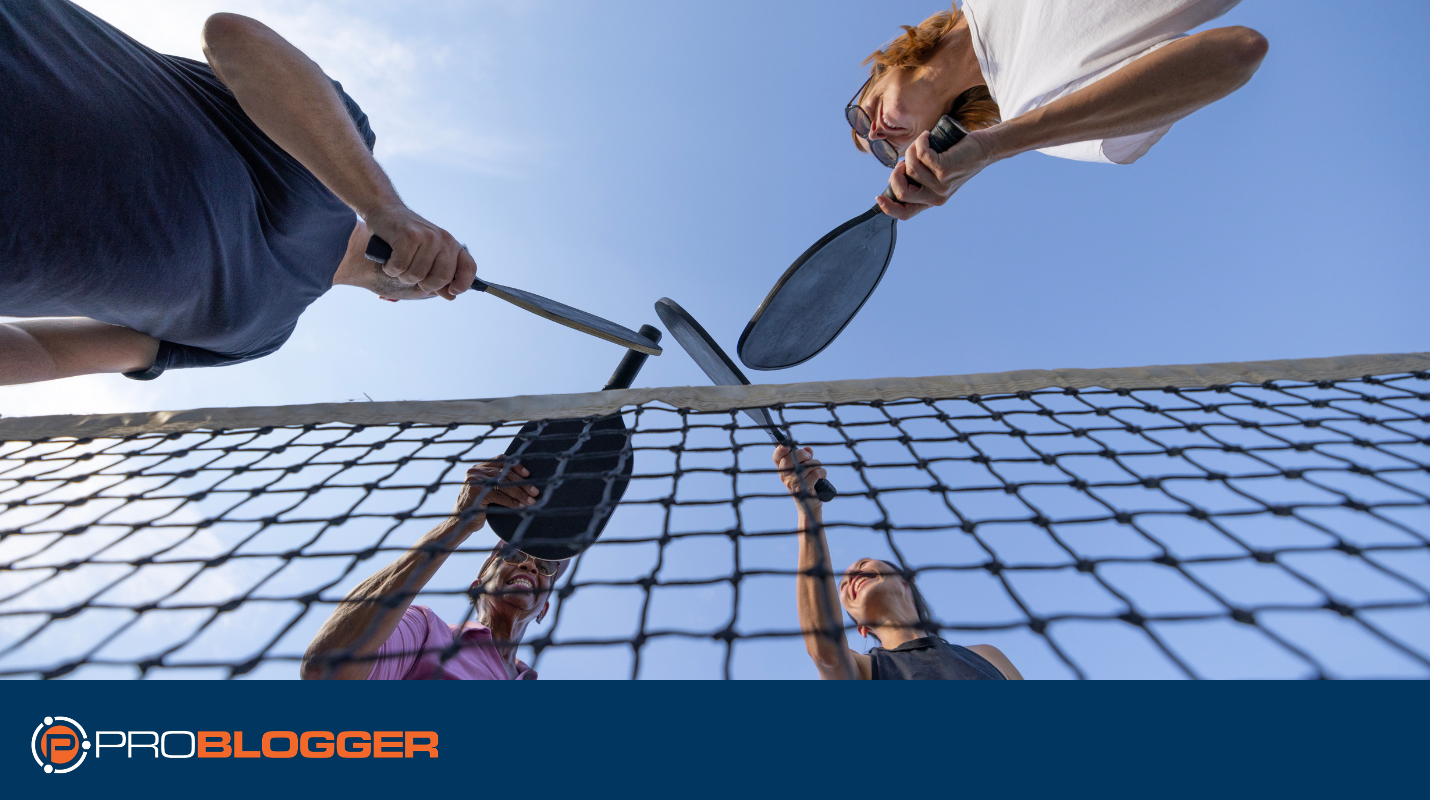
Pickleball thrives on dynamic rallies, where players exchange shots, building momentum and engagement. This concept directly parallels the importance of community building in blogging. A lively pickleball rally naturally draws the attention of onlookers, fostering a sense of shared experience. Similarly, actively engaging with readers can transform passive visitors into a dedicated and interactive community.
Bloggers can foster this sense of community by diligently responding to comments on their posts, participating in relevant discussions on social media platforms, and even hosting live Q&A sessions or webinars. The longer and more engaging these "rallies" with the audience, the deeper the connection and loyalty that can be cultivated. According to a study by Sprout Social, 77% of consumers are more likely to buy from a brand they feel connected to. This connection is not merely transactional; it is built on consistent interaction and a genuine sense of being heard and valued. In the context of blogging, this means treating comments sections not as an afterthought, but as a vital space for dialogue. Building this rapport mirrors the collaborative spirit of pickleball, where successful play often relies on effective communication and understanding between partners.
The Art of Simplicity: Understanding the "Dink" in Content Creation
In pickleball, the "dink" is a strategic, soft shot played just over the net, designed to control the pace of the game and force opponents into difficult positions. It’s a testament to the power of precision and subtlety. For bloggers, the equivalent of the "dink" lies in the art of simplifying complex information into easily digestible and engaging content. This principle, often summarized as "less is more effective," highlights how a gentle, clear approach can be far more impactful than an aggressive or jargon-laden one.
Pickleball’s inherent simplicity is a major driver of its widespread appeal. It is a sport that can be learned and enjoyed by individuals of varying athletic backgrounds and ages. Bloggers can leverage this lesson by prioritizing clarity and conciseness in their writing. This involves avoiding unnecessary jargon, maintaining a clean and intuitive website layout, and ensuring that posts are easy to read and understand. A straightforward, well-articulated message resonates more effectively with a broader audience than overly complicated prose. Data from the Nielsen Norman Group, a leading authority on user experience, consistently shows that readers scan web pages rather than read them thoroughly. Therefore, content that is broken down into digestible chunks, uses clear headings, and employs concise language is far more likely to be absorbed and appreciated. A successful "dink" in blogging is a post that, while conveying substantial information, does so with an elegant simplicity that captivates the reader.
Finding Your Niche: The "Sweet Spot" of Engagement
The "kitchen," or non-volley zone, in pickleball is a critical area near the net where players cannot volley the ball. Understanding and respecting these boundaries is fundamental to successful play. For bloggers, the analogous concept is finding and operating within their "sweet spot"—the ideal balance between engaging with their audience and maintaining their authority and focus. This sweet spot is the zone where interaction feels natural and productive, without overstepping into overly salesy territory or becoming too distant.
This equilibrium is about fostering a two-way dialogue where engagement naturally flows back and forth. It’s about offering value without constant promotion, and being accessible without sacrificing editorial integrity. A blogger operating in their sweet spot understands their audience’s needs and interests, and crafts content that addresses them directly and authentically. This strategic positioning ensures that readers feel a sense of connection and trust, encouraging them to return. Industry analysis of successful blogs often points to a consistent theme of authentic engagement. For instance, blogs that foster genuine conversations in their comments sections and actively solicit reader feedback tend to see higher retention rates and increased user-generated content. This mirrors the pickleball player who understands when to approach the net and when to play from the baseline, effectively controlling the game’s tempo.
Learning from Imperfection: Embracing the "Whiffs" and Iterating
Even the most skilled pickleball players occasionally miss a shot, a moment colloquially termed a "whiff." This is an inherent part of the game, and seasoned players understand that these misses are not failures, but learning opportunities. In the realm of blogging, not every post will achieve viral success or resonate deeply with every reader. Each piece of content that doesn’t perform as expected is a "whiff," an invaluable chance to learn and refine one’s strategy.
The critical takeaway from this pickleball principle is the importance of perseverance and analysis. Bloggers should not be discouraged by underperforming content. Instead, they should analyze what might have contributed to the lukewarm reception—perhaps the topic was not sufficiently relevant, the execution was flawed, or the promotion was inadequate. Making adjustments based on these insights—experimenting with different content formats, refining writing style, or exploring new promotion channels—is essential. The mantra here is to "keep swinging," analogous to a pickleball player returning to the court for the next serve with renewed determination. Data from marketing platforms consistently shows that iterative content improvement, informed by analytics, leads to enhanced performance over time. For example, A/B testing headlines and content structures can lead to significant improvements in click-through rates and engagement metrics.
Adaptability in a Dynamic Landscape: Evolving Like a Pickleball Player
The competitive landscape of pickleball is constantly evolving, with players continually learning new strategies, refining their techniques, and adapting to their opponents’ playing styles. Bloggers must adopt a similar mindset of continuous learning and adaptation. The digital world is in perpetual motion, with new search engine optimization (SEO) algorithms, emerging social media platforms, and shifting content consumption trends.
To remain relevant and effective, bloggers must stay informed about these changes and be willing to adjust their strategies accordingly. This might involve learning new SEO techniques, experimenting with emerging social media channels, or adapting content formats to suit evolving audience preferences. For instance, the rise of short-form video content on platforms like TikTok and Instagram Reels has necessitated that many bloggers adapt their strategies to include video elements. A study by Statista indicated that over 60% of marketers planned to increase their investment in video content in 2023. This adaptability is not just about keeping up; it’s about proactively positioning the blog for future success by embracing innovation and remaining flexible in approach.
Maintaining Focus: Keeping Your Eye on the Ball
In pickleball, a momentary lapse in concentration can result in losing a crucial point. Similarly, in blogging, losing sight of the content’s core purpose or the audience’s fundamental needs can lead to disengagement. The principle of "keeping your eye on the ball" emphasizes the importance of unwavering focus.
For bloggers, this means ensuring that all content aligns with the blog’s overarching goals, whether they are to inform, entertain, or drive conversions. It also means consistently understanding and addressing the audience’s needs and interests. Regularly seeking feedback, monitoring analytics, and staying connected with the community are vital practices to ensure the blog remains relevant and engaging. This sustained focus allows bloggers to build a coherent brand identity and a loyal readership. Research by the Content Marketing Institute consistently highlights that content that is deeply aligned with audience needs and brand objectives yields higher engagement and conversion rates.
The Crucial First Impression: Serving Strong and Serving Smart
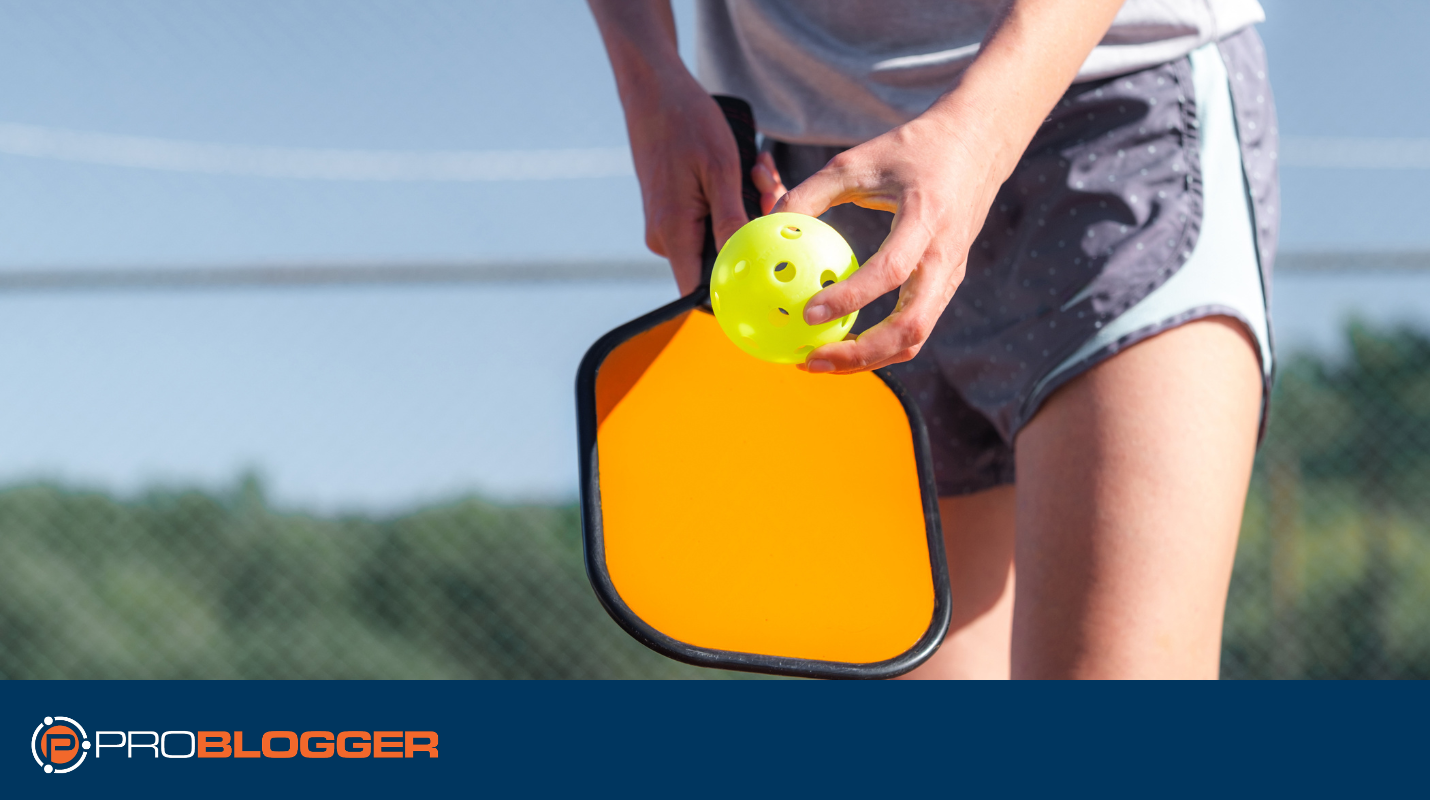
A well-executed serve in pickleball can immediately put the serving team in an advantageous position, dictating the initial rhythm of the game. In blogging, the introduction or opening paragraph of a post serves a similar critical function. A compelling introduction hooks the reader, setting the tone and piquing their interest for the content that follows.
Bloggers should invest time and effort in crafting strong introductions that are both informative and captivating. This involves clearly stating the post’s value proposition, posing an intriguing question, or sharing a compelling anecdote. Following this strong start, the rest of the post must deliver on the promise of the introduction, providing valuable insights and engaging content throughout. Finally, a strong call to action at the end can guide readers towards the desired next step, whether it’s leaving a comment, sharing the post, or exploring related content. This strategic approach to content delivery, from the initial hook to the concluding call to action, mirrors the importance of a powerful serve in pickleball.
Strategic Positioning for Visibility and Impact
Just as effective positioning on the court is paramount in pickleball for controlling the game and creating opportunities, strategic positioning of a blog and its content is vital in the crowded digital marketplace. Bloggers must understand their niche, identify their target audience, and position their content to fill specific needs or address unique pain points.
This involves more than just keyword research; it requires a deep understanding of the competitive landscape and a clear articulation of what makes the blog distinct. By strategically positioning the blog as an authority on a particular subject, or as a unique source of information or entertainment, bloggers can attract a dedicated following and stand out from the competition. Data from SEO analytics firms consistently demonstrate that websites with well-defined niche authority and clear strategic positioning achieve higher search engine rankings and attract more targeted organic traffic. This strategic approach ensures that the blog is not just present online, but is actively sought out by its intended audience.
The Enduring Appeal: Embracing the Fun Factor
Perhaps the most profound lesson pickleball offers is the inherent joy and fun it provides. Even amidst competition, the primary motivation for most players is enjoyment. This principle is directly transferable to blogging. If bloggers are passionate about their chosen topics, this enthusiasm will naturally translate into their writing, making it more engaging and infectious for readers.
A blog infused with personality and genuine enjoyment feels more authentic and relatable. This can foster a deeper connection with the audience, making them more likely to return and recommend the blog to others. While blogging requires discipline and strategic thinking, it should not be devoid of pleasure. Injecting a sense of fun into the creative process can enhance not only the quality of the content but also the blogger’s own experience, leading to greater sustainability and long-term satisfaction. This is why blogs that exhibit a strong authorial voice and a clear passion for their subject matter often achieve greater traction and reader loyalty than those that are purely functional or transactional in their approach.
Conclusion: The Blogosphere’s Next Big Hit
The unassuming sport of pickleball, with its peculiar name and accessible gameplay, offers a rich tapestry of lessons for bloggers. It demonstrates that strategic thinking, community building, and a commitment to continuous improvement are not exclusive to athletic endeavors. By embracing the principles of starting small yet thinking big, rallying a community, mastering the art of simplicity, finding one’s sweet spot, learning from mistakes, adapting to change, staying focused, serving strong, positioning strategically, and most importantly, embracing the fun, bloggers can elevate their craft and significantly enhance their chances of success.
In an increasingly competitive digital landscape, applying these pickleball-inspired strategies can transform a blog from a solitary endeavor into a dynamic, engaging platform. The parallels are striking: a well-played rally mirrors a thriving comment section, a strategic dink resembles clear, concise content, and the joy of the game mirrors the passion that fuels compelling writing. So, whether you’re wielding a paddle or a keyboard, remember the lessons of pickleball: be strategic, stay focused, foster connection, and never underestimate the power of having a little fun. Your blog might just become the next big hit in the ever-evolving world of online content.

