
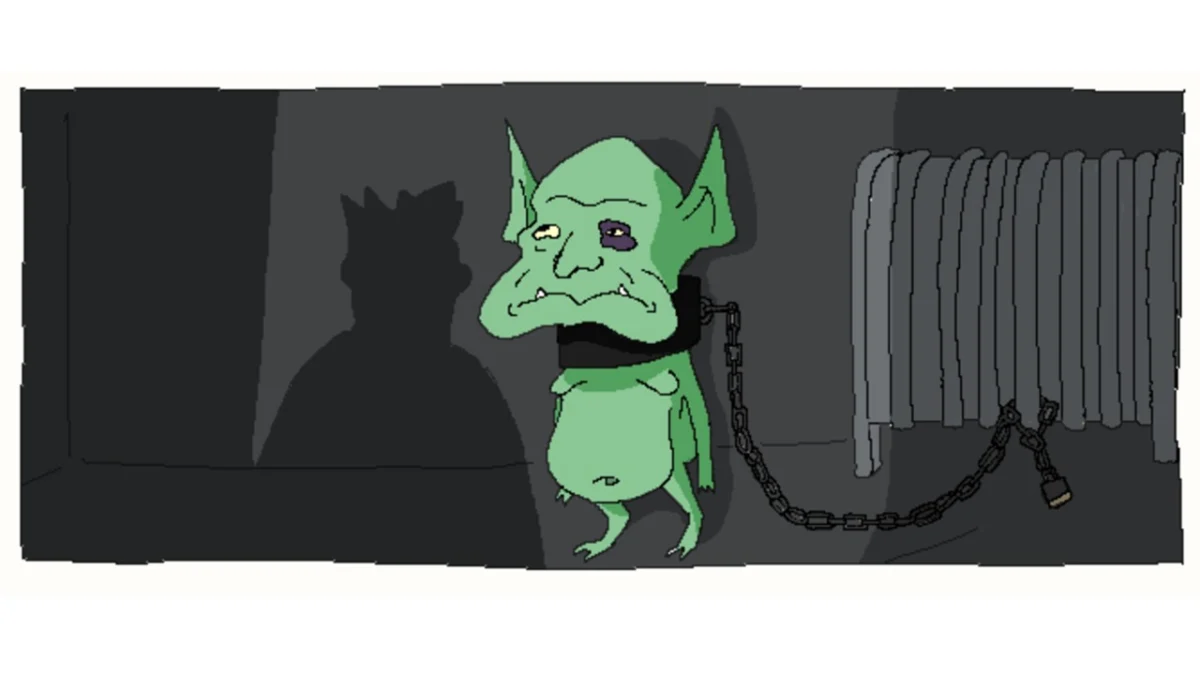
The Rise of Abuse Goblin: Examining the Viral Webcomic Phenomenon and Its Psychological Resonance in Digital Culture has emerged as one of the most polarizing and widely discussed digital art series of 2026, sparking a complex dialogue regarding dark humor, emotional displacement, and the boundaries of transgressive art. Created by the webcomic artist Vost, also known by the pseudonym Foolibuster, the series centers on a small, sentient creature known as the "Abuse Goblin." This character exists within the narrative for the sole purpose of serving as a physical and emotional outlet for its owner—a nondescript man in a green shirt and cargo shorts. Since its debut in early 2026, the series has transcended its niche origins on social media to become a significant cultural touchstone, generating millions of views and inspiring a diverse array of community responses ranging from parody to poignant "healing" fan art.
The Genesis of a Controversial Icon
The Abuse Goblin phenomenon began on January 23, 2026, when Vost uploaded the inaugural comic to the social media platform X (formerly Twitter). The strip, titled "Mindfulness," established the dark premise that would define the series. In the comic, the protagonist describes his "Abuse Goblin" to a therapist as a healthy outlet for his negative emotions. The therapist, initially dismissive of what she assumes is a metaphor, is contrasted with the final panel: the man returning home to find a physically battered goblin chained to a radiator. The abuser’s chilling line, "Guess who embarrassed me at therapy today?" served as the catalyst for the comic’s viral trajectory.
Within eight months of its initial posting, the debut comic amassed over 112,000 likes and more than 4.3 million views. The rapid spread of the image was driven by its jarring juxtaposition of mundane "self-care" language with overt, stylized cruelty. This subversion of the "mindfulness" movement resonated with an audience increasingly accustomed to "cringe" humor and transgressive digital content.
Narrative Structure and Recurring Motifs
As Vost continued to release subsequent installments throughout the first half of 2026, a clear narrative formula emerged. Each comic typically features the abuser interacting with an external party—usually his therapist—where he discusses his "progress" or "coping mechanisms." This is followed by a reveal of the creative and increasingly cruel ways he has targeted the goblin.
On February 2, 2026, the second comic, "New Beginnings," introduced the concept of the goblin being subjected to household hazards, specifically a microwave. This post garnered 54,000 likes within seven months, solidifying the character’s status as a recurring figure of misfortune. Throughout the spring of 2026, Vost released three additional comics (March 24, April 4, and May 5), which collectively earned hundreds of thousands of engagements. These installments explored different facets of the abuser’s psyche, including his attempts to involve the goblin in "late-night drives" and other seemingly normal activities that mask a sinister undertone.
The visual design of the characters plays a significant role in the series’ impact. The abuser is intentionally designed to look like an "everyman," suggesting that the capacity for such cruelty is hidden behind a mask of banality. Conversely, the Abuse Goblin is depicted with exaggerated, sympathetic features—large eyes and a small stature—designed to elicit a protective instinct in the viewer, which heightens the discomfort of the comic’s punchlines.
Chronology of Community Proliferation
The "Abuse Goblin" did not remain confined to Vost’s original posts. By May 2026, the character had become a "meme template," a vehicle for other artists and internet users to project their own commentary.
- May 5, 2026: User @BlutBaer quoted the comic on X, expressing a profound and visceral reaction to the content. This reaction post itself went viral, gaining 52,000 likes and highlighting the "visceral" nature of the series.
- Mid-May 2026: The series migrated to Reddit, specifically the /r/MoralityScaling subreddit. Users began to analyze the abuser’s actions through the lens of fictional moral alignment, debating where he fell on the spectrum between "Lawful Evil" and "Neutral Evil." This academic-style deconstruction of a webcomic character indicated a deep level of engagement with the source material.
- June 6, 2026: The subreddit /r/coaxedintoasnafu, known for deconstructing and satirizing popular internet trends, featured a "Snafu" version of the Abuse Goblin. This signaled that the character had reached a level of ubiquity where it was now being parodied for its own tropes.
- August 2026: The phenomenon reached its peak of community subversion. On August 14, artist Astrid_Regndottir posted a comic to /r/comics featuring an old witch rescuing and rehabilitating the Abuse Goblin. This "fix-it" fan art garnered 34,000 upvotes in a single week, reflecting a collective desire among the audience to see the character find relief.
Psychological Analysis: Why the Abuse Goblin Resonates
The viral success of the Abuse Goblin can be attributed to several psychological and cultural factors. At its core, the series is a literalization of the "kick the dog" trope—a storytelling device used to quickly establish a character’s villainy. However, Vost’s work adds a layer of modern psychological commentary by framing the abuse as a form of "therapy" or "self-care."
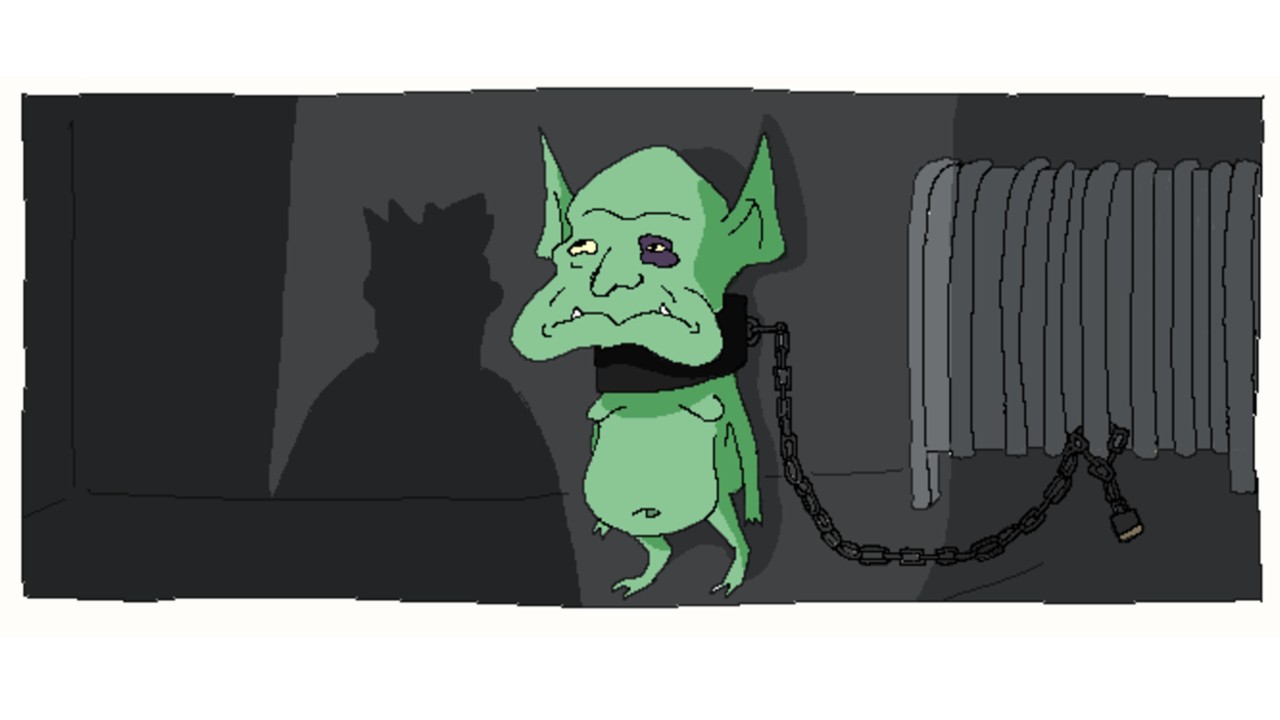
Psychological experts and cultural critics have noted that the comic taps into the concept of displacement—a defense mechanism where a person redirects a negative emotion from its original source to a less threatening recipient. By making the recipient a literal "goblin," the comic creates a distance that allows for dark humor, while the realistic "therapy" setting grounds the horror in reality.
Furthermore, the "Healing Movement" within the fan art community suggests a counter-reaction to the nihilism of the original series. The popularity of images showing the goblin being fed, bathed, or protected indicates that while the audience is drawn to the dark humor, there remains a strong empathetic drive to "correct" the injustice presented in the art.
Cross-Platform Impact and Derivative Works
The Abuse Goblin’s influence has extended into various subcultures of the internet. In August 2026, a crossover with the popular anime and manga series Frieren: Beyond Journey’s End appeared on X, where the titular character Frieren replaced the abuser. This redraw garnered over 16,000 likes, demonstrating the character’s adaptability into different fandoms.
On TikTok, the "Abuse Goblin" tag became a hub for short-form video content. Creators used the character to discuss their own frustrations or to create "POV" (point of view) videos where they "adopt" the goblin to save it from its original owner. This transition from static image to video format helped sustain the meme’s relevance throughout the late summer of 2026.
Even the animal kingdom was not exempt from the narrative. On August 24, Vost posted a comic involving the death of the goblin’s pet cockroach. This prompted an immediate "rescue" response from the community, with artist @Blkkites posting fan art asserting that "the pet is alive and well," a sentiment that received thousands of likes as users sought to mitigate the perceived cruelty of the original creator.
Ethical Implications and the Future of Transgressive Art
The Rise of the Abuse Goblin raises important questions about the role of cruelty in modern entertainment. Critics argue that the series flirts with the glorification of domestic violence, even if the victim is a fictional creature. Proponents, however, view it as a biting satire of the modern wellness industry and a raw look at the darker side of human nature that is often suppressed in polite society.
As 2026 progresses, the Abuse Goblin remains a potent symbol of the "dark webcomic" genre. Its ability to provoke such strong, conflicting emotions—from laughter to genuine distress—marks it as a significant achievement in digital storytelling. Whether the character will eventually find a "canon" happy ending or remain a perpetual victim of its creator’s imagination remains to be seen, but its impact on the digital landscape is undeniable.
The series serves as a reminder that in the age of viral content, the most successful creations are often those that challenge the viewer’s moral compass and force an emotional reaction, no matter how uncomfortable that reaction may be. The Abuse Goblin is not merely a comic character; it is a mirror reflecting the complexities of empathy, anger, and the human need for an "outlet" in an increasingly stressful world.

