
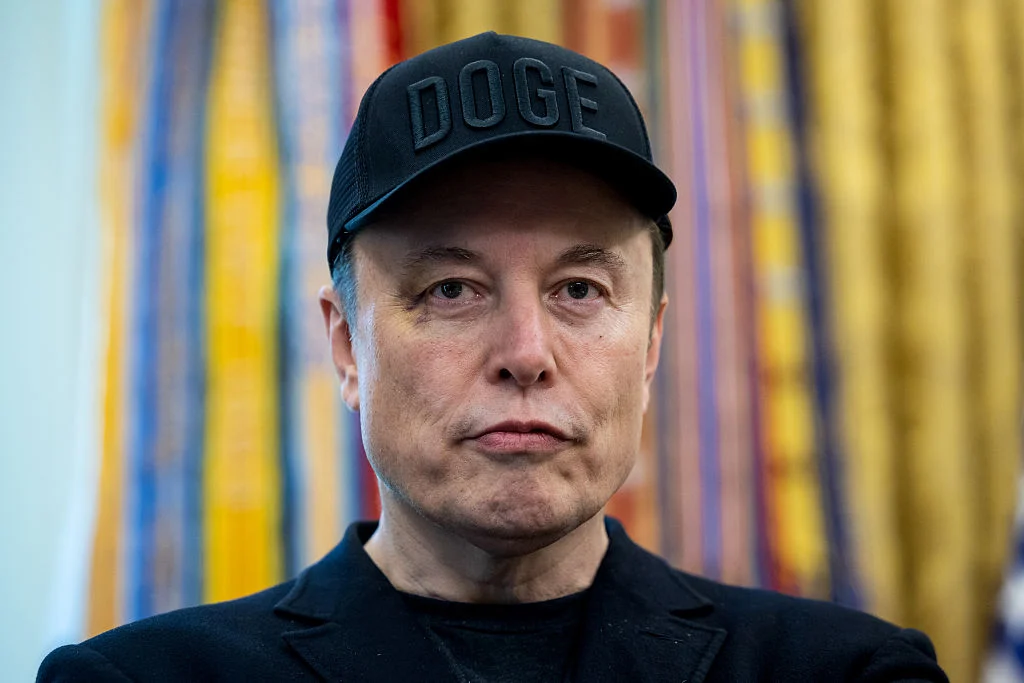
A significant controversy has unfolded in the digital advertising landscape, with major social media platforms initially rejecting paid advertisements for director Alex Gibney’s highly anticipated documentary, "Musk." This initial wave of rejections, widely reported by The Hollywood Reporter, sparked concerns about content moderation policies and potential censorship. However, a series of rapid reversals from Meta (Facebook, Instagram) and YouTube have since cleared the path for the film’s promotional efforts, while X (formerly Twitter), owned by the documentary’s subject, Elon Musk, remains a notable holdout. The unfolding narrative highlights the complex interplay between creative expression, platform governance, and the immense influence of public figures in the digital age.
The Initial Advertising Blockade and Industry Alarm
The controversy first surfaced when The Hollywood Reporter detailed that several prominent social media platforms—including TikTok, Meta (encompassing Facebook and Instagram), YouTube, and X—had declined to run paid ads promoting the trailer for Gibney’s film, simply titled "Musk." This broad rejection sent ripples through the film distribution industry, raising questions about the criteria used by these platforms to classify and moderate content, particularly for a critically acclaimed documentary.
Distributor Bleecker Street, responsible for the film’s U.S. release, expressed frustration and immediately appealed the rejections. The stated reasons for the initial refusal from Meta, TikTok, and YouTube largely revolved around the classification of the trailer as "political content," a category subject to stringent restrictions or outright bans on these platforms. Meta, for instance, had announced in the past its intention to cease accepting political ads in the European Union, while TikTok maintains a policy of not running them at all globally. The application of such a broad label to a documentary trailer, rather than a campaign advertisement, struck many as an overreach, prompting industry observers to question the nuance and consistency of these platforms’ content policies.
The situation with X, however, was notably distinct and less surprising. Elon Musk, the subject of the documentary and owner of the platform, has openly expressed his disdain for Gibney and the film. His widely publicized comment that "Dogshit is worth more respect than Gibney" clearly signaled a personal animosity that likely influenced X’s decision to reject the advertisements. This direct intervention by a platform owner against content critical of himself immediately distinguished X’s actions from the other platforms, where the rejections were ostensibly policy-driven.
Rapid Reversals: Meta and YouTube Clear the Air
The initial reporting on the ad rejections quickly garnered significant media attention, prompting swift responses from the implicated platforms. Within hours of the story breaking, TechCrunch reached out to Meta for clarification. A spokesperson for Meta promptly acknowledged an "error" in their system and confirmed that the ads for "Musk" were being restored. This rapid retraction suggested that the initial classification might have been an automated or mistaken application of their content moderation rules, rather than a deliberate editorial decision against the film.
Similarly, YouTube issued an update via its official social media channels, clarifying its position. The platform stated that the trailer for "Musk" had "always been available on YouTube" for organic viewing, indicating no general ban on the film’s content. However, when the trailer was "submitted as an ad," it was "temporarily restricted by our system." Following a manual review, YouTube announced that "the ad has been cleared to run." This explanation pointed towards an algorithmic flag or an initial automated review process that misidentified the nature of the content when presented in an advertising context. The prompt human review and subsequent clearance demonstrated a responsiveness to public and media scrutiny.
These reversals from Meta and YouTube underscore the often-imperfect nature of large-scale content moderation systems, which frequently rely on automated processes to manage the immense volume of content flowing through their platforms. While designed to enforce policies against genuine political interference, misinformation, or harmful content, these systems can sometimes miscategorize legitimate journalistic or artistic works, especially those that touch on sensitive or controversial public figures. The subsequent human intervention and policy correction, while welcome, also highlight the potential for initial errors to significantly impede a film’s promotional rollout.
The Enduring "X Factor": Musk’s Personal Stance
In stark contrast to Meta and YouTube’s swift rectifications, X has maintained its stance against running advertisements for "Musk." This situation is particularly fraught given Elon Musk’s direct ownership and control over the platform. His public denigration of Gibney and the documentary makes X’s rejection less about an ambiguous "political content" policy and more about the personal preferences and power of the platform’s proprietor.
This scenario raises fundamental questions about the role of social media platforms in facilitating open discourse, especially when the owner of such a platform is also a prominent public figure who is the subject of critical media. While X, like other platforms, has terms of service, the explicit personal animosity displayed by Musk towards the film creates a perception of biased content moderation that goes beyond typical platform guidelines. Critics argue that this demonstrates a worrying trend where powerful individuals can leverage their ownership of critical communication infrastructure to suppress content they dislike, directly impacting freedom of expression and the ability of independent journalism to reach a broad audience. The lack of a reversal or even a formal explanation from X, beyond Musk’s personal comments, further solidifies this concern.
Alex Gibney: A Legacy of Incisive Documentaries
The documentary "Musk" is helmed by Alex Gibney, an Academy Award-winning director renowned for his investigative and often provocative documentaries. Gibney’s filmography is a testament to his commitment to unearthing complex truths about powerful individuals and institutions. His acclaimed works include "Going Clear: Scientology and the Prison of Belief" (2015), which meticulously examined the Church of Scientology, and "The Inventor: Out for Blood in Silicon Valley" (2019), a gripping exposé on Elizabeth Holmes and the Theranos scandal. He has also directed a film about Steve Jobs, showcasing his consistent interest in the figures shaping the tech world.
Given Gibney’s established reputation for rigorous research and critical examination, "Musk" arrives with significant expectations. The film premiered at the Venice International Film Festival earlier this month to almost universally positive reviews. It currently boasts a rare 100% "fresh" rating on Rotten Tomatoes and strong scores on Metacritic, indicating a consensus among critics regarding its quality and significance. This critical acclaim only amplified the frustration surrounding the initial advertising rejections, as it suggested a film of considerable journalistic merit was being hampered in its ability to reach potential audiences.
Vulture’s Bilge Ebiri described the nearly four-hour documentary as a revealing look into Musk’s multifaceted career in technology, his often-controversial alliance with former President Donald Trump, and intimate details of his personal life. The film features interviews with key figures, including Musk’s ex-wife Justine Musk, and former right-wing influencer Ashley St. Clair, who recently had a child with Musk and now controversially describes him as "a nuke." Ebiri lauded the film as a "fascinating" character study, remarking that "As a tale of modern business, it’s revealing. And as a warning about our future, it’s terrifying." Such strong critical reception underscores the film’s potential to contribute significantly to public discourse surrounding one of the most influential and polarizing figures of our time.
Broader Distribution Challenges and the Shadow of Influence
Beyond the advertising controversies, "Musk" has faced other distribution hurdles that suggest a broader climate of apprehension surrounding the film. The Hollywood Reporter previously indicated that Universal Pictures was reportedly wavering in its commitment to distribute the film internationally. The alleged reason cited was the studio’s fear of angering the Trump administration, with whom Musk has a complex and evolving relationship. While Universal subsequently stated that it would release the documentary in theaters, its international release strategy remains under discussion, suggesting that concerns about political or corporate backlash might still be influencing distribution decisions.
This situation, coupled with the initial ad rejections, paints a picture of a film that, despite its critical accolades, is navigating a challenging landscape marked by the immense power and influence of its subject and the political sensitivities surrounding him. It raises questions about the extent to which major studios and platforms are willing to support content that might be perceived as critical of powerful individuals or political factions, potentially impacting their broader business interests. The fear of "angering" influential figures, whether political leaders or billionaire tech moguls, can have a chilling effect on the distribution and visibility of critical and independent media.
Implications for Freedom of Expression and Platform Governance
The "Musk" documentary advertising saga serves as a compelling case study on several critical issues at the intersection of media, technology, and free expression. Firstly, it highlights the ongoing struggle to define "political content" in an era where virtually any public figure, particularly one with global influence like Elon Musk, can become a political flashpoint. The broad application of "political content" rules to a documentary, rather than a partisan advertisement, raises concerns about stifling legitimate journalistic inquiry and artistic expression that contributes to public understanding.
Secondly, the incident underscores the immense power wielded by social media platforms as gatekeepers of information and public discourse. Their content moderation policies, whether automated or human-driven, can significantly impact the visibility and reach of content. The rapid reversals by Meta and YouTube, while positive, also reveal the fragility of these systems and the potential for initial errors to have significant consequences. It emphasizes the need for greater transparency, clearer guidelines, and robust appeal processes for content creators.
Thirdly, X’s singular stance, influenced by its owner’s personal vendetta, brings into sharp focus the ethical dilemmas surrounding platform ownership. When a platform owner can directly intervene to suppress content critical of themselves, it erodes trust in the platform’s neutrality and raises alarms about censorship and the weaponization of digital infrastructure. This situation is particularly concerning given X’s role as a major global communication channel, highlighting the need for discussions around platform accountability and the potential for regulatory oversight to safeguard principles of free speech.
As "Musk" prepares for its theatrical release in the United States on October 9, the advertising controversy has undoubtedly added another layer to its narrative. While Meta and YouTube’s ads are now cleared, the initial resistance and X’s ongoing rejection serve as a stark reminder of the complex, often unpredictable, and sometimes personally influenced terrain that critical documentaries must navigate in the digital age. The film’s journey to screens will continue to be watched not just for its content, but also for the broader implications of its struggle for visibility in a media landscape increasingly shaped by powerful platforms and their even more powerful owners. The debate over who controls the digital airwaves and what voices are amplified or muted is far from over.

