
The Genesis of a Synthetic Viral Sensation
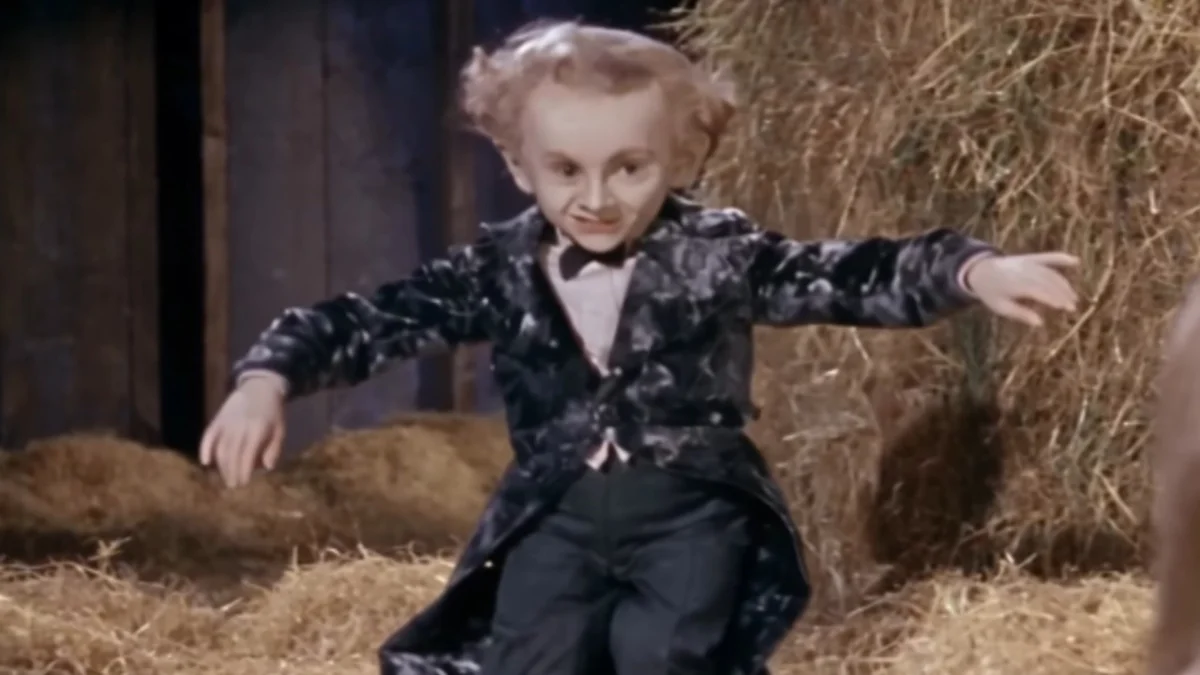
The origins of the AI Rumpelstiltskin video can be traced back to a collaborative effort in the burgeoning field of AI-generated content (AIGC). On August 27, 2024, the Instagram pages Stroinaya, Neuroferma, and Anna Glinskaya posted a high-fidelity video generated through advanced AI video synthesis tools. The clip was designed to mimic the visual language of a high-budget 1980s fantasy film, utilizing a specific color palette and film grain characteristic of the era.
The narrative of the short clip depicts the folklore character Rumpelstiltskin performing a rhythmic, eccentric dance within a rustic barn setting. As he moves, he magically transforms straw into gold, adhering to the traditional Brothers Grimm fairy tale. The sequence concludes with a princess kissing the character, triggering a transformation into a tall, conventionally handsome prince. While the visual content was impressive from a technical standpoint, garnering over 840 shares within its first month, it remained a niche piece of digital art until it underwent a transformative "meme-ification" process in late September.
Chronological Evolution: From Concept to Global Viral Status
The transition from a technical demonstration to a global meme began on September 29, 2024. A TikTok user operating under the handle @6aimbot9 took the original AI footage and stripped its original audio, replacing it with the 2014 track "TIP TOE WING IN MY JAWWDINZ" by the eccentric Houston rapper Riff Raff. The creator added a relatable caption: "The type of dreams I be having after taking dollar store melatonin." This specific combination of surreal visuals, rhythmic "sneaking" music, and a caption centered on sleep-induced hallucinations struck a chord with the platform’s algorithm, amassing over 850,000 views in less than a week.
By October 1, 2024, the meme migrated to X (formerly Twitter), where its reach expanded exponentially. User @itsjusttimbro shared the clip, which subsequently garnered over 9.8 million views and 11,000 likes in a five-day window. The migration to X marked a shift in the meme’s usage; it moved from being a joke about dreams to a versatile reaction template used for political and social commentary.
On the same day, international audiences began adopting the format. Notably, user @Cintiarella utilized the clip to comment on the economic climate in Argentina, quoting a call for investment and pairing it with the dancing Rumpelstiltskin to represent the perceived reality of the situation. This post gained 18,000 likes, demonstrating the meme’s utility in political satire.
The Aesthetic of 1980s Dark Fantasy AI
The success of the Rumpelstiltskin meme is deeply rooted in the "80s Dark Fantasy" AI trend that has permeated platforms like TikTok and YouTube over the past year. This aesthetic movement utilizes generative tools like Midjourney, Luma Dream Machine, and Kling AI to imagine modern properties or classic tales as if they were directed by figures like Jim Henson, Ridley Scott, or Terry Gilliam.
The specific appeal of the Rumpelstiltskin clip lies in its hyper-realistic yet slightly "off" movements. The character’s dance possesses a weight and fluidness that mimics practical effects and puppetry, leading many viewers to believe they were looking at a lost cult classic from 1987. This aesthetic choice taps into a collective cultural memory of films such as Labyrinth, The Dark Crystal, and Legend, where the line between the whimsical and the grotesque was frequently blurred.
The Intersection of Sound and Visual: The Riff Raff Catalyst
The choice of Riff Raff’s "TIP TOE WING IN MY JAWWDINZ" as the backing track was a decisive factor in the meme’s virality. The song, known for its minimalist, atmospheric beat and Riff Raff’s unique cadence, provides a rhythmic structure that perfectly matches the "tiptoeing" motion of the AI-generated character.
Originally released in 2014, the song had already seen several cycles of internet popularity. However, its pairing with the Rumpelstiltskin visual provided a fresh context. The lyrics, which reference sneaking around in expensive sneakers, create a humorous juxtaposition with the medieval, grimy setting of the barn. This contrast between "street" culture and high-fantasy folklore is a hallmark of successful internet humor, creating a cognitive dissonance that encourages engagement and sharing.
Technological Implications and the Challenge of Misinformation
As the video proliferated, it sparked a significant wave of digital misinformation. Thousands of users across social media platforms engaged in debates regarding the video’s authenticity. A substantial portion of the audience believed the clip was a deleted scene from the 1987 film Rumpelstiltskin or a segment from an obscure Soviet-era Russian fairy tale movie.
On October 5, 2024, X user @timderoche speculated that the clip might have been the inspiration for David Lynch’s "Dancing Dwarf" in the series Twin Peaks. This incident highlights a growing concern in the era of generative AI: the "erosion of the archive." When AI can produce footage that is indistinguishable from historical film stock to the untrained eye, the collective understanding of film history becomes vulnerable to distortion. Fact-checking communities eventually confirmed the video’s AI origins, but the speed at which the misinformation spread underscores the increasing difficulty of verifying digital content.
Derivative Content and the Proliferation of AI Face-Swapping
Following the initial viral wave, the meme entered its third stage: the derivative phase. By early October 2024, users began using AI "face-swap" and "image-to-video" tools to replace Rumpelstiltskin with other recognizable figures.
- Gaming Culture: On October 3, user @RoyalSerf replaced Rumpelstiltskin with the likeness of popular Twitch streamer Asmongold, garnering over 13,000 likes.
- Entertainment Media: TikToker @ns7films produced versions featuring characters from the TV series Supernatural (Sam and Dean Winchester) and the Marvel character Deadpool. These iterations often maintained the "Tip Toe" audio but tailored the visuals to specific fandoms, ensuring the meme’s longevity.
- Political Satire: Users also applied the template to political figures, including U.S. Vice Presidential candidate J.D. Vance, using the dance to mock public appearances or policy stances.
This phase of the meme’s life cycle demonstrates the democratization of content creation. Tools that were once the province of high-end VFX studios are now available to individual creators, allowing for the rapid iteration of viral trends.
Cultural Impact and the Future of AI-Generated Memetics
The AI Rumpelstiltskin phenomenon is more than a fleeting internet joke; it represents a shift in how digital culture is consumed and created. It marks the transition from "remix culture"—where creators edited existing footage—to "generative culture," where the footage itself is a programmable asset.
From a sociological perspective, the meme’s popularity suggests a fascination with the "uncanny." The Rumpelstiltskin character is neither fully human nor fully cartoonish; he exists in a digital limbo that fascinates and repels viewers simultaneously. This "creepy-cool" factor is a powerful driver of engagement in the current attention economy.
Furthermore, the meme’s success provides a blueprint for future AI-driven marketing and entertainment. It proves that there is a massive audience for content that evokes nostalgia while delivering something entirely new. However, the accompanying confusion regarding the video’s origin serves as a cautionary tale. As AI video generators continue to improve, the need for robust digital watermarking and media literacy will become increasingly critical.
In conclusion, AI Rumpelstiltskin Tip Toein In My Jordans stands as a landmark in the 2024 digital landscape. It combined the technical prowess of Russian AI creators with the absurdist humor of American TikTok culture and the global reach of X. As the meme continues to evolve through deepfakes and new iterations, it leaves behind a legacy that is part technical marvel, part cautionary tale, and entirely a product of the generative age. The "Little Man" dancing in a barn has become a symbol of a new era where history can be manufactured, and the only limit to viral content is the creativity of the prompt.

