
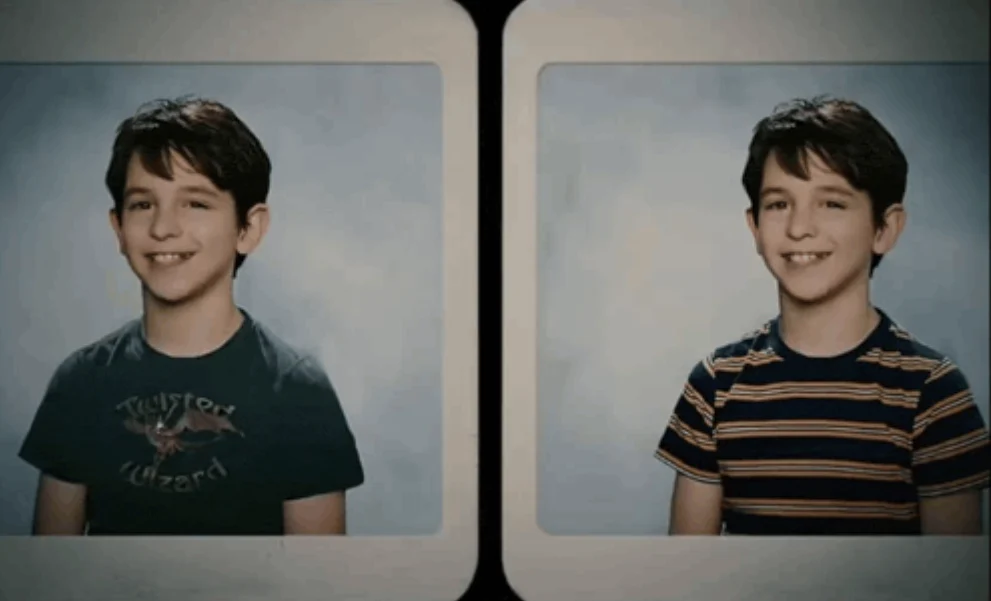
The digital landscape of social media is frequently defined by the cyclical nature of nostalgia, where artifacts from early 2010s cinema are repurposed to comment on contemporary social pressures. Among the most prominent examples to emerge in recent years is the Greg Heffley Yearbook Photo, also known as the Greg Heffley Before and After meme. This reaction image, derived from the 2010 live-action film Diary of a Wimpy Kid, has become a cornerstone of online discourse, particularly on platforms like TikTok and X. By utilizing two nearly identical school portraits of the character Greg Heffley, portrayed by Zachary Gordon, the meme serves as a satirical tool to mock underwhelming physical transformations or "glow-ups." Its rise highlights a broader cultural shift toward self-deprecating humor and a rejection of the curated perfection often demanded by modern social media algorithms.
Cinematic Foundations and Visual Composition
The visual origin of the meme is rooted in the production of the 2010 film Diary of a Wimpy Kid, directed by Thor Freudenthal and based on the best-selling graphic novel series by Jeff Kinney. The film centers on the middle-school tribulations of Greg Heffley, a character defined by his social ambition and frequent lack of self-awareness. The specific images used in the meme are stylized school portraits featuring Heffley in a "Twisted Wizard" T-shirt—a reference to a fictional video game within the series that symbolizes Greg’s adolescent interests.
The power of the image lies in its deliberate awkwardness. Zachary Gordon’s portrayal captures the quintessential discomfort of the pre-teen years: the forced smile, the rigid posture, and the sense of being caught between childhood and the desire for maturity. When these images are paired side-by-side in a "before and after" format, the humor stems from the absolute lack of change between the two frames. While traditional transformation videos on social media showcase dramatic weight loss, muscle gain, or stylistic evolution, the Greg Heffley variant suggests a stagnant reality that resonates with a generation weary of unrealistic beauty standards.
Chronological Evolution and Viral Proliferation
The trajectory of the Greg Heffley Yearbook Photo from a cinematic still to a viral phenomenon followed a multi-stage migration across different social platforms. While Diary of a Wimpy Kid has maintained a steady presence in the collective memory of Gen Z and Gen Alpha, its specific weaponization as a reaction image began to see significant traction in the mid-2020s.
On August 27, 2025, the format gained early visibility on the platform X. A post by user @CHEETAHDEMA utilized the comparison to critique a lackluster transformation, garnering over 43,350 views and 2,490 likes within its first year. This initial spike in interest demonstrated the meme’s utility as a "visual shorthand" for disappointment. By removing the need for a text-based critique, the image allowed users to communicate a complex sense of unimpressed irony instantaneously.
The meme reached its cultural zenith in 2026 when it transitioned to TikTok. On March 22, 2026, TikTok user @dan_goodright posted a video acknowledging the humor of the image and its increasing ubiquity in comment sections. The video, which highlighted the "barely changed" nature of the photo, received 158,700 views and 24,300 likes. The momentum continued through the summer of 2026. On August 4, user @xen_xfy shared a clip of the original film, identifying the exact moment the "meme" appeared, which secured 392,700 views.
The most significant metric of the meme’s impact occurred on August 9, 2026, when user @totally_notvida used the image to joke about returning to school with no physical changes. This specific application resonated deeply with the student demographic, resulting in 4.4 million views and over 550,000 likes. At this stage, the Greg Heffley Yearbook Photo had evolved from a niche joke into a standardized reaction tool used across millions of interactions.
The Psychology of the "Same-Up" and Social Critique
The popularity of the Greg Heffley Before and After meme can be analyzed through the lens of psychological relatability and social critique. In the current "influencer" era, users are bombarded with "glow-up" content—highly edited, often filtered videos that document radical transformations over short periods. These videos often set unrealistic expectations for physical development and personal growth.
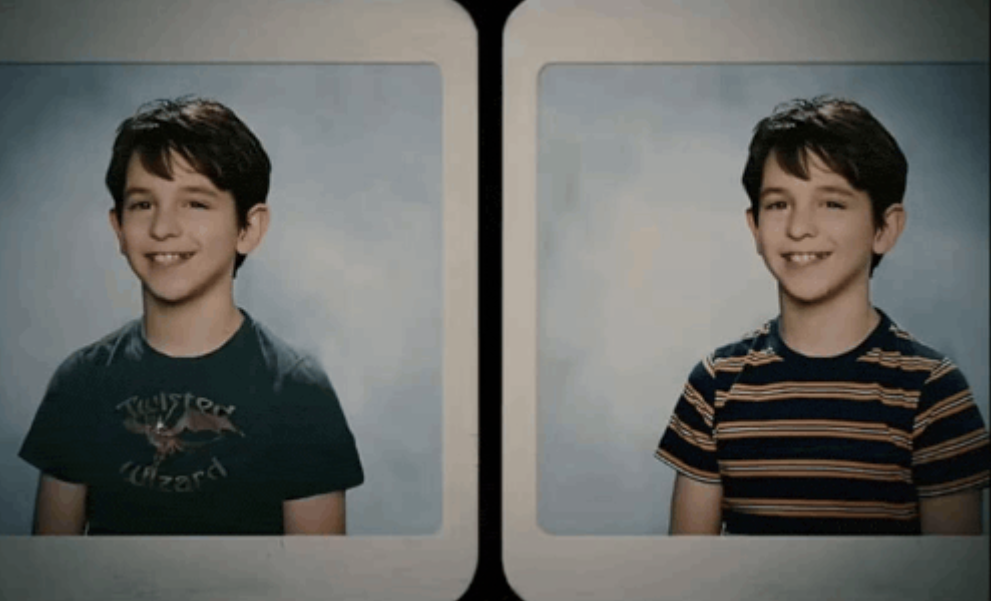
The Heffley meme acts as a "same-up," a humorous counter-narrative that celebrates, or at least acknowledges, the reality of the average person’s lack of transformation. It provides a sense of communal relief. By posting the image in response to a mediocre glow-up video, users are engaging in a form of "digital leveling," where the pressure to be extraordinary is replaced by the shared acknowledgment of being ordinary.
Furthermore, the character of Greg Heffley himself adds a layer of irony. In the books and films, Heffley is often criticized for his narcissism and his desperate need to appear "cool" or "popular." Using his image to mock others who are trying to appear transformed is a meta-commentary on the character’s own failed social aspirations. It suggests that the person in the video, like Greg, is perhaps trying too hard to project a version of themselves that doesn’t actually exist.
Technical Analysis of Meme Usage and Engagement
From a technical standpoint, the Greg Heffley Yearbook Photo functions as a highly versatile "image macro." Its primary use cases include:
- Comment Section Stunts: On TikTok, users frequently "spam" the image in the comments of videos where a creator asks, "How much did I change?" or "Rate my transformation."
- Self-Deprecation: Creators use the template to describe their own lack of progress in fitness, fashion, or general life milestones.
- Academic Contexts: The yearbook setting makes it particularly potent for "Back to School" or "Graduation" season, where users compare their freshman and senior photos to humorous effect.
The engagement data suggests that the meme thrives on simplicity. Unlike complex video memes that require editing skills, the Greg Heffley photo is a static asset that can be deployed with a single click. This low barrier to entry, combined with the high recognizability of the Diary of a Wimpy Kid franchise, ensured its rapid saturation of the market.
Broader Implications for Digital Communication
The rise of the Greg Heffley Yearbook Photo reflects a broader trend in how digital natives communicate. We are seeing a shift away from text-based discourse toward "visual vernacular." In this system, a specific image carries a predetermined set of emotions and meanings that would take paragraphs to explain in writing. The Heffley photo represents the concepts of "stagnation," "irony," "awkwardness," and "underwhelming results" simultaneously.
Additionally, the meme underscores the enduring power of early 21st-century intellectual property. The Diary of a Wimpy Kid series has managed to remain relevant for over two decades by transitioning from books to films to animated reboots and, finally, to the foundational layer of internet memes. This "IP longevity" is crucial for advertisers and content creators to understand, as it demonstrates how childhood nostalgia can be converted into high-engagement digital currency.
Conclusion and Future Outlook
As of late 2026, the Greg Heffley Yearbook Photo remains a staple of social media reaction culture. While all memes eventually face the risk of "over-saturation" or "normification," the specific utility of this image—its ability to succinctly mock the "glow-up" trend—provides it with a level of functional longevity that many ephemeral memes lack.
The phenomenon serves as a reminder that the most successful internet trends are often those that tap into universal human experiences. The awkwardness of the school photo, the desire for self-improvement, and the eventual realization that we haven’t changed as much as we thought are themes that transcend specific platforms or years. As long as social media continues to prioritize transformation narratives, the Greg Heffley Yearbook Photo will likely remain the preferred tool for those looking to inject a dose of reality, and a bit of "wimpy" humor, into the conversation.

