
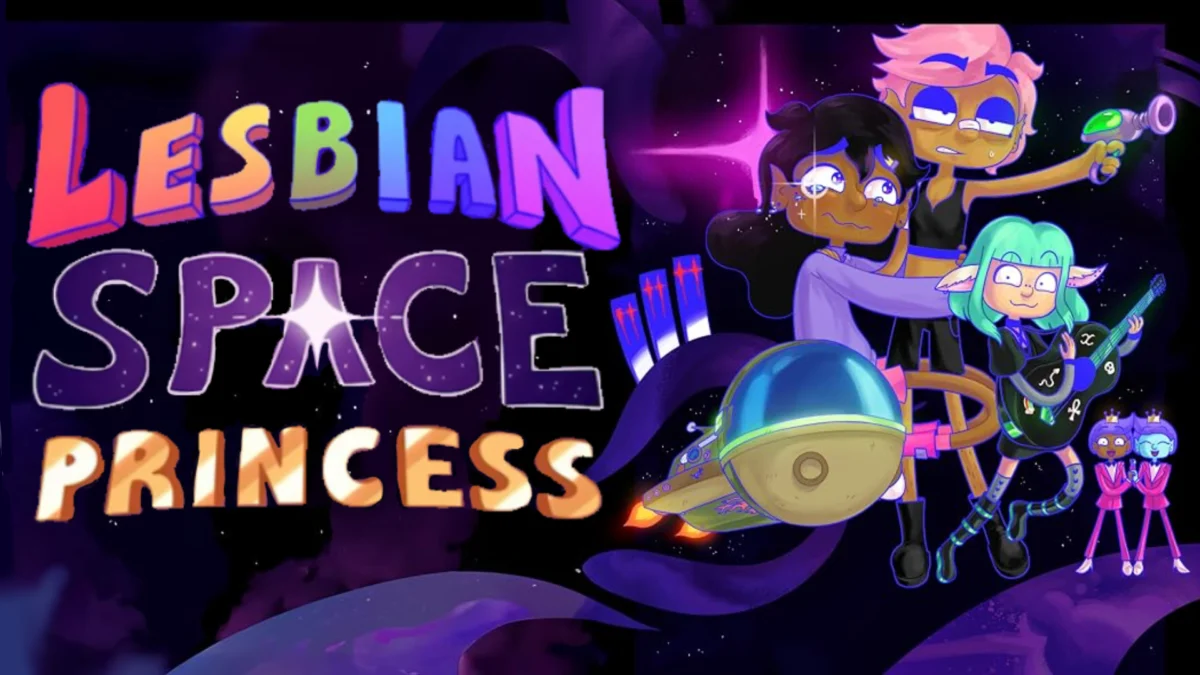
Production Genesis and Creative Vision
The origins of Lesbian Space Princess can be traced back to the Film Lab: New Voices program, a strategic collaboration between the South Australian Film Corporation (SAFC), the Adelaide Film Festival, and Screen Australia. This initiative was designed to provide a platform for emerging filmmakers to create low-budget, high-concept feature films. Hobbs and Varghese, known for their distinct comedic voices and background in short-form animation, utilized the platform to craft a narrative that combined absurdist science fiction with contemporary queer identity politics.
The film follows the journey of Princess Saira, characterized as an introverted and socially anxious royal from the planet Clitopolis. The plot is set in motion when her bounty-hunter ex-girlfriend, Kiki, is abducted by a group known as the Straight White Maliens. This narrative framework serves as a vehicle for a broader satire of genre tropes, toxic relationships, and societal expectations. The production team employed a vibrant, stylized aesthetic that blended traditional 2D sensibilities with modern digital techniques, aiming for an "adult-swim" style of visual storytelling.
Critical Acclaim and the Festival Circuit
Upon its completion, Lesbian Space Princess enjoyed a highly successful run at various international film festivals. It received a preview screening at the Adelaide Film Festival in October 2024, where it was noted for its subversive humor and unique Australian perspective. However, its most significant critical achievement occurred in February 2025 at the Berlin International Film Festival (Berlinale). The film was awarded the Teddy Award for Best Feature Film, an independent jury award for films with LGBTQ+ themes.
Critics largely praised the film for its "fearless" approach to comedy. On the review aggregator Rotten Tomatoes, the film maintained a critic score of approximately 98 percent for over a year. Reviewers highlighted the chemistry between the lead characters and the film’s ability to use "crude" humor to explore genuine emotional vulnerabilities. At this stage in its lifecycle, the film was viewed primarily as a niche success, appealing to fans of adult animation and the queer community.
The August 2026 Viral Resurgence
The trajectory of Lesbian Space Princess shifted dramatically in August 2026. Following a distribution deal that saw the film added to Netflix’s catalog in several international territories, it began appearing in the recommendation feeds of a much broader, mainstream audience. This exposure to viewers who were unfamiliar with the film’s satirical context or the specific subculture of independent Australian animation triggered a rapid and intense backlash.
The catalyst for the online controversy was a series of clips circulated on TikTok, X (formerly Twitter), and Reddit. These clips often focused on the film’s more provocative elements, such as the naming of the planet Clitopolis and the portrayal of the antagonistic "Straight White Maliens." Within days, the film became a central topic of discourse, with many users criticizing the humor as "forced," "cringe-inducing," or "dated."
One notable instance occurred on August 21, 2026, when TikTok user @xtoofarx shared a clip of the film’s opening sequence with a caption describing it as the "worst way to start a movie." The post garnered over 5.4 million views in less than 72 hours, effectively turning the film into a viral "anti-meme." This was followed by a similar post from user @leahashwag on August 23, which showed the user closing her laptop in apparent disgust after watching the introduction; this video reached 5.5 million views within 48 hours.
The Great Fandom Truce of 2026
As the negativity surrounding the film intensified, it birthed a unique internet subculture known as "The Great Fandom Truce of 2026." This phenomenon involved users from traditionally rivalrous online communities—such as fans of different anime series, video games, or pop stars—claiming to put aside their differences to unite in their shared dislike of Lesbian Space Princess.
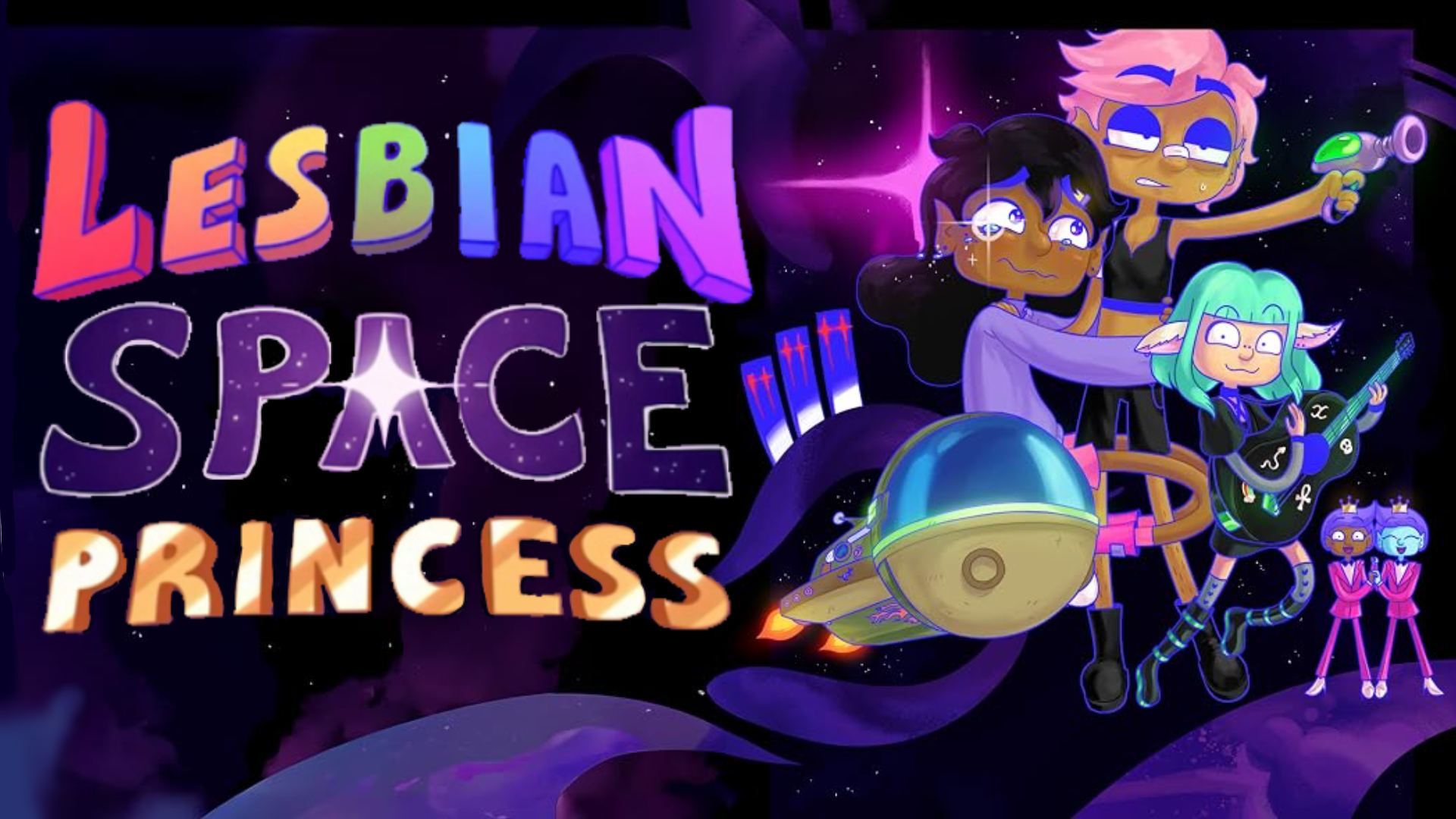
The "Just This Once" meme became the primary expression of this truce. Users would post images of legendary rivals shaking hands or teaming up, accompanied by captions suggesting that the film was so universally disliked that it had achieved the impossible task of bringing peace to the internet. For example, TikTok user @blitzing00 posted an edit depicting a coalition of fandoms "teaming up" to stop the film’s perceived cultural spread, which received 1.5 million views. Another user, @fennix4007, utilized clips from My Little Pony: Friendship is Magic to illustrate a similar scenario, gaining 2.6 million views.
This collective reaction highlighted a growing trend in digital culture where "hate-watching" or communal mockery serves as a powerful engine for social engagement. The film was no longer being judged as a piece of cinema, but as a symbolic entity that allowed different internet tribes to perform a sense of unity.
Analytical Context: Satire vs. Literalism
The backlash against Lesbian Space Princess offers a compelling case study in the breakdown of satire in the age of global algorithms. While the film’s creators intended for the "Straight White Maliens" and "Clitopolis" to be hyperbolic satires of gender dynamics and science fiction tropes, many viewers on social media interpreted these elements literally.
In a digital environment where nuance is often sacrificed for brevity, the film’s deliberately "loud" and "gross-out" humor was stripped of its context. To many international viewers, the film appeared to be a sincere attempt at "progressive" storytelling that missed the mark, rather than a self-aware parody of the very tropes it was accused of embodying. This disconnect was exacerbated by the film’s 98 percent critic score, which created a "critics vs. audience" narrative that is common in modern cultural discourse.
Industry Implications and Official Responses
While neither the directors nor the South Australian Film Corporation have released extensive formal statements regarding the 2026 backlash, the event has raised questions about the distribution of niche content on global platforms. The "Netflix Effect"—where a small project is suddenly thrust into the global spotlight—can provide unprecedented visibility but also exposes creators to a scale of scrutiny that low-budget independent films are rarely equipped to handle.
Industry analysts suggest that the Lesbian Space Princess phenomenon may lead to more cautious marketing strategies for independent animated features. However, some argue that the "infamy" has its own value. Despite the widespread mockery, search interest for the film reached an all-time high in late August 2026, potentially driving a new wave of viewers who were curious to see if the film was as "bad" as the memes suggested.
Broader Impact on Adult Animation
The legacy of Lesbian Space Princess is likely to be defined by its dual identity: a celebrated achievement in Australian indie cinema and a symbol of internet-wide derision. It joins a small group of films that have become "cult" classics not through a slow build-up of fans, but through a sudden explosion of digital notoriety.
For the Australian animation sector, the film remains a success in terms of production and craft, proving that local creators can compete on a global stage and win top-tier awards like the Teddy at Berlinale. For the wider world of adult animation, it serves as a reminder of the genre’s power to provoke and the unpredictable nature of audience reception in the 2020s. Whether the "Great Fandom Truce" will be remembered as a fleeting joke or a significant shift in how the internet interacts with niche media remains to be seen, but Lesbian Space Princess has undoubtedly secured its place in the history of 21st-century digital culture.

