
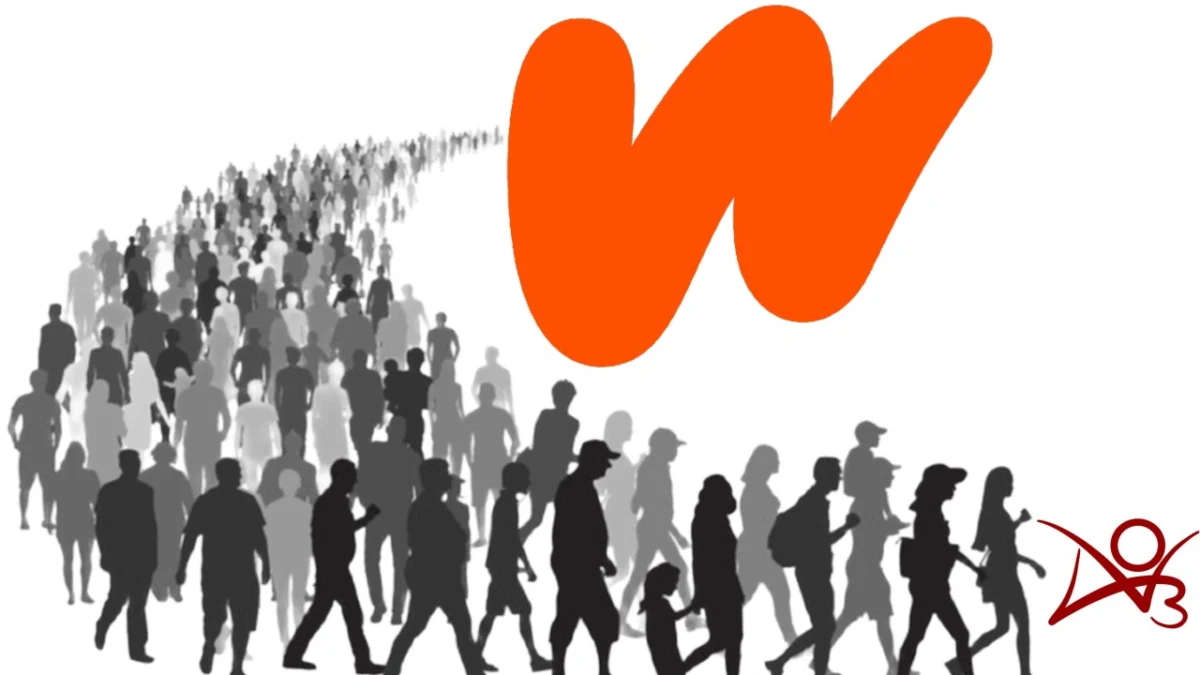
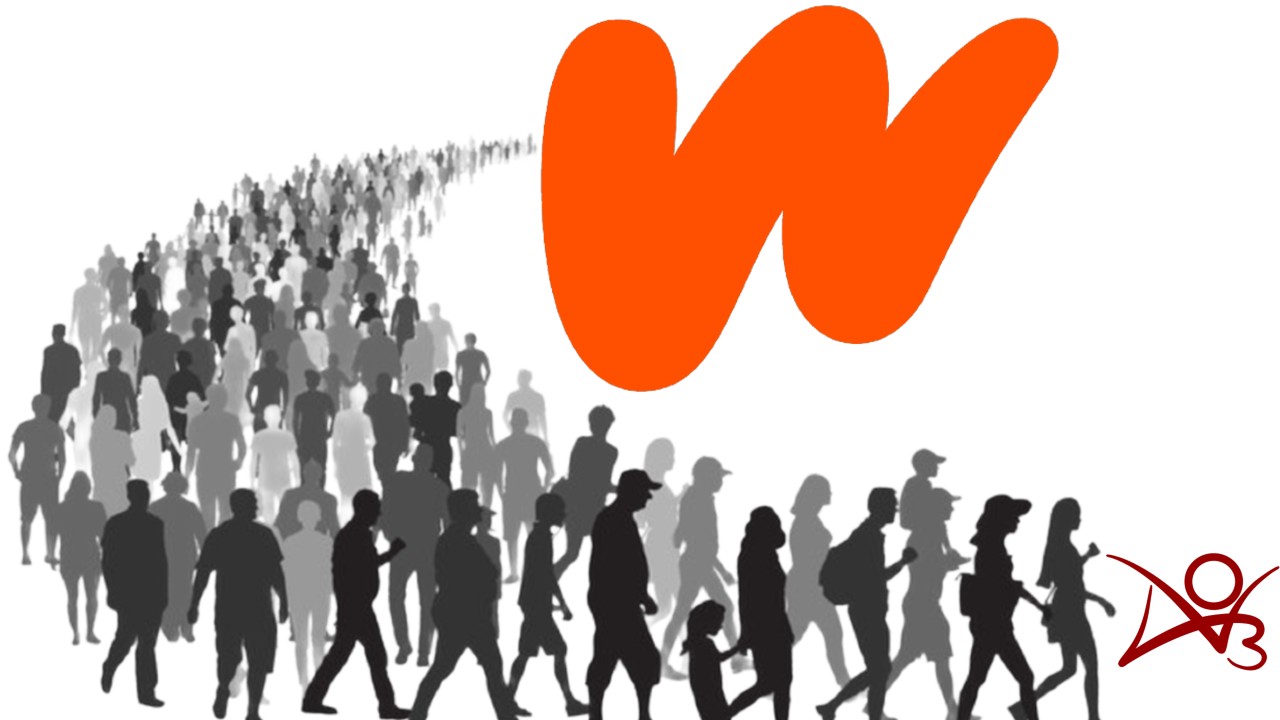
The Catalyst: August 2026 Policy Revisions
The friction began on August 10, 2026, when Wattpad officially updated its Community Guidelines. The revisions were intended to streamline the platform’s moderation process but were immediately met with scrutiny by the site’s vast user base, which exceeds 90 million monthly users. The updated language specifically targeted several categories of content, including depictions of non-consensual sexual acts, the glorification of sexual violence, and illegal acts involving minors.
Furthermore, the guidelines introduced more stringent definitions for "pornographic content," specifically banning material deemed to be created "solely for the purpose of sexual arousal." This phrasing caused immediate alarm among writers of romance and "smut"—a colloquial term for erotica within the fanfiction community. Many creators argued that the distinction between "literary romance" and "content for arousal" is inherently subjective, leaving their work vulnerable to arbitrary deletion by automated moderation bots or biased reporting.
Chronology of the Digital Exodus
The timeline of the "Wattpad Migration" moved rapidly from internal platform concerns to a broader internet phenomenon.
August 10, 2026: Wattpad implements the updated language in its Content Guidelines. Almost immediately, reports surfaced on social media of long-standing stories being "shadow-banned" or deleted without prior warning.
August 15, 2026: A post on the r/AO3 subreddit by a user identified as pinknautilidae went viral. The post shared screenshots of the new guidelines and issued a warning to the AO3 community: "We better brace ourselves, we are probably gonna receive all the Wattpad refugees." The post highlighted the "batshit crazy" nature of the censorship and expressed concern that the influx of younger, Wattpad-trained users might disrupt the established etiquette of AO3.
August 16–18, 2026: The discourse spread to X (formerly Twitter) and TikTok. Users began sharing tutorials on how to export Wattpad stories to AO3. During this period, X user @rubyartemisblue noted the appearance of "placeholder fics" on AO3—entries with titles and tags but no content, used by migrating authors to "claim their spot" or test the platform. This practice is generally frowned upon by the AO3 community, further fueling tensions between the two demographics.
August 19, 2026: Technical strain became apparent on Archive of Our Own. The platform, which operates on an invitation-only basis to manage server load and prevent spam, saw its invitation queue swell. Redditors reported that the wait time for a new account, which usually fluctuates between a few days and a week, was becoming "impossible to get through" due to the mass migration.
August 20, 2026: Wattpad issued a formal clarification statement in an attempt to mitigate the backlash. The company stated that their policies and moderation methods had not changed, only the clarity of the language used to describe them. Despite this, the community remained skeptical, citing a perceived increase in automated content takedowns.
Technical and Cultural Divergence: Wattpad vs. AO3
To understand the weight of this migration, one must look at the structural differences between the two platforms. Wattpad is a commercial entity owned by the South Korean conglomerate Naver. It utilizes an algorithmic recommendation system similar to social media feeds, which prioritizes engagement, trends, and "cleaner" content that is attractive to advertisers and potential film adaptations through Wattpad WEBTOON Studios.
In contrast, Archive of Our Own (AO3) is a non-commercial, non-profit archive run by the Organization for Transformative Works (OTW). It is funded entirely by user donations and does not use algorithms. Its philosophy is rooted in "maximum inclusion" of content, provided that the content is legal under U.S. law. AO3’s robust tagging system allows users to filter out content they do not wish to see, placing the onus on the reader rather than the platform to moderate the experience.
The migration represents a clash of these two philosophies. Wattpad users, accustomed to an algorithm that rewards frequent updates and "clean" tagging, often struggle with AO3’s archival database structure. Conversely, veteran AO3 users have expressed concern over "puriteen" culture—a term used to describe younger users who believe that "problematic" fictional content should be censored or that authors should be harassed for the themes they write.
Official Responses and Clarifications
Wattpad’s attempt to quell the unrest on August 20 focused on the reorganization of their guidelines into "clear, easy-to-navigate sections." The company emphasized that "steamy stories are still welcome" and that the update was intended to provide writers with "more direct guidance."
However, the breakdown of the changes revealed a more granular approach to content ratings. The distinction between "Everyone" and "Mature" was sharpened, with new examples provided for what constitutes prohibited content. For many creators, the addition of clarity around "Fanfic, Real person fic, and One Shots" felt like an admission that these categories would be under higher scrutiny than in previous years.
The OTW (the body behind AO3) has not issued an official statement regarding the "migration," as the platform historically remains neutral toward the influx of users from other sites. However, the volunteer-run support and tag-wrangling teams have reportedly seen a surge in activity, as they work to categorize the thousands of new works being imported daily.
Supporting Data and Social Interest
Search interest for "How to move from Wattpad to AO3" and "Wattpad deleted my story" saw a 400% increase in the third week of August 2026. Data from social media monitoring tools indicated that the hashtag #WattpadMigration garnered over 50 million views on TikTok within a seven-day period.
The demographics of the migration are also noteworthy. Wattpad’s user base leans heavily toward Gen Z and younger Alpha, while AO3 has a significant population of Millennials and Gen X "fandom veterans." This age gap has led to a digital culture war. On August 20, X user @TaiyoDevil’s post regarding the "Citrus Scale era"—a reference to early 2000s fanfiction rating systems—highlighted the divide, suggesting that the newcomers were unprepared for the "unfiltered" nature of AO3.
Broader Implications for the Creative Industry
The Wattpad Migration of 2026 is not an isolated event but rather the latest in a series of "digital purges" that have reshaped the internet. Similar migrations occurred in 2002 and 2012 on Fanfiction.net, and most famously in 2018 when Tumblr banned adult content. Each of these events resulted in a permanent shift in where online communities congregate and how they produce art.
There are several key implications of this shift:
- The Commercialization of Creativity: As platforms like Wattpad seek to monetize through ads and media deals, they inevitably move toward "brand-safe" content. This creates a vacuum for "transgressive" or "explicit" art, which is then pushed to non-profit, community-funded spaces.
- The Sustainability of AO3: While AO3 is a robust archive, its infrastructure is maintained by volunteers and donations. A sudden, massive influx of millions of users from a commercial giant like Wattpad places unprecedented strain on their servers and human resources.
- The Rise of "Anti" Culture: The migration has brought the debate over "fictional morality" to the forefront. Reports of new users leaving harassment in the comments of "dark" stories—such as the incident reported by Redditor Sammysemsalamy on August 20—suggest that the cultural integration of the two user bases will be a long and friction-filled process.
- Algorithmic vs. Human Discovery: The loss of Wattpad’s algorithm for many writers means they must now learn the art of tagging and community engagement to find an audience, a shift from "passive discovery" to "active archiving."
As of late August 2026, the situation remains fluid. While some users have returned to Wattpad following the company’s clarifications, a significant portion of the platform’s high-engagement creators have established permanent mirrors of their work on AO3. The "Great Migration" serves as a definitive case study in how corporate policy changes can trigger massive shifts in digital geography, reminding creators and platforms alike that in the digital age, community loyalty is often tethered to the freedom of expression.

