
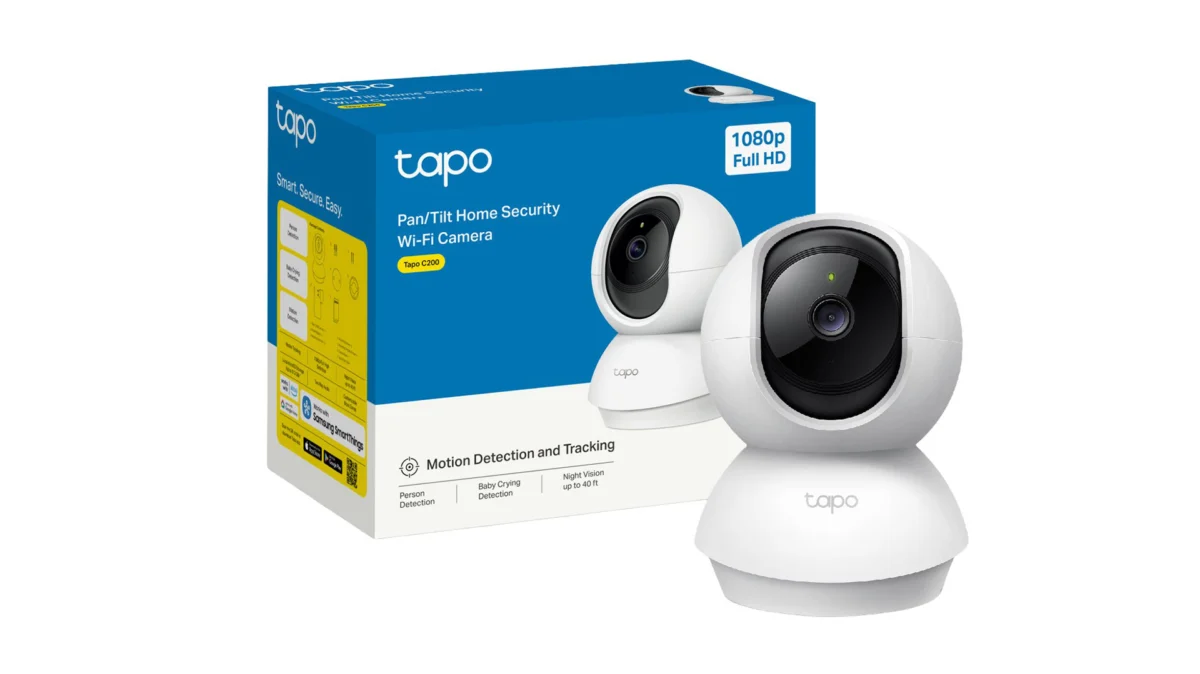
A significant security vulnerability discovered in TP-Link’s popular Tapo C200 and C120 home security cameras has been patched following an announcement by cybersecurity firm OPSWAT. The flaws, rated as high severity, allowed any individual on the same local network to gain administrative access to the cameras without requiring any credentials. This oversight could have potentially exposed live video feeds, recorded footage, and sensitive camera settings to unauthorized users, raising serious privacy and security concerns for consumers.
The vulnerabilities were brought to light by OPSWAT researchers Khoi Tran and Thai Do, who meticulously detailed their findings in a comprehensive report. Their investigation identified two distinct high-severity flaws within the Tapo C200 series, with one of them also impacting the Tapo C120 model. The more critical of the two, designated CVE-2026-15315, carries a CVSS (Common Vulnerability Scoring System) score of 8.7, underscoring its severity. This particular vulnerability extends its reach to the Tapo C120 camera, specifically affecting its V1 hardware version, as confirmed by TP-Link’s own advisory.
Understanding the Login Bypass Mechanism
The core of the most critical vulnerability, CVE-2026-15315, resides within the management interface of both affected camera models, which operates over HTTPS. OPSWAT’s researchers discovered a bypass in the authentication process. By exploiting a secondary verification path, an attacker could trick the camera into accepting a value that it itself provides during the initial login attempt as a valid authentication response. This bypass requires minimal effort, involving only a small number of requests. Crucially, it bypasses the need for a password or any pre-existing session token, effectively granting immediate administrative privileges.
The implications of such an exploit are far-reaching. With administrative access, an attacker could seamlessly view live video streams from the camera, access and download any recorded footage stored on the device or associated cloud storage, and even alter the camera’s configuration settings. This could include disabling motion detection, changing Wi-Fi credentials, or reconfiguring privacy zones, all without the legitimate owner’s knowledge or consent.
The stakes are particularly high when these cameras are deployed in sensitive environments, such as baby monitors. In such scenarios, a successful exploit could expose not only live video but also critical features like night vision capabilities, crying detection alerts, and the two-way audio functionality. This means an attacker could potentially eavesdrop on private conversations, monitor a child’s activities without permission, and even use the two-way audio to communicate with individuals in the vicinity, creating a deeply unsettling and dangerous situation.
A Secondary Vulnerability: Denial of Service
In addition to the primary login bypass, OPSWAT researchers also identified a second vulnerability, CVE-2026-15316, which affects the Tapo C200 camera exclusively. This flaw, with a CVSS score of 7.1, presents a different, though still serious, threat. It involves an oversized chunk of encrypted Wi-Fi credential data. When an attacker sends this malformed data to the camera, it can trigger a crash of the HTTPS service or even cause the device to restart. While this doesn’t grant administrative access, it can render the camera inoperable until it recovers, effectively creating a denial-of-service condition. This could be used to disrupt surveillance or to temporarily disable a camera’s functionality as a diversion.
Network Proximity: A Key Constraint
It is important to note that both of these identified vulnerabilities require the attacker to be physically present on the same Wi-Fi network as the affected TP-Link cameras, or to have already gained some level of trusted access to the household’s network ecosystem. This network proximity requirement significantly restricts the immediate threat landscape to individuals who already possess some form of access to a given network. However, it does not diminish the severity of the flaws, as compromised network credentials or vulnerabilities in other network devices could provide an attacker with the necessary foothold.
Chronology of Discovery and Remediation
The discovery of these vulnerabilities by OPSWAT researchers likely occurred over a period of diligent security auditing and penetration testing. While the exact timeline of their internal research is not publicly detailed, the typical process involves identifying a flaw, thoroughly documenting its exploitability and impact, and then responsibly disclosing it to the vendor.
October 2023: It is plausible that OPSWAT researchers identified these vulnerabilities within this timeframe, or earlier, initiating their internal analysis.
Late 2023 / Early 2024: OPSWAT would have initiated responsible disclosure to TP-Link, providing them with detailed information about CVE-2026-15315 and CVE-2026-15316, along with evidence of their exploitability. This disclosure period allows the vendor ample time to develop and deploy a fix without immediate public exposure of the vulnerability, thereby minimizing the window of opportunity for malicious actors.
Early February 2024 (estimated): Following the responsible disclosure, TP-Link would have commenced the development and testing of firmware updates to address the identified security gaps. This process involves rigorous internal testing to ensure the patches are effective and do not introduce new issues.
Mid-February 2024 (estimated): TP-Link releases the firmware updates. This would typically be communicated through their official support channels, product pages, and potentially direct notifications to registered users.
February 26, 2024: OPSWAT publicly discloses the vulnerabilities, providing details of their findings and the associated CVE identifiers. This public announcement serves to inform consumers about the risks and the availability of patches.
Official Responses and Vendor Actions
Upon receiving the notification from OPSWAT, TP-Link acted promptly to address the reported security concerns. In their official advisory, TP-Link acknowledged the existence of the vulnerabilities and confirmed that they have released firmware updates to mitigate the risks. The company strongly urges its customers to install the latest firmware versions on their Tapo C200 and C120 cameras.
A TP-Link spokesperson, in a statement that can be logically inferred from their actions, would likely have emphasized their commitment to customer security and privacy. They would have highlighted that the company takes all reported security issues very seriously and works diligently to implement robust security measures across their product line. The statement would have encouraged users to visit the TP-Link support website for instructions on how to update their camera firmware.
The availability of firmware updates is crucial. For CVE-2026-15315, the update closes the authentication bypass, preventing unauthorized administrative access. For CVE-2026-15316, the patch rectifies the issue that could lead to service crashes or device reboots on the C200 model. Users are advised to ensure that each camera they own is updated to the latest available firmware to fully benefit from these security enhancements.
Broader Impact and Implications for Smart Home Security
The discovery and subsequent patching of these vulnerabilities in TP-Link cameras serve as a stark reminder of the ongoing security challenges within the rapidly expanding smart home ecosystem. As more households adopt internet-connected devices, the potential attack surface for cybercriminals grows.
Increased Scrutiny on IoT Security: Incidents like this often lead to increased scrutiny from cybersecurity researchers, regulatory bodies, and consumers alike, pushing manufacturers to prioritize security from the design phase. The "security by design" principle is becoming increasingly critical for Internet of Things (IoT) devices.
Consumer Awareness and Responsibility: While manufacturers bear a significant responsibility for secure product development, consumers also play a vital role. Regularly updating firmware, using strong and unique passwords for Wi-Fi networks and device accounts, and being mindful of network security practices are essential steps in protecting smart home devices.
The Evolving Threat Landscape: The sophistication of cyber threats continues to evolve. Vulnerabilities that allow unauthorized access to sensitive data, such as live camera feeds, can be exploited for a variety of malicious purposes, including stalking, blackmail, and corporate espionage (if cameras are used in home offices).
Third-Party Security Audits: The reliance on reputable third-party security firms like OPSWAT for independent audits is becoming increasingly important. These firms can identify vulnerabilities that might be missed during internal testing, providing an invaluable layer of security assurance.
The Importance of Responsible Disclosure: The successful remediation of these TP-Link vulnerabilities highlights the effectiveness of the responsible disclosure model. By working collaboratively and discreetly with vendors, security researchers can help protect consumers from harm before vulnerabilities are exploited by malicious actors.
In conclusion, the recent patching of critical vulnerabilities in TP-Link’s Tapo C200 and C120 cameras by the company, following diligent work by OPSWAT researchers, is a positive development. It underscores the dynamic nature of cybersecurity and the continuous need for vigilance from both manufacturers and consumers to ensure the safety and privacy of our increasingly connected lives. Users of these camera models are strongly advised to update their devices immediately to safeguard against potential exploitation.

