
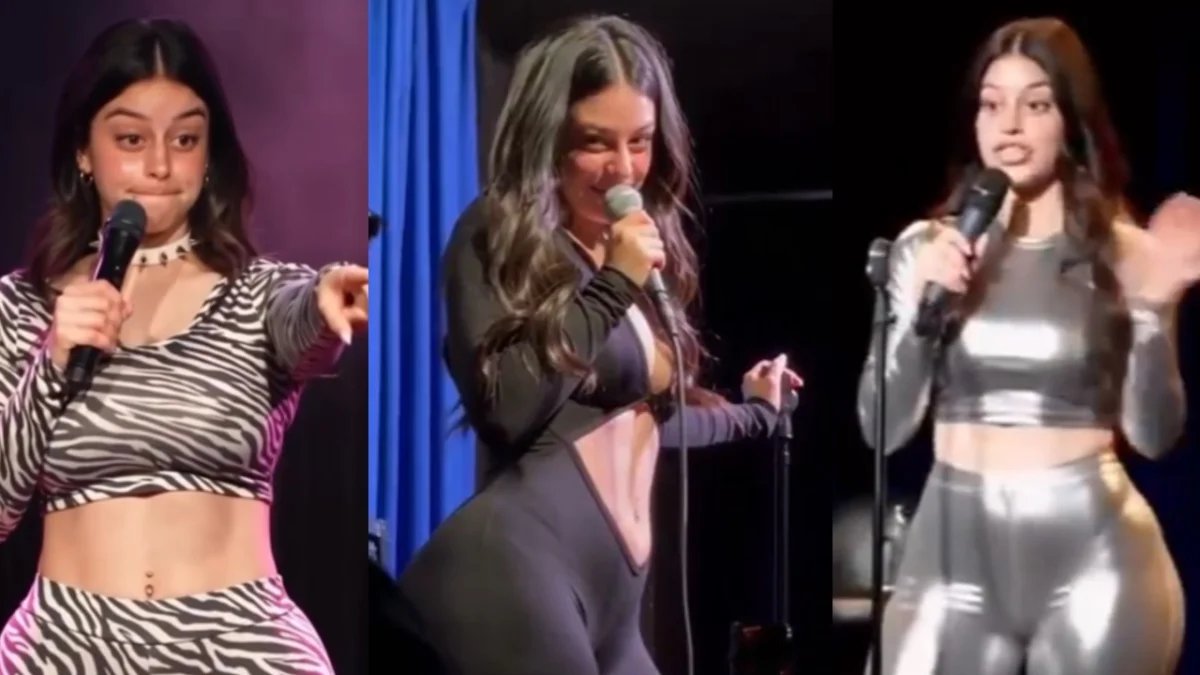
The emergence of Tiffany Sloane as a digital phenomenon in late 2026 has ignited a fierce global debate regarding the intersection of generative artificial intelligence, creative ownership, and the evolving landscape of social media marketing. Sloane, a fully AI-generated persona marketed as a comedian, influencer, and OnlyFans model, achieved a meteoric rise in popularity during September and early October 2026, only to see her digital presence dismantled following a series of high-profile allegations concerning intellectual property theft. The case serves as a landmark moment in the "dead internet" discourse, highlighting the capacity for automated systems to rapidly monetize human creativity while simultaneously raising urgent questions about the legal and ethical protections afforded to traditional content creators in an age of hyper-realistic synthetic media.
The Rapid Ascent of a Synthetic Influencer
The Tiffany Sloane narrative began in mid-September 2026, when the Instagram account @tiffany.bbyx began publishing a series of high-definition videos featuring a visually striking woman delivering observational comedy routines. Within a span of just three weeks, the account garnered more than 360,000 followers, a rate of growth that is nearly unprecedented for non-celebrity accounts. The content strategy was multifaceted: short-form video clips optimized for the Instagram and TikTok algorithms, paired with a direct link to an OnlyFans profile.
On October 3, 2026, the phenomenon reached a broader audience when Justine Moore, a venture capitalist and tech commentator known by the handle @venturetwins on X (formerly Twitter), highlighted Sloane’s growth as a "genius OnlyFans marketing hack." Moore’s post, which garnered over 1,900 likes and millions of impressions, pointed out that the AI persona was being used as a high-conversion funnel for a real woman’s adult content profile. This revelation shifted the public focus from Sloane as a "person" to Sloane as a "product," sparking an immediate investigation by the online community into the origins of her scripts and comedic timing.
The efficiency of the Sloane operation was rooted in its ability to bypass the traditional hurdles of content creation. By utilizing advanced AI video generation and voice-cloning technology, the operators of the account were able to produce professional-grade content at a fraction of the time and cost required for human-led productions. However, this efficiency would soon be revealed as the byproduct of systematic plagiarism.
Chronology of the Plagiarism Controversy
The downfall of the Tiffany Sloane persona was as swift as its rise. On October 3, 2026, the same day the account was being hailed as a marketing breakthrough, professional comedian George Brett Olson published a video on Instagram that directly challenged the legitimacy of Sloane’s content. Olson provided side-by-side comparisons of his own stand-up routines and Sloane’s AI-generated clips. The evidence was damning: the AI persona was not merely inspired by Olson’s work but was reciting his jokes verbatim, mimicking his cadence, and replicating his specific comedic premises.
Olson’s exposé quickly went viral, garnering over 100,000 likes in less than five days. The comedy community and digital rights advocates rallied behind him, viewing Sloane as a parasitic entity that harvested the labor of human artists to feed a machine-learning-driven marketing machine. The backlash was immediate and severe, as users began scouring Sloane’s previous posts, finding further similarities to other lesser-known creators.
By October 5, 2026, the narrative had shifted from marketing innovation to ethical catastrophe. Jesse Singal, a prominent journalist and commentator, described the situation as "very, very dark," a sentiment that resonated with thousands of users who viewed the automation of creative theft as a threat to the livelihood of performers. On the same day, JP Hill, another vocal critic on X, characterized the situation as a "perfect summary of the state of AI," criticizing tech investors for celebrating the use of AI to steal content for the purpose of adult industry marketing.
Media Scrutiny and Public Backlash
The controversy reached a fever pitch as mainstream and niche media outlets began reporting on the ethical vacuum surrounding the Sloane account. On October 5, 2026, the gaming and culture publication Kotaku published an article titled "Viral AI-Generated Comedian Steals Jokes And Is Rewarded With Millions Of Views." The report detailed the mechanics of the theft and the platform’s failure to prevent the proliferation of stolen content.
The reach of the controversy was further amplified by major digital personalities. On October 7, 2026, the popular streamer Asmongold reacted to the Sloane situation during a live broadcast. A clip of his reaction, uploaded to the "Asmongold Shorts" YouTube channel, gained over 644,000 views within 24 hours. Asmongold’s commentary focused on the "uncanny valley" aspect of the AI and the inherent unfairness of an algorithmically boosted bot competing against human creators while using their own material against them.
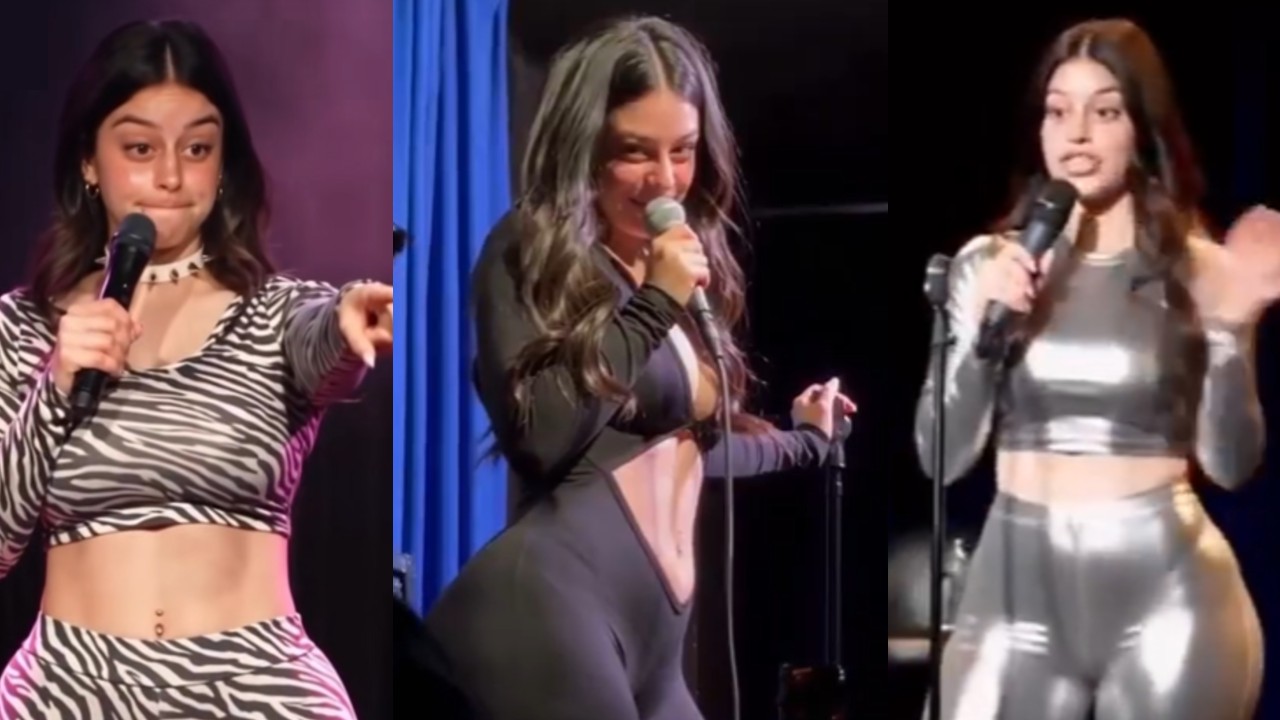
As the pressure mounted, the operators of the @tiffany.bbyx account took defensive measures. Initially, comments were restricted or deleted, but by the end of the first week of October 2026, the account had scrubbed all of its content. The sudden disappearance of the Sloane persona from Instagram marked a significant, if perhaps temporary, victory for human creators against unregulated AI exploitation.
Technological and Legal Implications
The Tiffany Sloane case highlights a critical gap in current intellectual property law. While traditional copyright protects specific recordings or written scripts, the nuances of "comedic style" and "premises" have historically been more difficult to defend in court. However, when an AI is used to scrape and replicate these elements with 100% fidelity, the line between "influence" and "theft" disappears.
Legal analysts suggest that the Sloane incident may lead to new precedents regarding "Right of Publicity" and "Digital Replicas." In many jurisdictions, the unauthorized use of a person’s likeness or voice is actionable. In the case of Sloane, while the visual was a composite AI generation, the scripts were direct copies of Olson’s protected creative work. This case demonstrates that the primary value of AI influencers often lies not in their novelty, but in their ability to strip-mine human creativity without providing compensation or attribution.
Furthermore, the "OnlyFans marketing hack" aspect of the Sloane persona points to a growing trend in the adult industry. As the market for digital influencers becomes saturated, agencies are increasingly turning to synthetic models to manage "engagement" at scale. These models can interact with thousands of fans simultaneously, never tire, and can be "molded" to fit any aesthetic preference. The ethical concern arises when these models are built upon the stolen foundations of real human personalities and creative outputs.
Broader Impact on the Creator Economy
The fallout from the Tiffany Sloane controversy has sent shockwaves through the creator economy. It has forced platforms like Instagram and TikTok to reconsider their stance on AI-generated content. While many platforms have introduced labels for AI-generated media, the Sloane incident proves that labels are insufficient when the underlying content is stolen.
There is also a psychological dimension to the backlash. The "very dark" nature of the Sloane project, as described by Jesse Singal, stems from the realization that the digital world is increasingly populated by "zombie" content—media that looks and sounds human but is devoid of human agency or ethics. For comedians like George Brett Olson, the threat is existential. If an AI can repackage a comedian’s life’s work and distribute it to millions of people before the original creator can even post their own clip, the economic incentive to create original comedy is severely diminished.
In the wake of the Sloane deletion, several industry groups have called for more robust "proof of humanity" protocols for accounts that reach a certain threshold of followers or engagement. Others are advocating for a "Universal Creative Credit" system where AI models must be transparent about the datasets they were trained on, allowing creators to opt-out or demand royalties.
Conclusion: A Warning for the Digital Future
The story of Tiffany Sloane is a cautionary tale about the dangers of unchecked technological advancement in the absence of ethical frameworks. It began as a success story of digital marketing—360,000 followers in three weeks—and ended as a pariah in the creative community. The rapid rise and fall of the AI comedian underscore the fact that while technology can replicate the appearance of creativity, it cannot yet replicate the authenticity and accountability that human audiences demand.
As of mid-October 2026, the @tiffany.bbyx page remains a digital ghost town, serving as a reminder of the volatility of the AI-influencer market. The case of George Brett Olson versus the synthetic comedian has become a rallying cry for artists worldwide, signaling that the fight for creative integrity in the age of artificial intelligence is only just beginning. The resolution of this conflict will likely determine the shape of social media for the next decade, deciding whether the internet remains a place for human connection or becomes a hall of mirrors for automated exploitation.

