
Apple has officially announced a highly anticipated event, dubbed "Welcome Home," scheduled for October 13. This confirmation, following persistent rumors from late September, strongly suggests the unveiling of a long-rumored smart display, a product that could significantly reshape Apple’s smart home ecosystem. The event’s tagline, "Welcome Home," further reinforces the focus on domestic technology and user experience.
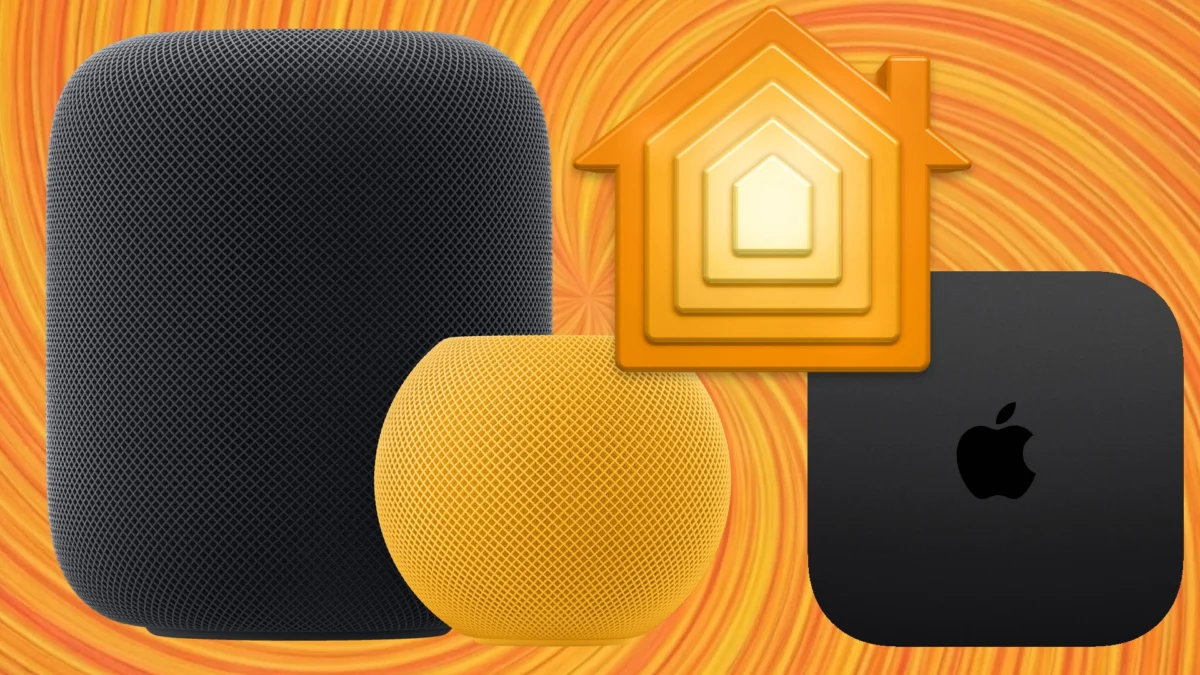
The speculation surrounding this October event has been building for months, with previous reports identifying three key potential product launches: a smart display, tentatively named either the HomePad or Home Hub, a second-generation HomePod mini, and a refreshed Apple TV 4K set-top box. The convergence of these rumors with Apple’s official announcement indicates a strategic push to bolster its presence in the increasingly competitive smart home market.
Central to these potential new devices is the integration of Apple’s enhanced AI-powered Siri. This advanced iteration of its virtual assistant is expected to bring a significant upgrade in functionality and responsiveness, aiming to compete more directly with established rivals like Amazon’s Alexa and Google’s Gemini for Home. The deployment of an AI-enhanced Siri across smart speakers and displays would represent a crucial step in Apple’s strategy to create a more seamless and intelligent smart home experience, bridging the gap between living rooms and kitchens.
The smart display, a device that has been the subject of intense speculation and leaks for over a year, is reportedly set to feature a distinctive design. According to industry sources and analysis of Apple’s macOS code, the device will sport a 6-inch square display. Crucially, it is expected to offer versatility in placement, with two distinct versions planned: one optimized for placement on desks and countertops, and another designed for wall mounting. This dual-mounting capability suggests an effort to cater to a broader range of user preferences and home layouts, a departure from the more uniform tablet-style smart displays currently offered by Amazon and Google.
Beneath the screen, the base of the purported smart display is rumored to house an integrated speaker, providing a self-contained audio solution. The display itself is expected to be held by a metal arm, a design element that could lend the device a unique aesthetic, differentiating it from the more conventional designs prevalent in the market. The prolonged period of leaks and speculation without official comment from Apple underscores the perceived significance of this product for the company’s smart home ambitions.
The HomePod mini 2, if launched, would represent a much-needed update to a product that first entered the market in 2020. The original HomePod mini, while well-received for its sound quality and integration within the Apple ecosystem, has not seen a full hardware successor for nearly six years. An updated model would likely incorporate the new AI-powered Siri, along with potential improvements in audio performance and connectivity features. This refresh would also bring it more in line with the rapid pace of innovation seen in the smart speaker market, where manufacturers frequently iterate on their offerings.
Similarly, the Apple TV 4K is also due for an upgrade. The last significant refresh of Apple’s streaming box occurred in 2022, leaving a notable gap in its product cycle. A new iteration would not only offer enhanced processing power and potentially new media playback capabilities but, more importantly, would serve as a crucial platform for the AI-powered Siri to operate within the living room environment. This would allow for more sophisticated voice control of entertainment, smart home devices connected through the television, and potentially new interactive experiences.
The competitive landscape for smart home devices is intensifying. Amazon, with its extensive range of Echo devices powered by Alexa, has established a significant market share. Google, through its Nest Hub devices and the integration of its AI capabilities, also presents a formidable challenge. Apple’s entry into the smart display market, particularly with a device that offers unique mounting options and a potentially refined user interface, could carve out a distinct niche. The company’s strength lies in its tightly integrated ecosystem, its emphasis on privacy, and its loyal customer base, all of which could be leveraged to gain traction in this segment.
The focus on AI-powered Siri is particularly noteworthy. For years, Siri has been perceived as lagging behind its primary competitors in terms of intelligence and conversational ability. A substantial upgrade, as suggested by the upcoming event’s focus, could fundamentally alter user perception and unlock new use cases for Apple’s smart home devices. This AI advancement is not merely about improving existing functionalities but about enabling more proactive, personalized, and context-aware interactions. Imagine Siri being able to anticipate needs, offer relevant suggestions based on user habits, or manage complex smart home routines with greater ease.
Industry analysts have been anticipating a more robust smart display offering from Apple for some time. Such a device would fill a significant gap in their smart home portfolio, complementing the existing HomePod speakers and the Apple TV. A smart display offers a visual interface that can provide information at a glance, facilitate video calls, display photos, and offer richer control over smart home devices. This visual component is a key differentiator and a crucial element for many users seeking a central hub for their connected homes.
The "Welcome Home" event comes at a time when consumer adoption of smart home technology continues to grow. According to recent market research, the global smart home market is projected to reach hundreds of billions of dollars in the coming years, driven by increasing consumer awareness, the availability of diverse connected devices, and the desire for greater convenience, security, and energy efficiency. Apple’s strategic moves in this space are therefore critical for its long-term growth and market positioning.
The potential inclusion of a refreshed Apple TV 4K also aligns with the growing trend of streaming and home entertainment convergence. With the increasing popularity of high-resolution content and the desire for seamless integration of streaming services, a new Apple TV could offer enhanced performance for gaming, advanced HDR support, and potentially new features related to spatial audio or immersive viewing experiences. The integration of AI-powered Siri on this platform could also lead to more intuitive content discovery and personalized recommendations.
While Apple has remained tight-lipped about specific product names, pricing, and release dates for the rumored devices, the "Welcome Home" event on October 13 is poised to be a pivotal moment for its smart home strategy. The company’s ability to deliver innovative hardware, coupled with a significantly improved AI assistant, will be key to its success in challenging the established players and capturing a larger share of the burgeoning smart home market. The event is expected to be streamed live, allowing a global audience to witness what Apple has in store to make our homes more intelligent and connected. The anticipation surrounding this announcement underscores the growing importance of the smart home as a key battleground for technology giants.

