
CVS Health, the diversified healthcare giant that for years championed the model of vertical integration, has officially announced a plan to split its operations into two distinct, publicly traded companies. The move, slated for completion in the first half of 2028, marks a significant retreat from the "all-under-one-roof" strategy that saw the company combine a massive retail pharmacy chain with one of the nation’s largest pharmacy benefit managers (PBMs) and a major health insurer. While the company frames the decision as a strategic evolution to unlock shareholder value and enhance operational focus, industry analysts and regulatory critics argue that the restructuring may be a defensive maneuver designed to sidestep increasing federal and state pressure without fully resolving the underlying conflicts of interest that have drawn intense scrutiny to the PBM industry.
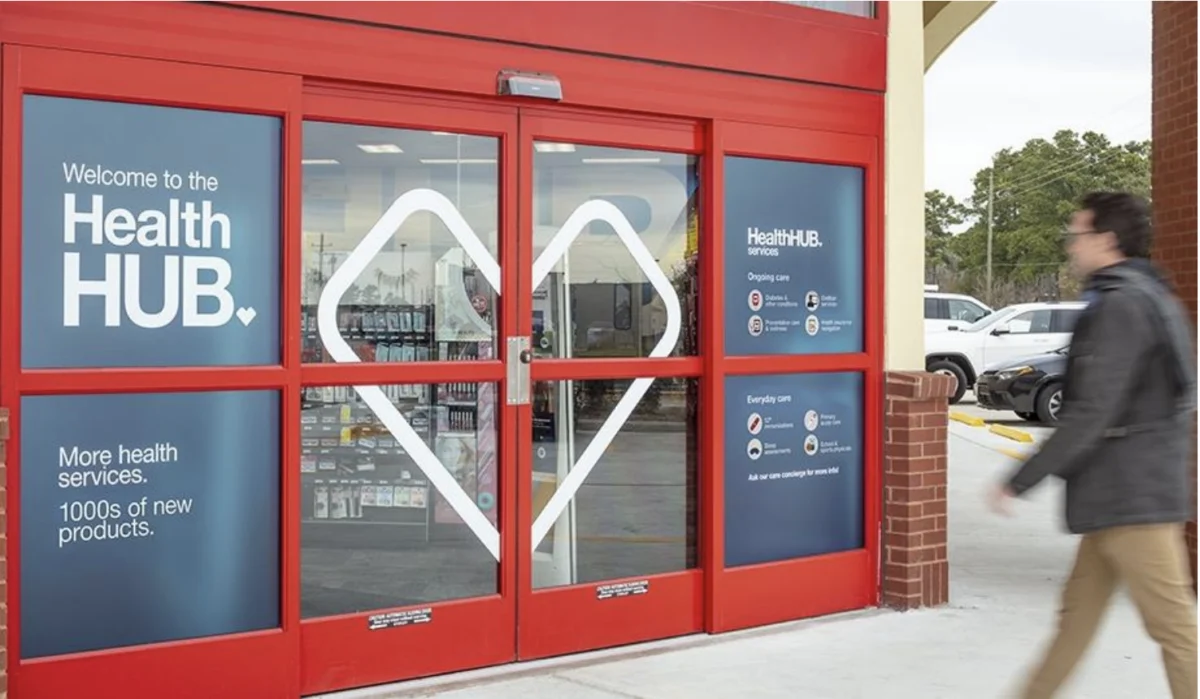
Under the proposed plan, CVS Health will bifurcate its assets into two separate entities. The first company will encompass the retail pharmacy business, which includes nearly 9,000 pharmacy locations across the United States and the MinuteClinic walk-in provider network. The second company will focus on healthcare solutions, housing the Aetna insurance business, the Caremark PBM, and high-growth care delivery assets such as Oak Street Health and Signify Health. Notably, the specialty pharmacy business—a high-margin segment of the drug dispensing market—will remain with the PBM and insurance entity rather than being spun off with the retail pharmacies.
The Evolution and Decline of Vertical Integration
The decision to break up represents a stark reversal of a decade-long trend of consolidation in the American healthcare sector. For years, CVS Health argued that by owning the insurer (Aetna), the PBM (Caremark), and the pharmacy (CVS Pharmacy), it could better coordinate care, lower costs, and improve patient outcomes through a "closed-loop" system. This model reached its zenith with the $69 billion acquisition of Aetna in 2018, a deal that was intended to transform CVS into a "front door to healthcare."
However, the reality of managing such a massive conglomerate proved increasingly difficult. In recent years, the company has faced significant headwinds. Aetna’s Medicare Advantage business has struggled with rising medical costs and lower-than-expected star ratings, which impact federal reimbursement levels. Simultaneously, the retail pharmacy segment has been squeezed by declining reimbursement rates from other insurers and PBMs, as well as a shift in consumer behavior toward online fulfillment.
Financial analysts note that the conglomerate’s stock has underperformed relative to more specialized competitors. By splitting the companies, CVS Health CEO David Joyner suggests that each entity will be better positioned to pursue its own capital allocation strategies. "Markets change and companies need to evolve with it," Joyner stated in a recent interview. He emphasized that the regulatory environment is a key factor in this navigation, suggesting that the split will allow the individual units to thrive regardless of future legislative changes.
A Chronology of Regulatory Pressure
The announcement of the split does not occur in a vacuum; it follows years of escalating tension between healthcare conglomerates and government regulators.
In 2022, the Federal Trade Commission (FTC) launched an inquiry into the PBM industry, focusing on how vertical integration affects the pricing and accessibility of prescription drugs. By July 2024, the FTC released an interim report that was highly critical of the "Big Three" PBMs—CVS Caremark, UnitedHealth Group’s OptumRx, and Cigna’s Express Scripts—which together manage approximately 80% of all prescriptions in the U.S. The report alleged that these entities use their market power to disadvantage independent pharmacies and inflate drug costs for patients.
On the legislative front, the "Break Up Big Medicine Act," introduced by Senators Elizabeth Warren and Josh Hawley, specifically targeted the vertical integration of insurers, PBMs, and pharmacies. The bill seeks to prohibit insurers from owning PBMs or pharmacies, arguing that such arrangements create perverse incentives to favor internal businesses over lower-cost alternatives. Joyner himself acknowledged that the momentum behind this legislation influenced the company’s decision to move toward a separation.
Furthermore, state-level action has intensified. Several states, including Arkansas and Tennessee, have introduced or passed legislation aimed at curbing PBM practices, such as "spread pricing"—where a PBM charges a health plan more for a drug than it pays the pharmacy—and "patient steering," where PBMs incentivize patients to use their own affiliated pharmacies.
Financial Engineering vs. Structural Reform
Despite the magnitude of the announcement, many healthcare experts remain skeptical that the split will provide meaningful relief to consumers. Mark Cuban, co-founder of Mark Cuban Cost Plus Drug Company, characterized the move as "brilliant financial engineering" rather than a fundamental change in how the industry operates. Cuban noted that while shareholders might see short-term benefits from the separation, the underlying incentives for the pharmacy business to maximize profit remain unchanged.
A primary point of contention is the decision to keep the specialty pharmacy business within the same entity as the PBM and the insurance arm. Specialty drugs, used to treat complex conditions like cancer or rheumatoid arthritis, represent a growing share of total drug spending. By retaining these assets, the new "Health Solutions" company continues to benefit from the same vertical alignment that critics have labeled a conflict of interest.
AJ Loiacono, CEO of Judi Health, argued that if CVS were serious about ending conflicts of interest, it would have divested all dispensing assets. "The PBM is still making clinical, formulary, and fulfillment-channel decisions that decide how much money it makes," Loiacono said. He suggested that by keeping specialty pharmacy, the company is shielding its most profitable dispensing revenue from the low-margin retail business being spun off.
Implications for the PBM Transparency Rule
The split also coincides with new federal transparency requirements. The Department of Labor recently finalized a rule requiring PBMs to disclose fees and compensation to self-insured employers. For a vertically integrated giant like CVS, these disclosures are notoriously complex because money often moves between the PBM, the insurer, and the pharmacy in ways that are difficult for outside auditors to trace.
Analysts suggest that separating the retail pharmacy business may simplify some of these reporting requirements, but the continued integration of the PBM and the insurer (Aetna) ensures that a significant portion of the business remains opaque. Critics like Loiacono point out that if both companies retain the "CVS" brand, the perceived independence of the two entities may be more cosmetic than functional, potentially complicating compliance with new disclosure rules.
The Future of Care Delivery
One of the more nuanced aspects of the split is how CVS Health has divided its care delivery assets. Oak Street Health, which provides primary care for seniors, and Signify Health, which focuses on home health evaluations, will remain with the Aetna/Caremark entity. Conversely, the MinuteClinic network will stay with the retail pharmacy company.
This division suggests a strategic shift in how the company views "care delivery." The Aetna-aligned assets (Oak Street and Signify) are geared toward high-value, long-term management of chronic conditions—a model that aligns with the insurance business’s goal of reducing total medical spend. In contrast, MinuteClinic is being positioned as a convenience-based retail service, akin to an "urgent care" extension of the pharmacy.
Aabed Meer, a partner at Aphias Capital, noted that this distinction highlights CVS’s continued belief in the value of integrating care delivery with insurance, even as it moves away from integrating retail dispensing. This "payer-provider" model remains a core strategy for competitors like UnitedHealth Group, which continues to aggressively expand its Optum Health provider network.
Broader Industry Impact
The CVS Health breakup raises urgent questions for the rest of the healthcare industry. Will other conglomerates like UnitedHealth Group and Cigna follow suit? To date, UnitedHealth has shown no signs of retreating from its vertical integration strategy, often pointing to its diversified model as the reason for its robust financial performance and industry-leading margins.
However, if CVS Health successfully navigates the split and sees a significant boost in its valuation, the pressure from activist investors on other healthcare giants could become insurmountable. Furthermore, if the CVS split is viewed by regulators as an "admission of guilt" regarding the inherent conflicts of vertical integration, it could embolden the FTC and Congress to pursue more aggressive antitrust actions against remaining conglomerates.
Conclusion: A Transition Toward 2028
The planned 2028 separation provides CVS Health with a multi-year runway to execute a complex disentanglement of its technology, branding, and personnel. For patients, the immediate impact may be negligible. Prescription bottles will likely still carry the CVS name, and Aetna members will likely still be encouraged to use CVS-affiliated services.
However, the long-term implications for the American healthcare economy are profound. The end of the CVS vertical integration experiment signals a recognition that the "super-conglomerate" model may have reached its limit of efficiency and public tolerance. Whether this split results in lower drug prices and better care for the average American, or simply creates two leaner machines for profit generation, remains the central question as the healthcare industry watches this historic corporate divorce unfold.

