
The Genesis of an AI-Generated Phenomenon
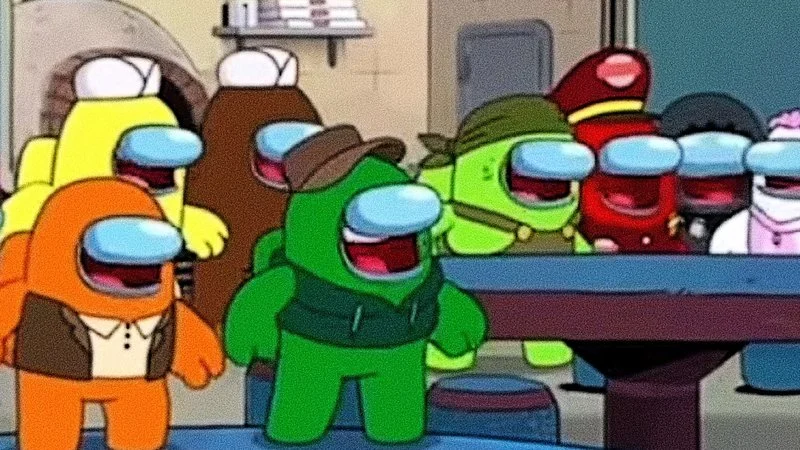
The origins of the trend can be traced back to late September 2026, specifically on or around September 27th. A TikTok creator operating under the handle @fitztheamongus—an account that has since been deleted—uploaded an AI-generated sequence that defied traditional comedic structures. The video depicted various Among Us crewmates, rendered with the slightly fluid and sometimes distorted textures characteristic of current video-generative AI, marching through a digital environment.
The accompanying audio, a high-pitched, rhythmic chant, featured an orange crewmate singing the lyrics: "I remember when you were little, little, little, little." The word "little" was repeated with a mechanical cadence that many users described as both unsettling and addictive. Almost immediately, the video was identified by online communities as a prime example of "AI slop"—a term used to describe low-effort, high-volume generative content that often finds an unintended audience through its sheer absurdity.
On the same day as its initial upload, the video was mirrored to the /r/AIslop subreddit, a community dedicated to documenting the surreal and often nonsensical outputs of generative AI. This cross-platform migration provided the initial spark for what would become a massive cultural wildfire.
Chronological Evolution and Viral Trajectory
While the original video established the aesthetic, it was the creative intervention of the TikTok community that catalyzed its viral status. On October 3, 2023, TikTok user @_cbbc introduced a relatability factor that resonated with a broad demographic. By overlaying the text, "What random people you’ve never seen before tell you at the family reunion," the creator transformed a nonsensical AI clip into a sharp piece of observational comedy. This specific iteration garnered over 41,000 views within its first month, setting the template for future variations.
By mid-October, the momentum had increased exponentially. On October 11, 2026, several key events occurred simultaneously:
- Mass Market Penetration: TikToker @0koraiya0 posted a variation of the "family reunion" meme, which saw explosive growth, reaching over 985,000 views in less than thirty days.
- The Rise of Slowed-and-Reverb Aesthetics: YouTuber Timitimibêr wartek 3 released a "slowed-down" version of the song. This musical modification tapped into a popular internet subculture that favors melancholic or "liminal" versions of upbeat songs. This version alone gained 1.8 million views on TikTok, demonstrating the song’s versatility.
- Archival and Expansion: The YouTube channel Ultimate Shorts Memes uploaded the full version of the audio and video, providing a centralized hub for users looking to sample the media for their own content.
As the trend moved into late October and early November, it began to cross-pollinate with other established fandoms. On October 27, creator @chasediaz69 integrated the audio with a clip from the iconic anime series JoJo’s Bizarre Adventure, a move that secured 1.2 million views in a single week. This signaled the meme’s transition from a standalone joke to a versatile "audio skin" used to enhance other forms of media.
The "Brainrot" Aesthetic and Gen Alpha Digital Culture
To understand the success of "I Remember When You Were Little, Little, Little, Little," one must analyze the rise of "brainrot" culture. This term, frequently used by Gen Z and Gen Alpha, refers to hyper-stimulating, repetitive, and often nonsensical content that prioritizes immediate dopamine hits over narrative substance.
The Among Us characters provide a familiar visual anchor for younger audiences who grew up during the game’s peak popularity in 2020. By combining these nostalgic figures with the unpredictable nature of AI-generated video, creators have tapped into a new form of "digital surrealism." Digital culture analysts suggest that the repetition of the word "little" serves a similar function to a "musical earworm," where the simplicity of the phrase makes it easy to remix, parody, and internalize.
Furthermore, the "AI slop" nature of the video—where limbs might clip through walls or facial features might shift slightly—adds a layer of irony. For many viewers, the humor lies not in the song itself, but in the fact that such a bizarre, machine-made artifact exists and has become a focal point of human attention.
International Adaptation and Global Reach
The "I Remember When You Was Lil" trend has proven remarkably resilient to language barriers. On November 2, 2026, Russian TikToker @npnrofls uploaded a version where he performed the song in Russian. The video gained over 144,000 views in just 48 hours, highlighting the meme’s global footprint.
The adaptation of the meme into different languages suggests that the core appeal is the rhythmic structure and the visual of the marching crewmates, rather than the specific English lyrics. This "trans-linguistic" capability is a hallmark of the most successful modern memes, allowing them to bypass regional internet silos and achieve a truly global presence.
Technical and Platform Analysis
The metrics associated with the trend provide insight into the current state of social media algorithms. On platforms like TikTok and YouTube Shorts, high retention rates are often driven by short, looping audio tracks. The "I Remember When You Were Little" song is perfectly engineered for this environment; its short duration and repetitive hook encourage multiple replays, which the algorithm interprets as high engagement, leading to further promotion on "For You" pages.
Data from the peak of the trend indicates:
- Total Cumulative Views: Estimated to exceed 50 million across all major platforms when accounting for secondary reposts and reaction videos.
- Search Interest: Google Trends data showed a sharp vertical spike in searches for "Among Us little little song" and "I remember when you were little AI" starting in the second week of October.
- User-Generated Content (UGC) Ratio: For every one "official" repost of the song, there are approximately 400 unique user videos utilizing the audio, indicating a high level of community participation.
Implications for the Future of Generative Media
The success of this meme raises significant questions about the future of entertainment and content creation. "I Remember When You Were Little" was not produced by a major studio or a professional songwriter; it was the product of an anonymous user and a generative AI model.
Industry experts point to this as a sign of the "democratization of absurdity." As AI tools become more accessible, the barrier to entry for creating viral content continues to drop. However, this also leads to a saturated market where "quality" is no longer defined by production value, but by "meme-ability" and algorithmic compatibility.
The deletion of the original creator’s account, @fitztheamongus, also highlights the ephemeral nature of digital fame in the 2020s. While the creator is gone, the "digital ghost" of their AI creation continues to circulate, evolving through the contributions of millions of other users. This suggests a shift toward a "decentralized" form of culture where the original intent of a piece of media is secondary to how the collective internet chooses to repurpose it.
Conclusion
I Remember When You Were Little, Little, Little, Little stands as a testament to the unpredictable and often chaotic nature of modern internet culture. By blending AI technology, gaming nostalgia, and a burgeoning "brainrot" aesthetic, the trend has captured the collective imagination of a global audience. Whether viewed as a harmless piece of digital ephemera or a sign of a shifting media landscape, its impact on the social media zeitgeist of 2026 is undeniable. As AI continues to evolve, it is likely that such surreal, machine-generated artifacts will become an increasingly common—and increasingly influential—part of our shared cultural experience.

