
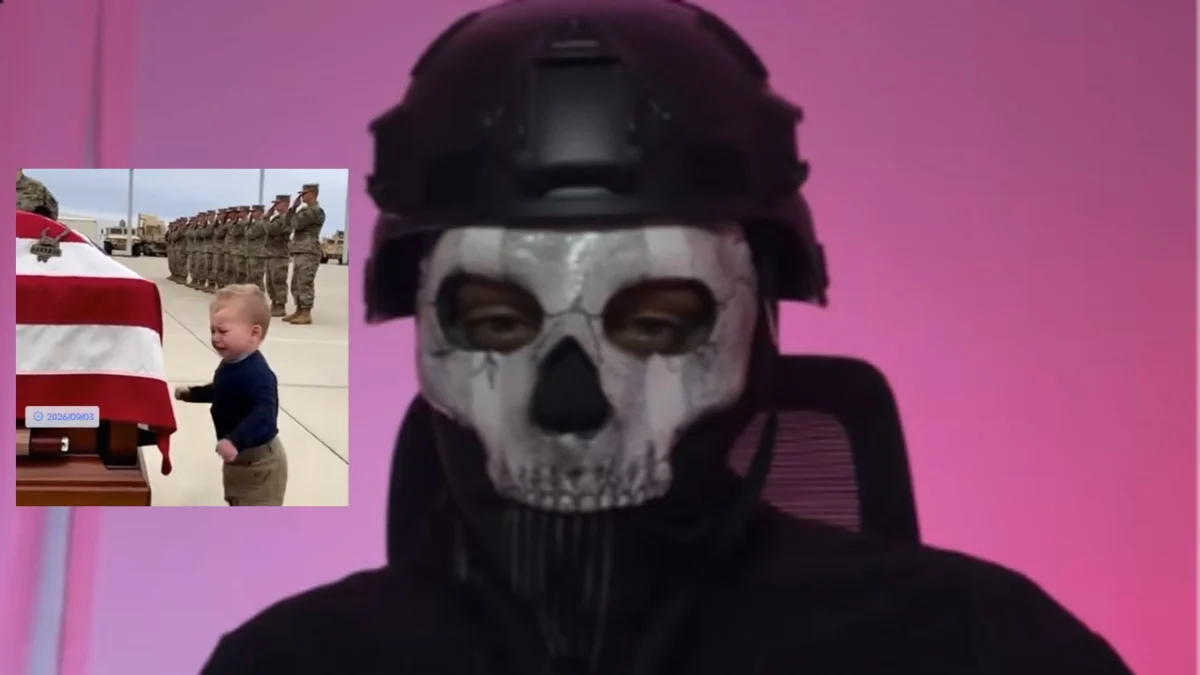
The digital landscape of late 2026 has been marked by a peculiar convergence of military aesthetics, artificial intelligence, and raw emotional vulnerability. At the center of this cultural intersection is the catchphrase "Permission to cry, soldier," a line that has transcended its origins within a niche TikTok subculture to become a broader social media phenomenon. Associated with the content creator known as @ghostreactings, the phrase serves as both a meme and a symbolic gesture of emotional release within the "Ghost" cosplay community. This movement, rooted in the fandom of the Call of Duty: Modern Warfare II franchise, highlights a shifting paradigm in how young audiences process sentimentality through the lens of digital avatars and AI-generated narratives.
The Genesis of Ghost Reactings and the Stoic Archetype
The phenomenon began in March 2026 when the TikTok account @ghostreactings debuted. The creator’s content strategy was distinct: they appeared in a meticulous cosplay of Simon "Ghost" Riley, a fan-favorite character from the Call of Duty series. Ghost is traditionally characterized by his skull-patterned balaclava, tactical gear, and an aura of unwavering stoicism. By adopting this persona, the creator tapped into an existing reservoir of "tough guy" iconography, which they then subverted by reacting to deeply emotional and often tragic content.
From its inception, @ghostreactings utilized a combination of high-fidelity cosplay and AI-generated voice modulation. The use of an AI voice allowed the creator to maintain the character’s gravelly, authoritative tone while delivering messages that varied from tactical commands to words of comfort. This juxtaposition of a hardened soldier reacting to "sad-core" videos created a unique parasocial dynamic. Viewers began to treat the account as a digital confessional, frequently asking in the comments if they had "permission" to express specific emotions—most notably, the permission to cry.
The Catalyst: The AI Soldier’s Funeral Video
While the account maintained steady growth throughout mid-2026, the "Permission to cry, soldier" meme reached critical mass following a specific upload on September 3, 2026. In this video, @ghostreactings reacted to an AI-generated clip depicting a young child approaching a coffin draped in a national flag. The child in the video performs a final salute to his deceased father before breaking down into tears.
The emotional intensity of the AI-generated footage, combined with the silent, heavy-hearted reaction of the "Ghost" persona, struck a chord with the platform’s algorithm. The video amassed over 2.8 million views within two months. Paradoxically, the phrase "Permission to cry, soldier" was not actually spoken by the creator in this specific video. Instead, it emerged organically from the comment section. Users began to post the phrase as a way to validate the emotional response the video elicited. This community-driven creation of a catchphrase is a hallmark of modern internet lore, where the audience codifies the "lore" of a creator’s persona.
Chronology of Viral Spread and Parody
The transition from a sincere community interaction to a widespread meme occurred in late October 2026. As the "salute" video circulated, other TikTokers began to adopt the "Permission to cry" terminology, often using it to frame their own emotional reactions or to parody the perceived melodrama of the original content.
On October 28, 2026, TikToker @ada.gerry posted a meme referencing the catchphrase, which garnered 590,000 views in a single week. This signaled the phrase’s move into the mainstream meme cycle. Shortly thereafter, on October 29, prominent creator @vexbolts—known for parodying various internet subcultures—posted a video satirizing the Ghost Reactings format. The parody, which garnered 1.7 million views in less than a week, exaggerated the gravelly AI voice and the heavy emotional weight of the content, highlighting the inherent absurdity of a video game character acting as an emotional arbiter.
By October 31, the meme had evolved further into "meta-humor." A video by @emc237000, which featured an audio recording of a user supposedly crying while in a bathroom—framed as a response to the "salute" video—gained over 683,000 views. This period marked the peak of the meme’s visibility, as it shifted from a sincere expression of digital grief to a versatile template for both satire and absurdist comedy.
The Role of AI in Emotional Content Production
A significant factor in the rise of @ghostreactings is the reliance on AI-generated content. The videos being reacted to are often "AI-core"—animations generated by artificial intelligence that emphasize hyper-realistic yet slightly uncanny emotional scenarios. These videos are designed to trigger immediate empathetic responses, often focusing on themes of sacrifice, family, and loss.
The use of AI extends to the creator himself. By utilizing AI voice models, @ghostreactings can produce content at a high frequency while maintaining a consistent character voice that matches the "Ghost" persona from the video games. This technological layer adds a level of detachment that, ironically, makes the emotional vulnerability of the content more palatable to a younger, male-dominated audience. The "Ghost" mask provides a shield of anonymity, allowing both the creator and the viewer to engage with sentimentality without the perceived "weakness" of doing so as themselves.
Psychological and Social Implications
The "Permission to cry, soldier" phenomenon offers a fascinating look into the psychology of modern digital communities. The request for "permission" to feel emotion suggests a desire for structure and authority in an increasingly chaotic digital environment. For many young viewers, the character of Ghost represents a paternal or fraternal authority figure. By granting "permission" to cry, the persona validates the viewer’s emotions within a framework of "soldierly" discipline.
Sociologists have noted that this trend reflects a broader movement toward "digital stoicism," where traditional masculine archetypes are repurposed to allow for emotional expression. The "soldier" is allowed to cry, but only when the mission is over or when the loss is significant. This framing helps bridge the gap between traditional expectations of masculinity and the contemporary push for mental health awareness and emotional transparency.
Statistical Engagement and Audience Reach
The data surrounding the "Permission to cry" trend indicates a highly engaged demographic. Engagement metrics for @ghostreactings and its parodies show a high "save" and "share" rate, suggesting that the content is being used as a form of social currency.
- Primary Video Engagement: 2.8 million views, with a comment-to-view ratio significantly higher than the platform average, driven by users asking for "permission."
- Parody Reach: @vexbolts’ 1.7 million views indicate that the meme successfully crossed over from the "Call of Duty" niche into the general "Alt-TikTok" and "Meme-TikTok" spheres.
- Search Interest: Data from late October 2026 shows a 400% spike in searches for "Ghost Reactings" and "Permission to cry meme," correlating with the peak of the parody videos.
Analysis of the "Permission" Narrative
The phrase "Permission to cry, soldier" functions as a linguistic bridge. In military parlance, seeking permission is a standard procedure that reinforces the chain of command. In the context of the meme, it reinforces the "commander" status of the Ghost persona. However, the "permission" is always granted, either implicitly or explicitly, which transforms the authoritative figure into a supportive one.
This narrative arc—from stoic authority to empathetic supporter—is a powerful tool for engagement. It creates a "safe space" that is nonetheless branded with the rugged, tactical aesthetic that appeals to gamers and military enthusiasts. The broader implication is a shift in how "tough" characters are utilized in media; they are no longer just vessels for violence or stoicism, but are increasingly being used as avatars for emotional processing.
Conclusion and Future Outlook
As of November 2026, the "Permission to cry, soldier" meme remains a potent example of how community interaction can redefine a creator’s brand. What started as a simple cosplay reaction account has evolved into a complex cultural touchstone that touches on AI ethics, masculine identity, and the nature of digital empathy.
While the viral peak of the meme may eventually subside, the underlying trend of using established fictional archetypes to navigate real-world emotions is likely to persist. @ghostreactings has demonstrated that there is a massive audience for content that blends the familiar aesthetics of gaming with the universal human experience of grief and relief. As AI tools become even more sophisticated, the line between the "soldier" and the "human" will continue to blur, providing more opportunities for these unique digital subcultures to flourish. For now, the "permission" remains granted, as millions of users continue to find a strange sort of solace in the nod of a masked, digital soldier.

