
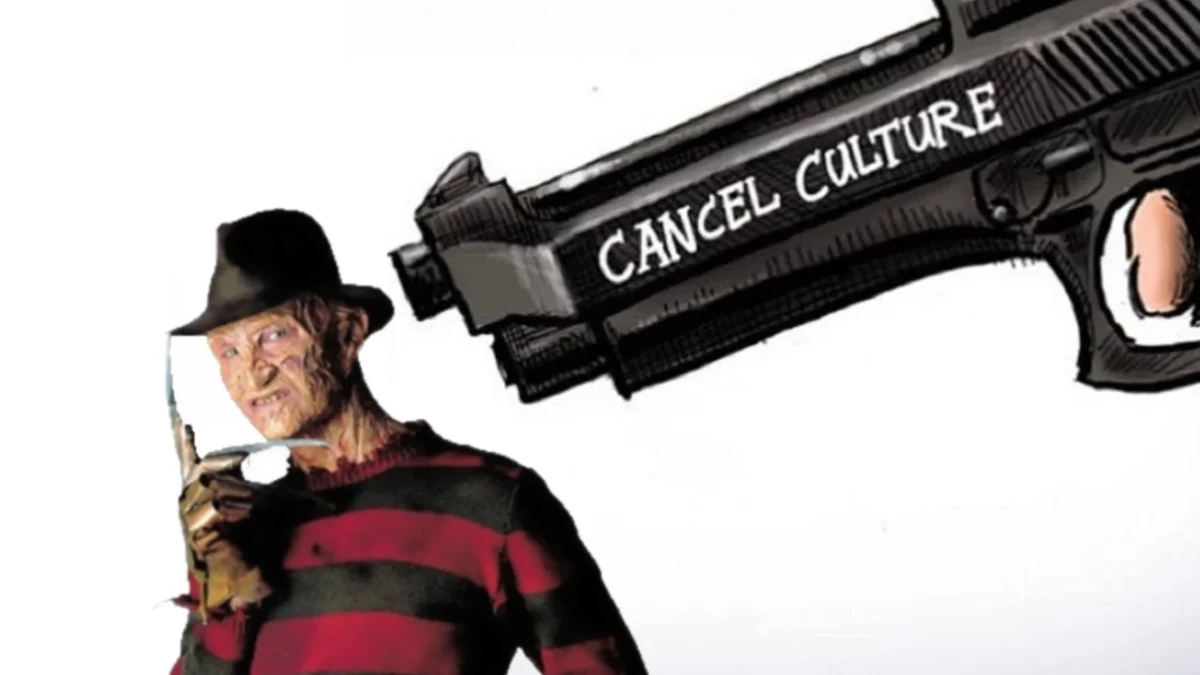
Digital Discourse and the Cultural Re-Evaluation of Horror Icons: The 2026 Cancellation Controversy Surrounding Freddy Krueger represents a significant shift in the intersection of legacy media, modern social accountability, and the evolving sensibilities of the digital age. In October 2026, a series of viral discussions across TikTok, X (formerly Twitter), and various gaming forums sparked a movement to "cancel" Freddy Krueger, the primary antagonist of the long-running A Nightmare on Elm Street film franchise. While the concept of canceling a fictional character—particularly one defined by his villainy—was met with significant skepticism and mockery by some segments of the internet, the event highlighted a growing divide in how different generations consume and critique transgressive media.
The controversy originated from a renewed scrutiny of Krueger’s backstory, specifically his history as a child predator and murderer. While these elements have been part of the character’s lore since the franchise’s inception in 1984, their re-emergence in the 2026 cultural zeitgeist was fueled by a combination of high-profile digital collaborations and a new generation of viewers discovering the character’s origins through social media "deep dives." The resulting discourse centered on whether it is appropriate to glorify, market, or "stan" a character whose fictional crimes are among the most taboo in human society.
The Genesis of the Controversy: From Subtext to Explicit Narrative
To understand the 2026 cancellation attempt, one must look at the historical evolution of Freddy Krueger. Created by Wes Craven, Krueger was introduced as a vengeful spirit who kills teenagers in their dreams. However, the character’s human origins are rooted in extreme deviancy. According to the original franchise lore, Krueger was a child killer who was burned alive by a mob of vengeful parents after he escaped legal punishment on a technicality.
The historical context of the character’s creation is pivotal. In the original 1984 script, Wes Craven intended for Krueger to be explicitly identified as a child molester. However, during the production of the first film, California was gripped by the "South Bay" scandal, a high-profile case involving allegations of child abuse. To avoid accusations of exploitation and to maintain the film’s focus on supernatural horror, the production team shifted Krueger’s primary crime to child murder, though the predatory subtext remained a palpable element of Robert Englund’s performance.
The 2010 remake of A Nightmare on Elm Street, starring Jackie Earle Haley, chose to lean into this original intent, making Krueger’s history as a child molester explicit. This narrative choice was polarizing at the time and became a central point of contention during the October 2026 discourse. Critics of the remake argued that making the subtext explicit stripped the character of his "enjoyable" horror-villain status, transforming him from a "campy" slasher icon into a figure of genuine, non-fantastical trauma.
Chronology of the 2026 Online Movement
The resurgence of interest in Krueger’s morality was not accidental. In mid-October 2026, the popular battle royale game Fortnite released a "Freddy Krueger" skin as part of its annual Halloween event. This introduced the character to a massive demographic of younger players, many of whom were unfamiliar with the R-rated films of the 1980s. As these players began researching the character they were controlling in-game, the "dark lore" of Freddy Krueger began to trend.
On October 18, 2026, the discourse gained significant traction when X user @NEEMOAHTOAD posted a critique of the 2010 remake, noting that while the film was poor, the common complaint that it "made" Freddy a predator was inaccurate, as the original film made that fact "blatantly obvious." The post garnered over 9,100 likes and sparked a chain reaction of investigative threads.
By October 23, the conversation shifted toward the ethics of character design. X user @Srirachachau argued that the explicit nature of the 2010 film made the character too realistic to be an "enjoyable" horror villain. This sentiment was echoed on TikTok, where users began creating videos "exposing" Freddy Krueger’s backstory to their followers. On October 27, TikToker @coolgalag posted a comprehensive breakdown of the character’s history, linking the Fortnite skin release to a broader "investigation" into Krueger’s crimes. The video, which explained the script changes from 1984, reached over 80,000 views within 24 hours.
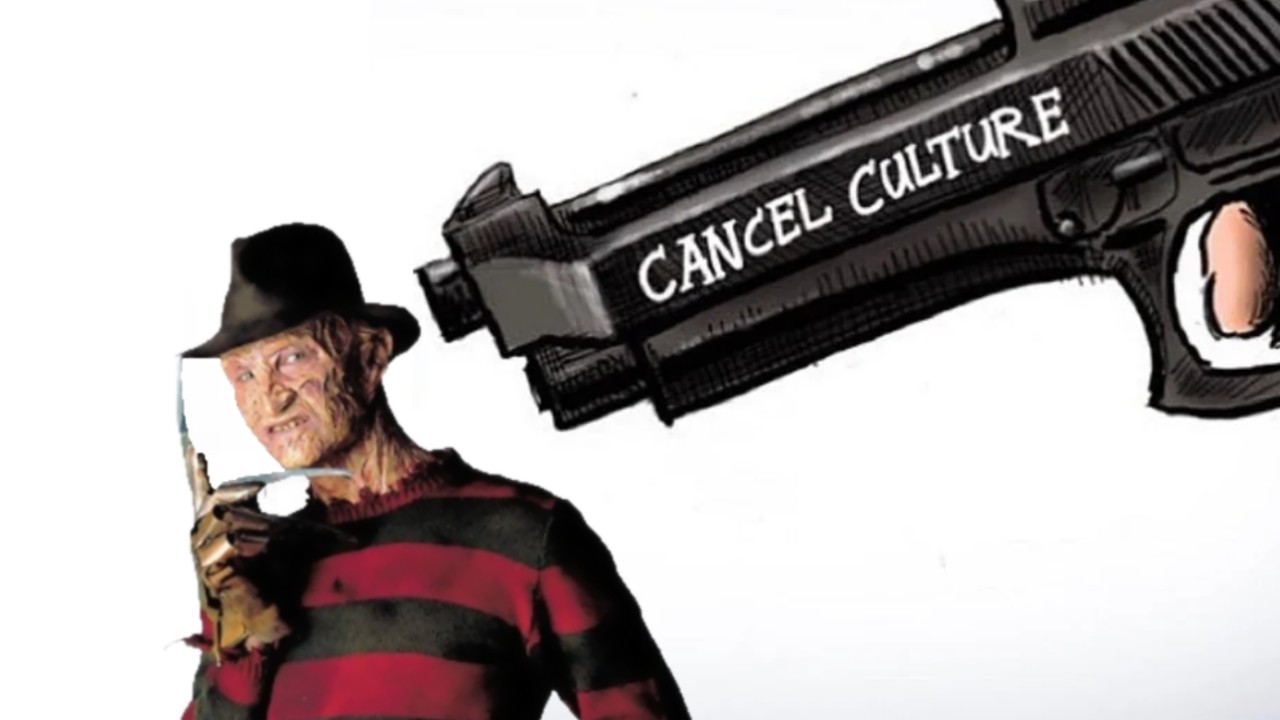
The movement reached its peak on October 28, 2026, when the hashtag #CancelFreddyKrueger began to appear in the "Trending" sections of social media platforms. While many used the hashtag to express genuine discomfort with the character’s backstory, a significant portion of the engagement came from users mocking the idea of canceling a fictional demon. TikToker @demixaustinn, for instance, posted a viral response arguing that the "point" of Krueger is that he is irredeemably evil, suggesting that those offended were "not the right audience" for the genre.
Analytical Perspective: The "Villain-Protagonist" Paradox
The 2026 controversy highlights a psychological phenomenon known as the "Villain-Protagonist" paradox. In the 1980s and 90s, Freddy Krueger evolved from a terrifying shadow in the first film to a wisecracking pop-culture icon in later sequels like The Dream Child and Freddy’s Dead: The Final Nightmare. This "Disney-fication" of a child murderer allowed him to be marketed on lunchboxes, pajamas, and toy aisles.
However, the modern digital landscape is less tolerant of such cognitive dissonance. For a generation raised in an era of heightened awareness regarding systemic abuse and victim advocacy, the "campy" interpretation of a predator feels increasingly out of touch. The 2026 cancellation attempt can be viewed as a clash between "Legacy Horror Fans"—who view Krueger through the lens of cinematic nostalgia and genre tropes—and "Modern Moralists"—who prioritize the ethical implications of a character’s actions, even in a fictional setting.
Industry analysts suggest that the backlash was a predictable outcome of bringing "high-transgression" R-rated icons into "all-ages" digital spaces like Fortnite. When a character whose core identity is built on child victimization is placed in a game alongside colorful characters like Peely or Spider-Man, the inherent darkness of that character becomes more jarring and less defensible to a general audience.
Responses and Cultural Implications
While the estate of Wes Craven and the rights holders at Warner Bros. Discovery did not issue a formal press release regarding the "cancellation," the digital footprint of the event had immediate effects. Several prominent streamers and content creators began to distance themselves from the Krueger skin in Fortnite, citing a desire to keep their channels "brand-safe."
Furthermore, the discourse prompted a wider discussion on the future of the horror genre. Film historians and critics argued that the "cancellation" of Freddy Krueger marks the end of the "Superstar Slasher" era. In this new climate, villains are expected to be either supernatural forces with no human history (such as the entities in The Conjuring universe) or metaphors for societal issues (as seen in the "elevated horror" of the 2010s and 2020s). The "human-monster" archetype, exemplified by Krueger, faces an uphill battle in a culture that is increasingly unwilling to separate a character’s entertainment value from their moral transgressions.
Conclusion and Broader Impact
The attempt to cancel Freddy Krueger in October 2026 serves as a case study in how social media can re-contextualize historical media for a modern audience. It demonstrates that as the barrier between niche subcultures and the mainstream continues to dissolve, the "rules" of the horror genre are being rewritten by a public that demands a higher level of moral consistency from their icons.
Whether this movement results in the permanent shelving of the Nightmare on Elm Street franchise remains to be seen. However, the event has undeniably altered the way studios approach the marketing of legacy villains. The 2026 controversy proved that in the age of viral information, no backstory—no matter how old or how fictional—is immune to the scrutiny of the modern digital court of public opinion. The legacy of Freddy Krueger, once defined by his ability to haunt dreams, is now defined by a very real debate over the limits of fictional evil and the responsibilities of those who profit from it.

