
The digital landscape has recently witnessed the emergence and rapid proliferation of the term Didy, a deliberate misspelling of the name of the disgraced music mogul and rapper Sean Combs, popularly known as P. Diddy. What initially appeared as a simple typographical error has evolved into a complex linguistic tool utilized within the realms of internet memes, social media commentary, and defensive digital strategies known as algospeak. This phenomenon, which gained significant momentum between July 2025 and October 2026, represents a shift in how internet subcultures process high-profile legal controversies through a lens of irony, absurdity, and tactical language modification.
Definition and the Mechanics of Algospeak
At its core, Didy serves as a tongue-in-cheek reference to P. Diddy. However, its utility extends beyond mere humor. Within the context of modern social media platforms such as TikTok, Instagram Reels, and X (formerly Twitter), the term functions as a form of algospeak. Algospeak refers to the practice of using coded language, intentional misspellings, or alternative phrases to bypass automated content moderation systems.
In the case of Sean Combs, whose legal battles and subsequent trial have been subjects of intense public scrutiny, social media algorithms often prioritize or suppress content based on specific keywords. By using Didy instead of Diddy, creators aim to prevent their content from being flagged, "shadowbanned," or buried by moderation filters that might otherwise categorize discussions of the rapper as sensitive or controversial. This linguistic evasion allows the meme to spread through the "For You" pages of millions of users without triggering the platform-level restrictions typically applied to high-profile criminal cases.
Historical Context: The 2025 Trial and Initial Emergence
The origin of the Didy misspelling is inextricably linked to the conclusion of the legal proceedings involving Sean Combs in July 2025. Following the trial’s resolution, a surge of public discourse flooded social media. While mainstream news outlets provided factual reporting, the internet’s "meme economy" responded with a wave of ironic content.
The earliest documented instance of the term gaining viral traction occurred on July 24, 2025. The Instagram page negan.feels posted a variation of the popular "Mr. Incredible Becoming Uncanny" meme format. In this iteration, the visual progression of Mr. Incredible’s face into a distorted, horrific state was paired with the caption: "You get a phone call… IT’S FROM DIDY." The post resonated with an audience that favored surreal and "uncanny" humor, garnering over 62,100 likes within a year. This event marked the transition of the term from a niche misspelling to a recognizable cultural shorthand for the controversy surrounding the rapper.
Throughout the remainder of 2025, the term continued to simmer in the background of internet culture. On December 18, 2025, the Instagram page bogorhoodfails2009 released a meme featuring the term that achieved over 14,900 likes. These early examples established the "Didy" aesthetic: low-fidelity imagery, nonsensical phrasing, and a detached, ironic tone that distanced the humor from the gravity of the actual legal allegations.
Evolution of the Trend: The 2026 Surge
As 2026 progressed, the term Didy underwent a stylistic transformation. By mid-year, it had moved away from the "uncanny" horror aesthetic and toward a more absurdist, "brainrot" style of humor. On August 31, 2026, an Instagram user known as juggperc posted a meme with the caption, "When bro says didy words." This post, which earned over 91,000 likes, suggested that "Didy" had become an adjective in its own right, describing a specific type of behavior or speech associated with the rapper’s public persona or the memes themselves.
The peak of the trend arrived in October 2026, characterized by a sudden and massive influx of content pairing the term with imagery from the long-running animated series South Park. This specific crossover highlighted the "meta" nature of modern memes. South Park has historically been a vehicle for social satire, and internet users utilized its characters to frame the "Didy" narrative in increasingly bizarre ways.
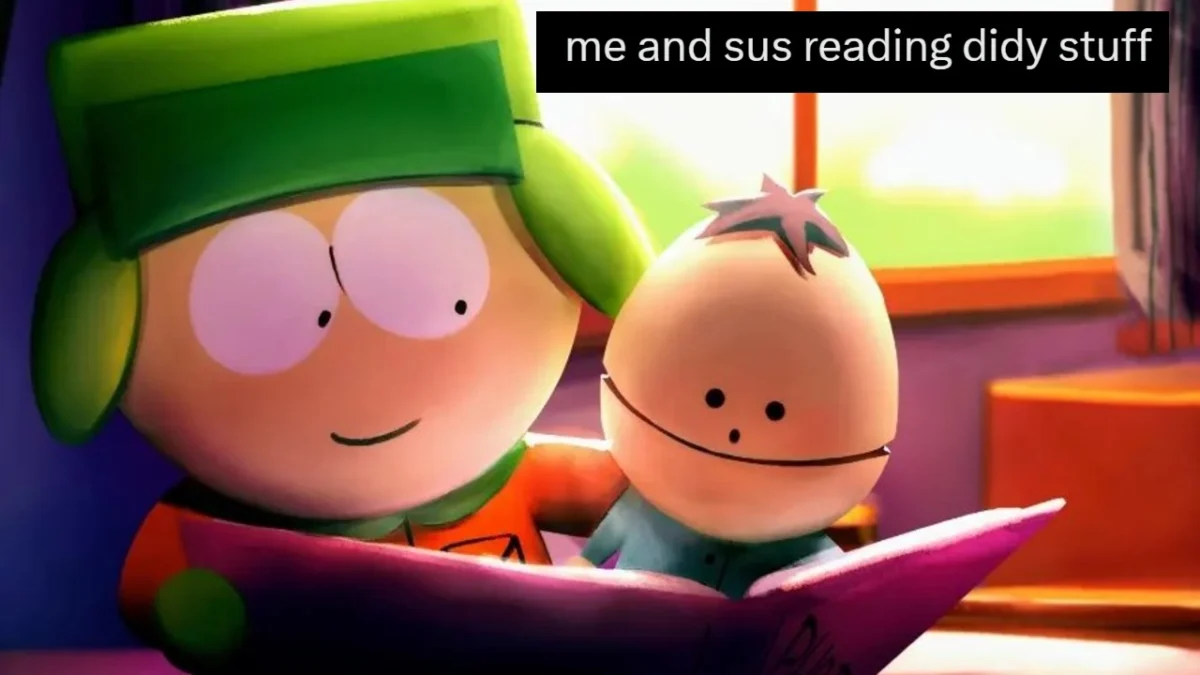
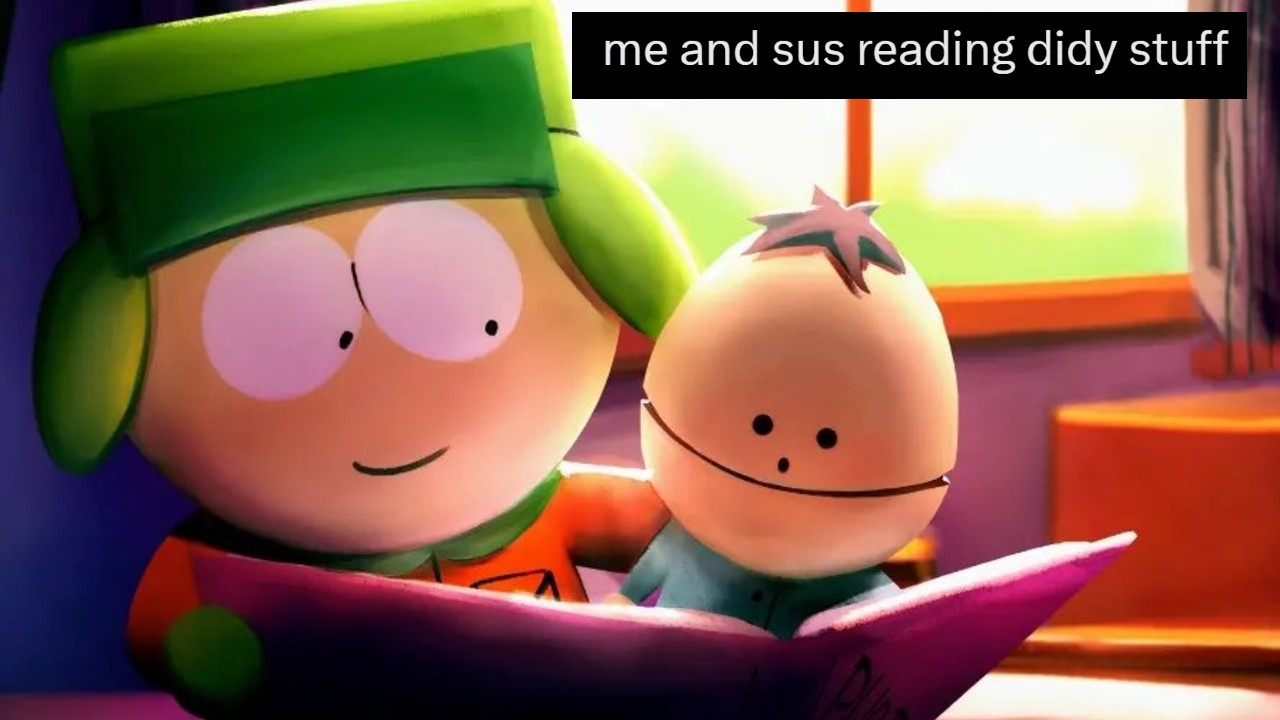
On October 23, 2026, several high-engagement posts appeared on X. User @jadecerealepic7 shared an image of the character Kyle reading to his brother Ike, captioned, "me and sus reading didy stuff." Simultaneously, user @poneshion posted an image of a South Park character with the caption, "me in didy vs drake war," referencing the ongoing cultural comparisons and perceived rivalries within the music industry. These posts combined for tens of thousands of likes and hundreds of thousands of views, signaling that the term had reached a level of saturation where the original context of the trial was being eclipsed by the internal logic of the meme itself.
Absurdist Content and the TikTok Influence
The trend’s expansion into TikTok further diversified the use of the term. On October 23, 2026, a TikToker under the handle @rooooofus posted a video featuring a horse eating a peppermint. The video concluded with a joke identifying the animal as a "Didy horse." This video alone garnered over 850,000 views in less than a week.
The "Didy horse" phenomenon illustrates a common trajectory for internet slang: the "de-contextualization" phase. In this stage, a term that started with a specific reference (Sean Combs) is applied to completely unrelated subjects (a horse eating a peppermint) simply because the word has acquired a humorous phonetic quality or a general "vibe" of absurdity. For many younger users on TikTok, the term Didy no longer serves as a commentary on a legal trial, but rather as a nonsensical buzzword used to generate engagement through confusion and non-sequiturs.
Linguistic and Sociological Analysis
Sociologists and digital linguists point to several factors that explain the longevity and success of the Didy meme. First is the concept of "ironic detachment." By misspelling the name and placing it in absurd contexts, internet users are able to discuss a dark and controversial figure without appearing to take the subject matter too seriously. It creates a "safe" distance between the creator and the heavy social implications of the Combs case.
Second is the visual language of the memes. The use of South Park imagery, "Mr. Incredible" templates, and low-resolution graphics appeals to a demographic that grew up with "Web 2.0" aesthetics. This nostalgia, combined with the "newness" of the slang, creates a potent mix that appeals to both Gen Z and Millennial users.
Third is the algorithmic feedback loop. As more users interact with "Didy" content, the algorithms on platforms like TikTok and Instagram recognize the term as a high-engagement keyword. This encourages more creators to produce content using the term, regardless of whether they have a specific joke or message, leading to a self-sustaining cycle of content production and consumption.
Platform Responses and Moderation Challenges
The rise of "Didy" presents a significant challenge for social media companies. Content moderation teams are often caught in a "cat-and-mouse" game with users who invent new slang to bypass filters. While platforms have become adept at identifying slurs or banned phrases, identifying "ironic misspellings" is much more difficult.
If a platform were to ban the word "Didy," they risk censoring legitimate, unrelated content or simply driving users to invent a new misspelling, such as "Diddi" or "Diddy0." This highlights the inherent limitations of AI-driven moderation in the face of human linguistic creativity. As of late 2026, most platforms have allowed the "Didy" trend to persist, as it rarely violates specific terms of service regarding hate speech or harassment, despite its association with a controversial public figure.
Broader Implications and Future Outlook
The "Didy" phenomenon is a microcosm of the current state of internet culture. It demonstrates how quickly a serious news event can be processed, satirized, and ultimately transformed into a nonsensical digital artifact. It also underscores the power of algospeak in shaping modern language. As users become more aware of how algorithms dictate their digital reach, the use of intentional misspellings and coded language is likely to become a standard feature of online communication.
Looking forward, the term "Didy" may eventually fade into the background as new controversies and memes take its place. However, the template it established—using ironic misspellings and unrelated imagery to discuss high-profile figures—will almost certainly be applied to future events. The "Didy vs. Drake war" memes, the "Didy horse," and the "Didy words" all serve as a testament to the internet’s ability to create its own internal reality, one where the boundaries between news, entertainment, and pure absurdity are permanently blurred.
In conclusion, the Didy slang term is more than just a typo. It is a strategic linguistic tool, a symbol of ironic cultural processing, and a reflection of the complex relationship between social media users and the algorithms that govern their digital lives. As Sean Combs’ legacy continues to be debated in the physical world, his digital shadow—Didy—continues to roam the internet in a series of increasingly strange and viral iterations.

