
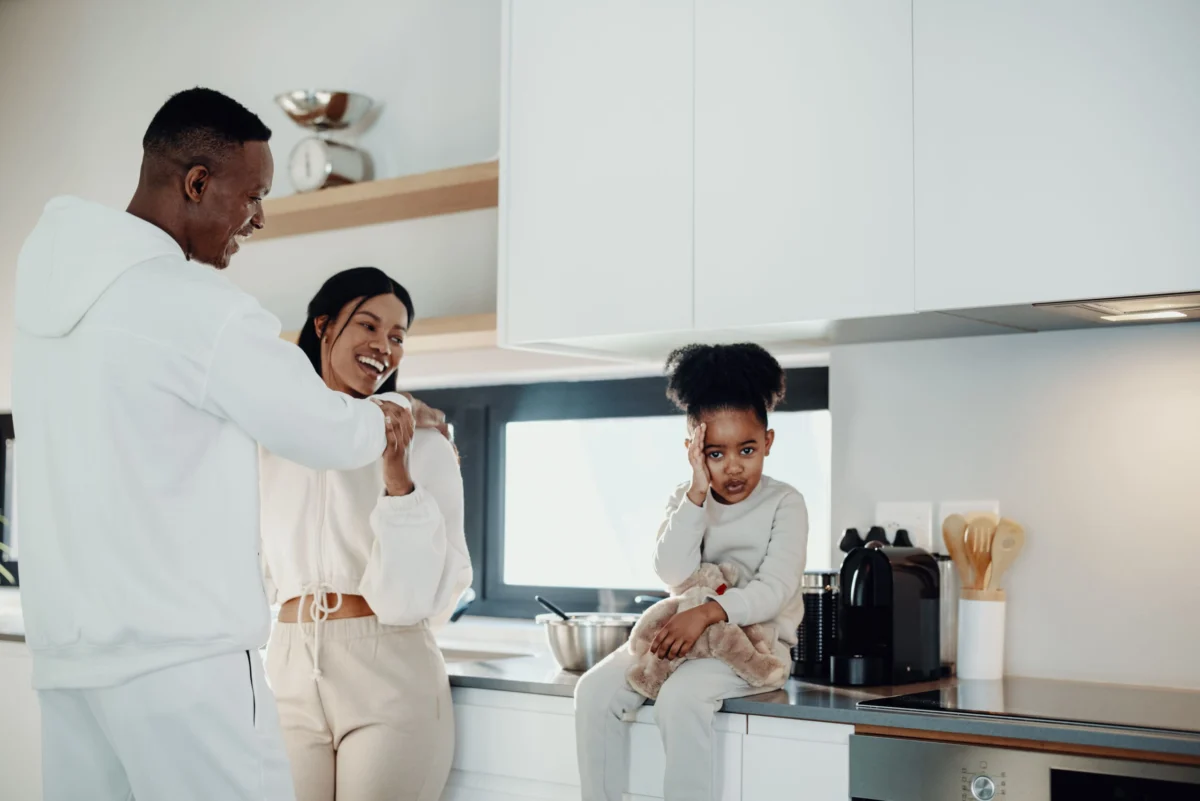
The intricate dynamics of a parental marriage serve as a profound, often unspoken, curriculum that profoundly influences children’s understanding of relationships, commitment, and conflict resolution. From their earliest years, children act as astute observers, internalizing patterns of communication, affection, and reconciliation that will inevitably inform their own relational blueprints in adulthood. This continuous observation transcends explicit lessons, embedding deeply into a child’s psyche the fundamental tenets of what a committed partnership entails.
Early Observations: Laying the Foundational Blueprint
From infancy through adolescence, children are continuously processing the interactions between their primary caregivers. Child development experts consistently highlight that these early observations form the bedrock of emotional and social learning. While parents may believe children are engrossed in their own activities or digital devices, psychological research indicates that they are acutely aware of the subtle cues, tones, and unspoken communications exchanged between adults in the household. A dismissive shrug, a shared laugh, a tense silence, or an affectionate touch — each contributes to a comprehensive, albeit subconscious, understanding of marital life.
Sociological studies on family structures frequently underscore the concept of intergenerational transmission of relationship patterns. This means that behaviors and attitudes witnessed in parental relationships are often replicated, consciously or unconsciously, in children’s future partnerships. The foundational years, particularly ages 3-10, are critical for forming initial perceptions of trust, security, and the nature of adult intimacy.
Modeling Conflict Resolution: Beyond the Absence of Disagreement
One of the most significant lessons children glean from observing their parents is the methodology of conflict resolution. Contrary to the misconception that children require a conflict-free environment, developmental psychology suggests that witnessing constructive conflict is more beneficial than a perpetual avoidance of disagreement. Marriages, by their very nature, involve differences in opinion, unmet expectations, and occasional friction. What proves instructive for children is not the absence of these moments, but the visible process of navigating them.
When parents engage in arguments, children observe not only the disagreement itself but also the subsequent steps taken to address and repair the breach. Studies published in journals like Developmental Psychology indicate that children whose parents model healthy conflict resolution – characterized by active listening, respectful dialogue, compromise, and eventual reconciliation – tend to exhibit superior emotional regulation skills and greater empathy in their own peer interactions. Conversely, exposure to unresolved conflict, passive aggression, or escalating disputes without resolution can lead to heightened anxiety, insecurity, and an underdeveloped capacity for relational repair in children. The ability to cool off, return to a discussion, apologize sincerely, and move forward teaches resilience and the understanding that relational difficulties are surmountable.
The Power of Affection and Enjoyment: A Visible Liking
Beyond managing disputes, children are keenly attuned to the underlying emotional climate of the parental relationship. Research on marital satisfaction consistently points to the importance of shared affection, humor, and mutual enjoyment as critical components of a thriving partnership. Children observe whether their parents genuinely like each other, not just tolerate one another as co-managers of a household.
Visible expressions of affection—a casual hug, a hand held, a shared laugh, or a quick, supportive glance—communicate warmth and connection. These demonstrations teach children that marriage is not merely a transactional arrangement of duties and responsibilities, but a bond rooted in affection, companionship, and joy. Longitudinal studies have correlated parental affection with children’s increased self-esteem and a more positive outlook on romantic relationships in their own futures. When children witness their parents making time for shared activities and exhibiting playful interaction, they learn that a sustained relationship is enriched by mutual appreciation and enjoyment, making it a source of comfort and happiness rather than just an obligation.
Partnership Versus Obligation: Defining Marital Roles
The operational dynamic between parents provides children with a tangible model for teamwork and shared responsibility. Children observe whether the marriage functions as a cooperative partnership or a series of individual tasks performed out of obligation. The language parents use about each other and to each other is particularly potent in shaping these perceptions. A tone of respect, gratitude, and mutual support frames marriage as a valued alliance. Conversely, dismissive remarks, complaints, or a pervasive sense of burden can communicate that marriage is a form of "jury duty"—an inescapable commitment rather than a chosen partnership.
Psychological frameworks, such as attachment theory, suggest that the security derived from observing a strong parental team can foster a child’s own sense of security and willingness to engage in collaborative relationships. When children see parents with differing personalities and opinions navigate challenges as a unified front, they learn the value of compromise, mutual respect, and the strength that comes from collective effort. This modeling is crucial for understanding the interdependence inherent in healthy long-term commitments.
The Crucial Role of Apology and Forgiveness
The capacity for apology and forgiveness is a cornerstone of relational health, and children’s earliest lessons in these vital skills often come from their parents. When parents admit mistakes, offer genuine apologies, and extend forgiveness, they provide a powerful demonstration of humility, empathy, and the ability to repair relational harm. This process teaches children that errors are part of human interaction, but that relationships can endure and even strengthen through acknowledging wrongdoing and granting grace.
Conversely, a household where grudges linger, apologies are absent, or forgiveness is withheld teaches children that conflict is permanent and that relational breaches are irreparable. Research indicates that children raised in environments where apology and forgiveness are modeled are more likely to develop higher emotional intelligence, demonstrate greater empathy, and exhibit more resilient coping mechanisms in their own social interactions. They learn that "I’m sorry" is not a sign of weakness but a powerful tool for connection and growth.
The Weight of Promises: Instilling Trust and Commitment
Children are remarkably adept at discerning consistency and sincerity. They observe whether parental promises are honored, not just as isolated incidents, but as a consistent pattern of reliability within the marital context. This includes not only explicit promises but also the implicit commitment to mutual support, fidelity, and shared future planning that underpins a marriage.
When parents consistently follow through on their commitments to each other and to the family unit, children learn the profound value of trustworthiness and the importance of integrity in relationships. This fosters a sense of security and predictability, vital for a child’s healthy development. Inconsistency, however, can breed uncertainty and cynicism, potentially impacting a child’s ability to trust and commit in their own future relationships. The perceived strength of the marital bond, reinforced by consistent actions and reliable communication, translates into a child’s understanding of what it means to "show up" and "follow through" in a committed partnership.
Embracing Imperfection: Realism in Relational Expectations
Perhaps the most liberating lesson children can learn from their parents’ marriage is that perfection is an unattainable and undesirable goal. No marriage is without its struggles, its moments of doubt, or its imperfections. What children ultimately need to witness is not a flawless union, but a resilient one—a partnership where both individuals actively choose each other daily, fight for their connection, and navigate life’s complexities with a shared commitment.
Psychologists emphasize that exposing children to a realistic portrayal of marriage—one that encompasses both joy and hardship, laughter and tears, compromise and steadfastness—prepares them for the realities of their own future relationships. This includes seeing parents as human, capable of mistakes but also capable of growth, forgiveness, and enduring love. The narrative that marriage is a continuous journey of "figuring it out one day at a time" empowers children with a pragmatic yet hopeful perspective. It instills the belief that sustained love requires effort, adaptability, and a deep-seated commitment to partnership, rather than an illusion of effortless harmony.
Broader Impact and Societal Implications
The cumulative effect of these observed marital dynamics extends far beyond the individual child, contributing to broader societal patterns of relational health. Research consistently demonstrates that children from homes with stable, supportive, and constructively functioning parental relationships tend to exhibit better academic outcomes, fewer behavioral problems, and stronger social skills. They are also more likely to form stable, healthy relationships in adulthood, potentially reducing cycles of relational dysfunction and divorce.
Conversely, prolonged exposure to high-conflict, disengaged, or emotionally volatile parental relationships can contribute to adverse outcomes for children, including increased risks of mental health issues, difficulties in forming secure attachments, and a propensity to replicate dysfunctional patterns in their own lives. Recognizing the profound impact of parental relationships on children underscores the societal imperative to support marital health through educational programs, family counseling, and community initiatives that foster stronger, more resilient partnerships.
Ultimately, the inheritance children receive from watching their parents’ marriage is invaluable. It is not a material legacy, but a deeply ingrained set of beliefs, expectations, and behavioral patterns concerning love, commitment, and partnership. The question for every parent, therefore, is not whether their marriage will teach their children, but rather, what lessons—both intentional and unintentional—they wish to impart about the enduring journey of two lives intertwined.

