
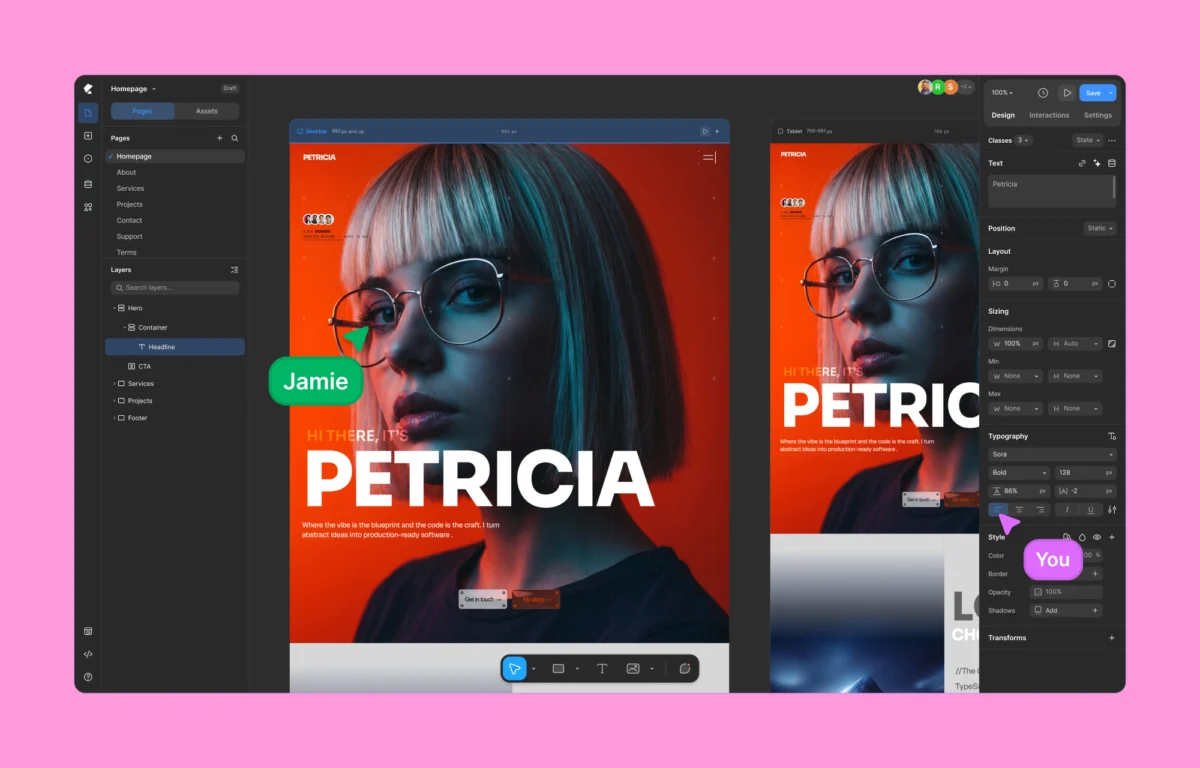
The landscape of web development within the WordPress ecosystem is undergoing a fundamental transformation as a new generation of visual builders seeks to eliminate the technical debt and design constraints associated with legacy platforms. Leading this shift is Kirki, a freeform visual builder that introduces an infinite canvas and a zero-plugin dependency model, effectively challenging the "boxed" layout conventions that have dominated WordPress for over a decade. By prioritizing semantic code output and integrated functionality, Kirki aims to provide a professional-grade alternative to traditional page builders that often struggle with performance bloat and complex third-party integrations.
The Evolution of WordPress Site Building: From Shortcodes to Infinite Canvases
To understand the significance of Kirki’s market entry, one must look at the chronology of WordPress development. In the early 2010s, site building was largely a manual process involving PHP templates and CSS. The introduction of shortcode-based builders provided a more accessible entry point for non-developers but often resulted in "shortcode soup," making it nearly impossible to migrate content once a specific builder was deactivated.
The subsequent era saw the rise of visual builders like Elementor, Divi, and Beaver Builder. These tools introduced the "drag-and-drop" interface, allowing users to see changes in real-time. However, these platforms were built on a foundation of nested columns and rows—a "box-inside-a-box" architecture. While functional, this structure often led to excessive DOM (Document Object Model) depth, which negatively impacts page load speeds and SEO.

Kirki represents the third major evolution in this timeline. By moving away from rigid grid systems and adopting a freeform canvas—similar to professional design software like Figma or Adobe XD—it allows for pixel-perfect placement and overlapping elements without the structural constraints of traditional HTML wrappers. This shift marks a move toward "spatial" web design, where the boundaries between design software and the final production environment are increasingly blurred.
Technical Benchmarking: Performance and Code Integrity
In a data-driven industry, performance is a primary metric for success. To evaluate the technical efficiency of Kirki, comparative audits were conducted against industry-standard builders using identical server environments and design layouts. The testing utilized the WordPress Twenty Twenty-Five theme as a baseline to ensure that any performance variance was directly attributable to the builder itself.

The results of the Lighthouse performance audits revealed a significant disparity in how different builders handle code execution. Traditional builders often load a suite of CSS and JavaScript libraries regardless of whether specific elements are used on a page. In contrast, Kirki’s architecture is designed to generate clean, semantic HTML with minimal nesting.
Key Performance Metrics Identified:

- DOM Depth: Kirki demonstrated a significantly shallower DOM structure. Where legacy builders might nest an image within five or six
<div>wrappers, Kirki utilizes a direct approach, reducing the browser’s rendering effort. - Resource Loading: Audits showed that Kirki-built pages maintained higher scores in "First Contentful Paint" (FCP) and "Largest Contentful Paint" (LCP), critical metrics for Google’s Core Web Vitals.
- Script Bloat: By internalizing features such as animations and interactions, Kirki eliminates the need for external libraries like GSAP or multiple third-party plugins, which typically add several hundred kilobytes to a page’s weight.
For developers and SEO specialists, these metrics are not merely academic. Faster load times directly correlate with lower bounce rates and higher conversion paths, particularly on mobile devices where processing power and bandwidth are often limited.
The Infinite Canvas and Design Workflow Integration
The most visible innovation Kirki brings to the WordPress environment is its infinite canvas. Unlike standard editors that restrict the user to a vertical scroll, the infinite canvas allows for a multi-directional workspace. This environment supports concurrent editing of all responsive views—Desktop, Tablet, and Mobile—side by side.

This "concurrent editing" model addresses a long-standing pain point in responsive design. In traditional workflows, a designer must toggle between different viewports, often losing context or inadvertently breaking the layout on one device while fixing it on another. Kirki’s side-by-side interface allows for real-time adjustments across the entire responsive spectrum. Changes made to a primary breakpoint cascade intelligently to smaller screens, but the designer can fine-tune specific elements on a per-device basis without leaving the main workspace.
Furthermore, the integration with Figma provides a seamless handoff for design agencies. The ability to import Figma designs directly into a functional WordPress environment significantly reduces the "translation gap" between a design concept and a live website. This feature effectively eliminates hours of manual reconstruction, ensuring that the final product adheres strictly to the original design specifications.

Dismantling the Plugin Dependency Model
For years, the "WordPress way" has involved stitching together various plugins to achieve advanced functionality. A typical professional site might require Advanced Custom Fields (ACF) for data management, a separate plugin for pop-ups, another for form submissions, and yet another for complex animations. This "Frankenstein" approach creates a fragile ecosystem where a single plugin update can potentially crash the entire site.
Kirki’s "all-in-one" philosophy seeks to dismantle this model. It includes a native Dynamic Content Manager, allowing users to handle custom post types and metadata without external dependencies.

Integrated Features Include:
- Visual Interaction Builder: A timeline-based editor for scroll-triggered animations and hover effects, removing the need for custom JavaScript or heavy animation plugins.
- Native Form Builder: A comprehensive tool for lead generation and data collection with built-in submission management.
- Global CSS Variables: A centralized system for managing design tokens such as typography scales, color palettes, and spacing, ensuring site-wide consistency and ease of updates.
By internalizing these tools, Kirki ensures that all components are optimized to work together, reducing the likelihood of software conflicts and simplifying the long-term maintenance of the website.

Real-Time Collaboration and Quality Control
As remote work and distributed teams become the industry standard, collaboration features have become a necessity rather than a luxury. Kirki introduces a multi-user co-editing experience to WordPress, mirroring the collaborative environments found in Google Docs or Figma. Multiple team members can work on the same canvas simultaneously, with color-coded cursors indicating real-time activity.
This collaborative layer is supported by a built-in Page Audit tool, which acts as a final gatekeeper before a site goes live. The audit tool scans for common technical oversights, such as:

- SEO Gaps: Missing meta tags or improper heading hierarchies.
- Accessibility Issues: Insufficient color contrast or missing alt text for images.
- Technical Integrity: Broken links and oversized image assets.
For agencies managing high-volume projects, these quality control features provide a standardized checklist that ensures every page meets a minimum threshold of technical excellence before being handed over to a client.
Economic Implications and Market Analysis
The pricing structure of website builders has often been criticized for "feature-gating," where essential tools are hidden behind premium tiers. Kirki’s market strategy involves a highly functional free version available on WordPress.org, which provides enough power for most standard projects.

For professional users, the Pro plans are positioned aggressively against incumbents. At $59 per year for a single site or a $499 lifetime option for unlimited sites, Kirki offers a transparent cost-to-value ratio. Unlike competitors that may require additional subscriptions for "Pro" widgets or dynamic content extensions, Kirki includes its entire suite—including the template library and interaction builder—in every paid tier.
From a broader market perspective, Kirki’s entry pressures established players to modernize their underlying codebases. As Google’s search algorithms increasingly penalize slow-loading, bloated websites, the demand for "lean" builders is expected to grow. Industry analysts suggest that the "No-Code" market, currently valued at billions of dollars, is shifting toward tools that offer professional-grade output rather than just ease of use.

Conclusion: The Future of the WordPress Ecosystem
The introduction of Kirki into the WordPress space signals a move toward a more sophisticated, performance-oriented web. By combining the flexibility of a freeform canvas with the technical rigor of clean code output, it addresses the primary criticisms leveled against WordPress visual builders for the past decade.
While legacy builders like Elementor and Divi still maintain a massive user base due to their established ecosystems and third-party marketplaces, Kirki offers a compelling vision for what a modern web builder should look like. It prioritizes the user experience of the designer, the workflow of the developer, and the performance needs of the end-user.

As the web continues to evolve toward more interactive and visually complex experiences, tools that can deliver high-end design without sacrificing technical integrity will likely define the next era of digital publishing. Kirki is not just a new plugin; it is a blueprint for a more efficient, creative, and streamlined WordPress.

