
The physical store has long held a distinct advantage in the retail landscape: the ability for customers to directly interact with products. The subtle nuances of texture, the satisfying flexibility, and the intuitive ease of use are all elements that a physical encounter reveals, often in ways that product descriptions or even static images cannot fully convey. In the digital realm, where shoppers are detached from the tangible, this sensory disconnect presents a significant challenge for online merchants. However, a growing number of e-commerce brands are ingeniously leveraging sophisticated visual strategies to bridge this gap, striving to evoke the tactile experience through carefully curated imagery and innovative presentation.

The fundamental challenge lies in translating the implicit information gained from touch into a visual language that resonates with online consumers. While color plays a role, it is insufficient on its own to communicate the depth of a product’s physical characteristics. The true artistry lies in how light interacts with a surface, revealing its texture, its imperfections, and its inherent material qualities. This is where strategic photography and videography are becoming indispensable tools in the online merchant’s arsenal, aiming to provide a proxy for the absent physical interaction.
Harnessing Light to Reveal Texture
One of the most effective methods for replicating the sensation of touch online is through the skillful manipulation of light. By capturing how light plays across a product’s surface, retailers can visually communicate texture in a way that color alone cannot. Uneven surfaces, subtle grain patterns, or the minute pitting that would be immediately apparent to a shopper’s fingertips can be brought to life through strategic lighting and high-resolution imaging. This approach moves beyond mere product depiction to a more nuanced representation of material reality.

A prime example of this strategy in action is Backdrop, a paint brand that has built its entire online product presentation around this very concept. Instead of relying on flat color swatches, Backdrop’s product pages are dominated by rich, immersive photographs of actual walls painted with their products. These images are not just about showcasing the color; they are about demonstrating the paint as a material. The photographs meticulously capture the subtle imperfections of a painted surface, including the faint roller marks and the almost imperceptible pitting that occurs when paint is applied. This visual storytelling allows potential buyers to gauge the finish, the sheen, and the overall aesthetic quality of the paint in a way that a simple color chip could never achieve.
Further down the product page, Backdrop employs additional imagery that reinforces this tactile communication. Photos depicting a wall in the process of being painted – half covered and half bare, with a visible roller stroke delineating the transition – serve to highlight the paint’s texture and application characteristics. This visual narrative effectively conveys that the product is not just a color but a physical substance with a distinct application process and resulting surface quality. This focus on the material aspect of paint transforms the online shopping experience from a purely color-selection process into a more informed decision about a home improvement material.

Similarly, Fireclay Tile, a California-based manufacturer of ceramic tiles, employs a comparable visual strategy to communicate the tactile qualities of its products. Their product pages feature close-up shots of individual tiles, meticulously photographed to capture the way light interacts with their surfaces. These images reveal variations in glossiness and matte finishes, highlighting the subtle textures and handcrafted nature of the tiles. In some instances, the glaze might catch the light more intensely in certain areas, creating a visual dynamism that suggests depth and material richness. Beyond these detailed close-ups, Fireclay Tile also integrates images of their tiles installed in real-world settings, allowing customers to see how the material performs in different lighting conditions and how it contributes to the overall ambiance of a space, further enhancing the perceived tactile and visual appeal.
Demonstrating Product Efficacy: Showing, Not Just Telling
While light and surface detail are crucial for materials like paint and tile, other product categories require a different approach to convey tactile and functional properties. For items such as bath bombs, soaps, and scrubs, what truly matters is their transformative action – how they behave when used. This is where demonstrating the product in action becomes paramount.

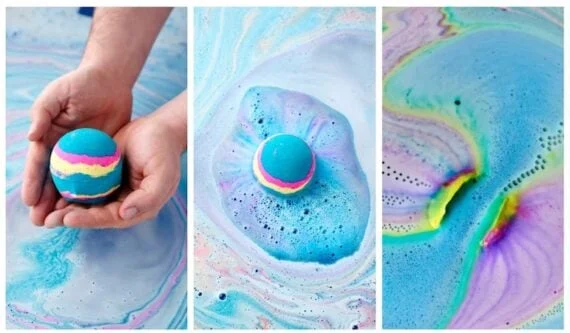
Lush Cosmetics excels in this regard, particularly with its visually engaging product pages for bath bombs. The images for their popular "Intergalactic" bath bomb, for example, do not simply show the spherical product sitting in its packaging. Instead, they depict the bath bomb actively dissolving in water, transforming a bathtub into a swirling spectacle of color and effervescence. These dynamic visuals effectively answer the consumer’s unspoken question: "What will this do for me?" by showcasing the experiential aspect of the product. The images capture the fizzing, the color diffusion, and the visual artistry of the bath bomb’s dissolution, offering a compelling preview of the sensory experience.
Lush extends this commitment to visual storytelling beyond individual product pages. On their category pages for shower and bath scrubs, they have innovatively replaced traditional product images with visual representations of the scrub’s consistency. Instead of displaying jars or containers, the thumbnail images feature circular smears of the scrub itself, showcasing its color and, crucially, its texture. This approach allows shoppers to quickly glean information about the product’s coarseness or smoothness, its density, and its overall feel, even before clicking into the detailed product description. This tactical use of imagery on a broader scale significantly enhances the shopper’s ability to make an informed choice based on their textural preferences.

Strategic Visuals: A New Frontier in E-commerce Engagement
The insights gleaned from these successful examples offer a clear roadmap for online retailers looking to enhance their product presentation and overcome the inherent limitations of digital commerce. By prioritizing visual strategies that mimic the tactile experience, brands can foster deeper customer engagement and build greater confidence in purchasing decisions.
The actionable takeaways for online businesses are multi-faceted:

- Prioritize Tactile Photography: Integrate high-quality images that emphasize surface texture and material detail. Employ lighting techniques that highlight grain, sheen, and imperfections. These images should be prominently featured, ideally as the first visuals in a product gallery, to immediately capture the customer’s attention and convey essential physical characteristics.
- Visualize Product Transformation: For products that change state or exhibit dynamic properties (melting, dissolving, foaming, color changes, crumbling), create visual content that demonstrates these transformations. This can involve short videos, animated GIFs, or sequential imagery that illustrates the product’s journey from its initial state to its ultimate use or effect. This approach is particularly effective for consumables, beauty products, and items with an experiential component.
- Contextualize with Real-World Applications: While close-up shots are vital for detailing texture, showing products in their intended environments or during use provides crucial context. For home goods, this means showcasing them in styled rooms; for personal care items, demonstrating their application or effect. This helps consumers visualize how the product will integrate into their lives and perform in practical scenarios.
- Leverage User-Generated Content (UGC) Strategically: While not explicitly detailed in the provided examples, encouraging and curating user-generated photos and videos can further bolster the tactile impression. Authentic customer images often capture products in real-world lighting and usage scenarios, offering a peer-validated perspective on texture and performance.
- Consider Interactive Visuals: Emerging technologies like 360-degree product views and augmented reality (AR) can offer even more immersive experiences, allowing customers to virtually manipulate and inspect products from all angles. While these may require more significant investment, they represent the next frontier in replicating the physical store experience online.
The implications of these visual strategies extend beyond mere product presentation. By effectively communicating tactile qualities and product efficacy, e-commerce businesses can significantly reduce return rates, as customers are more likely to make informed purchasing decisions. Furthermore, a visually rich and informative online experience can lead to increased conversion rates, improved customer satisfaction, and a stronger brand reputation. In an increasingly competitive digital marketplace, the ability to translate the absent touch into compelling visual narratives is becoming not just a differentiator, but a necessity for success. The examples of Backdrop, Fireclay Tile, and Lush Cosmetics serve as powerful testaments to the efficacy of this approach, demonstrating that with creativity and strategic execution, the tactile divide in e-commerce can indeed be bridged.

