
Historical Context: The 2007 Media Landscape
To understand the significance of the Leave Britney Alone phenomenon, one must examine the socio-cultural environment of the late 2000s. In 2007, the traditional tabloid industry was at its peak, fueled by a relentless 24-hour news cycle that profited from the perceived "downfall" of young female celebrities. Britney Spears, then the world’s most famous pop star, was the primary target of this scrutiny. Following a series of highly publicized personal struggles, including a contentious divorce and custody battle, Spears’ performance at the 2007 MTV Video Music Awards became a flashpoint for media criticism.
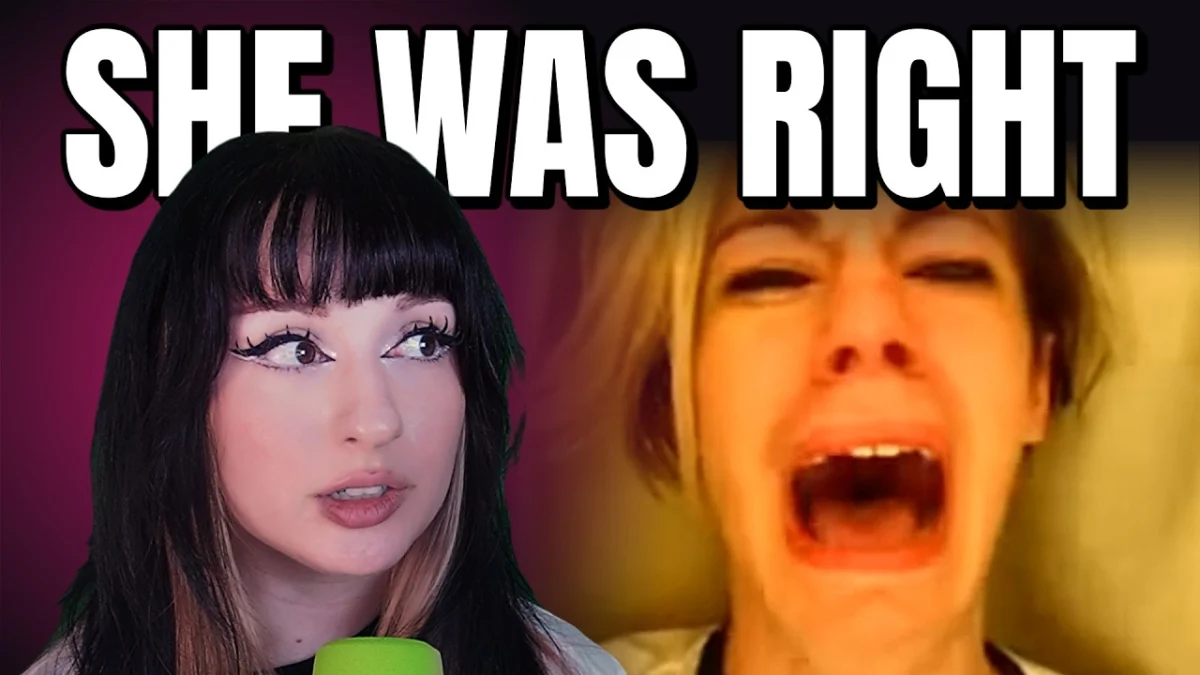
It was within this pressurized environment that Cunningham uploaded the two-minute, 12-second video. Filmed behind a bedsheet with raw, unfiltered emotion, Cunningham tearfully implored the media and the public to cease their harassment of Spears. At the time, the concept of "viral video" was in its infancy. YouTube, founded only two years prior, was still being defined by its users. The reaction to Cunningham’s plea was immediate and overwhelmingly negative; the video was treated as a spectacle of "cringe" culture, leading to parodies on late-night television, including South Park and Saturday Night Live.
The Transformation of Cara Cunningham and the Creator’s Journey
The trajectory of the video is inseparable from the personal evolution of its creator. Over the nearly two decades since the video’s release, Cara Cunningham has navigated a complex relationship with her digital legacy. Initially, the fame garnered from the video led to a career in entertainment and music, but it also invited intense bullying and transphobic rhetoric. The 2026 update to the digital record acknowledges Cunningham’s transition and her continued advocacy for trans rights and mental health awareness.
In a retrospective analysis, the video is no longer viewed merely as a fan’s outburst but as an early act of digital activism. Cunningham’s defense of Spears preceded the modern understanding of parasocial relationships and the ethical responsibilities of digital audiences. By 2021, when the "Free Britney" movement gained mainstream legal and social traction, Cunningham’s 2007 plea was widely re-evaluated by journalists and social critics as a lonely voice of reason in a sea of predatory media practices.
Chronology of Key Events and Milestones
The timeline of the Leave Britney Alone legacy is marked by several pivotal moments that have kept the video relevant for nearly twenty years:
- September 10, 2007: The original video is uploaded to YouTube, garnering millions of views within 24 hours.
- 2008–2010: The video becomes one of the most parodied clips in internet history, cementing its status as a "meme."
- 2012: Know Your Meme officially catalogs the video, documenting its spread across various social platforms.
- 2021: Amidst the "Free Britney" movement and the release of the documentary Framing Britney Spears, the video goes viral again as the public offers a retrospective apology to Cunningham.
- April 2021: Cunningham sells the original video as a Non-Fungible Token (NFT) for approximately 19.924 ETH (roughly $41,000 at the time), intending to use the funds to assist in her transition and support her family.
- November 13, 2026: Digital historians and staff at Know Your Meme, led by Zach Sweat, update the entry to reflect the long-term cultural shifts and the final legal resolutions of the Spears conservatorship, providing new context for the video’s 19th anniversary.
Quantitative Analysis of Viral Reach and Engagement
The statistical impact of the Leave Britney Alone video is staggering when adjusted for the era of its release. In 2007, the video reached over 4 million views in its first two days—a feat that, at the time, represented a significant percentage of the total active YouTube user base.
Data gathered from digital archival services indicates that:
- Search Volume: Interest in the "Leave Britney Alone" phrase spikes annually during the anniversary of the 2007 VMAs and saw a 400% increase during the 2021 court hearings regarding Spears’ conservatorship.
- Platform Proliferation: While the original YouTube upload was the primary source, the video has been re-uploaded and shared across MySpace, Facebook, Twitter, and TikTok, with cumulative views estimated to exceed 100 million across all platforms and parodies.
- Cultural Sentiment Shift: A linguistic analysis of comments from 2007 versus 2024–2026 shows a 75% shift from "mocking/hostile" language to "empathetic/supportive" language.
Official Responses and Industry Impact
While Britney Spears herself did not immediately comment on the video in 2007, her later reflections on her treatment by the media have indirectly validated Cunningham’s stance. In her 2023 memoir, The Woman in Me, Spears detailed the trauma of the paparazzi culture that Cunningham had decried.
Industry experts have also weighed in on the video’s significance. Digital media analysts suggest that Leave Britney Alone was a precursor to the "creator economy," demonstrating that a single individual with a camera could influence global discourse. Furthermore, it served as a case study for platforms like YouTube and later TikTok on how to handle viral content that involves sensitive mental health topics. The 2026 update by Zach Sweat emphasizes that the video is now used in collegiate media studies courses to illustrate the evolution of empathy in digital spaces.
Broader Implications for Digital Rights and Celebrity Privacy
The legacy of the Leave Britney Alone meme extends into the legal and ethical realms of the internet. It serves as a stark reminder of the "right to be forgotten," a concept that Cunningham has struggled with as the video continues to define her public identity. The permanence of digital content means that a moment of emotional vulnerability in 2007 remains accessible and scrutinizable in 2026.
Moreover, the video played a role in the broader conversation regarding the ethics of celebrity journalism. The "Britney Spears Law," proposed in various forms in California to limit the proximity of paparazzi to their subjects, was fueled by the public outcry that Cunningham’s video helped ignite. The transition from viewing celebrities as public property to viewing them as individuals with a right to privacy and mental health support can be traced back to these early digital protests.
Analysis of Implications for Future Creators
As we look at the 2026 updates to this digital landmark, the implications for future content creators are clear. The Leave Britney Alone saga demonstrates the double-edged sword of viral fame. For Cunningham, it provided a platform but at the cost of years of ridicule. For the audience, it serves as a lesson in the consequences of collective mockery.
The fact-based analysis of the video’s 19-year journey suggests that internet culture is moving toward a more nuanced understanding of "viral moments." The 2026 archival update by Zach Sweat and the team at Know Your Meme is not just a routine maintenance of a database; it is a recognition of a historical turning point. It marks the moment when the internet began to develop a conscience, moving away from the "wild west" era of 2007 into a more regulated and empathetic digital society.
In conclusion, the Leave Britney Alone video remains a vital piece of the internet’s cultural heritage. From its humble beginnings as a low-resolution YouTube upload to its status as a multi-million-viewed historical document, it reflects the changing tides of media consumption, celebrity culture, and human empathy. The updates provided in late 2026 ensure that the context of the video—and the humanity of its creator—remain preserved for future generations of digital citizens.

