
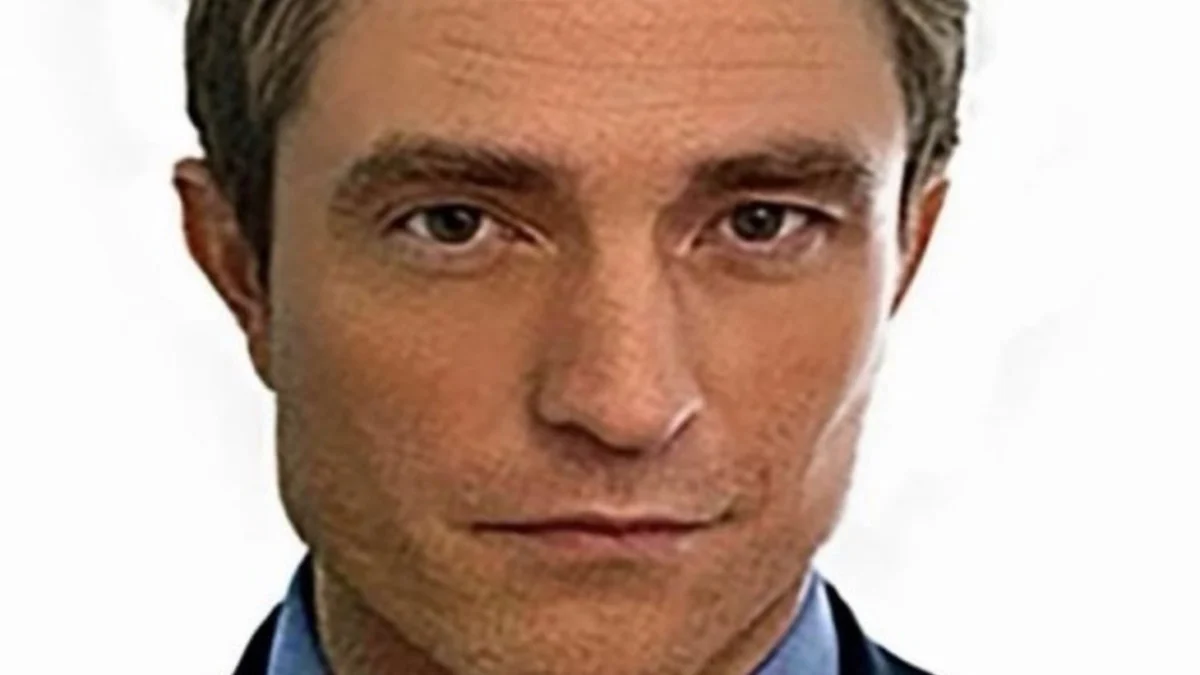
The digital landscape of mid-September 2026 has been significantly reshaped by a viral phenomenon involving the juxtaposition of Academy Award-winning actor Robert Pattinson and the iconic investigative journalist Chris Hansen. Known as the Robert Pattinson as Chris Hansen Rap Lyric Memes, this trend involves taking stills of Pattinson from his role in the biographical thriller Primetime and overlaying them with lyrics from popular hip-hop and R&B songs. This convergence of high-stakes cinematic drama and contemporary music culture has generated tens of millions of impressions across X (formerly Twitter), Instagram, and Reddit, illustrating the unpredictable nature of internet humor and its ability to synthesize disparate cultural elements into a cohesive viral format.
The Cinematic Context: Robert Pattinson in Primetime
To understand the resonance of the meme, one must first look at its source material. The film Primetime, released in late 2026, features Robert Pattinson as Chris Hansen, the journalist who became a household name through the television program To Catch a Predator. Pattinson, known for his transformative roles in The Batman and The Lighthouse, reportedly underwent an intense physical and vocal transformation to portray Hansen during the peak of his investigative career in the mid-2000s.
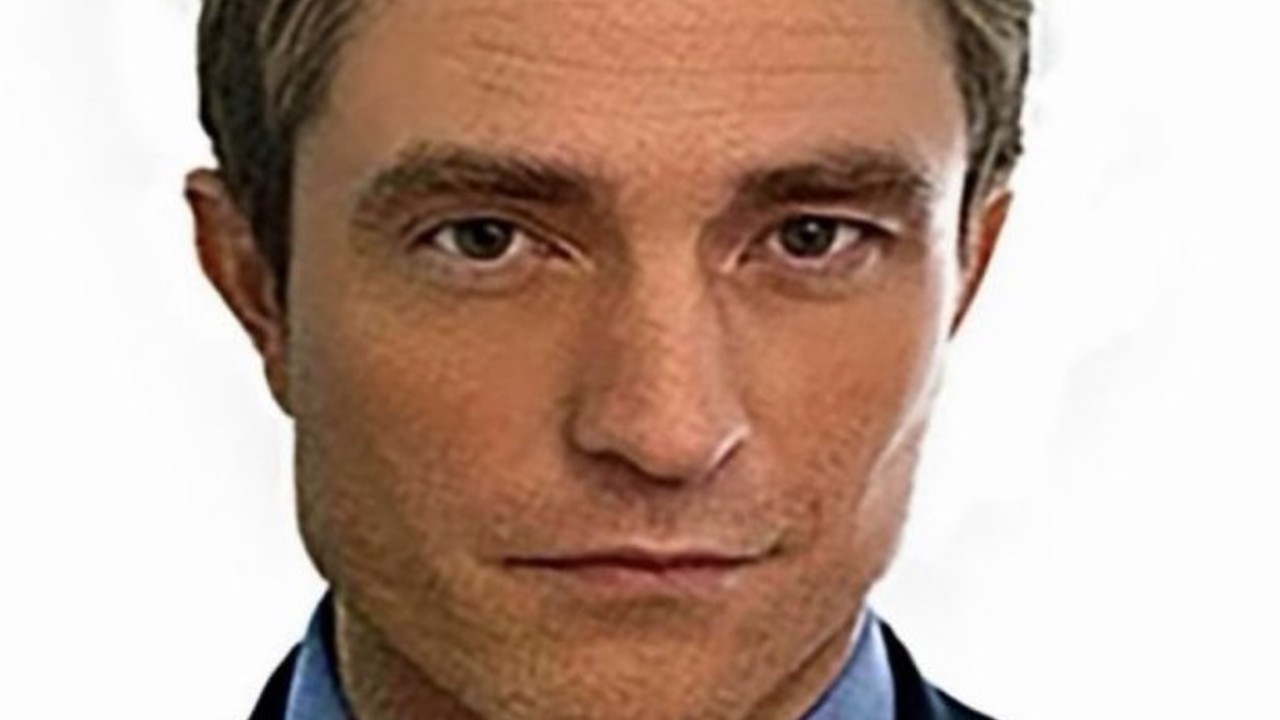
The specific image used in the majority of the memes features Pattinson-as-Hansen sitting in a dimly lit kitchen, holding a transcript and wearing a neutral, yet piercing, expression. This visual captures the exact moment Hansen would typically confront a suspect, uttering the famous phrase, "Why don’t you have a seat?" The gravity of the scene, intended to be a serious exploration of true-crime history, provided the perfect "straight man" canvas for internet users to apply absurd and often boastful rap lyrics.
Chronology of a Viral Trend
The trend’s inception can be traced back to September 10, 2026. The initial spark was provided by X user @rosebudlight, who posted an image macro pairing Pattinson’s Hansen with the opening lyrics to T-Pain’s 2007 hit "Buy U a Drank." The caption, "BABY GIRL WHAT’S YA NAME," placed in the traditional white, bold, all-caps impact font, garnered immediate attention. While the initial post saw modest engagement—roughly 95 likes in its first 96 hours—it set the structural template for what was to come.
On September 11, the momentum shifted significantly. @rosebudlight followed up with a second iteration, this time utilizing lyrics from Tyler, the Creator’s "WUSYANAME." The specific lyric, "AWWWW YOU LOOK MALNOURISHED," paired with Pattinson’s stern, judgmental gaze, resonated with the platform’s sense of irony. This post saw a sharp uptick in engagement, surpassing 1,200 likes in three days and signaling that the format had legs.
The "breakout" moment occurred on September 12, 2026. A version of the meme featuring Drake’s "Hotline Bling" lyrics—specifically, "EVER SINCE I LEFT THE CITY YOU"—went viral, amassing over 24,000 likes in 48 hours. The humor derived from the implication that Hansen was questioning a suspect about their whereabouts, framed through the lens of a popular breakup song. This post catalyzed a flood of user-generated content, as other accounts began mining the catalogs of Kanye West, Rick Ross, and Lil Wayne for suitable captions.
Platform Proliferation and Cross-Media Evolution
As is common with high-velocity memes, the Pattinson-Hansen trend quickly migrated beyond X. On September 12, the Instagram account @squidysgalaxy reposted the "Hotline Bling" version, where it achieved even greater reach, securing over 95,000 likes in two days. The visual nature of Instagram’s feed proved ideal for the high-contrast imagery of Primetime.
Simultaneously, the meme took root on Reddit. On September 13, the /r/deathgrips subreddit saw a version of the meme that tailored the lyrics to the experimental hip-hop group’s discography, proving that the format was versatile enough to serve niche communities. This internal diversification is often the hallmark of a meme that has moved from a "fad" to a "format."
The trend evolved from static images to video content on September 13, when user @EvanSteinbache3 posted a montage set to a medley of the songs featured in the memes. The video, which compiled the best-known versions of the image macros, gained 12,000 likes within 24 hours. By this stage, the meme was no longer just about the lyrics; it was about the collective experience of seeing a prestige actor in a serious role being subverted by the bravado of rap culture.
Analytical Breakdown: Why It Works
Sociologists and digital culture analysts point to several factors that contributed to the meme’s rapid ascent.
1. The "Pattinson Effect"
Robert Pattinson has long been a "meme magnet." From the "Standing Robert Pattinson" (the tracksuit meme) to his idiosyncratic interview style, the actor possesses a unique "internet-friendly" gravity. His involvement in a project immediately invites a specific type of digital scrutiny and playful deconstruction.
2. The Juxtaposition of Moral Authority and Hedonism
Chris Hansen represents a specific type of moral authority in the American zeitgeist—the stern father figure who catches you in a lie. Rap lyrics, conversely, often celebrate excess, confidence, and defiance of authority. Placing lyrics about "getting drunk" (Snoop Dogg’s "Young, Wild & Free") or "beating the beat up" (Lil Wayne’s "6 Foot 7 Foot") over a man who is legally and morally judging you creates a comedic cognitive dissonance.
3. Nostalgia Cycles
The meme utilizes music from the late 2000s and early 2010s—the same era during which the original To Catch a Predator was at its peak. This creates a "double-layered" nostalgia for Gen Z and Millennial users who grew up watching the show and listening to the featured artists on the radio.
Diverse Examples and Variations
While rap lyrics remained the core of the trend, the "Various Examples" section of the meme’s history shows significant creative liberty. Some users moved away from hip-hop entirely to highlight the absurdity of the format:
- ABBA: A version featuring "Dancing Queen" lyrics ("OOH YOU CAN DANCE, YOU CAN JIVE") depicted Hansen/Pattinson as an unlikely enthusiast of Swedish pop.
- Train: The "Hey, Soul Sister" version became a "meta-meme," used to mock the perceived "whiteness" of the investigative setting compared to the rap-heavy origins of the trend.
- Baby Keem: A late-stage entry used the lyric "I HATE TO TELL THE TRUTH WE’RE NOT THE SAME," which fans noted felt like something Pattinson’s Hansen would actually say to a suspect during a high-stakes interrogation.
Implications for Film Marketing and Public Perception
The viral success of these memes presents a fascinating case study for film marketing in the late 2020s. While Primetime was produced as a serious contender for awards season, its most significant pre-release exposure came from these irreverent image macros.
Industry analysts suggest that this type of organic engagement is more valuable than traditional trailer rollouts. "You cannot buy this kind of cultural penetration," noted one digital marketing executive. "When a character becomes a meme before the movie is even out, it guarantees a level of ‘brand recognition’ that transcends the film’s actual plot."
However, there is a delicate balance to be struck. Some critics have raised concerns that the meme-ification of Chris Hansen—a figure associated with the prosecution of child predators—risks trivializing the serious subject matter of the film. Nevertheless, the majority of the discourse has remained focused on the performance of Pattinson and the cleverness of the lyrical pairings rather than the underlying crimes depicted in the movie.
Conclusion and Future Outlook
As of late September 2026, the Robert Pattinson as Chris Hansen Rap Lyric Memes show no signs of immediate decline. The format has begun to influence other fandoms, with users attempting to replicate the success using other "serious" biopics, though none have matched the specific alchemy of Pattinson’s intense gaze and the rhythmic punch of 2000s hip-hop.
The trend stands as a testament to the power of the "image macro" in an era dominated by short-form video. It proves that a single, well-chosen frame from a motion picture can still capture the collective imagination of the internet, provided it is paired with the right cultural touchstones. Whether Primetime goes on to win Oscars or not, Robert Pattinson’s portrayal of Chris Hansen has already secured a permanent place in the digital hall of fame, one rap lyric at a time.

