
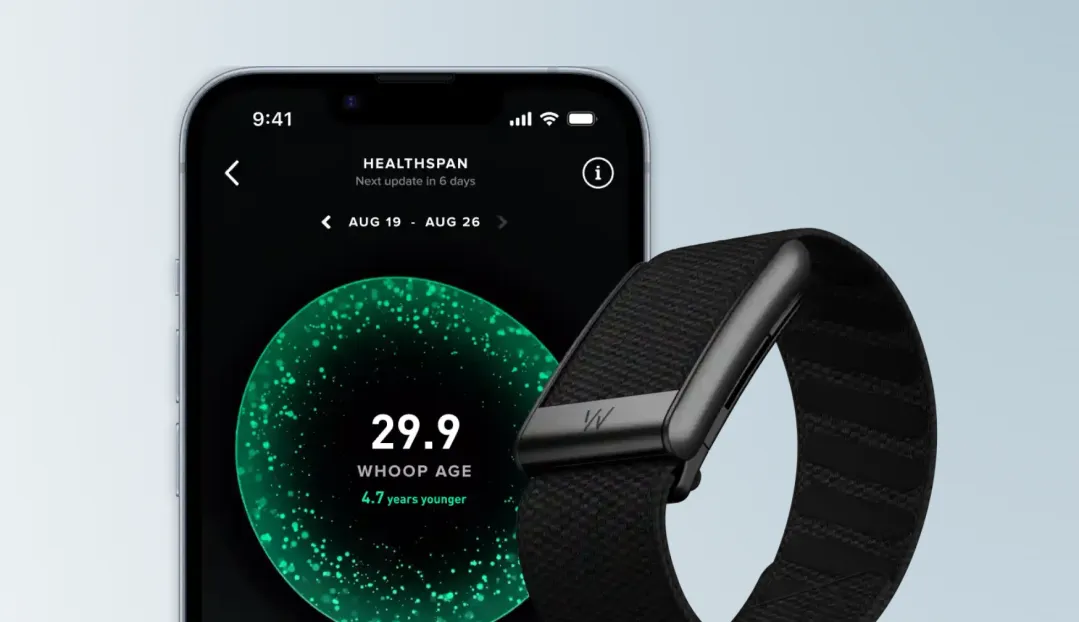
Whoop, the innovator behind screen-less wearable fitness technology, has announced the launch of "Whoop Humans," a new social network integrated directly into its application. This feature allows members to connect with friends and family, and selectively share their comprehensive health data, marking a significant evolution in the company’s engagement strategy. Concurrently, Whoop is intensifying its strategic pivot towards the medical wellness sector, leveraging its advanced biometric tracking capabilities to address the growing demands of an aging global population and preventive healthcare.
Whoop Humans: A New Dimension of Connection and Support
Rolling out across all membership tiers within the Whoop app at no additional cost, Whoop Humans represents a refined approach to social interaction compared to its existing "Teams" feature. While "Teams" fosters group dynamics and leaderboards, often with all members having access to shared information, "Humans" is designed for more intimate and controlled interactions. Members retain full autonomy over who follows them and precisely which data points—ranging from sleep performance and recovery scores to workout metrics and personal achievements—are made visible. This opt-in system, as confirmed by CEO Will Ahmed, emphasizes user privacy and personalized sharing experiences.
The functionality extends beyond simple data viewing, allowing followers to react to and comment on shared metrics, fostering a supportive community environment. Members can also enrich their data shares with photos and commentary, adding a personal narrative to their health journey. This granular control means a fitness trainer, for instance, can monitor the progress of multiple clients individually without clients seeing one another’s sensitive data, addressing a key limitation of broader group-based features.
Early insights from beta testing underscore the potential impact of Whoop Humans. Ahmed noted a heightened level of engagement when users reported lower recovery scores compared to near-perfect ones. This suggests the platform could serve as an early warning system, prompting friends, family, or coaches to offer support or check in when a member might be struggling physically or emotionally, thereby transforming raw data into actionable social connection. The integration of social features into health and fitness platforms is not new, with competitors like Strava and Fitbit having long-standing social components. However, Whoop’s focus on intimate, customizable sharing of highly granular physiological data offers a distinct proposition, potentially fostering deeper, more meaningful interactions centered on holistic well-being. This move aligns with a broader industry trend where technology seeks to bridge the gap between individual data insights and collective human support, acknowledging the psychological benefits of shared health journeys.
The Strategic Shift: Embracing Medical Wellness
Beyond the social connectivity, the overarching narrative for Whoop is its aggressive expansion into medical wellness, positioning itself as a pivotal player in the evolving healthcare landscape. This strategic direction is driven by the burgeoning opportunity presented by an aging global population, which increasingly seeks proactive and personalized health management tools.
Whoop has already laid substantial groundwork in this area. The company has integrated FDA-cleared electrocardiogram (ECG) functionality and atrial fibrillation (AFib) detection, crucial features for monitoring cardiovascular health. Further enhancements include blood pressure insights, blood testing services, and the capability for users to upload medical records, creating a more comprehensive personal health profile within the Whoop ecosystem. These advancements elevate Whoop from a pure fitness tracker to a serious contender in the digital health monitoring space, competing directly with rivals like Oura, which has also made significant strides in this domain.
The demographic shift towards an older population is a powerful market driver. According to the United Nations, the number of people aged 65 years or over is projected to double globally by 2050, reaching over 1.6 billion. This demographic segment often experiences a higher prevalence of chronic conditions and places greater demand on healthcare systems. Wearable technologies that offer continuous, passive monitoring of vital signs and health markers are increasingly seen as valuable tools for early detection, preventative care, and chronic disease management, potentially reducing healthcare costs and improving quality of life.
Whoop’s commitment to this demographic is evident in its reported "huge growth" among users over 60 in the past 18 months, although specific figures remain undisclosed. More significantly, Whoop was among the first companies accepted into a Medicare program designed to reimburse qualifying wearables that demonstrate improved health outcomes. This inclusion is a monumental validation, as Medicare reimbursement signifies official recognition of Whoop’s devices as legitimate medical tools. It opens up a massive market opportunity, allowing eligible members to potentially have their Whoop membership costs covered, thus removing a significant financial barrier for a demographic that could benefit most from its health monitoring capabilities. This development not only enhances Whoop’s credibility but also positions it at the forefront of a future where preventative digital health is integrated into traditional healthcare financing.
Navigating the Competitive Arena and Market Consolidation
The health tech sector is characterized by intense competition and rapid innovation. Whoop operates alongside prominent players like Oura, which recently made headlines with its announcement to acquire AI-native primary care startup Counsel Health for $625 million. This move by Oura, integrating on-demand physician services, underscores the convergence of wearable tech with direct healthcare provision.
Whoop CEO Will Ahmed views this as a harbinger of broader industry consolidation. He anticipates increased merger and acquisition activity involving AI-focused companies, clinician-focused platforms, and wearable technology providers. Ahmed expressed Whoop’s intent to be an active participant in this landscape, leveraging its "deep relationship with members" to position itself as an acquirer. This strategic stance suggests Whoop is not merely reacting to market trends but actively shaping its future through potential inorganic growth, aiming to integrate more diverse health services and AI capabilities directly into its platform.
The competitive landscape also includes tech giants. Google’s new Fitbit Air band and Apple’s rumored development of a Whoop-style screen-less fitness tracker signal the entry of formidable rivals with vast resources and established ecosystems. Ahmed, however, remains largely unfazed, emphasizing that building a product does not guarantee success. He believes Whoop’s continued focus on its "aspiring" user base and commitment to its core mission will be its differentiator. This perspective highlights the importance of user experience, data accuracy, and sustained engagement in a market where hardware can be easily replicated but trust and community are harder to build.
Protecting Personal Health Data: A Core Commitment
As Whoop delves deeper into medical wellness and social sharing, the paramount concern of data privacy naturally arises. Handling sensitive health information necessitates robust safeguards and transparent policies. Whoop addresses these concerns through a multi-layered approach centered on user control and explicit consent.
Ahmed reiterated that members maintain complete control over their data sharing. They can choose which specific metrics to share, easily remove followers, and activate "stealth mode" to temporarily go dark without altering their permanent settings. Critically, activities marked as sensitive are not shared by default, and health alerts or medical information are never shared with others. This stringent policy on medical data is crucial for maintaining user trust, especially given the increasingly regulated nature of health information (e.g., HIPAA in the U.S.). Furthermore, Whoop provides mechanisms for reporting disturbing comments or photos, with reported content subject to review by the company, ensuring a safe and respectful social environment.
Regarding minors, Whoop’s minimum age for membership is 13 (with variations in some countries). While Ahmed pointed to privacy controls rather than directly answering how parental oversight might function for teenagers, the emphasis on opt-in sharing and individual control suggests that minors, once members, would largely manage their own sharing settings, subject to existing digital age-of-consent laws.
A fundamental aspect of Whoop’s privacy posture is its business model. Ahmed explicitly stated that Whoop does not sell member data, nor does it license data to third parties. "Our product is not you; it’s the membership," he asserted. This declaration aims to differentiate Whoop from companies that monetize user data, reinforcing a value proposition centered on a subscription service that provides insights, rather than a data-harvesting operation. In an era of heightened data privacy awareness and regulatory scrutiny (such as GDPR in Europe), this commitment to not monetizing user data directly through sales or licensing is a powerful trust-building mechanism and a competitive advantage.
Growth Trajectory and Future Outlook
Despite remaining guarded about specific revenue figures and profitability, Whoop’s CEO provided compelling indicators of the company’s robust growth. The company currently employs approximately 1,200 individuals, a testament to its expanding operations. Membership on its software platform has surged by over 70% annually for three consecutive years, demonstrating strong market adoption and retention. Whoop projects to reach nearly 4 million members by the end of the current year, a significant milestone that underscores its increasing footprint in the wearable tech space.
The company’s financial health has been bolstered by a "very big round" of funding earlier this year, signaling investor confidence in its long-term vision. While Ahmed confirmed that Whoop "will certainly IPO in the future," he refrained from offering a specific timeline. This cautious approach contrasts with Oura’s decision to shelve its own IPO plans of up to $2.2 billion in September, citing market uncertainty. This indicates a strategic patience on Whoop’s part, likely waiting for more favorable market conditions and continued validation of its medical wellness pivot before making a public offering.
Beyond membership growth, Whoop is actively widening its market reach through strategic partnerships. A notable development is the announcement that Whoop devices will be sold through Ulta stores starting next March. Initially rolling out in approximately 500 locations, with a target to expand to over a thousand stores, this partnership with a prominent beauty retailer represents a significant diversification of Whoop’s distribution channels. Historically appealing to athletes and performance enthusiasts, Whoop has seen its female audience more than double since last year. The Ulta collaboration is poised to further accelerate this trend, tapping into a broader demographic interested in holistic wellness, beauty-from-within, and personalized health insights, moving beyond its traditional niche. This strategic move acknowledges that health and wellness are increasingly intertwined with lifestyle and self-care, expanding Whoop’s brand identity beyond hardcore fitness.
Broader Implications for Health Tech
Whoop’s dual strategy of enhancing social connectivity while aggressively pursuing medical wellness reflects a broader trend in the health technology industry. Wearables are evolving beyond mere activity trackers to become sophisticated tools for continuous health monitoring, predictive analytics, and personalized intervention. The integration of social features like Whoop Humans acknowledges the psychological and motivational power of community in sustaining health behaviors. Users are often more engaged and successful when they have a support system, whether for achieving fitness goals or managing health challenges.
The pivot towards medical wellness, underpinned by FDA clearances and Medicare reimbursement, positions Whoop at the vanguard of preventative healthcare. By providing actionable insights into recovery, sleep, and cardiovascular health, Whoop aims to empower individuals to take a more proactive role in managing their well-being, potentially reducing the burden on reactive healthcare systems. This shift aligns with global health initiatives promoting early detection and personalized medicine, where digital tools play a critical role in collecting and interpreting real-world health data.
As the lines between consumer electronics and medical devices blur, companies like Whoop face the dual challenge of maintaining user-friendly interfaces while adhering to stringent medical-grade accuracy and privacy standards. The success of Whoop Humans and its medical wellness initiatives will depend on its ability to continually innovate, build trust through transparent data practices, and adapt to the evolving regulatory landscape, all while facing intensifying competition from both established tech giants and specialized health tech startups. Whoop’s journey is a microcosm of the exciting yet complex future of personalized digital health.

