
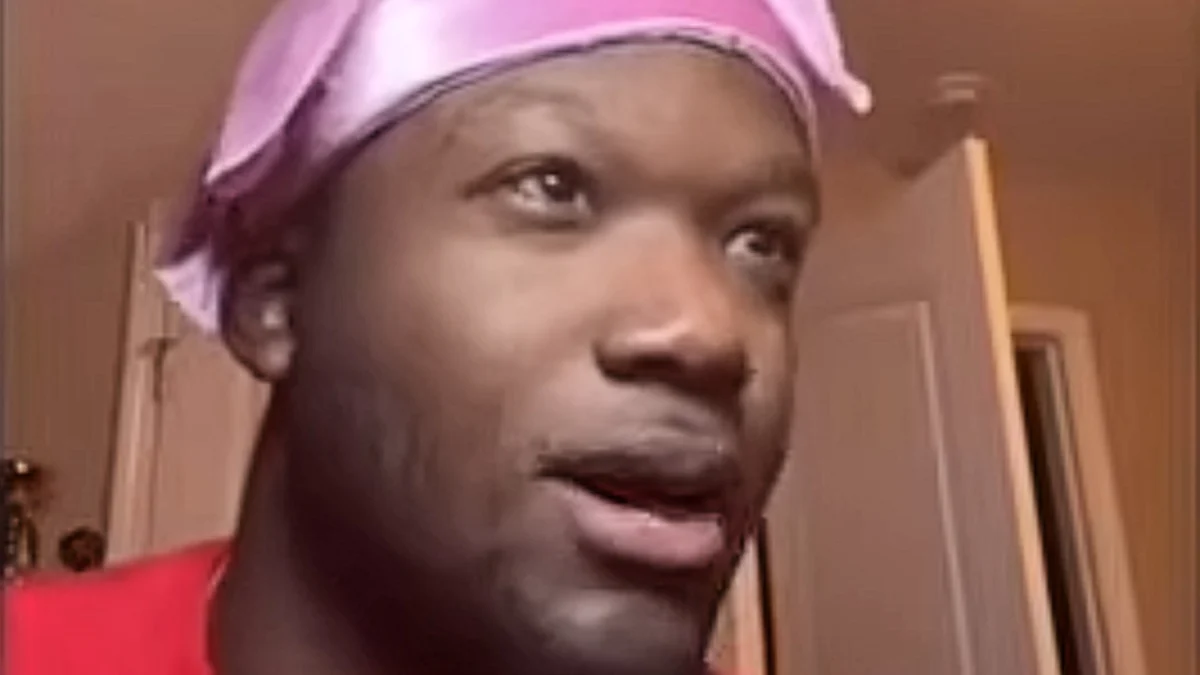
The digital landscape is frequently defined by the intersection of raw human emotion and the rhythmic pulse of contemporary hip-hop, a phenomenon best exemplified by the viral rise of the Ima Have It One Day meme. Rooted in a series of emotionally charged videos by TikTok creator @reggieishilarious, the meme features the creator visibly weeping while singing a poignant refrain from Playboi Carti’s unreleased track "One Day." Over the course of several years, this specific audiovisual combination has transitioned from a niche reaction video into a universal shorthand for longing, perseverance, and the collective frustration of modern consumer and fan culture. By examining its origins, its expansion through various digital subcultures, and the psychological resonance of its core message, one can understand how a fleeting moment of vulnerability became a permanent fixture of the internet’s emotional lexicon.
The Genesis of a Viral Sentiment
The narrative of the Ima Have It One Day meme began in the mid-summer of 2021. While the exact date of the very first upload by @reggieishilarious is often debated due to the ephemeral nature of TikTok content, the first widely documented appearance occurred on July 24, 2021. On this date, a YouTuber known as "mike" archived a clip of Reggie wearing a red shirt, singing the lyrics, "I’ma have it one day, one day, we gon’ get it one day." The video, which has since garnered nearly 750,000 views, captured a raw, unfiltered moment of distress that contrasted sharply with the aspirational lyrics of the song.
The context of the original video was a "stitch" or "duet" on TikTok, where Reggie was responding to a video of a happy couple. The juxtaposition of a traditional romantic success story against Reggie’s tearful rendition of a song about future attainment struck a chord with viewers. It tapped into a pervasive sense of "missing out" or the feeling of being behind in life’s perceived milestones. Shortly after the red-shirt version began to circulate, a second variation emerged in October 2021, featuring Reggie in a gray shirt performing the same routine. This "gray shirt" variant suggested that the creator’s emotional state—and the accompanying meme—was not a one-off event but a recurring theme in his content, further cementing its potential as a versatile reaction template.
Musical Foundations: The Role of Playboi Carti
Central to the meme’s efficacy is the choice of audio. The song "One Day" is a collaboration between influential trap artist Playboi Carti and producer Pi’erre Bourne. Interestingly, the track was never officially released on a major studio album, existing primarily as a "leak" that circulated within the Carti fan base during the "Die Lit" and "Whole Lotta Red" eras. The "unreleased" status of the song adds a layer of meta-irony to the meme: the song itself is something fans have been waiting to "have" officially for years.
The lyrics—"I’ma have it one day"—function as a mantra of hope. When performed by a crying individual, the meaning shifts from confident bravado to a desperate plea for a better future. This emotional inversion is a common trope in internet humor, where the "sad version" of an upbeat or confident song is used to highlight the gap between one’s current reality and their ultimate goals. The repetitive, hypnotic nature of Pi’erre Bourne’s production provides a rhythmic backdrop that makes the clip highly "loopable," an essential quality for any video seeking to achieve viral status on platforms like TikTok and Instagram Reels.
Chronological Expansion and Subcultural Adoption
Following its 2021 debut, the meme underwent a significant transformation. It moved away from being a commentary on romantic loneliness and began to represent the "struggle" of various hobbyist communities. By late July 2021, users like @heroconnoisseur were already applying the template to the gaming industry. One of the earliest successful pivots involved a mock-up of a PlayStation 5 game based on the Amazon Prime series Invincible. This post, which gained over 434,000 views, signaled a shift toward using the meme to express a desire for "vaporware"—products that are announced or rumored but never seem to materialize.
As the meme moved into 2022 and 2023, it became a staple of the gaming community, specifically regarding the decade-long wait for Grand Theft Auto VI. TikTokers such as @imma_have_lt_1_day dedicated entire accounts to the concept of waiting for the next installment of the Rockstar Games franchise, using Reggie’s crying face as the ultimate symbol of the patient, yet suffering, fan.
By late 2026, the meme saw a massive resurgence, demonstrating a rare longevity in the fast-paced cycle of internet trends. In November 2026, TikTok creators like @vitinho7xz and @deadtorights7 expanded the meme’s scope to include highly specific digital assets, such as "Pirate Shop tokens," and a laundry list of improbable sequels including Bully 2, Dead Space 4, and even the satirically distant Grand Theft Auto 9. The meme’s ability to scale from personal heartbreak to the collective frustration of millions of gamers illustrates its profound adaptability.
Psychological Resonance: The "Digital Melancholy"
The enduring popularity of the Ima Have It One Day meme can be attributed to a psychological phenomenon often described as "digital melancholy." In an era of curated perfection on social media, Reggie’s visible tears offer a moment of authentic, albeit stylized, vulnerability. For many Gen Z and Millennial users, the meme serves as a vessel for a specific kind of existential longing—the feeling that stability, success, or even simple entertainment sequels are perpetually "just out of reach."
Sociologists who study internet culture suggest that such memes provide a "safety valve" for frustration. By turning a genuine feeling of lack into a shared joke, users can find community in their shared disappointments. Whether the subject is a romantic partner, a high-end luxury item, or a video game that has been in development for twelve years, the meme provides a standardized language for saying, "I am not there yet, and it hurts, but I am still hoping."
Technical and Algorithmic Factors
From a technical standpoint, the meme benefited from TikTok’s internal architecture. The "Original Sound" feature allowed thousands of users to strip the audio from Reggie’s video and apply it to their own visual contexts. This decoupled the emotion from the person, allowing the "I’ma Have It One Day" audio to become a standalone tool for storytelling.
Furthermore, the visual of a person crying in a brightly lit room while wearing a simple t-shirt (the red and gray variants) provides a clean, uncluttered aesthetic that is easy to overlay with text or other images. The "Green Screen" filter on TikTok played a pivotal role in the meme’s spread, as it allowed users to place Reggie in front of anything—from a Lamborghini dealership to the headquarters of a major software developer.
Broader Impact and Industry Implications
The meme has had a measurable impact on the visibility of the song "One Day," leading to spikes in search interest for Playboi Carti’s unreleased catalog. It has also caught the attention of social media managers for major brands, who have occasionally flirted with the "longing" aesthetic to engage with their audiences about upcoming product launches.
However, the most significant impact remains on the creator, @reggieishilarious. While many "accidental" meme stars struggle to maintain their relevance once the initial trend fades, Reggie has become an icon of a specific internet subgenre. His performance—whether intentional or purely reactive—captured a zeitgeist of yearning that continues to resonate as new "unobtainable" items emerge in the cultural sphere.
Conclusion: The Future of the Longing Meme
As the Ima Have It One Day meme enters its fifth year of relevance, it stands as a testament to the power of emotional resonance over high-production value. In a digital world that often feels transient, the image of Reggie crying to a Playboi Carti track has achieved a level of permanence usually reserved for the most foundational memes of the 2010s.
Its evolution from a response to a couple’s video into a rallying cry for gamers and collectors worldwide highlights the fluidity of digital meaning. So long as there are products to be waited for, relationships to be desired, and goals to be achieved, the image of Reggieishilarious will likely remain a fixture of the internet—a tearful reminder that while we may not have it today, we might, just perhaps, get it "one day." The meme does more than just mock sadness; it validates the wait, turning the act of wanting into a collective cultural experience.

