
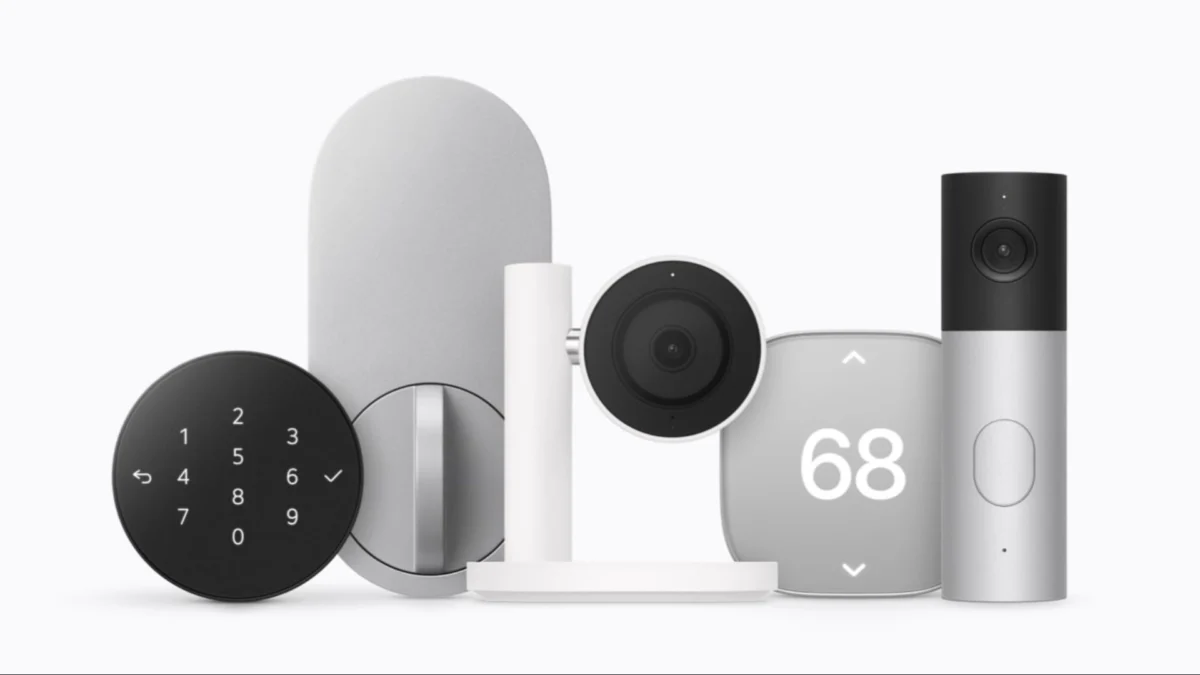
Apple has opened pre-orders for the first three devices in its new Home Collection, with LG-made security cameras and a video doorbell leading the rollout ahead of their December release. This significant expansion into the smart home market, developed in partnership with industry leaders LG and Schneider Electric, marks a strategic move by the technology giant to offer a more comprehensive and integrated connected living experience. While the full breadth of the Home Collection is slated for a phased rollout, consumers can now secure the initial wave of products: an indoor camera, an outdoor camera, and a wired video doorbell, all available for direct purchase through Apple’s official channels.
Initial Offering: A Glimpse into Apple’s Smart Home Ambitions
The inaugural trio of devices from the Home Collection comprises the LG Indoor Cam Plug-in, priced at $199.95, the LG Outdoor Cam Plug-in at $299.95, and the LG Video Doorbell Wired at $249.95. These initial offerings represent a significant investment for consumers looking to enhance their home security and embrace smart home technology. While the LG Indoor Cam Plug-in serves as the most accessible entry point into this new ecosystem at just under $200, its price point positions it as a considered purchase rather than an impulse buy. The outdoor variant commands a higher price of $299.95, reflecting its more robust design and potentially enhanced features for external surveillance. The wired video doorbell, positioned between the two cameras at $249.95, aims to provide a blend of security and convenience for front-door monitoring.
Aesthetically, Apple and its partners have considered consumer preferences, offering a degree of choice in appearance. Both the LG Outdoor Cam Plug-in and the LG Video Doorbell Wired are available in two sophisticated finishes: Essence Silver and Essence Graphite. The LG Indoor Cam Plug-in, however, is offered exclusively in a classic white, aligning with a minimalist design ethos often associated with Apple products. This attention to detail in both functionality and form factor underscores Apple’s commitment to creating products that seamlessly integrate into the modern home environment.
A Phased Rollout: Building Momentum Towards a Comprehensive Ecosystem
Apple is currently indicating a delivery window of December 14th to 18th for all three pre-ordered devices, strategically positioning their arrival before the festive Christmas season. This timing allows early adopters to integrate new home security solutions well in advance of potential holiday-related travel or increased delivery activity. However, these initial releases are merely the vanguard of Apple’s ambitious Home Collection. The company has officially listed a total of nine smart home devices and three additional accessories, including adapters, as part of this comprehensive initiative.
The remaining devices, a testament to Apple’s ongoing collaborations with LG and Schneider Electric, are expected to be rolled out gradually. This phased approach is anticipated to extend from December through to early 2027, indicating a long-term vision for the Home Collection and a deliberate strategy to build out the ecosystem over time. This measured release schedule allows Apple to refine its offerings and potentially respond to market feedback as the initial products gain traction.
Strategic Timing and Synergistic Launches
The unveiling and pre-order commencement of the Home Collection security devices coincide with other significant product launches from Apple, suggesting a coordinated strategy to bolster its presence in the connected home market. The recent arrival of Apple’s new HomeView platform and the updated Apple TV 4K further solidify this assertion. The HomeView system, which offers enhanced capabilities for managing smart home devices, and the upgraded Apple TV 4K, a central hub for media consumption and increasingly, smart home control, both serve as natural complements to the new Home Collection hardware. The first pre-orders for these devices have already begun reaching customers, indicating a strong push by Apple to consolidate its position as a key player in the smart home arena.
This confluence of product releases provides consumers with a broader spectrum of hardware options for building or expanding their smart home setups. For individuals seeking to establish a fully integrated connected home, the timing is opportune, offering a more cohesive and potentially user-friendly experience than assembling disparate components from various manufacturers.
Background and Context: Apple’s Evolving Smart Home Strategy
Apple’s foray into the smart home space is not new, but the Home Collection represents a significant evolution from its previous efforts. Historically, Apple’s smart home integration has been primarily channeled through its HomeKit framework, allowing third-party devices to communicate with Apple’s ecosystem. While this approach fostered a wide array of compatible products, it lacked a unified Apple-branded hardware solution for core smart home functions like security.
The Home Collection signals a shift towards a more direct hardware offering, leveraging partnerships with established manufacturers like LG and Schneider Electric. LG, a veteran in the consumer electronics industry, brings extensive experience in camera technology and home appliances, while Schneider Electric is a global specialist in energy management and automation, lending expertise in more industrial and sophisticated smart home control systems. This dual-pronged approach allows Apple to tap into specialized knowledge and manufacturing capabilities, enabling the rapid development and deployment of a diverse range of smart home products under its brand umbrella.
The development of such a comprehensive collection also reflects the growing consumer demand for connected living solutions. The global smart home market has experienced robust growth, driven by increasing consumer awareness of the benefits of convenience, security, and energy efficiency. According to Statista, the smart home market is projected to reach a revenue of over $175 billion by 2028, with a compound annual growth rate (CAGR) of 12.74% between 2023 and 2028. This burgeoning market presents a lucrative opportunity for Apple to expand its revenue streams and deepen customer loyalty by offering an integrated ecosystem that complements its existing hardware and software offerings.
Technical Specifications and Potential Features (Inferred and Supported)
While detailed specifications for each device are not fully elaborated in the initial announcement, the product names and partnership with LG suggest certain expected functionalities. The LG Indoor Cam Plug-in, for instance, is likely to offer high-definition video recording, motion detection, and two-way audio capabilities, common features in contemporary indoor security cameras. Its "plug-in" designation implies a reliance on a continuous power source, simplifying installation compared to battery-powered alternatives.
The LG Outdoor Cam Plug-in is expected to be weather-resistant, designed to withstand various environmental conditions. Features such as enhanced night vision, wider field of view, and robust motion detection algorithms are crucial for effective outdoor surveillance. The "plug-in" nature for an outdoor camera might suggest a wired power connection or a more advanced weather-sealed plug system.
The LG Video Doorbell Wired will undoubtedly focus on providing clear video of visitors, two-way communication, and motion detection alerts. Its wired nature ensures a consistent power supply, eliminating the need for battery replacements and ensuring reliable operation. Integration with Apple’s HomeKit Secure Video is a strong possibility, allowing for encrypted video storage in iCloud and advanced motion analysis.
The partnerships with LG and Schneider Electric also hint at potential integrations beyond basic security. Schneider Electric’s involvement could suggest that future devices within the Home Collection will offer advanced home automation features, potentially including smart lighting control, energy monitoring, or even integration with smart thermostats and other home appliances. This suggests a long-term vision for the Home Collection that extends beyond mere security to encompass a holistic approach to home management and efficiency.
Official Statements and Market Reactions (Inferred)
While no direct quotes from Apple executives were provided in the original article, the strategic rollout of the Home Collection can be inferred as a deliberate move to capture a larger share of the growing smart home market. Apple’s consistent emphasis on user privacy and security is likely to be a cornerstone of its marketing for these new devices. The company has a strong track record of prioritizing data protection, and this commitment is expected to extend to the Home Collection, offering consumers peace of mind regarding their personal data and home surveillance.
Industry analysts are likely to view this expansion as a significant step for Apple, positioning it to compete more directly with established smart home players like Google and Amazon. The integration of Apple’s renowned user interface and ecosystem, combined with the hardware capabilities of LG and Schneider Electric, could create a compelling value proposition for consumers already invested in Apple’s product line.
Early consumer reactions, based on online forums and social media, are expected to be a mix of enthusiasm for new Apple-branded smart home hardware and scrutiny regarding pricing and feature sets compared to existing market alternatives. The "Apple tax," or the premium pricing often associated with Apple products, will likely be a point of discussion. However, the promise of seamless integration within the Apple ecosystem and the potential for enhanced privacy features may justify the cost for many consumers.
Broader Implications and Future Outlook
The introduction of the Home Collection has several significant implications for the smart home market. Firstly, it elevates the perceived importance of integrated smart home ecosystems. By offering its own branded hardware, Apple is encouraging consumers to think of their smart home as a unified system rather than a collection of disparate gadgets. This can lead to increased adoption of smart home technology as users feel more confident in the compatibility and ease of use.
Secondly, the strategic partnerships with LG and Schneider Electric demonstrate a model for how large technology companies can leverage specialized expertise to accelerate product development and innovation. This collaborative approach allows Apple to bring sophisticated products to market quickly without having to develop every component from scratch.
Looking ahead, the success of the Home Collection will hinge on several factors. The seamless integration of the devices with Apple’s existing software platforms, particularly iOS and macOS, will be crucial. Furthermore, the ongoing rollout of the remaining devices in the collection, along with the introduction of new functionalities and potential software updates, will determine the long-term appeal and competitiveness of Apple’s smart home offering. The company’s ability to maintain its reputation for user privacy and security while delivering robust and reliable hardware will also be paramount to its success in this increasingly competitive landscape. As more devices become available and the ecosystem matures, Apple’s Home Collection has the potential to significantly reshape how consumers interact with and manage their homes in the digital age.

