
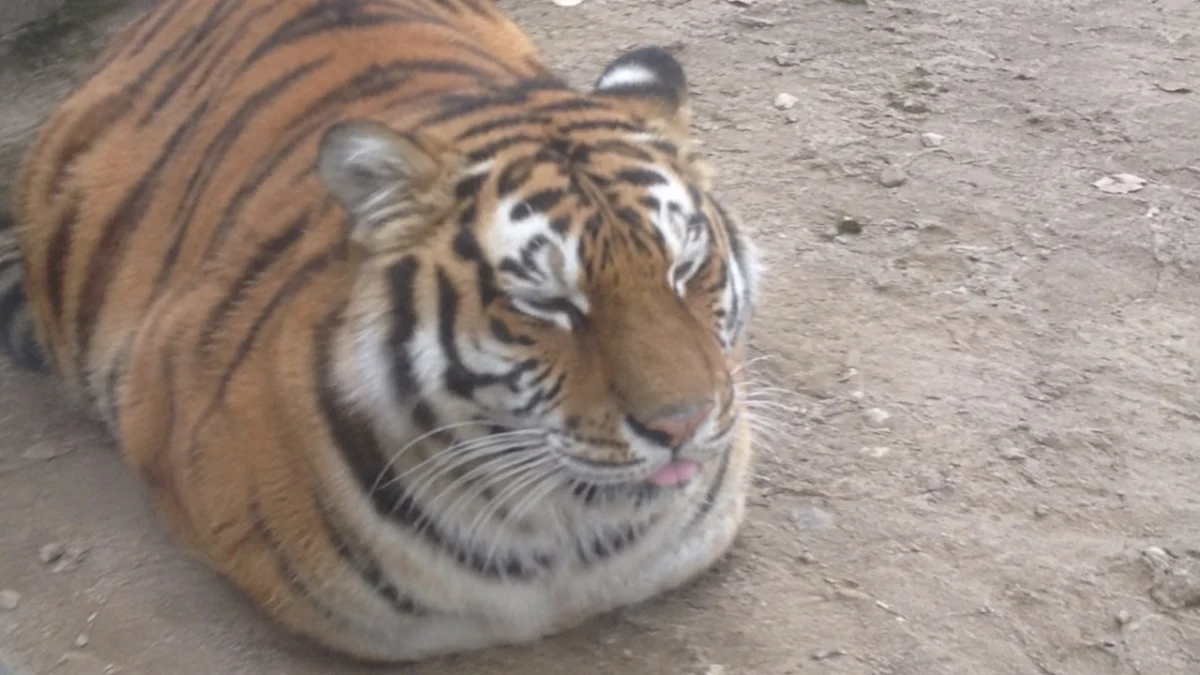
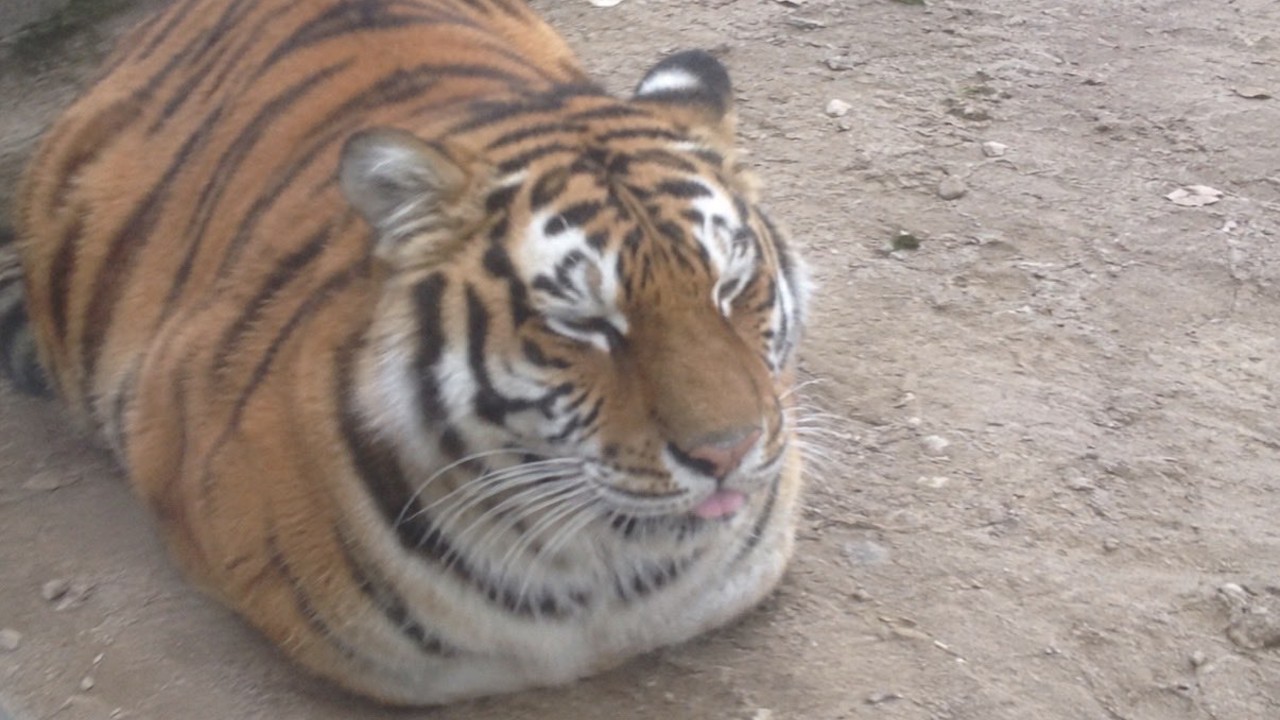
On November 21, 2026, a single digital image of a tiger captured the collective imagination of the internet, sparking a viral phenomenon known as the Tiger Loaf. The image, which depicts a large Bengal tiger sitting in a "loaf" position—with its paws tucked completely beneath its torso and its tongue slightly protruding in a "mlem" or "blep" expression—quickly transcended its initial posting to become a focal point for discussions regarding artificial intelligence, digital literacy, and the biological realities of large felids. While the image was initially celebrated for its perceived cuteness and domestic-like behavior, it soon became the center of a sophisticated digital investigation as users utilized advanced detection tools to reveal its synthetic origins.
The Genesis of a Viral Sensation
The phenomenon began when the X (formerly Twitter) account @hardcatmemes shared the image with the caption, "If tigers are so dangerous, explain this." The post resonated deeply with an audience accustomed to "cat software running on tiger hardware" memes, which highlight the behavioral similarities between domestic cats and their much larger, more lethal cousins. Within seventy-two hours, the post had amassed more than 476,000 likes, 55,000 reposts, and a staggering 11 million views.
The term "loafing" refers to a specific resting posture common in domestic cats where the legs are tucked out of sight, leaving the animal with a rectangular, bread-like silhouette. While domestic cats frequently adopt this position to conserve heat or signal a state of relaxation, the sight of a 500-pound apex predator doing the same struck a chord with the public, leading to a rapid dissemination across other social media platforms including Instagram, Facebook, and Reddit.
Chronology of the Digital Discourse
The timeline of the Tiger Loaf’s ascent is a testament to the speed of modern information cycles. Following the initial post on November 21, the image migrated to Instagram on November 22, where the page "popdownload" shared it to an audience that contributed an additional 212,000 likes. Simultaneously, the "Nathanistic" Facebook page amplified the reach, garnering over 12,000 reactions within the same timeframe.
However, as the image reached peak saturation, skepticism began to emerge within the digital community. Late in the evening on November 22, technical analysts and hobbyists began subjected the image to AI detection protocols. A pivotal moment occurred when user @bigcatburger posted results from OpenAI’s detection tools and Google’s SynthID, a technology designed to identify digital watermarks embedded in AI-generated content. The tools returned a high-confidence match for synthetic media, confirming that the "Tiger Loaf" was not a photograph of a living animal, but a product of generative algorithms.
By November 23, the narrative shifted from appreciation of a "cute animal" to a debate over the ethics of AI-generated wildlife photography. In response to the revelation, users began a counter-movement to find and share authentic imagery of large cats in similar positions. User @rootvegetabless notably posted a genuine photograph of a tiger attempting a loaf, which, while similar, highlighted the anatomical differences that made the AI version appear "too perfect." This post alone garnered 145,000 likes in a single day, signaling a public preference for authentic, albeit less "perfect," natural photography.
Anatomical Realities vs. Synthetic Perfection
The Tiger Loaf controversy has highlighted a fascinating intersection of biology and technology. Expert observers and wildlife enthusiasts pointed out that while large cats like tigers, lions, and panthers do occasionally tuck their paws, they rarely achieve the seamless "loaf" shape seen in domestic cats.
Biologically, the skeletal structure and muscle mass of a tiger make a complete tuck difficult. Large felids possess heavy shoulder blades and thick forearm musculature designed for power and takedowns, rather than the extreme flexibility required for the "perfect loaf." Real-world examples shared during the discourse, such as those provided by user @bIuebeards, showed that tigers typically leave their paws slightly protruding or resting to the side. The AI-generated image, by contrast, presented a sanitized, exaggerated version of feline behavior that ignored these biomechanical constraints.
The "mlem"—the act of a cat leaving its tongue out—is another behavior that, while real, was rendered with a specific aesthetic precision in the AI image that mimics domestic cat memes rather than the more rugged reality of wild animal behavior. This "domestication" of wild imagery through AI is a trend that researchers suggest could skew public perception of wildlife, potentially leading to a dangerous de-emphasis on the predatory nature of these animals.
The Role of AI Detection Tools
The Tiger Loaf incident serves as a significant case study in the efficacy and necessity of AI detection tools in the mid-2020s. As generative AI models like DALL-E, Midjourney, and Stable Diffusion have become more sophisticated, the "uncanny valley"—the sense of unease felt when seeing something that is almost, but not quite, human or real—has narrowed.
The detection of the Tiger Loaf was made possible by:
- SynthID: Developed by Google DeepMind, this tool embeds a digital watermark into the pixels of an image that is invisible to the human eye but detectable by software.
- OpenAI Classifier: A tool trained to recognize the specific patterns and "noise" generated by AI models during the image creation process.
- Crowdsourced Fact-Checking: Community Notes on X and investigative threads by users provided a layer of social verification that supplemented the technical tools.
The rapid identification of the image as AI-generated suggests a growing "visual literacy" among internet users, who are becoming increasingly wary of the authenticity of viral content.
Broader Implications for Media and Conservation
The viral nature of the Tiger Loaf has broader implications for several sectors:
1. Wildlife Conservation and Education:
Conservationists express concern that AI-generated images could replace real wildlife photography in the public eye. Authentic photography often captures animals in their natural, sometimes harsh, environments, which is essential for highlighting conservation needs. If the public becomes accustomed to "cute" or "perfected" AI versions of endangered species, the motivation to protect their often-unphotogenic habitats may wane.
2. The Ethics of "Hard Cat" Accounts:
Social media accounts dedicated to "hard" or "tough" animal imagery often prioritize engagement over accuracy. The use of AI-generated content allows these accounts to generate "perfect" viral moments that real photography cannot match, creating an uneven playing field for professional wildlife photographers who may spend weeks in the field to capture a single genuine moment.
3. The Future of the Meme Economy:
The Tiger Loaf has already inspired a wave of "copycat" AI imagery, including lion loaves and panther loaves. This suggests that the meme economy is moving toward a model where users can "prompt" their way to a viral hit rather than discovering one in the real world. This shift could lead to a saturation of synthetic content, making it increasingly difficult for genuine moments of nature to break through the noise.
Public and Official Responses
While no official government bodies have commented on the Tiger Loaf specifically, the incident has been cited by digital rights advocacy groups as a reason for mandatory AI labeling on social media platforms. Organizations such as the Electronic Frontier Foundation (EFF) have long argued that as synthetic media becomes indistinguishable from reality, platforms must provide clear indicators to users.
On social media, the reaction remains divided. Some users argue that the "cuteness" of the image justifies its existence regardless of its origin. "Does it matter if it’s real if it makes people happy?" one user asked in a thread that received thousands of replies. Conversely, others argue that the deception is the point. "The danger isn’t the tiger; the danger is that we can no longer trust our eyes," wrote a prominent tech commentator.
Conclusion
The Tiger Loaf phenomenon is more than a fleeting internet trend; it is a milestone in the ongoing integration of artificial intelligence into daily life. It represents the tension between the human desire for "perfect" aesthetic experiences and the messy, uncooperative reality of the natural world. As the Tiger Loaf fades from the trending charts, it leaves behind a more skeptical audience and a renewed appreciation for the imperfect, authentic beauty of the real world’s apex predators. The event underscores a vital lesson for the digital age: in a world where a tiger can be made to loaf like a house cat with a few lines of code, the truth often lies in the small, protruding paws that the AI forgot to hide.

