
The Genesis of a Viral Phenomenon
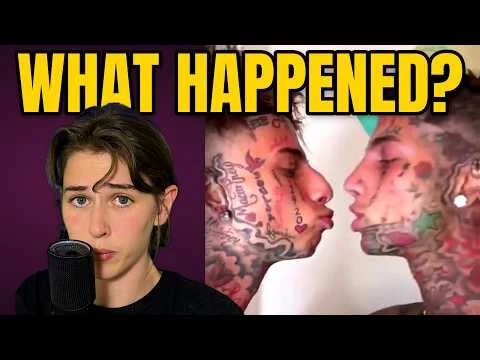
The "Island Boy" phenomenon began in October 2021 when Franky (Flyysoulja) and Alex (Kodiyakredd) Venegas uploaded a video to TikTok. In the footage, the brothers are seen standing in a pool, showcasing their distinctive aesthetic—characterized by vertical dreadlocks, extensive facial and body tattoos, and a style often associated with the South Florida rap scene. The chorus, "I’m an island boy, I’m just trying to make it," delivered with a unique, warbling cadence, immediately triggered a polarized response across the internet.
While initial reactions were largely derisive, the video’s inherent "stickiness" allowed it to bypass traditional gatekeepers of the music industry. Within days, the video had amassed millions of views, transitioning from a localized curiosity to a global meme. The content was shared not necessarily for its musical merit, but for its perceived absurdity, a hallmark of the "cringe culture" that dominated the early 2020s. This rapid ascent highlighted a shift in digital consumption where high-engagement content, regardless of sentiment, translates directly into cultural capital.
Chronology of the Island Boys’ Rise (2021–2026)
To understand the enduring nature of the "Island Boy" brand, it is necessary to examine the timeline of their visibility. Following the initial viral success in October 2021, the brothers moved quickly to capitalize on their newfound fame.
In November 2021, an official music video for "I’m An Island Boy" was released on YouTube. This professional production sought to legitimate the freestyle, yet it largely served to provide more fodder for parody and reaction videos. By December 2021, the duo reached a peak of mainstream visibility, appearing on high-profile podcasts such as Logan Paul’s Impaulsive. Their appearance on the show was marked by a contentious walkout, which further cemented their reputation as "villains" of the internet—a role that they appeared to lean into as part of their branding strategy.
Throughout 2022 and 2023, the Venegas brothers maintained relevance through a series of public appearances, controversial social media posts, and high-volume output on platforms like Cameo. On Cameo, the brothers became some of the highest-earning creators on the site, charging hundreds of dollars for personalized videos that often involved them singing their signature chorus. This period marked their transition from a "one-hit wonder" meme to a sustainable digital business.
By 2024 and 2025, the "Island Boy" moniker had evolved into a broader archetype within the "Florida Man" digital mythos. The brothers’ ability to remain in the public eye through a cycle of controversy and reconciliation became a case study for influencers seeking longevity in a volatile market. As of the current update in late 2026, the original video continues to serve as a reference point for the "meme rap" genre, influencing a new generation of creators who prioritize visual branding and viral potential over traditional song structure.
Quantitative Impact and Supporting Data
The metrics surrounding the "Island Boy" brand provide a clear picture of its reach. At the height of the initial trend in late 2021, the hashtag #IslandBoy on TikTok garnered over 1.1 billion views. This figure does not include the hundreds of thousands of "duets" and "stiches" where other users reacted to or parodied the original freestyle.
Financial data, while often self-reported by the creators, suggests that the Venegas brothers successfully monetized their viral moment. Reports from late 2022 indicated that the duo was earning upwards of $50,000 per month from Cameo alone during peak periods. Additionally, their YouTube channel, which hosts the official music video and various vlogs, has maintained a steady stream of passive income through ad revenue, with the "Island Boy" music video surpassing 20 million views within its first year of release.
The "Protip" provided in digital archives like Know Your Meme—which suggests using keyboard shortcuts like ‘g’ to view galleries or ‘r’ for random images—reflects the massive volume of secondary media generated by this event. The gallery for the Island Boys includes thousands of images, ranging from fan art and screenshots to professional photography and memes, indicating a high level of community participation in the brand’s narrative.
Public Reaction and Media Reception
The reception of the Island Boys has been almost exclusively divided between ironic enjoyment and genuine criticism. Music critics have frequently categorized their work as "meme rap," a genre where the humor or the "meme-ability" of the artist is the primary draw. This genre includes other figures such as Lil Pump and 6ix9ine, who also utilized aggressive visual branding and social media antics to fuel their music careers.
Prominent digital creators, such as Caroline Konstnar—who is tagged in the metadata of the video’s archival records—have engaged with the Island Boy phenomenon through parody. Konstnar and others used the "Island Boy" template to comment on the nature of fame in the 2020s, often highlighting the perceived lack of substance in viral hits. These parodies, however, only served to increase the original video’s reach, creating a symbiotic relationship between the "cringe" creators and the "commentary" creators.
Official responses from the brothers themselves have remained defiant. In various interviews, Franky and Alex Venegas have stated that they are "entertainers" first and foremost. They have argued that the backlash they receive is a byproduct of their success and that their ability to provoke a strong emotional reaction is proof of their impact. This objective-driven approach to fame—where any attention is good attention—has become a standard operating procedure for many modern influencers.
Broader Implications and Cultural Analysis
The "Island Boy" saga offers significant insights into the current state of digital media and the music industry. First, it demonstrates the total collapse of traditional talent scouting. In the current era, an algorithm can elevate a pool freestyle to global prominence faster than a record label can sign a developed artist. This "algorithmic discovery" favors content that is visually jarring or sonically unusual, as these elements encourage users to stop scrolling and engage.
Second, the Island Boys represent the "Florida" influence on internet culture. The "Florida" tag associated with the video is not merely geographic; it carries a set of cultural expectations regarding eccentricity, lawlessness, and a specific brand of hyper-masculinity. The Venegas brothers tapped into this existing trope, positioning themselves as the latest iteration of the "Florida Man" phenomenon.
Finally, the longevity of the Island Boys from 2021 to 2026 suggests a shift in how we define a "career" in the arts. For the Venegas brothers, the music was the "hook," but the product was their personalities and their willingness to be the subjects of public scrutiny. This "personality-as-a-service" model allows creators to pivot between music, reality television, boxing, and direct-to-consumer video messages, ensuring multiple revenue streams even as the original meme fades from its peak.
In conclusion, I’m an Island Boy by Flyysoulja and Kodiyakredd the Island Boys is more than a viral video; it is a landmark in the transition toward an attention-based cultural economy. While the musical quality of the freestyle remains a subject of debate, its success in capturing the collective gaze of the internet is indisputable. As digital platforms continue to evolve, the lessons learned from the Island Boys’ rise—regarding branding, monetization, and the power of the algorithm—will likely remain relevant for years to come. The duo’s journey from a South Florida swimming pool to the heights of internet infamy serves as a definitive example of how the digital age has redefined the path to celebrity.

