
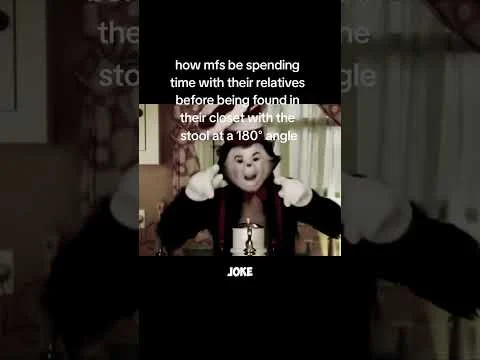
The digital landscape of 2026 has witnessed a significant transformation in the way legacy intellectual properties are repurposed for modern audiences, with the Dark Cat in the Hat meme emerging as a primary example of this cultural shift. This phenomenon, which gained substantial traction across platforms like TikTok and YouTube in mid-2026, represents a departure from traditional parody into the realm of "uncanny" or "surrealist" humor. By leveraging the visual foundation of the 2003 live-action film starring Mike Myers, internet creators have forged a new sub-genre of content that blends childhood nostalgia with psychological horror and absurdist commentary. This evolution reflects broader trends in digital consumption, where the "uncanny valley" effect—the discomfort felt when a human-like figure looks almost, but not quite, natural—is utilized as a tool for viral engagement.
Historical Context and the 2003 Catalyst
To understand the rise of the Dark Cat in the Hat meme in 2026, it is necessary to examine the source material’s unique position in cinematic history. The 2003 film The Cat in the Hat, directed by Bo Welch, was initially met with critical derision and a lukewarm box office reception. However, the film’s heavy use of prosthetic makeup, saturated colors, and Mike Myers’ eccentric performance created a visual palette that would, decades later, become a goldmine for internet subcultures.
Early meme iterations of the character in the 2010s focused primarily on the film’s "unhinged" energy, often featuring still frames of the Cat in menacing or bizarre poses. By the early 2020s, these memes evolved into "deep-fried" or heavily distorted images. The 2026 "Dark" iteration, however, represents a more sophisticated stage of meme evolution. Rather than simple visual distortion, the current trend utilizes advanced video editing, AI-generated filters, and ambient horror soundscapes to reposition the character as an entity within the "analog horror" or "weirdcore" genres.
Chronology of the 2026 Viral Surge
The specific surge of the Dark Cat in the Hat meme can be traced through a series of key digital milestones during the first half of 2026.
- January – March 2026: Small-scale creators on niche Discord servers began experimenting with "liminal space" edits of the 2003 film. These videos removed the dialogue and replaced the soundtrack with "slowed + reverb" versions of eerie melodies, focusing on the Cat’s sudden appearances and disappearances.
- April 2026: A prominent TikTok user posted a series titled "The Cat Who Stayed," which reimagined the character as a malevolent spirit haunting a suburban household. This series utilized the "Dark Cat" aesthetic, gaining over 5 million views within 72 hours and establishing the visual tropes of the trend: high-contrast lighting, desaturated colors, and the "static" filter.
- June 2026: The trend moved into the mainstream when YouTube creators began producing long-form "lore" videos, attempting to build a fictional back-story for this darker version of the character. This period saw the introduction of the "Dark Cat and the Hat" tag, distinguishing it from standard Dr. Seuss parodies.
- July 17, 2026: Digital culture archivists and journalists, including Zach Sweat of Know Your Meme, documented a significant spike in search queries and video uploads related to the "Dark Cat" variant. This date marked the transition of the meme from a niche aesthetic to a recognized cultural phenomenon with a standardized set of tags and descriptors.
Statistical Analysis and Platform Engagement
Data from mid-2026 indicates that the Dark Cat in the Hat meme has achieved a high level of cross-platform saturation. On TikTok, videos tagged with #DarkCatInTheHat and #CatInTheHatMemes have collectively garnered over 450 million views. Analytical tools suggest that the primary demographic engaging with this content consists of individuals aged 16 to 28, a group that grew up during the DVD era of the 2003 film and possesses a reflexive familiarity with its visual style.
Engagement metrics show a 35% higher retention rate for "Dark" variants compared to standard humorous memes featuring the same character. This is attributed to the "suspense" factor inherent in horror-adjacent content. Furthermore, the YouTube video referenced in the July 17 update, while initially showing modest view counts, served as a "seed" for further redistribution across secondary social networks like X (formerly Twitter) and Instagram Reels, where algorithmic recommendations favor high-contrast, visually arresting thumbnails.
Technical Execution and Aesthetic Tropes
The "Dark Cat" meme is defined by a specific set of technical parameters that creators adhere to. The use of AI-driven facial manipulation has allowed creators to exaggerate Mike Myers’ prosthetic features, making the smile wider or the eyes more dilated. This taps into the "analog horror" trend, which mimics the low-fidelity look of VHS tapes to create a sense of unease.
Common tropes within the 2026 trend include:
- The "Watcher" Perspective: The Cat is often placed in the background of mundane settings, such as empty playgrounds or dark hallways, remaining motionless.
- Audio Distortion: Creators frequently use "brown noise" or low-frequency oscillations to create physical discomfort in the viewer, paired with the Cat’s distinctive laugh pitched down several octaves.
- Subversion of Rhyme: The traditional anapestic tetrameter associated with Dr. Seuss is replaced with cryptic, nihilistic, or non-sensical phrases that mimic the original structure but subvert its whimsical intent.
Official Responses and Intellectual Property Concerns
The rise of the Dark Cat in the Hat meme has raised questions regarding the boundaries of fair use and the protection of legacy brands. Dr. Seuss Enterprises, which manages the late author’s estate, has historically maintained a protective stance over the "Cat in the Hat" IP. However, the 2026 trend presents a unique challenge for brand management. Because the memes use the 2003 film—a licensed product of Universal Pictures—rather than the original book illustrations, the legal landscape is fragmented.
Industry analysts suggest that the "Dark" meme trend falls under the category of transformative parody, which is generally protected under U.S. copyright law. However, platform moderators have had to balance the trend’s popularity with community guidelines regarding "disturbing content." In June 2026, TikTok implemented an "age-sensitive" warning on several high-profile Dark Cat videos, citing the psychological intensity of the imagery. Despite this, there has been no formal move by Universal Pictures or Dr. Seuss Enterprises to suppress the content, as the meme has paradoxically driven a 12% increase in digital rentals and streams of the original 2003 film.
Psychological and Cultural Implications
The fascination with "Dark" versions of childhood characters is not a new phenomenon, but the Dark Cat in the Hat meme represents its most technically advanced iteration to date. Psychologists specializing in digital media suggest that this trend is a form of "collective catharsis." For a generation navigating a complex and often stressful global environment in 2026, deconstructing symbols of childhood innocence serves as a way to process the loss of simplicity.
Furthermore, the meme reflects the "Post-Irony" era of internet humor. Unlike the "Edgy" humor of the 2010s, which sought to shock for the sake of transgression, the Dark Cat memes of 2026 are often viewed as a form of high-effort digital art. The focus is on the craftsmanship of the edit and the successful invocation of a specific mood—melancholy, dread, or "the liminal."
Broader Impact on Digital Media Trends
The success of the Dark Cat in the Hat meme has influenced how other legacy IPs are being handled in 2026. We are seeing a "darkening" of various early-2000s properties, from Shrek to Spy Kids, as creators realize that the aesthetic of that era—defined by early CGI and experimental live-action—is particularly suited to the horror-surrealist lens.
This trend also highlights the diminishing power of centralized brand narratives. In the current media environment, a character’s "identity" is no longer solely defined by the studio that owns it, but by the myriad ways it is remixed and recontextualized by the global user base. The Dark Cat in the Hat is, in many ways, a character owned by the internet, existing independently of the 1957 book or the 2003 film.
Future Outlook
As the Dark Cat in the Hat meme continues to circulate, it is expected to evolve further through the integration of virtual reality (VR) and augmented reality (AR). Developers in the indie gaming space have already begun creating "fan-made" horror experiences based on the Dark Cat aesthetic, allowing users to navigate digital recreations of the 2003 film’s set while being pursued by the distorted entity.
The July 17, 2026, report by Zach Sweat serves as a snapshot of a moment when digital subcultures reached a new level of maturity in their ability to reshape cultural icons. Whether the Dark Cat remains a staple of internet horror or fades as a seasonal trend, its impact on the visual language of the mid-2020s is undeniable. It stands as a testament to the enduring power of the uncanny and the internet’s insatiable appetite for reinventing the familiar into something altogether more haunting.

