
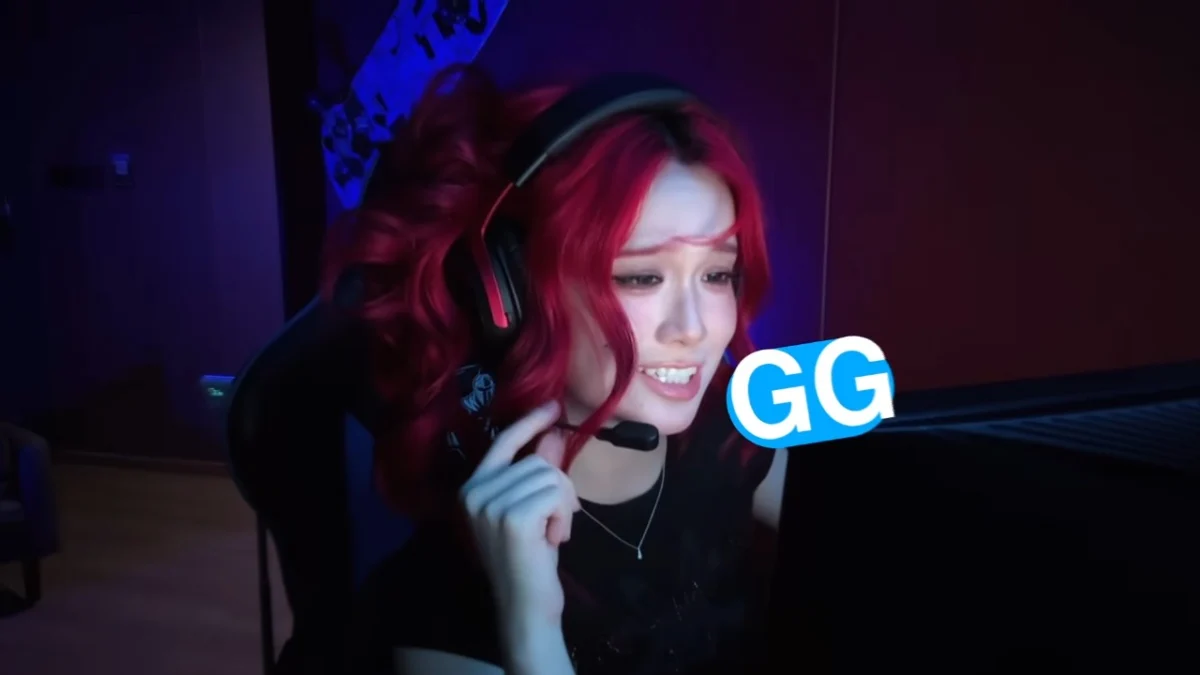
The digital music landscape underwent a significant shift in mid-2026 with the release of "GG EZ," an AI-generated K-pop track that transitioned from a niche TikTok experiment to a mainstream cultural flashpoint. Produced by a collaborative effort between digital creators Kaien, Sugar, and M.Sasuke, the song became a focal point for debates regarding the role of artificial intelligence in creative industries, the evolution of K-pop marketing, and the volatile nature of internet memes. Defined by its aggressive, high-energy chorus featuring the hook "GG fuckin’ easy," the track successfully leveraged gaming terminology and short-form video algorithms to achieve global visibility, though not without significant critical resistance.
The Genesis of an AI-Driven Hit
The origin of "GG EZ" can be traced to late May 2026, when the AI music producer known as M.Sasuke began teasing the track on TikTok. On May 21, 2021, M.Sasuke uploaded a preliminary clip of the song to his account, @m.sasuke7, which immediately resonated with the platform’s user base, garnering over 1.8 million views within its first four months. This initial success was built upon a production methodology that M.Sasuke has been transparent about on social media. Utilizing generative AI technology, the producer employs text prompts and rough sketches to expand simple melodies into fully realized pop productions. In a public statement on Instagram, M.Sasuke clarified that while his music and visuals incorporate AI-generated elements, the production is grounded in a hybrid approach where human-guided prompts dictate the expansion of tracks and sketches.
The full version of "GG EZ" was released on Spotify on May 27, 2026. The track’s performance on streaming platforms was immediate and robust, accumulating more than 16 million plays by mid-September. This rapid growth was fueled by a secondary teaser posted on May 23, which secured an additional 1.5 million views, signaling a high level of anticipation for the official release.
Chronology of the Viral Spread
The trajectory of "GG EZ" followed a distinct pattern of viral growth, moving from producer-led promotion to organic adoption by major industry players. In June 2026, the song’s audio became a staple for the "dance challenge" culture that dominates TikTok.
On June 23, 2026, the official TikTok account for the K-pop group ENHYPEN posted a video featuring member Sunoo performing to the song. This endorsement from a major K-pop entity served as a catalyst for wider adoption, as the video earned over 2.2 million likes. Shortly thereafter, on June 27, the group ILLIT followed suit, with their video garnering 1.7 million likes. The participation of these high-profile idols validated the song within the K-pop ecosystem, leading to its use in over 149,000 unique TikTok videos by September 2026. Other prominent groups, including NCT DREAM (featuring Jisung), IVE (featuring Anyujin), and ITZY (featuring Yeji), also contributed to the trend, cementing the song’s status as a summer hit within the genre’s digital sphere.
The expansion of the "GG EZ" brand continued into late summer. On August 28, 2026, a high-budget music video for the song was released on YouTube under the names Sugar, Kaien Nuen, and M.Sasuke. The video, which utilized advanced AI-assisted visual effects to mirror the aesthetic of traditional K-pop productions, reached 1.5 million views in a relatively short period, further blurring the lines between independent AI projects and corporate music ventures.
Discourse and Digital Backlash
While "GG EZ" enjoyed immense success on TikTok and Spotify, its migration to the social media platform X (formerly Twitter) in September 2026 marked a turning point in its public reception. On September 10, an advertisement for the music video was shared by user @gaIpsycho, triggering a wave of discourse that was largely critical of the song’s lyrical content and AI origins.
The backlash was characterized by a mixture of mockery and genuine concern over the quality of AI-generated art. One notable reaction came from user @Kadi18_, who quote-reposted the video with the hashtag "#StartAsianHate." This post, which garnered over 110,000 likes, was interpreted by many as a satirical critique of the song, suggesting that the AI-generated track was so detrimental to the reputation of Asian pop music that it constituted a new form of cultural "harm."
Other users focused on the song’s association with gaming culture and its perceived "cringe" factor. On September 11, user @fckvoided compared the track to "Fortnite jamtracks," a reference to the rhythm game component of the popular video game Fortnite, suggesting the song felt like a corporate product designed for a juvenile audience. This sentiment was echoed across various subcultures on X, where the song became a frequent target for "ratioing" and parody.
Technical and Cultural Analysis
The success of "GG EZ" highlights several emerging trends in the 2026 music industry. First, it demonstrates the increasing viability of AI as a tool for creating "functional" pop music—tracks designed specifically to trigger algorithmic favor and fit the constraints of 15-to-30-second video clips. The song’s structure, which prioritizes a high-impact, repetitive chorus over complex verse development, is a hallmark of the "TikTok-first" production era.
Second, the song’s title and theme tap into the global vernacular of gaming. "GG EZ" (Good Game, Easy) is a phrase often used in competitive gaming to taunt opponents. By recontextualizing this "toxic" gaming slang into a K-pop framework, the producers successfully bridged two of the internet’s most active fanbases. However, this crossover also contributed to the backlash, as many listeners found the juxtaposition of K-pop’s polished image with gaming’s abrasive slang to be jarring or insincere.
From a technical standpoint, the work of M.Sasuke represents a shift toward the "prosumer" model of music production. By openly admitting to the use of AI prompts, M.Sasuke has positioned himself as a curator as much as a creator. This has sparked intense debate among musicians regarding the "soul" of music. Critics argue that "GG EZ" lacks the emotional depth and human intentionality of traditional K-pop, while proponents argue that AI is simply a new instrument that allows independent creators to compete with the production value of "Big Four" K-pop agencies (HYBE, SM, YG, and JYP).
Industry Implications
The "GG EZ" phenomenon serves as a case study for how major K-pop agencies interact with viral trends. The fact that groups like ENHYPEN and ITZY participated in the "GG EZ" challenge suggests that labels are increasingly willing to associate their artists with AI-generated content if it promises high engagement metrics. This has led to speculation that major labels may eventually integrate generative AI into their own training and production pipelines to reduce costs and increase the frequency of releases.
However, the negative reaction on X indicates a significant "authenticity gap" that AI-generated music has yet to bridge. While the general public may consume these tracks as background audio for social media, a core segment of dedicated music fans remains resistant to the perceived "hollowness" of AI art. The "StartAsianHate" meme, while hyperbolic, underscores a protective sentiment among fans who view K-pop as a human-centric medium defined by years of trainee practice and emotional labor.
Conclusion and Future Outlook
As of mid-September 2026, "GG EZ" remains a polarizing but undeniable success. The track has inspired various spin-offs, including a "phonk" remix by TikToker @s3werman, which gained nearly half a million views in a single day. This suggests that the song’s lifecycle may continue through various sub-genres and user-generated iterations.
Ultimately, "GG EZ" may be remembered as the moment AI-generated K-pop moved from a novelty to a legitimate competitor in the attention economy. Whether it represents a temporary trend or the beginning of a permanent shift in music production remains to be seen. What is certain is that the discourse surrounding Kaien, Sugar, and M.Sasuke’s creation has forced a necessary conversation about the boundaries of technology, the definition of artistry, and the power of the algorithm in shaping the global soundscape.

