
The implementation of streak systems has transformed from a niche gamification tactic into a cornerstone of modern digital product design, fundamentally altering how users interact with educational, fitness, and productivity applications. At its core, a streak is defined as the number of consecutive days a user completes a specific activity, serving as a quantified representation of consistency and commitment. While the concept appears simple, its efficacy is rooted in complex behavioral psychology. For instance, when the language-learning platform Duolingo introduced iOS widgets to display active streaks, the company reported a staggering 60% surge in user commitment. This shift demonstrates that streaks are not merely passive metrics but are active drivers of engagement that tap into deep-seated human instincts.
The Psychological Foundations of Streak Persistence
To understand why users feel an intense, sometimes obsessive, dedication to protecting their streaks, one must examine the cognitive biases that govern human decision-making. Researchers identify three primary psychological pillars that sustain streak-based behavior: Loss Aversion, the Fogg Behavior Model, and the Zeigarnik Effect.
Loss Aversion remains perhaps the most potent force in the gamification toolkit. Rooted in prospect theory, this principle suggests that the pain of losing something is psychologically twice as powerful as the joy of gaining something of equal value. In the context of an app, a user with a 200-day streak is no longer motivated primarily by the reward of learning or exercise; they are motivated by the fear of losing the "invested effort" represented by that number. As the streak grows, the perceived cost of a single day of inaction increases exponentially.
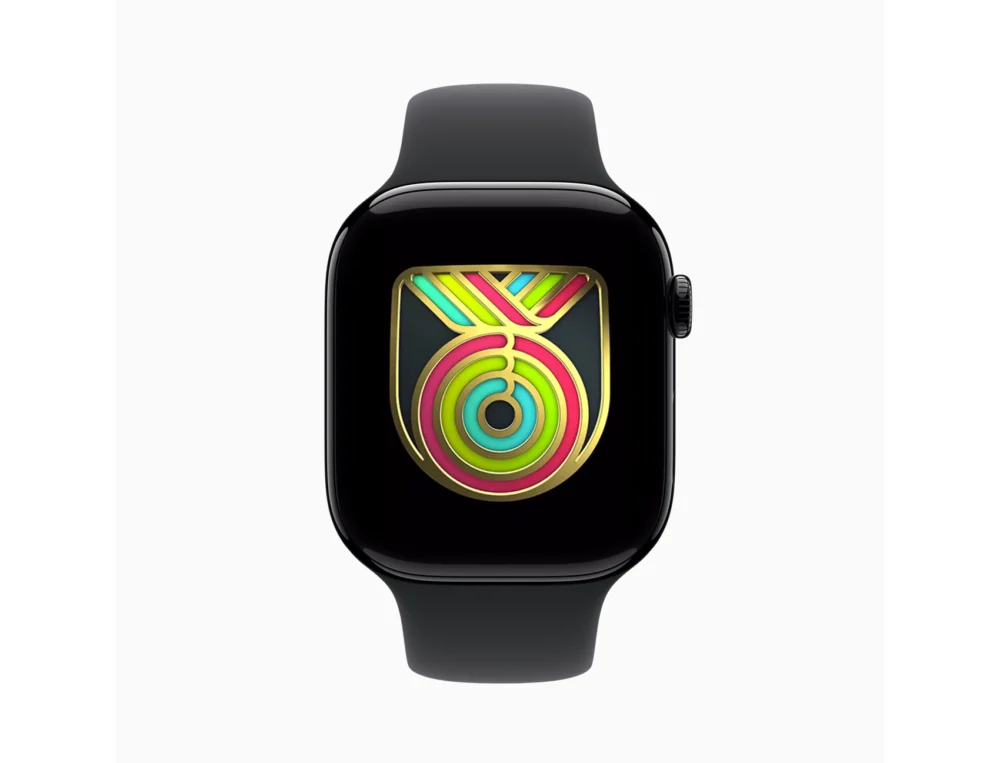
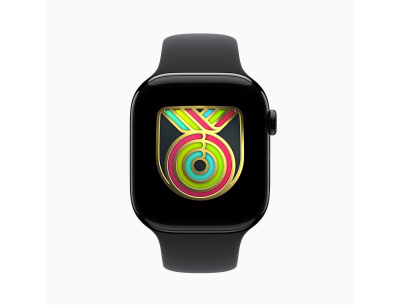
The Fogg Behavior Model, developed by Dr. BJ Fogg at the Stanford Behavior Design Lab, provides the formula for how these habits are initiated: Behavior = Motivation + Ability + Prompt (B=MAP). For a streak to take hold, all three elements must converge. While motivation is notoriously fickle, successful apps compensate by increasing "ability"—making the required task so simple that it is nearly impossible to fail. For example, Apple Fitness allows users to maintain a "Stand" streak by standing for just one minute per hour. Finally, the "prompt" acts as the trigger. Duolingo’s experimentation with a simple red notification badge on the app icon resulted in a 6% increase in daily active users, proving that even minor visual cues can bridge the gap between intention and action.
The Zeigarnik Effect further reinforces this loop by suggesting that people remember uncompleted or interrupted tasks better than completed ones. An active streak creates a state of "unfinished business" in the user’s mind. Until the daily task is checked off, the brain maintains a level of cognitive tension that is only resolved once the activity is performed.
A Chronology of Gamified Consistency
The evolution of streak systems can be traced through several key milestones in the tech industry. In the early 2010s, gamification was often limited to badges and leaderboards. However, the mid-2010s saw a pivot toward "consecutive usage" metrics.
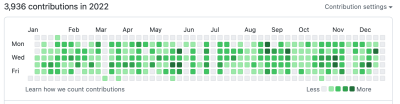
In 2015, Snapchat introduced "Snapstreaks," which rewarded users for exchanging messages for consecutive days. This shifted the focus from content quality to interaction frequency, creating a cultural phenomenon among younger demographics. By 2016 and 2017, platforms like GitHub popularized the "contribution graph," a visual grid that turned coding consistency into a public-facing badge of honor. Developers began to view a "green square" on their profile as a professional asset, leading to both increased productivity and, in some cases, burnout.
By 2020, during the global shift toward home-based digital solutions, fitness apps like Peloton and meditation apps like Headspace integrated sophisticated streak mechanics to replace the physical accountability of gyms and classes. Today, the streak has matured into a nuanced UX pattern that balances aggressive engagement with "grace periods" to prevent user fatigue.
The Ethical Spectrum: Habit vs. Compulsion
As streak systems become more pervasive, industry analysts and digital wellbeing advocates have raised concerns regarding the "dark side" of these mechanics. There is a thin line between a healthy habit and a stressful compulsion. An ethical streak system encourages the user toward a personal goal, such as health or literacy. Conversely, a predatory system exploits anxiety, making users feel guilty or exhausted if they miss a day.
Critics argue that when users begin to tie their self-worth to an arbitrary digital counter, the original purpose of the app—learning or fitness—is lost. In some instances, users have reported "cheating" their own streaks just to keep the number alive, a behavior that indicates the metric has become more important than the actual activity. Experts suggest that a well-designed system should prioritize intrinsic motivation—doing the task for its own sake—rather than extrinsic pressure. The Center for Humane Technology has frequently pointed to these "infinite loops" as features that prioritize shareholder-driven Daily Active User (DAU) metrics over the actual wellbeing of the consumer.
UX Design Principles for Sustainable Engagement
To mitigate the risk of user burnout while maintaining high engagement, UX designers have developed a set of best practices for building "graceful" streak systems.
- Minimize Friction (The Rule of Tiny Actions): As outlined in James Clear’s Atomic Habits, the easiest way to form a habit is to make the action "micro." Apps that require a 30-minute commitment every day often see high churn. The most resilient systems allow for "minimum viable effort" on days when the user’s willpower is low.
- Visual Feedback and Celebration: Humans are inherently visual. Using progress rings, grids, and animated milestones (like confetti or badges) provides the dopamine hit necessary to reinforce the behavior. GitHub’s contribution graph is a prime example of how data visualization can turn mundane tasks into a rewarding visual history.
- Strategic Timing of Prompts: Notification timing is critical. Data suggests that fitness apps see the highest engagement with early morning prompts (7:00 AM – 8:00 AM), whereas productivity or learning apps may perform better in the late afternoon or early evening.
- Grace Mechanisms: One of the most significant innovations in recent years is the "Streak Freeze" or "Grace Window." Recognizing that life is unpredictable, ethical apps allow users to "save" their streak despite a missed day. This prevents the "reset to zero" trauma that often leads users to abandon an app entirely after a long period of consistency.
Technical Challenges and Engineering Resilience
Building a streak system is a deceptively complex engineering task, primarily due to the intricacies of time and global synchronization. Developers face three primary hurdles: timezone management, edge cases, and cheating prevention.
The Timezone Dilemma: Defining what constitutes a "day" is a significant challenge for global applications. If a server operates on Coordinated Universal Time (UTC), a user in California might find their streak resetting at 4:00 PM local time. Engineers must ensure that "one day" is defined by the user’s local timezone. This requires the application to capture and update the user’s location data accurately, often during the onboarding process, and to handle shifts such as Daylight Saving Time.
Resilience Against Failures: Server downtime or network lag can inadvertently break a user’s streak, leading to a catastrophic user experience. To combat this, resilient systems often implement a "grace window"—perhaps two hours—where actions performed just after midnight can still be counted toward the previous day. Furthermore, developers must establish "admin backdoors" that allow support teams to manually restore streaks for users who were unfairly penalized by technical bugs.
Validation and Integrity: To prevent users from manipulating their device clocks to "time travel" and retroactively complete tasks, all streak logic must be validated on the server side. The server acts as the single source of truth, recording the timestamp of the action and comparing it against the user’s historical data. While some level of cheating is inevitable in non-competitive apps, maintaining the integrity of the metric is essential for its perceived value.
Broader Implications and Future Outlook
The rise of the streak system represents a broader shift toward the "quantified self," where every aspect of human behavior is measured and gamified. While these systems are undeniably effective at driving short-term engagement, their long-term impact on human psychology is still being studied.
In the future, we may see the emergence of "flexible streaks" that account for mental health days or varying schedules, moving away from the rigid "every single day" model toward a more human-centric approach to consistency. As AI and machine learning become more integrated into UX, apps may begin to predict when a user is likely to break a streak and offer personalized encouragement or reduced-difficulty tasks to keep them in the loop.
Ultimately, the power of the streak lies in its ability to turn the abstract concept of "progress" into a tangible, protected asset. When designed with empathy and technical precision, these systems do more than just increase app usage; they provide the scaffolding necessary for individuals to achieve long-term personal growth in an increasingly distracted digital world. However, the responsibility remains with designers and developers to ensure that these tools serve the user’s goals, rather than merely the platform’s bottom line.

