
In an era increasingly defined by rapid consumption and instant gratification, parents worldwide grapple with the complex challenge of raising children who appreciate what they have rather than constantly desiring more. The ubiquitous presence of online shopping and doorstep deliveries has created a societal backdrop where material acquisition often overshadows the intrinsic value of experiences and emotional well-being. This pervasive consumer culture necessitates a deliberate and strategic approach from caregivers to instill a sense of contentment and gratitude in the younger generation.
The Psychological Imperative of Contentment in Child Development
Contentment, far from being mere passive satisfaction, is a critical emotional regulation skill that empowers individuals to acknowledge feelings without being controlled by impulsive desires. For children, developing this skill is foundational to navigating complex social dynamics, managing disappointment, and cultivating patience in a world that often demands immediate fulfillment. Without the capacity for an "inner pause," children are more susceptible to the "I want it, therefore I need it" mentality, which can lead to anxiety, dissatisfaction, and an underdeveloped sense of empathy.
Developmental psychologists emphasize that early instruction in contentment equips children with robust emotional tools that mature with them. Dr. Laura Markham, author of Peaceful Parent, Happy Kids, highlights that "contentment is the antidote to the constant yearning for more. It teaches children to find joy in the present moment and to appreciate the non-material aspects of life." Research consistently links the ability to delay gratification with improved life outcomes. The seminal Stanford Marshmallow Experiment, conducted by Walter Mischel in the late 1960s and early 1970s, famously demonstrated this. Children who could resist the immediate temptation of one marshmallow for the promise of two later exhibited higher SAT scores, better stress management, and lower obesity rates as adults. This longitudinal study underscored that the capacity for delayed gratification, a cornerstone of contentment, is a powerful predictor of academic success, emotional resilience, and overall well-being.
Moreover, a lack of contentment can contribute to heightened stress and anxiety in children. Constantly chasing the next purchase or trend can create a cycle of temporary highs followed by renewed dissatisfaction, fostering an environment where intrinsic happiness is elusive. Teaching children to appreciate what they already possess, and to find joy in simple pleasures, provides a vital buffer against these psychological pressures.
The Experience Economy: Shifting Values from Possessions to Moments
In a society saturated with advertising and social media, the message that "happiness is just one more purchase away" is relentlessly reinforced. However, a growing body of scientific evidence contradicts this notion, affirming that experiences, not material possessions, are the true drivers of lasting joy and deeper satisfaction. A study published in the Journal of Personality and Social Psychology found that experiential purchases lead to greater and more enduring happiness than material purchases. This phenomenon can be attributed to several factors.
Firstly, experiences are less prone to the "comparison trap." While a new toy or gadget can always be outdone by a "better" or more expensive version owned by a peer, an experience—a family hike, a trip to the museum, a shared meal—is inherently unique and personal. The memory of a shared adventure fosters connection and strengthens relationships, qualities that material goods often fail to deliver. Dr. Thomas Gilovich, a professor of psychology at Cornell University and a leading researcher on this topic, notes, "Our experiences are a bigger part of ourselves than our material goods. You can really like your material stuff, you can even think that part of your identity is connected to those things, but nonetheless they remain separate from you. In contrast, your experiences really are part of you. We are the sum total of our experiences."
Secondly, anticipating an experience often brings more pleasure than anticipating a material good. The excitement leading up to a concert or a vacation can be a significant source of happiness, whereas the anticipation of a new gadget might be fleeting and quickly replaced by the desire for the next item. Parents, by modeling excitement for shared activities—like preparing for a camping trip or a special family game night—can subtly convey that these moments hold greater value than any purchased item. When children observe their parents expressing gratitude for time spent together ("I’m so grateful we got to spend the afternoon together"), they internalize the principles of true contentment.
Chronology of Cultivating Gratitude and Contentment: A Phased Approach
Developing gratitude and contentment in children is not a one-time lesson but a continuous process that evolves with their age and understanding. Parents can implement a phased approach, starting with simple concepts and gradually introducing more complex ideas.
Phase 1: Early Childhood (Ages 2-6) – Laying the Foundation
- Focus on Sensory Experiences: For very young children, gratitude begins with appreciating sensory input. "Look at the vibrant colors of this flower!" or "Isn’t this apple crunchy and sweet?" helps them connect positive feelings with everyday observations.
- Simple Sharing and Thankfulness: Encourage sharing toys and saying "thank you" for small gestures. Make it a routine to acknowledge acts of kindness.
- Experience-Based Play: Prioritize playdates at parks, library visits, and imaginative play over accumulating numerous toys.
Phase 2: Middle Childhood (Ages 7-12) – Deepening Understanding
- Structured Gratitude Practices: Introduce gratitude journals or daily "grateful for" conversations at dinner. Encourage children to articulate why they are grateful, fostering deeper reflection ("I’m grateful for our cozy living room because it’s where we snuggle and read stories").
- Differentiating Needs vs. Wants: This is a crucial phase for developing financial literacy and self-control.
- Active Giving: Involve children in choosing items for donation or participating in simple community service projects.
- Parental Modeling: Children at this age are keenly observant. Parents demonstrating contentment and gratitude in their own lives—by valuing family time over luxury purchases, for instance—is paramount.
Phase 3: Adolescence (Ages 13-18) – Fostering Independence and Broader Impact
- Financial Autonomy and Responsibility: Encourage teens to earn and save for desired items, understanding the value of money and effort.
- Meaningful Service: Engage in more significant volunteer work or advocacy, allowing them to see the systemic impact of generosity and their role in contributing to society.
- Reflection on Consumerism: Discuss advertising strategies and the societal pressures to consume, empowering them to make conscious choices.
- Emphasizing Intrinsic Rewards: Reinforce the idea that personal growth, strong relationships, and contributions to community bring greater satisfaction than material possessions or social media validation.
Practical Frameworks for Cultivating Gratitude and Contentment
Building upon the developmental phases, several concrete strategies can be integrated into family life:
1. Wrap Up Experiences, Not Just Toys:
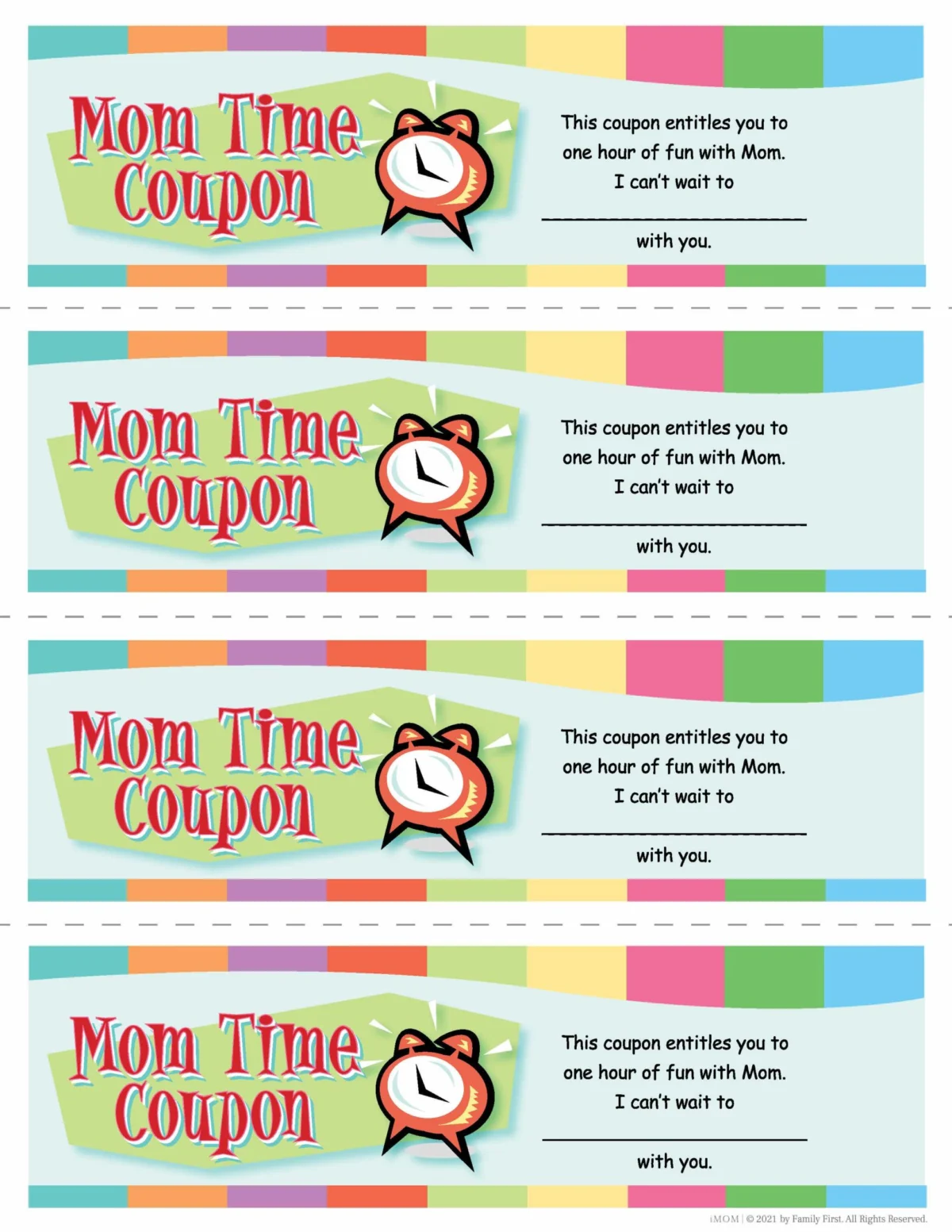
Instead of defaulting to material gifts for birthdays and holidays, parents can gift experiences. This could involve movie tickets presented in a decorated box, homemade coupons for "special mom-and-me time" or a "day of adventure," or a written promise for an outdoor expedition like geocaching or a nature hike. This strategy consciously shifts the focus from accumulating possessions to creating cherished memories and valuing relationships. Organizations like the American Academy of Pediatrics often advocate for this approach, highlighting that shared experiences foster stronger family bonds and contribute to a child’s overall emotional well-being more effectively than material gifts.
2. Nurture Daily Gratitude with "From Me to You" Conversations:
A powerful method for instilling gratitude is through regular, reflective conversations. Inspired by a personal anecdote of a mother using a special notebook, families can adopt a similar practice. In a shared journal, family members can write down what they are grateful for each day and why. For example, a child might write, "I’m grateful for our cozy living room because it’s where we snuggle and read stories." This practice encourages children to articulate their feelings, connect positive emotions to specific people or circumstances, and develop a habit of mindful appreciation. Over time, this consistent reflection helps rewire their brains to notice and value the positive aspects of their lives.
3. The "Need or Want" Shopping Game:
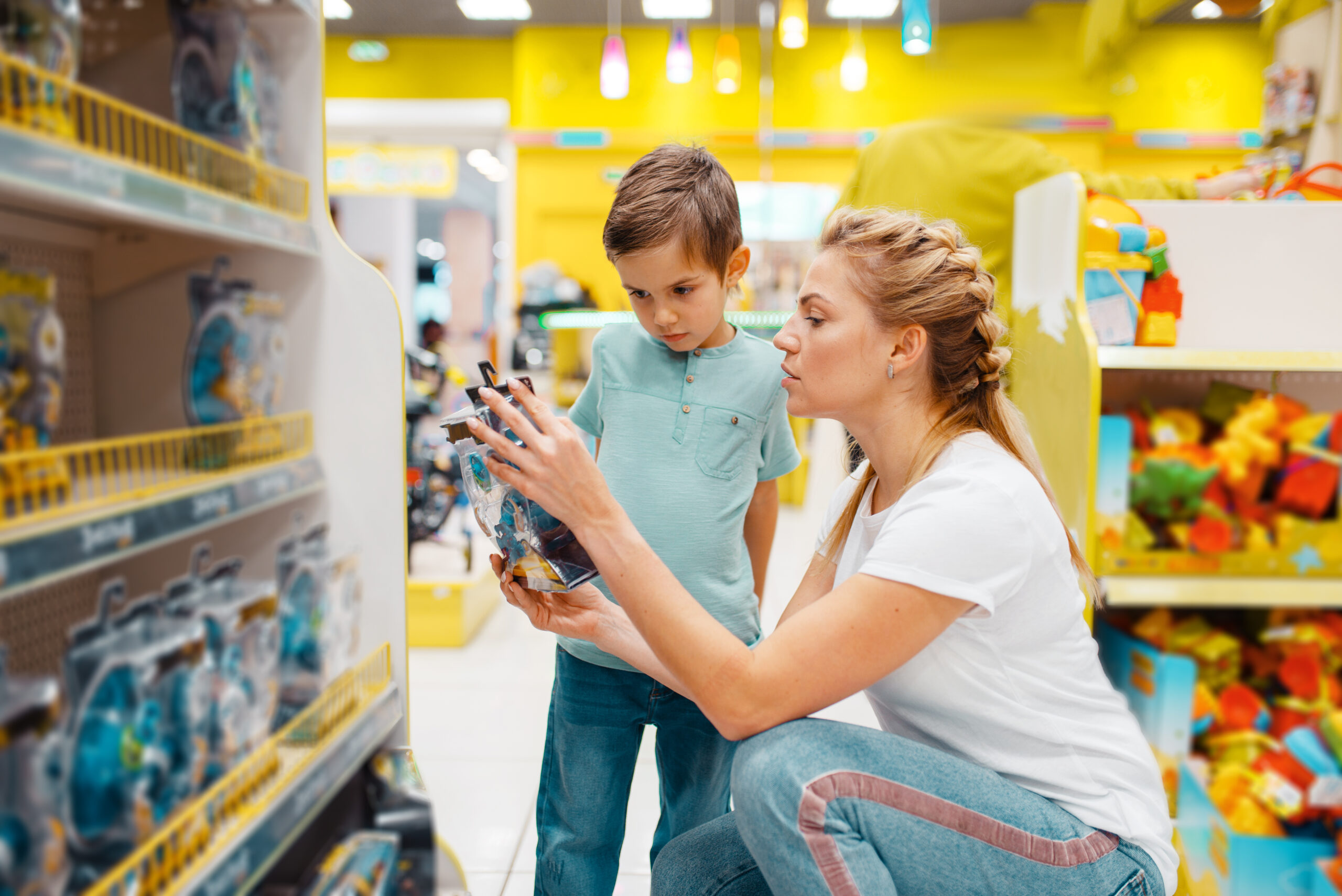
This practical exercise helps children distinguish between essential items and discretionary desires. Before a shopping trip, establish the rule: every requested item must be categorized as a "need" (something essential for health, safety, or basic comfort) or a "want" (an enjoyable extra). Instead of an immediate "no," parents can ask the child to categorize the item first. This encourages critical thinking and helps children understand resource allocation. Educational resources from organizations like Junior Achievement often include similar activities to foster early financial literacy and responsible decision-making.
4. The 3-Day Rule:
When a child expresses a desire for a "want," parents can suggest writing it down together and agreeing to revisit the request in three days. This simple rule builds patience and helps children realize the fleeting nature of many impulsive desires. Often, after a few days, the initial urgency fades. If the child still expresses a strong desire, it opens a conversation about saving money, waiting for a special occasion, or considering alternatives. This practice directly applies the principles of delayed gratification in a real-world context.
5. The Earn and Save System:
Connecting effort to acquisition is a fundamental lesson in value. By assigning age-appropriate chores, parents can create opportunities for children to earn money and save for their "wants." This system combines delayed gratification with practical financial education, teaching children the value of work and the satisfaction of earning something they desire. Financial education experts often recommend such systems as effective tools for instilling fiscal responsibility from a young age.
The Best Way to Teach Kids About Giving: The Science of Prosocial Behavior
Teaching children the profound joy of giving is perhaps the most direct path to genuine contentment and empathy. Initially, many parents might discreetly donate old toys their children no longer use. However, research suggests that children miss out on a crucial developmental experience when they are not actively involved in the giving process. A study from the University of Oregon found that voluntary participation in giving activities strengthens connections in the brain’s reward centers, which are associated with happiness. Further research from the Greater Good Science Center at UC Berkeley confirms that generous behavior activates the same reward pathways in the brain as receiving gifts, indicating that "giving actually feels good."
1. The Monthly Donation Box:
Instead of covertly decluttering, make donation a family ritual. Once a month, involve children in filling a box with items to donate. Empower them to choose their own things, including toys they still like but rarely use. Frame it positively: "Remember how excited you were when you got this? Let’s give another kid that same happy feeling." This helps children connect their actions to the positive impact on others.
2. Care Bags and Service Projects:
Expand giving beyond material possessions to acts of service. Keep small care bags in the car filled with non-perishable snacks, socks, and toiletries to offer to individuals experiencing homelessness. Engage in age-appropriate service projects, such as visiting a nursing home, helping a neighbor with yard work, or participating in a community clean-up. When children witness the direct, positive impact of their generosity—seeing a smile on a recipient’s face or observing a tangible improvement in their community—giving transforms from an abstract concept into a natural and rewarding part of their identity. This direct experience cultivates empathy, a sense of social responsibility, and reinforces the notion that contributing to others’ well-being is a source of personal happiness.
Broader Impact and Implications
The concerted effort to raise grateful and content children carries significant implications not just for individual families but for society at large. A generation raised with strong emotional regulation skills, a deep appreciation for experiences over materialism, and a commitment to prosocial behavior is more likely to contribute positively to their communities. Such individuals are often more resilient in the face of economic fluctuations, less susceptible to consumerist pressures that can lead to debt and dissatisfaction, and more likely to engage in civic activities.
Developmental psychologists and educators widely concur that these foundational skills are critical for fostering well-adjusted adults who are equipped to handle life’s complexities. Dr. Madeline Levine, author of The Price of Privilege, has extensively written about the pitfalls of overindulgence and the importance of teaching children self-sufficiency and gratitude. She argues that parents who prioritize material possessions inadvertently hinder their children’s development of intrinsic motivation and resilience.
In conclusion, raising grateful kids is an intentional act of shaping hearts to find joy in simple moments and appreciate the relationships and resources already present in their lives. It involves a conscious shift away from a default consumerist mindset towards valuing experiences, fostering patience through delayed gratification, understanding the distinction between needs and wants, and actively engaging in acts of generosity. By embedding these principles into daily family life, parents are not merely teaching their children to be polite; they are equipping them with essential life skills that cultivate emotional intelligence, resilience, and a profound understanding that true contentment doesn’t come from having more, but from loving the people in our lives well and contributing positively to the world around us. This long-term investment in character development promises a more emotionally robust and socially conscious future generation.

