

In an era defined by ubiquitous advertising, instant gratification, and the daily arrival of e-commerce packages, the challenge for parents to instill values of gratitude and contentment in their children has become more pronounced than ever. Modern childhood is increasingly shaped by a culture that often equates happiness with acquisition, presenting a significant hurdle for fostering a deep appreciation for what one already possesses and for the intrinsic value of experiences over material goods. This article explores the psychological underpinnings of contentment and gratitude, offering evidence-based strategies for parents to navigate this complex landscape and equip their children with essential emotional regulation skills for lifelong well-being.
The Pervasive Influence of Consumerism on Childhood Development
The contemporary environment exposes children to an unprecedented volume of commercial messaging, starting from a very young age. Digital platforms, social media, and traditional advertising relentlessly promote the idea that fulfillment is perpetually "one more purchase away." This constant exposure can inadvertently cultivate a mindset of perpetual desire, making it difficult for children to recognize and appreciate the abundance already present in their lives. The psychological implications are profound, potentially leading to increased dissatisfaction, comparison anxiety, and a diminished capacity for patience and emotional regulation.
A 2014 study published in the Journal of Consumer Research highlighted how early exposure to advertising can shape children’s consumer desires and even their perceptions of self-worth. Furthermore, research from the American Psychological Association indicates a correlation between high materialism and lower well-being, including increased anxiety and depression, in adolescents and young adults. Against this backdrop, parents are tasked with intentionally counteracting these societal currents to nurture a foundational sense of gratitude and contentment.
The Psychological Imperative: Why Contentment Matters for Development
Teaching children contentment transcends mere politeness; it is a critical emotional regulation skill. Contentment enables a child to pause before acting on impulse, to manage disappointment without emotional dysregulation, and to develop patience rather than demanding immediate gratification. Without this internal mechanism, children are more susceptible to the "I want it, therefore I need it" mentality, which can hinder their ability to cope with life’s inevitable setbacks and challenges.
This inner pause is fundamental to the development of self-control, a cornerstone of emotional intelligence. The renowned Stanford Marshmallow Experiment, conducted by Walter Mischel in the late 1960s and early 1970s, famously demonstrated the long-term benefits of delayed gratification. Children who could wait for a larger reward (two marshmallows instead of one immediate one) were later found to have higher SAT scores, better stress management skills, and lower rates of obesity as adults. These findings underscore that the capacity to believe good things are worth waiting for is not just a character trait but a predictor of future success and well-being. By cultivating contentment, parents provide children with a robust toolkit for navigating not only playground conflicts but also the complexities of adult life, from academic pressures to professional demands.
Shifting Focus: The Enduring Value of Experiences Over Possessions
While the market relentlessly pushes new products, a growing body of psychological research consistently demonstrates that experiences, rather than material possessions, yield more lasting happiness and satisfaction. A pivotal study published in the Journal of Personality and Social Psychology found that experiential purchases do not trigger the same "comparison trap" often associated with material goods. When a child receives a new toy or a fashionable item, there is almost always a "better" or newer version owned by a peer, leading to potential feelings of inadequacy or envy. In contrast, an experience—a family hike, a trip to a museum, a special "spa bath" at home—is inherently unique and personal. These moments create memories, strengthen familial bonds, and contribute to a child’s sense of identity in a way that material objects rarely can.
Parental modeling plays an indispensable role in this paradigm shift. Children are keen observers, internalizing the values their parents embody. When parents express genuine excitement for shared family activities—a day spent outdoors, a quiet evening reading together—over new acquisitions, and verbalize their gratitude for these moments, children absorb these lessons. Statements like, "I’m so grateful we got to spend the afternoon together exploring," reinforce the idea that true richness lies in connection and shared memories, not in accumulating things.
Strategies for Fostering Experiential Appreciation and Gratitude
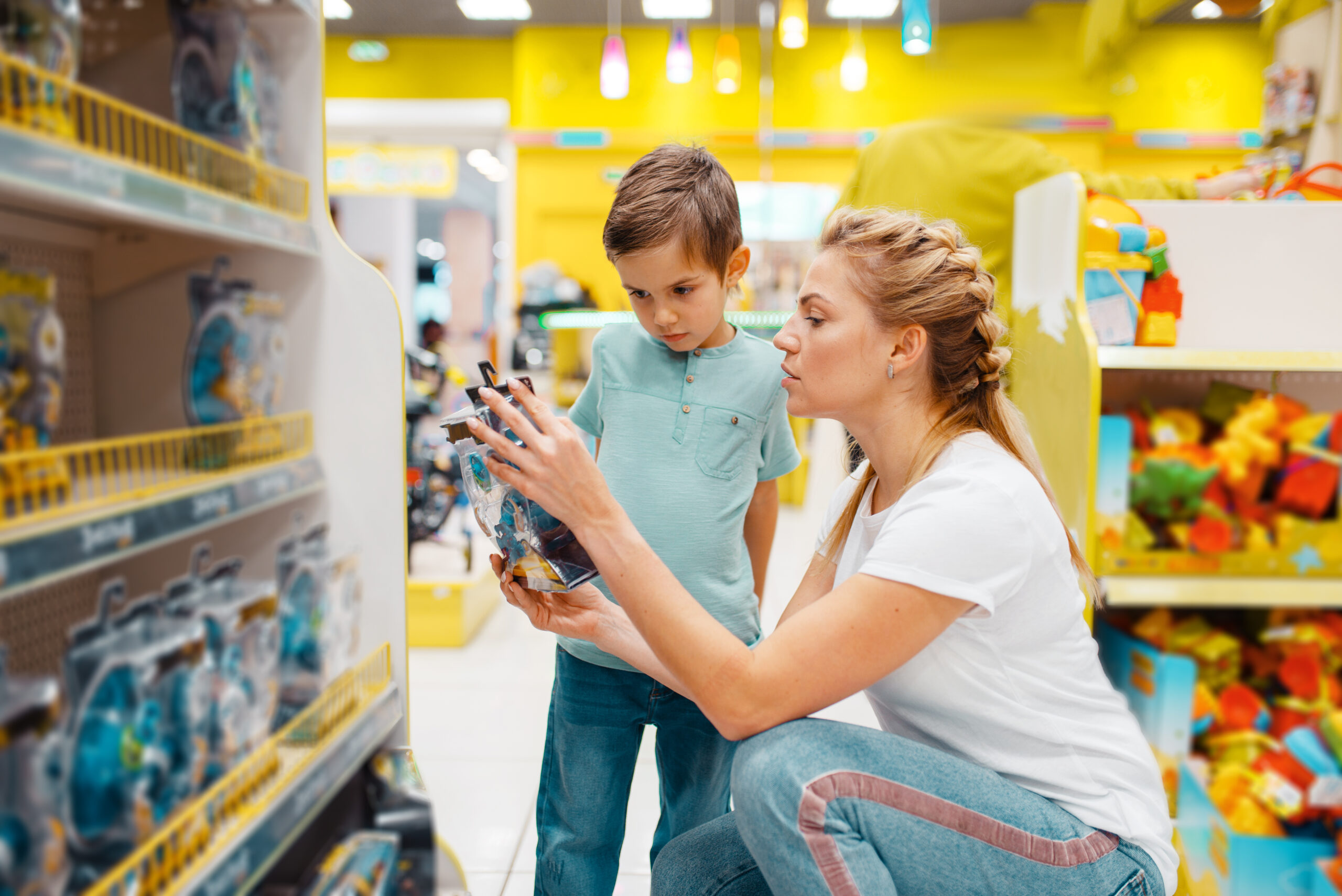
To intentionally cultivate a preference for experiences and a deeper sense of gratitude, parents can integrate specific practices into daily life:
- Prioritizing Experiential Gifting: Rather than defaulting to toys for birthdays and holidays, consider gifting experiences. This could involve movie tickets presented in a creatively decorated box, "coupons" for dedicated one-on-one time with a parent, or a written promise for an outdoor adventure like geocaching or a nature walk. This approach subtly teaches children to value relationships, shared moments, and anticipation over immediate material gain.
- Establishing Gratitude Rituals: Regular reflection on gratitude can significantly enhance a child’s appreciation. A simple "gratitude journal" or "conversation notebook" where family members write down what they are grateful for each day, along with the reason behind their gratitude, can be transformative. For instance, a child might write, "I’m grateful for our cozy living room because it’s where we snuggle and read stories." This practice moves beyond rote recitation to a deeper understanding of the sources of happiness and comfort.
- Mindful Consumption and Discussion: Engage children in conversations about the provenance of goods, the labor involved, and the environmental impact of consumption. Visiting local farms, craft markets, or even watching documentaries about production can demystify the process and foster a greater appreciation for resources and effort, thereby reducing the impulsive desire for new items.
Cultivating Financial Literacy and Delayed Gratification: Needs Versus Wants
A fundamental aspect of teaching contentment involves helping children distinguish between needs and wants. This skill is not merely about managing finances but about developing critical thinking and self-control. The ability to pause and categorize desires—determining whether something is essential for health, safety, and comfort (a need) or simply an enjoyable extra (a want)—empowers children to make conscious choices rather than being driven by impulse.
This distinction is intimately linked to delayed gratification. By understanding that some desires are wants that can be saved for or waited for, children learn the value of anticipation and patience, transforming waiting into part of the reward.
Practical Frameworks for Distinguishing Needs and Wants
- The "Need or Want" Shopping Game: Before entering a store, establish a clear rule: every item requested must be categorized as either a "need" or a "want." Needs are non-negotiable for well-being; wants are discretionary. When a child asks for something, instead of an immediate "no," prompt them to categorize it first. This encourages critical thinking and self-assessment. Resources like printable "Needs vs. Wants" discussion guides can facilitate this learning process.
- The 3-Day Rule: For non-essential items, implement a "3-Day Rule." When a child expresses a desire for a want, record it together and agree to revisit the request in three days. This simple waiting period often reveals the fleeting nature of many wants. If the desire persists, it opens a discussion about saving, earning, or waiting for a special occasion, reinforcing patience and the value of planning.
- The Earn and Save System: Connect wants to effort through an age-appropriate "Earn and Save" system. By performing chores and contributing to household responsibilities, children can earn money that they can then save for desired items. This approach integrates delayed gratification with practical lessons in financial literacy, the value of work, and responsible spending. It shifts the focus from passive receipt to active earning and strategic saving.
The Power of Prosocial Behavior: Teaching the Joy of Giving
While often overlooked in the context of contentment, teaching children the profound joy of giving is a powerful antidote to materialism and a cornerstone of gratitude. Research, such as a study from the University of Oregon, has shown that individuals who voluntarily engage in giving activities activate reward centers in their brains associated with happiness. This suggests that generous behavior is intrinsically rewarding, fostering a sense of well-being and connection. Simply put, giving feels good, and cultivating this experience in children reinforces altruism and empathy.
Engaging Children in Meaningful Charitable Acts
- The Monthly Donation Box: Rather than surreptitiously clearing out old toys, involve children in a monthly donation ritual. Designate a "donation box" and encourage children to select items they no longer use frequently, even if they still like them. Frame this activity by saying, "Remember how excited you were when you got this? Let’s give another child that same happy feeling." This approach teaches them the direct impact of their generosity.
- Care Bags and Service Projects: Engage children in hands-on service. Prepare "care bags" filled with essential items like snacks, socks, and toiletries to distribute to individuals experiencing homelessness. Or choose age-appropriate community service projects, such as visiting residents in nursing homes, assisting elderly neighbors with yard work, or participating in local clean-up drives. When children witness the immediate, positive impact of their generosity, giving becomes a natural, integrated part of their character and strengthens their sense of community and empathy.
Broader Societal Implications and Long-Term Impact
The intentional cultivation of gratitude, contentment, and a clear understanding of needs versus wants in children extends beyond individual well-being. It represents a vital parental contribution to fostering a more resilient, empathetic, and socially conscious generation. Children who learn these skills are better equipped to navigate the complexities of modern life, resist the relentless pressures of consumerism, and find deeper satisfaction in human connection and meaningful experiences.
By prioritizing these values, families can counteract the societal narrative that equates success with material accumulation. This shift has broader implications for mental health, community engagement, and even environmental stewardship. A generation less driven by material acquisition is more likely to prioritize sustainable practices, communal welfare, and the pursuit of intrinsic joys.
In conclusion, raising grateful and content children in today’s world requires deliberate, consistent effort. It involves shifting focus from endless acquisition to appreciating the present, valuing experiences over possessions, understanding economic realities, and embracing the profound joy of giving. These efforts are not merely about shaping polite children; they are about equipping them with fundamental emotional tools that foster resilience, empathy, and a lasting capacity for happiness and fulfillment. This intentional parenting shapes hearts to see joy in simple moments and appreciate what they already have, teaching children that true contentment doesn’t come from having more, but from loving the people in our lives well and contributing positively to the world around them.

