
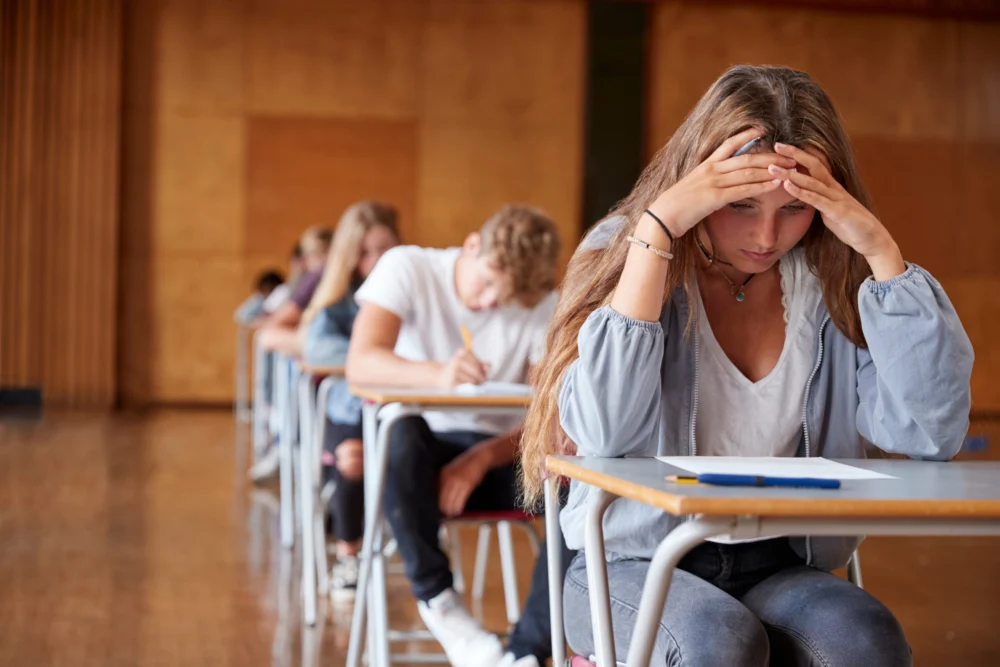
The sharp retort from a teenager, "Stop asking me about school! I’m so stressed, and you’re making it worse," while a common household exchange, underscores a pervasive and escalating challenge facing adolescents today: school-related anxiety. This seemingly isolated outburst is often a symptom of a deeper, more widespread mental health crisis affecting young people globally, with academic, social, and performance pressures converging to create a complex web of stressors. Understanding the various manifestations of this anxiety and equipping parents, educators, and support systems with effective strategies is crucial for fostering resilient and mentally healthy adolescents.
The Rising Tide of Adolescent Anxiety: A National Concern
Recent years have witnessed a significant increase in reported anxiety levels among teenagers. Data from the Pew Research Center, for instance, highlights that a substantial 68 percent of teens feel immense pressure to achieve high grades, indicating that academic stress is not merely an individual struggle but a systemic issue. This pressure, often compounded by societal expectations, a competitive educational environment, and the omnipresence of social media, contributes to a landscape where anxiety is becoming the norm rather than the exception. The transition through adolescence is inherently challenging, marked by rapid physical and emotional development, identity formation, and increasing independence. When these natural developmental hurdles are met with intense external pressures, the risk of anxiety disorders and related mental health issues escalates.
Identifying the Early Warning Signs: A Proactive Approach
Recognizing when a teen is struggling with school-related anxiety is the critical first step toward intervention. Unlike a visible injury, anxiety often manifests subtly, masquerading as defiance, lethargy, or a sudden disinterest in activities once enjoyed. Parents and caregivers are advised to observe changes in behavior, emotional regulation, and even physical health. Key indicators can include:
- Behavioral Shifts: Increased irritability, withdrawal from social activities, changes in sleep patterns (insomnia or excessive sleeping), avoidance of school or homework, sudden drops in academic performance, or obsessive tendencies (e.g., excessive studying, repetitive checking).
- Emotional Responses: Persistent sadness, hopelessness, excessive worry, panic attacks, unexplained mood swings, or expressions of feeling "overwhelmed" or "stressed."
- Physical Symptoms: Frequent headaches, stomachaches, fatigue, changes in appetite, or muscle tension, particularly before school or significant academic events, for which no medical explanation can be found.
Early recognition allows for timely intervention, guiding teens toward effective coping mechanisms and, when necessary, professional support. Ignoring these signs can lead to worsening conditions, impacting not only academic success but also long-term mental well-being and social development.
Delving into the Types of School-Related Anxiety
Teen school anxiety is not monolithic; it typically categorizes into three primary forms, each requiring tailored understanding and intervention strategies.
1. Academic School Stress: The Pressure to Perform
Academic stress is arguably the most recognized form of school-related anxiety, often fueled by an intense pressure to excel. This can manifest as perfectionism, where teens become paralyzed by the fear of making mistakes, leading to procrastination or excessive overworking. Conversely, it can also present as underachievement, where the sheer weight of expectation leads to a complete shutdown.
Background and Context: The modern educational system, particularly in developed nations, has increasingly emphasized standardized testing, competitive college admissions, and a culture of "achievement at all costs." This environment, often termed a "toxic achievement culture," inadvertently fosters anxiety. Students are not only competing with their peers in their immediate environment but are also exposed to a curated, often unrealistic, portrayal of success on social media, further intensifying feelings of inadequacy. The pandemic, with its shifts to remote learning and hybrid models, added another layer of complexity, disrupting routines and creating learning gaps that contributed to heightened academic pressure upon returning to traditional schooling.
Expert Insights and Parental Communication Strategies:
Educational psychologists and child development experts consistently advocate for a shift in focus from outcomes to effort. Dr. Evelyn Reed, a prominent child psychologist, states, "When parents emphasize the learning process and resilience over perfect grades, they equip their children with a healthier mindset. Phrases like, ‘You put in the time and studied well,’ are far more constructive than ‘Do your best,’ which can inadvertently add pressure for perfection."
Open dialogue is also crucial. Encouraging teens to articulate their fears by asking, "What’s the worst that could happen?" and then collaboratively brainstorming solutions can significantly reduce anxiety. This technique, widely employed in cognitive behavioral therapy (CBT), helps teens reality-check their catastrophic thinking and develop problem-solving skills. Fostering a relaxed mindset, reminding teens of their inherent knowledge and encouraging them to start with what they know, can also help settle anxious thoughts before tests or presentations.
Coping Skills for Academic Stress:
For teens grappling with academic pressure, practical strategies are paramount:
- Task Breakdown: Large assignments can be daunting. Helping teens break them into smaller, manageable steps makes the workload seem less overwhelming and fosters a sense of accomplishment with each completed stage.
- Modeling Resilience: Parents who openly discuss their own past struggles and how they overcame them demonstrate that failure is a part of learning, not an endpoint. This teaches teens the invaluable skill of resilience.
- Prioritization: Teaching effective time management and prioritization skills helps teens manage their workload and allocate energy appropriately, reducing feelings of being swamped.
- Scheduled Breaks: Encouraging regular breaks during study sessions, incorporating physical activity or mindfulness, prevents burnout and improves focus.
2. Social Anxiety School Stress: The Fear of Judgment
Social anxiety in teens manifests as an intense fear of being judged, rejected, or embarrassed by peers. This can lead to avoidance of social gatherings, obsessive worrying about social interactions, and constant checking of phones for social validation or to monitor peer activity. The school environment, with its inherent social dynamics, group work, and peer interactions, becomes a minefield for socially anxious adolescents.
Background and Context: The digital age has profoundly reshaped adolescent social landscapes. Research, including studies published in journals like ScienceDirect, indicates a strong correlation between passive social media scrolling, online comparison, and increased anxiety in teens. The constant visibility and perceived perfection of others’ lives online can exacerbate feelings of inadequacy and isolation. Cyberbullying, a persistent threat, further complicates social dynamics, making the online world a source of both connection and profound stress. The fear of missing out (FOMO) also drives teens to maintain an online presence, even if it contributes to their anxiety.
Expert Insights and Parental Communication Strategies:
Empathetic communication is foundational when a teen is struggling with social anxiety. Validating their feelings without minimizing them is key. Instead of dismissing their concerns with phrases like, "You won’t even remember this in a few years," parents should acknowledge the present pain. Dr. Sarah Chen, a specialist in adolescent mental health, advises, "Start with empathy: ‘It sounds like that conversation really upset you.’ Then, empower them by offering choices: ‘Do you want to talk about it, or take some space first?’ This validates their experience and gives them agency."
Empowering questions, such as "What could make things better next time?" or "How would you like to handle it?" help teens process their emotions and develop coping strategies rather than feeling judged or pressured.
Building Social Confidence:
Strategies to help teens build social confidence often involve gradual exposure and mindful digital engagement:
- Low-Stakes Social Risks: Encouraging participation in activities with less intense social pressure, such as joining a club focused on a shared interest, initiating a small study group, or inviting one friend for an informal outing, can build confidence incrementally.
- Digital Literacy and Curation: Helping teens critically evaluate their social media consumption is vital. Discussions around unfollowing accounts that trigger negative self-comparison and curating a positive online feed can significantly improve self-esteem and reduce digital-induced anxiety. Setting boundaries around screen time and promoting offline interactions are also crucial.
3. Performance Anxiety School Stress: The Spotlight Effect
Performance anxiety emerges when the fear of being evaluated or judged takes over, specifically in situations where a teen is expected to perform, whether it’s giving a presentation, competing in sports, or participating in a theatrical production. This anxiety can be debilitating, causing teens to avoid activities they once loved, engage in obsessive practice, or experience panic attacks.
Background and Context: Performance anxiety is deeply rooted in the human fear of failure and public scrutiny. For adolescents, whose identities are still forming and whose sense of self-worth can be highly dependent on external validation, the pressure to perform flawlessly can be immense. In school, this translates to fears surrounding oral reports, musical performances, athletic competitions, or even participation in class discussions. The visibility of these performances, coupled with the potential for peer judgment and the desire to impress adults, creates a potent breeding ground for anxiety.
Expert Insights and Parental Communication Strategies:
Parents play a vital role in normalizing nerves and balancing encouragement with realistic expectations. Instead of generic assurances like, "You’ll do great," which can inadvertently heighten the pressure for perfection, a more nuanced approach is beneficial. Performance coaches often recommend phrases such as, "You’ve put in the work. You’re ready. If something unexpected happens, you’ll handle it." This acknowledges their effort while preparing them for potential imperfections, fostering a sense of control and adaptability. Reminding teens that "even professionals get pre-performance jitters" normalizes their feelings and reduces the shame often associated with anxiety.
Coping Skills for Performance Anxiety:
Effective coping mechanisms for performance anxiety focus on mental rehearsal and physiological regulation:
- Visualization: Guiding teens to visualize themselves successfully navigating the performance, including managing any unexpected challenges, can build mental resilience and confidence. This mental rehearsal helps to prime the brain for success.
- Strategic Practice: Encouraging consistent, focused practice without overdoing it is essential. Over-practicing can lead to burnout and increased anxiety. The goal is preparation, not perfection.
- Breathing Techniques: Simple diaphragmatic breathing exercises can regulate the nervous system, reduce heart rate, and calm the body’s fight-or-flight response. Practicing these techniques regularly allows teens to deploy them effectively in high-stress situations. Progressive muscle relaxation can also be taught to release physical tension.
When to Seek Professional Help: Recognizing the Threshold
While parental support and implementing coping strategies are invaluable, it is crucial for caregivers to recognize when professional intervention is necessary. Teen anxiety can sometimes exceed the scope of familial support and may indicate an underlying anxiety disorder or co-occurring mental health conditions.
Parents should seek professional help if:
- Interference with Daily Functioning: The teen’s anxiety significantly disrupts their academic performance, social relationships, sleep, or overall quality of life.
- Persistent Physical Symptoms: The physical manifestations of anxiety (e.g., chronic headaches, stomachaches, fatigue) are severe and persistent, despite medical evaluation ruling out physical causes.
- Thoughts of Self-Harm or Hopelessness: Any mention or indication of self-harm, suicidal ideation, or pervasive feelings of hopelessness requires immediate professional evaluation.
- Lack of Improvement: Anxiety symptoms do not improve or worsen despite consistent parental support and implementation of coping strategies.
- Panic Attacks: Recurrent or severe panic attacks that are debilitating for the teen.
Professional mental health support, including therapy (such as Cognitive Behavioral Therapy or Dialectical Behavior Therapy), medication, or a combination, can provide teens with specialized tools and support to manage and overcome severe anxiety. Pediatricians, school counselors, or general practitioners can often provide initial assessments and referrals to specialists.
Broader Implications and the Role of Educational Systems
The rise of adolescent anxiety carries significant societal implications. Untreated anxiety in youth can lead to chronic mental health issues in adulthood, lower educational attainment, reduced career prospects, and impaired social functioning. Addressing this crisis requires a multi-faceted approach involving not just parents, but also schools, healthcare providers, and policymakers.
Educational institutions have a critical role to play. This includes:
- Integrating Mental Health Education: Incorporating curricula that teach emotional regulation, stress management, and mental health literacy.
- Strengthening Counseling Services: Ensuring adequate access to qualified school counselors and psychologists who can provide early intervention and support.
- Creating Supportive School Cultures: Fostering environments that prioritize well-being over relentless academic pressure, promoting collaboration over cutthroat competition, and actively combating bullying and social exclusion.
- Teacher Training: Equipping educators with the skills to recognize signs of anxiety in students and respond with empathy and appropriate referrals.
The post-pandemic era has further highlighted the urgency of these interventions. School closures, social isolation, and health anxieties have left many adolescents with exacerbated mental health challenges, underscoring the need for robust support systems as they navigate a rapidly changing world.
In conclusion, understanding the nuances of school-related anxiety—be it academic, social, or performance-based—is paramount for parents, educators, and the broader community. By recognizing the signs, employing empathetic communication, teaching practical coping skills, and knowing when to seek professional help, we can collectively work towards creating a more supportive and less stressful environment for our teenagers, enabling them to thrive not just academically, but as healthy, resilient individuals. The dialogue around teen mental health must continue, evolving with the challenges and ensuring that no adolescent feels alone in their struggle.

