
The e-commerce sector is experiencing a period of rapid innovation, with businesses continually seeking to enhance customer experience, streamline operations, and boost marketing effectiveness. This past week has seen a significant influx of new services and platform updates across a diverse range of e-commerce functions, from autonomous delivery and AI-driven content optimization to advanced fraud prevention and new payment infrastructures. These developments signal a strong trend towards leveraging artificial intelligence and automation to meet the dynamic demands of online retail.
Enhancing Customer Engagement and Trust Through Reviews and AI
Customer trust and engagement remain paramount for online retailers. In a significant move, Trustpilot has partnered with Shopify to integrate its renowned customer review system directly into the Shopify platform. This collaboration, the first of its kind under Trustpilot’s strategy to deepen ties with major e-commerce enablers, allows Shopify merchants to seamlessly display verified Trustpilot reviews and manage customer feedback within their Shopify admin interface. This integration aims to bolster the credibility of businesses by providing a centralized and trusted channel for social proof, a critical factor in purchasing decisions. According to recent studies, over 90% of consumers read online reviews before making a purchase, highlighting the immense value of such integrations. The ability for merchants to easily access and manage these reviews is expected to improve customer service responsiveness and build stronger brand reputations.

The visual aspect of e-commerce is also undergoing a transformation, driven by AI. ImageKit has launched Creative Automation with AI Assist, a new feature designed to empower marketing, e-commerce, and creative operations teams. This tool facilitates the large-scale generation of on-brand visuals, including marketing banners, social media creatives, catalog images, and performance marketing variations. By utilizing templates and AI assistance, businesses can standardize their visual content production workflows, ensuring brand consistency across all touchpoints while significantly accelerating the creative process. In an era where visual content dominates online engagement, the ability to rapidly produce high-quality, consistent imagery at scale is a considerable competitive advantage. This innovation addresses the growing need for efficient content creation in a visually saturated digital environment.
AI-Powered Optimization for Search and Performance Marketing
The rise of generative AI has prompted new approaches to online visibility and marketing. CiteLens has launched its GEO (Generative Engine Optimization) platform, a novel tool that tests a brand’s presence across multiple AI search engines. By analyzing customer queries, capturing exact AI-generated answers, and identifying cited sources, CiteLens provides brands with an AI visibility score, their competitive standing, sentiment analysis of their mentions, and insights into the source pages crucial for improving their AI presence. This is particularly relevant as AI-powered search engines like those from Google, Microsoft, and others become increasingly influential in how consumers discover products and services. Understanding and optimizing for these new search paradigms is becoming as critical as traditional SEO.
In the realm of performance marketing, Rokt mParticle has introduced its Performance Engine, a suite of tools designed to maximize the value of a brand’s first-party data. The engine includes "Audience Agent," which analyzes a brand’s data to build refined audiences for marketer approval, and "Performance Accelerators," which are activation features aimed at overcoming common challenges such as declining match rates, scalability issues with segments, and the complexity of precise targeting. This development underscores the industry’s increasing reliance on robust first-party data strategies in the face of evolving privacy regulations and the deprecation of third-party cookies. The ability to effectively leverage owned data is becoming a cornerstone of successful performance marketing campaigns.

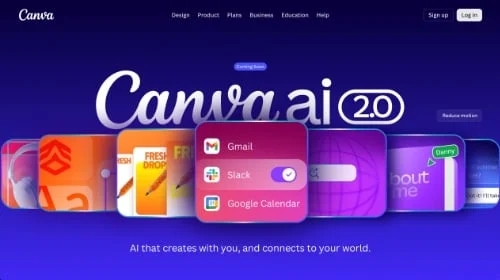
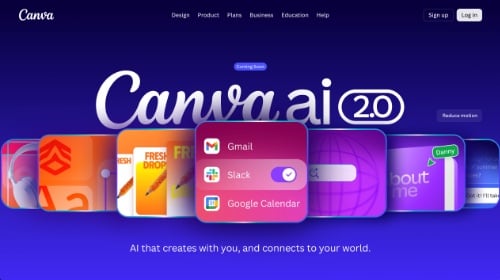
Canva has expanded its marketing automation capabilities with Grow 2.0, an enhanced version of its existing Grow tool. Grow 2.0 automates the entire performance marketing workflow, from ad creation and publishing to ongoing performance optimization. This comprehensive platform aims to enable businesses to build and run campaigns at scale, integrating with major advertising networks like LinkedIn, TikTok, and Meta. Canva’s entry into performance marketing signifies a growing trend of integrated creative and advertising solutions, simplifying the process for businesses of all sizes to manage their digital advertising efforts. The platform’s user-friendly interface, combined with powerful automation, is poised to democratize sophisticated performance marketing for a broader range of users.
Furthermore, Contentful has unveiled Palmata, a new offering aimed at helping organizations understand, measure, and influence how AI answer engines represent their businesses. Palmata provides insights into the factors that shape AI-generated responses and offers guidance for improvement. As AI plays a more significant role in information retrieval and recommendation, ensuring accurate and favorable brand representation is crucial. This tool addresses the growing need for businesses to actively manage their digital footprint within the evolving AI landscape, ensuring their narratives are communicated effectively to consumers interacting with AI systems.
Innovations in Livestreaming and Visual Content Creation
The demand for engaging and dynamic content continues to drive innovation in media formats. Mobigital has launched AI Virtual Livestream, a new tool that utilizes AI-generated virtual presenters to conduct product demonstrations, promote campaigns, and engage customers. These AI-powered livestreams can operate 24/7, offering merchants enhanced visibility and continuous customer interaction across global markets while potentially reducing marketing and operational costs. This technology offers a scalable solution for businesses looking to maintain consistent engagement without the logistical constraints of traditional live broadcasts. The ability to deploy virtual presenters across time zones and languages opens up new avenues for global e-commerce outreach.
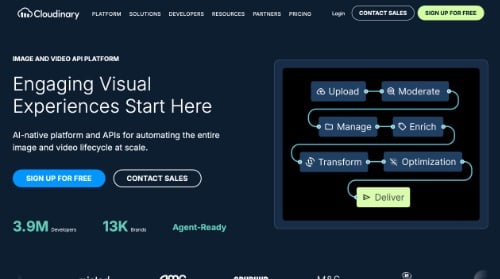
Complementing this, Cloudinary has introduced Image to Video, an AI capability that transforms existing image libraries into enterprise-ready videos. This feature automates the creation of channel-ready videos, allowing brands to efficiently repurpose static assets into dynamic video content. Coupled with Cloudinary Moderation for review and Cloudinary Video for editing and resizing, this solution streamlines the video production pipeline. The proliferation of video content across social media and product pages has made it an indispensable marketing tool. Image to Video addresses the challenge of video creation volume and cost, making it more accessible for businesses to leverage this powerful medium.
Advancements in Logistics and Autonomous Delivery
Efficiency in logistics remains a key focus for e-commerce. Autonomous delivery firm Neolix is expanding its European presence, targeting consumer goods, retail, and fulfillment leaders. Their commercial autonomous delivery vehicles are designed for middle-mile and last-mile operations, aiming to boost operational efficiency, extend service hours, and reduce delivery costs. Neolix emphasizes that their vehicles operate continuously in various conditions, offering a reliable and cost-effective solution for urban logistics challenges. The expansion signifies growing confidence in autonomous delivery technology as a viable component of modern supply chains, particularly in dense urban environments where delivery costs and congestion are significant concerns.
Monetization and Agentic Commerce Emerge
New models are emerging to help creators and businesses capitalize on the digital economy. Caelith, through its product Fypro.ai, has launched a platform designed to help creators monetize their content. Fypro.ai personalizes content strategy and commerce monetization by analyzing a creator’s existing posts, audience demographics, and viral patterns. It then generates a plan for content and sales, and assists in creating branded websites, storefronts, products, and customer lists. This integrated approach aims to bridge the gap between content creation and revenue generation, offering creators a more structured path to commercial success. The platform’s ability to automate these complex processes could empower a new wave of digitally native entrepreneurs.
The concept of "agentic commerce" is gaining traction, with Nudge raising $1.1 million in pre-seed funding to launch its agentic commerce platform. Nudge operates across visibility, shoppable funnels, and catalog enrichment within the AI commerce stack. The platform aims to enhance a brand’s AI search visibility, align experiences with consumer intent, and enrich product catalogs for better AI recommendation. Agentic commerce envisions AI agents that can autonomously perform commercial tasks on behalf of consumers or businesses. Nudge’s focus on improving AI discoverability and interaction with product catalogs positions it at the forefront of this emerging field, potentially redefining how consumers discover and purchase products online.
Strengthening Fraud Prevention and Payment Systems
Combating online fraud and modernizing payment systems are critical for secure and efficient e-commerce. Seon and Domaine have launched a new Shopify-native fraud prevention app, designed for high-growth brands. This app provides e-commerce and fraud teams with the ability to customize rules, automate decisions, and review orders directly within the Shopify interface. By analyzing transaction data, Seon helps merchants identify risky behavior while facilitating the approval of legitimate customers. The integration simplifies fraud management for Shopify merchants, offering a more streamlined and effective approach to protecting their businesses and customers. The increasing sophistication of online fraud necessitates advanced, yet accessible, prevention tools.
In the payments arena, Ppro and Coinbase have announced a strategic collaboration to introduce stablecoin payments to U.S. merchants and providers. This partnership aims to allow merchants to accept stablecoin payments without the complexities of direct cryptocurrency management. Ppro, which specializes in accepting local and alternative payment methods, will facilitate this integration. The move signals a growing interest in digital currencies as a viable payment option for mainstream commerce, offering potential benefits such as reduced transaction fees and faster settlement times compared to traditional methods. This collaboration represents a significant step towards broader adoption of stablecoins in e-commerce.

Post-Purchase Innovation and Booking Features
Beyond the initial transaction, post-purchase experiences are becoming increasingly important for customer retention. Redo has announced $81 million in Series B funding to support its expansion in commerce technology, focusing on post-purchase solutions. The company offers services including returns and exchanges, order tracking, package protection, fulfillment support, customer service, and marketing capabilities. The substantial funding will fuel product development, AI initiatives, and international growth, underscoring the significant market opportunity in optimizing the crucial post-purchase journey. Enhancing this phase of the customer lifecycle can lead to increased loyalty and repeat business.
Further streamlining customer interactions, Meta Lead Ads has introduced an embedded appointment booking feature for lead ads instant forms on Facebook. This in-app functionality allows prospects to book appointments directly within ads delivered on the Facebook app, with global availability anticipated by October. On Instagram, a "Book time" button will direct users to an in-app scheduling page. This integration simplifies the process for businesses offering services, enabling them to capture leads and schedule appointments more efficiently, thereby shortening the sales cycle and improving conversion rates.
AI-Powered Search and Conversational Commerce
The integration of AI into search and discovery continues to evolve. Albertsons Media Collective, in partnership with Criteo, is bringing sponsored product discovery to AI-powered conversational search. This integration allows eligible sponsored products to appear in conversational carousels within Albertsons’ AI-powered search, connecting brands with shoppers at the moment of purchase intent. Criteo’s remarketing expertise will be leveraged to enhance this experience. This development highlights the growing importance of retail media networks and the potential of conversational AI to transform product discovery and shopping, creating new advertising opportunities for brands within grocery retail.

Finally, Amazon Web Services (AWS) has launched an agentic customer experience designer for Amazon Connect, its contact center platform. This no-code tool enables businesses to design and deploy AI-powered self-service interactions, including voice and digital experiences. The designer facilitates guiding consumers within apps and synchronizing their web or mobile experiences with voice or chat conversations in real-time. This advancement empowers businesses to build more sophisticated and responsive customer service solutions, leveraging AI to enhance efficiency and improve customer satisfaction by providing more seamless and personalized support across multiple channels. The trend towards agentic AI, where systems can autonomously perform tasks and interact with users, is clearly shaping the future of customer engagement.

