
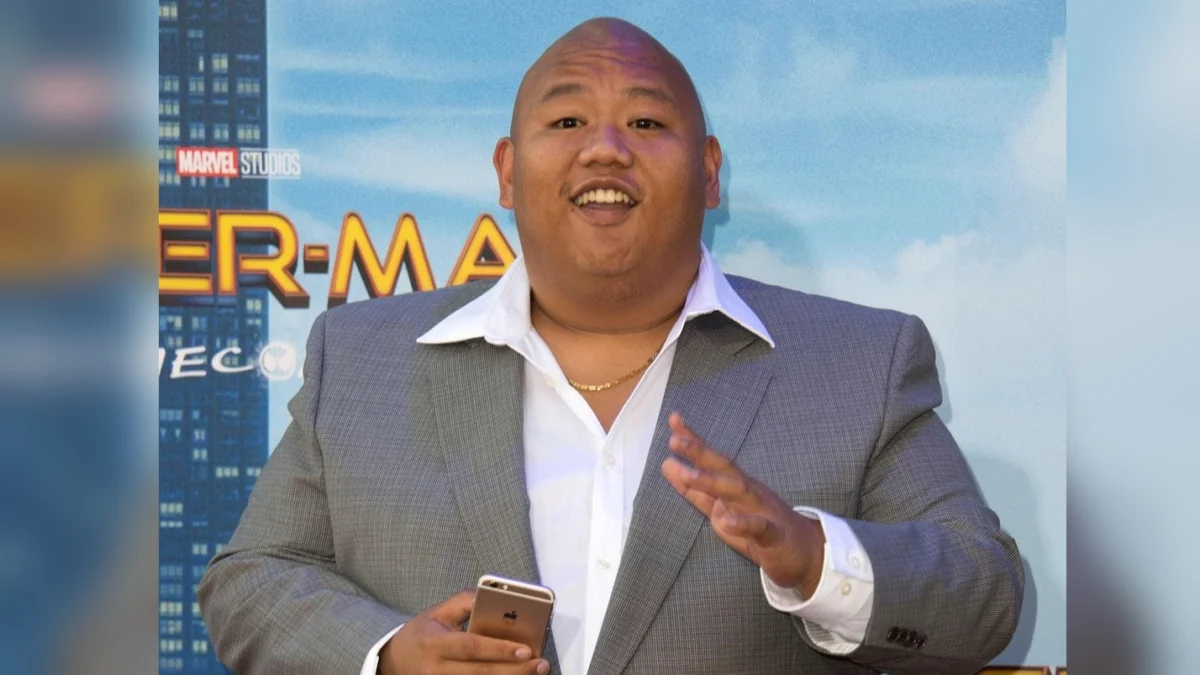
The Evolution and Cultural Legacy of the Jacob Batalon CEO of Sex Meme has transformed from a niche piece of absurdist internet humor into a persistent cultural touchstone that bridges the gap between digital subcultures and mainstream celebrity recognition. Centered on American actor Jacob Batalon, best known for his portrayal of Ned Leeds in the Marvel Cinematic Universe’s Spider-Man franchise, the meme utilizes a specific red-carpet photograph to project a fictional, hyperbolic persona. Over more than half a decade, this phenomenon has transitioned through various stages of digital evolution, eventually garnering direct responses from Batalon himself and his high-profile co-stars, marking a unique instance where "post-ironic" internet culture intersects with global film promotion.
Photographic Origins and the Emergence of the CEO Trope
The visual foundation of the meme is a professional photograph taken during the premiere of Spider-Man: Homecoming in 2017. In the image, Batalon is seen wearing a sharp grey suit, sporting a polite, wide-eyed smile that many internet users characterized as "earnest" or "chill." While the photo existed in press archives for years, it did not achieve meme status until late July 2019.
The "CEO of Sex" title is a derivation of a broader internet trend known as the "CEO of [Noun]" trope. This format typically involves assigning a mundane or absurd "chief executive" title to an individual based on a perceived or ironically assigned mastery of a subject. The trend gained significant traction on platforms like Reddit and iFunny, where users sought to create increasingly nonsensical pairings. The specific designation of Batalon as the "CEO of Sex" is widely considered a pinnacle of "okbuddyretard" humor—a style of internet comedy defined by intentional irony, low-quality editing, and a rejection of traditional punchlines.
On July 31, 2019, the meme saw its first major spike in visibility when Redditor Juanisimo1999 shared an image macro of Batalon with the caption "HE IS THE THE CEO OF SEX" to the /r/okbuddyretard subreddit. The post functioned as a parody of celebrity worship and alpha-male posturing, contrasting Batalon’s friendly, "best friend" public persona with the aggressive, hyper-masculine title of "CEO of Sex."
Chronological Spread and Platform Migration
Following its debut in the summer of 2019, the meme underwent rapid diversification. By August 2019, the format had migrated from Reddit to iFunny and Instagram, where users began creating "lore" around the character. One notable variation, known as "You Seem Chill," utilized the same grey-suit photograph but added captions suggesting Batalon was a benevolent but omnipotent figure offering unsolicited advice or observations to the viewer.
In August 2019, specific edits began to surface that expanded the "CEO" universe. On August 8, 2019, a viral post on the /r/ontheledgeandshit subreddit showcased a series of WhatsApp messages repeatedly stating "I’M THE CEO OF SEX," illustrating the repetitive, rhythmic nature of the meme’s humor. Simultaneously, Instagram influencers and meme curators like "salad.snake" began sharing the image with apocalyptic or surreal captions, such as "Rapture is coming, God will punish you," further detaching the image from its original context as a movie premiere photograph.
As the 2020s began, the meme refused to fade into obscurity, a rarity in the fast-paced cycle of internet trends. Instead, it became a "legacy meme," frequently reposted and updated with higher production values. By 2022, fans were creating sophisticated "fake" promotional materials, including a mock IMDb entry for a film titled The CEO of Sex, purportedly directed by Martin Scorsese. The fictional plot involved Batalon’s character, Ned Leeds, fighting "beta cuck male J. Jonah Jameson" using a "famous fruit cobbler"—a reference to a specific line of dialogue from the Spider-Man films.
Mainstream Recognition and Celebrity Reactions
The longevity of the meme eventually forced it into the peripheral vision of the actors involved in the Marvel Cinematic Universe. For several years, fans speculated whether Batalon was aware of his digital alter ego. This was confirmed in a series of interviews spanning 2025 and 2026, coinciding with Batalon’s work on independent projects and the continued expansion of the Spider-Man franchise.

In March 2025, while promoting the film Novocaine, Batalon addressed the "CEO of Sex" title in an interview with Screen Rant. Rather than expressing confusion or disdain, the actor embraced the absurdity, stating that being assigned such a title by the internet was, in his view, "an honor." This acknowledgement served to validate the meme community, leading to a secondary surge in its popularity.
The phenomenon reached its zenith during the press tour for Spider-Man: Brand New Day in the summer of 2026. On June 27, 2026, a TikTok video captured a moment where a fan showed the "CEO of Sex" meme to Tom Holland during an autograph session. Holland, who appeared to be seeing the specific iteration for the first time, reacted with visible amusement, a clip that garnered over 115,000 likes within weeks.
The interaction culminated on July 28, 2026, at the Los Angeles premiere of Spider-Man: Brand New Day. In a red-carpet interview with Entertainment Weekly, Holland discussed the meme’s prevalence, noting the irony of his co-star’s internet fame. On the same night, Batalon spoke with Entertainment Tonight, providing his most detailed thoughts on the matter to date. He admitted that while he did not fully grasp the mechanics of why that specific photo became a "CEO" meme, he found the entire situation "flattering."
Socio-Cultural Analysis: Why Batalon?
The enduring success of the Jacob Batalon "CEO of Sex" meme can be attributed to several factors within the landscape of digital sociology. First is the "Irony of Contrast." Batalon’s character in the Spider-Man films is the quintessential "guy in the chair"—a loyal, nerdy, and non-threatening sidekick. By projecting the image of a "CEO of Sex" onto him, internet users created a comedic cognitive dissonance.
Second is the "Static Visual Identity." The grey-suit photograph provides a consistent visual anchor. In a digital environment where content is often fleeting, having a single, recognizable "avatar" allows a meme to build a recognizable brand. The suit conveys a sense of professional authority, which makes the absurd "CEO" titles feel structurally cohesive, even if they are logically bankrupt.
Thirdly, the meme represents a shift in how audiences interact with celebrities. Rather than traditional fandom, which focuses on the actor’s craft or personal life, this form of "meme-fandom" treats the celebrity as a modular asset that can be inserted into various surreal narratives. Batalon’s willingness to engage with the meme without attempting to "cool it down" or over-explain it has allowed the joke to persist without losing its edge.
Impact on Professional Image and Future Implications
While some actors might fear that such an irreverent meme could overshadow their professional work, the "CEO of Sex" phenomenon has arguably increased Batalon’s "online equity." It has made him a recognizable figure even to those who may not closely follow the Marvel Cinematic Universe. In the competitive landscape of Hollywood, having a built-in, highly engaged digital audience—even one based on an ironic joke—can be a significant asset for visibility and marketing.
Furthermore, the meme serves as a case study for film studios on the nature of organic promotion. The fact that Entertainment Weekly and Entertainment Tonight—traditional Hollywood trade and news outlets—integrated questions about the "CEO of Sex" into red-carpet coverage demonstrates the power of internet subcultures to dictate mainstream media narratives.
As of mid-2026, the Jacob Batalon "CEO of Sex" meme remains a staple of social media discourse. Its transition from the "ironic" fringes of Reddit to the red carpets of Hollywood highlights a broader trend where the boundaries between professional celebrity branding and chaotic fan-generated content are increasingly blurred. Whether the meme will continue to evolve into new formats or eventually settle into the archives of internet history remains to be seen, but its seven-year run has already cemented it as one of the most resilient examples of modern digital folklore.

