
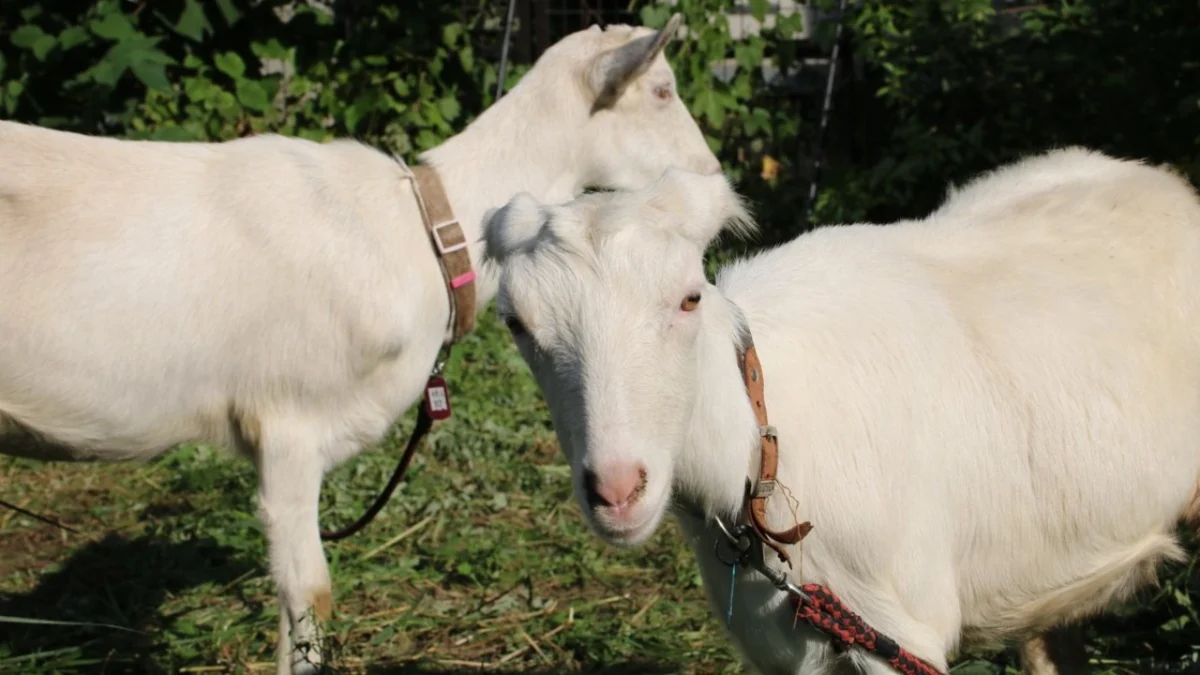
The East Japan Railway Company, commonly known as JR East, has introduced an innovative and environmentally conscious approach to landscape maintenance by "hiring" two goats, named Nagi and Pokke, to manage overgrown vegetation at a railway-adjacent lot in the Yotsuya district of Shinjuku, Tokyo. This initiative, which transitioned from a localized utility project to a nationwide social media phenomenon in late October 2026, represents a strategic intersection of urban sustainability, cost-effective infrastructure management, and public relations. By utilizing biological solutions for routine maintenance, the railway giant is exploring alternatives to traditional mechanical weeding, which often involves high carbon emissions, noise pollution, and significant labor costs.
The Deployment of Nagi and Pokke: A Biological Solution to Urban Maintenance
In the densely populated urban landscape of Shinjuku, maintaining the cleanliness and safety of areas surrounding train tracks is a perennial challenge for JR East. In mid-October 2026, the company opted for a "green" alternative by deploying Nagi and Pokke to a fenced-off lot near Yotsuya Station. The primary objective of this deployment was to clear a thicket of overgrown grass and weeds that had become difficult to manage through conventional means.
Goats are uniquely suited for this task. Unlike mechanical lawnmowers, goats can navigate steep or uneven terrain with ease, and their dietary habits allow them to consume a wide variety of invasive plant species. Furthermore, the biological process of "weeding" via goats provides a closed-loop ecological benefit: the animals consume the vegetation and return nutrients to the soil in the form of natural fertilizer, all while producing zero carbon emissions. This pilot program in Yotsuya is part of a broader trend in Japan where corporations are seeking to align their operational needs with Environmental, Social, and Governance (ESG) goals.
Chronology of the Viral Phenomenon
The presence of Nagi and Pokke remained a relatively quiet local curiosity until October 20, 2026, when the first major wave of public attention hit digital platforms.
- October 20, 2026: News outlets and local observers began documenting the goats’ activities. A report shared by the X (formerly Twitter) account @fuuuukatsu highlighted the unusual sight of livestock working in one of the world’s busiest urban centers. The post quickly resonated with the public, garnering over 15,000 likes within 72 hours and sparking widespread "discourse" regarding the future of urban maintenance.
- October 21, 2026: The story was picked up by mainstream Japanese media, which provided further details on the goats’ names and their official status as "workers" for JR East. This spurred a surge in foot traffic to the Yotsuya area as residents and commuters sought to catch a glimpse of the animals.
- October 22, 2026: The international community began to take notice. Social media user @ren_Nevermind posted a video showcasing the goats in action, noting that they had essentially become "official mascots" for the railway company. The video emphasized the joy the animals brought to local children, specifically mentioning groups of kindergarteners who visited the site to cheer for "Yagi-san" (Mr. Goat).
- October 23, 2026: The narrative reached Instagram via the popular page "ghantaa," where it received over 6,000 likes in less than a day. By this point, Nagi and Pokke had transitioned from mere maintenance animals to cultural icons, symbolizing a gentler, more nature-integrated approach to city life.
Supporting Data: The Economics and Ecology of Goat Grazing
The decision to use goats like Nagi and Pokke is supported by several logistical and economic factors. Traditional weeding in an urban environment like Shinjuku presents multiple friction points. Mechanical mowers are loud, which can lead to noise complaints in residential and commercial zones. They also require gasoline or electricity and necessitate the manual disposal of clippings, which often end up in landfills.
In contrast, a single goat can clear approximately 10 square meters of overgrown grass per day, depending on the density of the vegetation. For a lot the size of the Yotsuya site, Nagi and Pokke provide a consistent, low-impact labor force. While the initial setup—including secure fencing, a shelter, and daily health checks by handlers—requires an investment, the long-term operational costs are often lower than hiring a professional landscaping crew for periodic clear-cutting.
Furthermore, the "iyashi" (healing) effect of the animals cannot be overstated. In a high-stress environment like Tokyo, the psychological benefit to the public provides an intangible but significant return on investment for JR East. The presence of the goats has turned a mundane piece of railway infrastructure into a community landmark, fostering a positive brand image for the railway company.
Official Responses and Operational Management
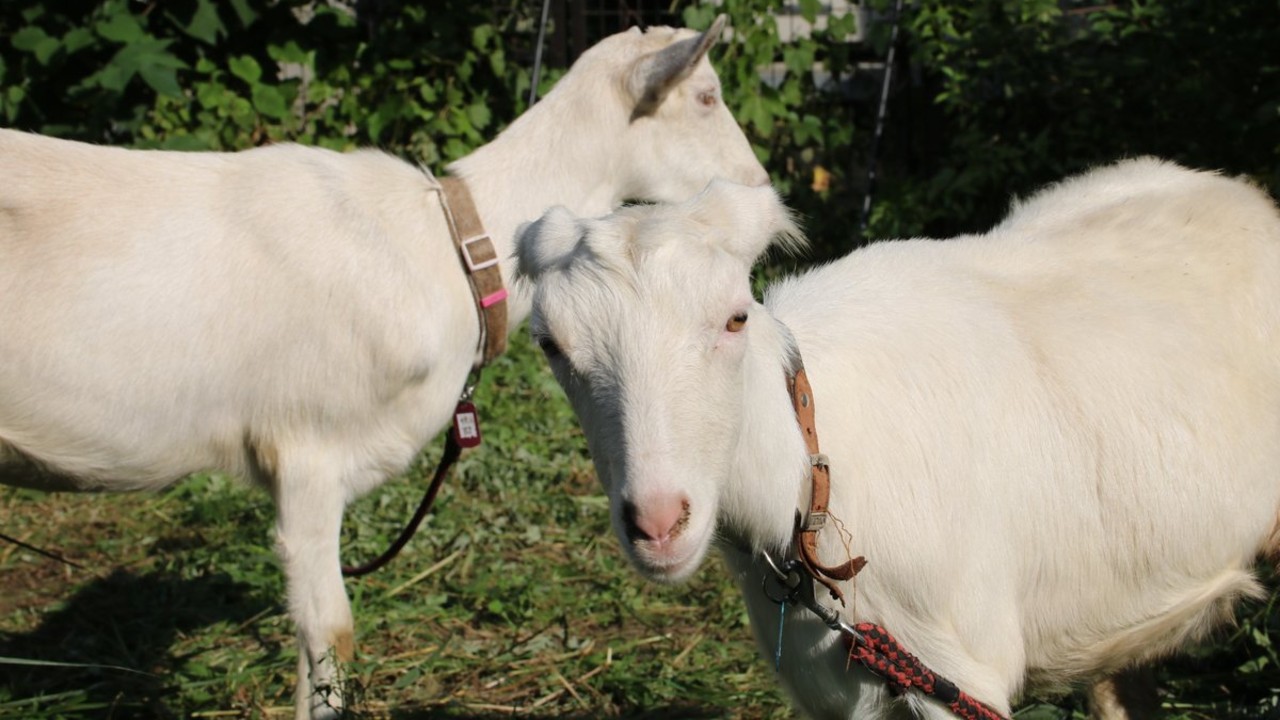
While JR East has not released a comprehensive financial breakdown of the project, representatives have indicated that the safety and well-being of Nagi and Pokke are the company’s top priorities. The goats are monitored daily to ensure they have access to fresh water and are not showing signs of stress from the urban environment.
Local authorities in Shinjuku have also expressed support for the initiative, noting that it aligns with the city’s efforts to promote biodiversity and sustainable urban development. By choosing goats over chemical herbicides, the project ensures that the local groundwater and soil remain free of toxins, a crucial consideration for a city that prides itself on its cleanliness and public health standards.
Community feedback has been overwhelmingly positive. Educational institutions in the Yotsuya area have reportedly integrated visits to the "goat lot" into their curriculum, using Nagi and Pokke as a real-world example of ecological management and the importance of animals in human society.
Broader Impact and Implications for Urban Infrastructure
The success of Nagi and Pokke in Yotsuya is likely to serve as a blueprint for similar initiatives across Japan and potentially other global metropolises. The "Goat Weeding" model is not entirely new—companies like Amazon and Google have famously used goats at their headquarters in the United States—but its implementation in the heart of Tokyo, a city known for its hyper-modernity and technological focus, is particularly symbolic.
This initiative suggests several long-term implications for urban planning:
- Integration of Green Spaces: As cities strive to become more "liveable," the integration of semi-wild green spaces and biological maintenance could become a standard feature of urban design.
- Public Engagement: Nagi and Pokke have demonstrated that infrastructure maintenance does not have to be an invisible or purely industrial process. By making it visible and engaging, companies can build stronger ties with the communities they serve.
- Sustainability Standards: If JR East continues to expand this program, it could set a new benchmark for how transportation giants handle their environmental footprint, moving beyond carbon credits to tangible, local ecological improvements.
Conclusion: The Future of Nagi and Pokke
As of late October 2026, Nagi and Pokke continue their work in Yotsuya, oblivious to their status as digital celebrities. Their presence serves as a reminder that even in the most technologically advanced cities, the simplest solutions are often the most effective. Whether this remains a temporary pilot program or becomes a permanent fixture of Tokyo’s landscape remains to be seen, but the "goat employees" of JR East have already succeeded in capturing the imagination of the public and proving that sustainability can be both practical and heartwarming.
The legacy of Nagi and Pokke will likely be measured not just in the tons of grass they consume, but in the shift in perspective they have provided to millions of commuters: that nature has a vital place in the concrete jungle, and that sometimes, the best way to move forward is to look back at traditional, biological methods of stewardship. As Japan Rail continues to monitor the results of this initiative, the "Nagi and Pokke" model stands as a testament to the power of innovative, eco-friendly thinking in the 21st century.

